


1. Introduction
Yam Extract has emerged as a highly valuable product in recent years, finding applications in various industries such as food, pharmaceuticals, and cosmetics. This article aims to provide a comprehensive overview of yam, starting from its planting, through processing techniques, technological advancements, and finally, an in - depth analysis of the market trends, opportunities, and challenges.
2. Yam Planting
2.1 Seed Selection
Seed selection is a crucial first step in yam planting. High - quality yam seeds are essential for a successful crop. Farmers typically look for seeds that are healthy, free from diseases and pests, and of an appropriate size. Small - sized seeds may not have enough energy reserves, while overly large seeds may be more difficult to handle. Seeds are often sourced from previous harvests, where the best - performing yams are selected for reproduction. Some farmers also purchase certified seeds from reliable suppliers to ensure genetic purity and quality.

2.2 Soil Preparation
Yams thrive in well - drained, fertile soil. Soil preparation begins with clearing the land of any debris, weeds, or previous crop residues. The soil is then plowed to a depth of around 30 - 40 centimeters to loosen it and improve aeration. Organic matter such as compost or manure is added to enrich the soil with nutrients. The pH level of the soil should be maintained between 5.5 and 7.5, as yams are sensitive to extreme pH values. This can be adjusted using lime to raise the pH or sulfur to lower it.

2.3 Planting Process
- The best time for planting yams is usually during the spring or early summer when the soil has warmed up sufficiently.
- Yam seeds or cuttings are planted in ridges or mounds, which help with drainage. The ridges are typically spaced about 1 - 1.5 meters apart.
- Planting depth varies depending on the type of yam, but it is generally around 10 - 15 centimeters.
- After planting, the seeds or cuttings are watered gently to ensure good soil - seed contact.
2.4 Growth and Maintenance
During the growth period, yams require proper care. Weeding is necessary to prevent competition for nutrients, water, and sunlight. Mulching can be done to retain soil moisture and suppress weed growth. Yams also need regular watering, especially during dry spells, but over - watering should be avoided as it can lead to root rot. Additionally, fertilization is important. A balanced fertilizer containing nitrogen, phosphorus, and potassium can be applied at different growth stages to support healthy growth.
2.5 Harvest
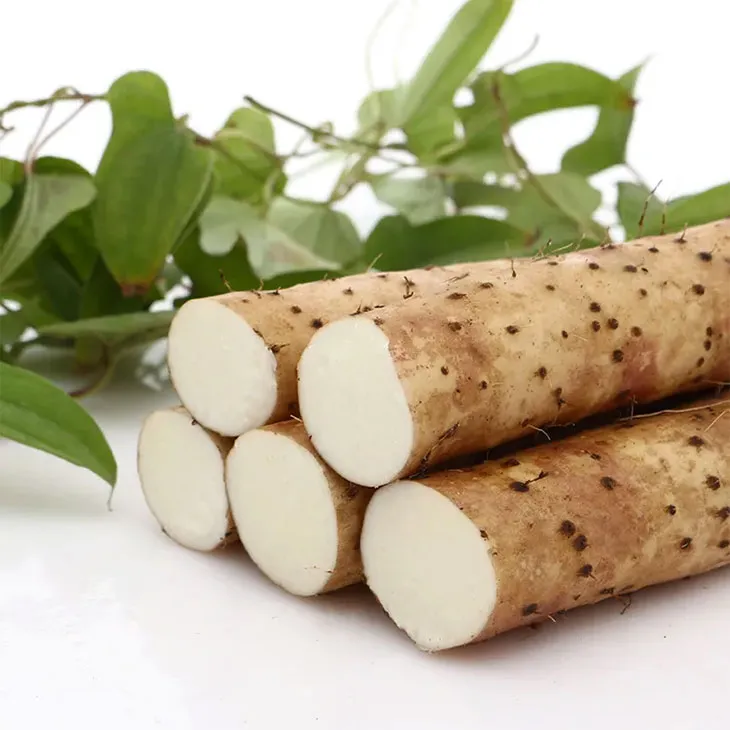
Yams are usually ready for harvest 6 - 10 months after planting, depending on the variety. Signs of maturity include yellowing of the leaves and a hardened skin on the yam. Harvesting is a delicate process as yams can be easily damaged. Harvest tools such as forks or spades are carefully used to lift the yams from the soil without causing bruising or breakage.
3. Yam Extract Processing
3.1 Traditional Processing Methods
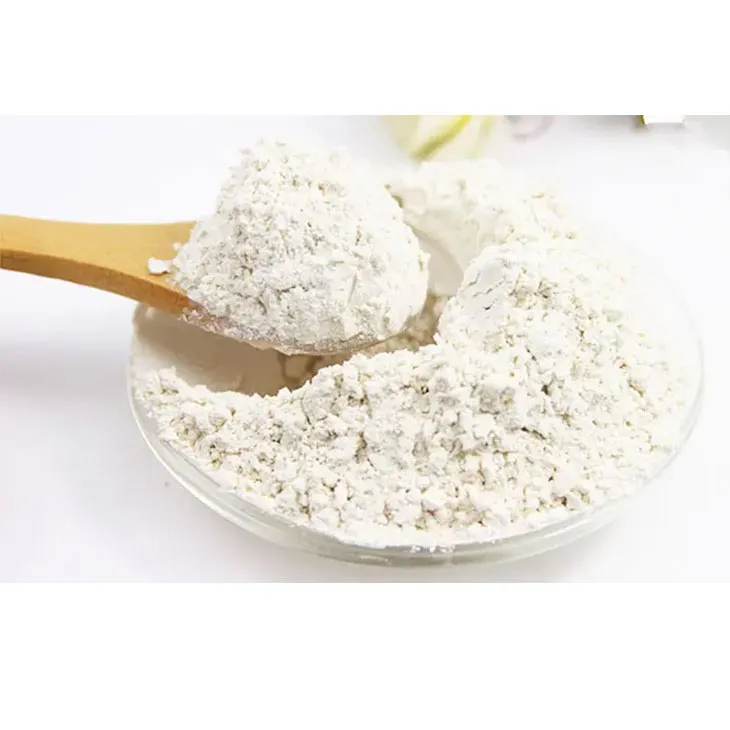
Traditional processing of Yam Extract has been practiced for centuries in many cultures. One common method is sun - drying the yams first. After harvest, the yams are washed and sliced into thin pieces. These slices are then spread out in the sun to dry completely. Once dried, the yam slices can be ground into a powder using traditional grinding tools such as mortar and pestle. Another traditional method involves boiling the yams and then mashing them to extract the juice. This juice can be further processed through filtration and evaporation to obtain a concentrated extract.
3.2 Modern Processing Techniques
Modern technology has revolutionized Yam Extract processing. Mechanical peeling machines are used to quickly and efficiently remove the yam skin, reducing labor and time. High - pressure homogenizers are employed to break down the yam cells and release the extract more effectively. Ultra - filtration and reverse osmosis are modern membrane separation techniques used for purifying the Yam Extract, removing impurities and unwanted substances while retaining the beneficial components. Additionally, freeze - drying technology is also being used to produce high - quality Yam Extract with better preservation of its nutritional and active ingredients.
4. Technology in Yam - related Fields
4.1 Improvement in Quality
Technological advancements have significantly improved the quality of yam and its extract. For example, precision farming techniques such as the use of sensors to monitor soil moisture, nutrient levels, and pest infestations enable farmers to make more informed decisions about irrigation, fertilization, and pest control. This results in better - quality yams with higher nutritional value. In the processing aspect, advanced analytical techniques like HPLC (High - Performance Liquid Chromatography) and GC - MS (Gas Chromatography - Mass Spectrometry) are used to accurately analyze the composition of Yam Extract, ensuring its purity and consistency.
4.2 Increase in Productivity
Mechanization in yam farming has led to increased productivity. Tractors equipped with plowing and tilling attachments can cover large areas of land quickly, reducing the time and labor required for soil preparation. Automated irrigation systems ensure that yams receive the right amount of water at the right time, promoting healthy growth. In processing, high - capacity extraction machines can process large quantities of yams in a short time, increasing the overall productivity of Yam Extract production.
5. Yam Extract Market
5.1 Global Consumption Trends
Globally, the consumption of Yam Extract has been on the rise. In the food industry, Yam Extract is being used as an ingredient in various products such as baked goods, beverages, and health foods due to its nutritional properties. In the pharmaceutical industry, its potential health benefits, such as anti - inflammatory and antioxidant effects, are being explored, leading to an increased demand for yam - based drugs and supplements. In the cosmetics industry, Yam Extract is used in skin - care products for its moisturizing and anti - aging properties. Developed countries are major consumers of Yam Extract - based products, with a growing trend towards natural and functional ingredients.
5.2 Local Consumption Patterns
In some regions where yams are native or commonly grown, local consumption of Yam Extract also plays an important role. For example, in Africa, yams are a staple food, and Yam Extract is used in traditional medicine and local food preparations. In Asia, yam - based products are popular in traditional cuisines and are also being incorporated into modern food and beverage items. Local consumption can be influenced by cultural traditions, availability, and affordability of yam - related products.
5.3 Market Opportunities
- The growing health - consciousness among consumers presents an opportunity for Yam Extract products. With an increasing focus on natural and healthy ingredients, Yam Extract can be marketed as a superfood ingredient in various products.
- The expansion of the cosmetics and pharmaceutical industries also offers potential for Yam Extract. As research continues to uncover its beneficial properties, there is room for new product development.
- Emerging markets in developing countries, where there is a rising middle class with increasing purchasing power, provide a new market for Yam Extract - based products.
5.4 Market Challenges
- One of the main challenges is the lack of standardization in Yam Extract production. Different producers may use different processing methods and quality control measures, leading to inconsistent product quality.
- Competition from other natural and synthetic ingredients in the market can also be a hurdle. For example, in the food industry, there are many alternative thickeners and flavor enhancers.
- Limited research on some aspects of Yam Extract, such as long - term safety and potential side effects, may restrict its wider acceptance in some industries, especially pharmaceuticals.
6. Conclusion
Yam Extract is a product with great potential, but its development from planting to market is a complex process. Through improved planting techniques, advanced processing methods, and technological innovation, the quality and productivity of Yam Extract can be enhanced. However, to fully realize its market potential, challenges such as standardization and competition need to be addressed. With proper strategies and continued research, Yam Extract can play a more significant role in various industries in the future.
FAQ:
What are the key factors in yam seed selection?
When selecting yam seeds, several factors are crucial. Firstly, the genetic purity of the seeds is important to ensure the desired characteristics are passed on. Healthy seeds should be free from diseases, pests, and physical damages. The size of the seeds can also matter, as larger seeds often have more stored energy and may germinate more vigorously. Additionally, the variety of the yam should be selected based on the local climate, soil type, and market demand.
What are the traditional processing methods for Yam Extract?
Traditional processing methods for Yam Extract often involve simple yet time - tested techniques. One common method is grinding the yam into a paste manually or using rudimentary grinding tools. Then, the paste is usually filtered through a cloth or a sieve to separate the liquid extract from the solid parts. Another traditional approach is soaking the yam in water for a period, and then collecting the water which has absorbed the soluble components from the yam as a form of extract. Heat may also be applied in a controlled manner during these traditional processes to aid in extraction or preservation.
How does modern technology improve yam productivity?
Modern technology improves yam productivity in multiple ways. In terms of planting, precision farming techniques such as GPS - guided tractors can ensure accurate seeding and spacing, optimizing land use. Irrigation systems equipped with sensors can provide the right amount of water at the right time, reducing water waste and ensuring proper yam growth. In the area of pest and disease control, advanced diagnostic tools can quickly identify problems, and targeted pesticides or biological control agents can be applied precisely. Moreover, modern breeding techniques can develop high - yielding and disease - resistant yam varieties, which significantly boost productivity.
What are the market trends for Yam Extract?
There are several market trends for Yam Extract. One trend is the increasing demand for natural and healthy food ingredients, which has led to a growing interest in Yam Extract due to its nutritional value. The expansion of the health and wellness industry has also contributed, as Yam Extract is being incorporated into various dietary supplements. Another trend is the globalization of the food market, which has made Yam Extract more accessible to different regions. Additionally, there is a trend towards more sustainable and environmentally - friendly production of Yam Extract, which is influencing both production methods and consumer choices.
What are the main challenges in the Yam Extract market?
The Yam Extract market faces several challenges. One of the main challenges is quality control. Ensuring consistent quality of Yam Extract across different batches can be difficult due to variations in raw materials and processing methods. Another challenge is competition from substitute products. There are other plant - based extracts in the market that may offer similar benefits, and Yam Extract has to compete with them in terms of price, quality, and marketing. Regulatory compliance is also a challenge, as different regions may have different regulations regarding the production, labeling, and marketing of Yam Extract.
Related literature
- Yam Cultivation: Best Practices for High - Yield"
- "Advances in Yam Extract Processing Technologies"
- "The Global Market for Yam - based Products: Trends and Forecasts"


-

Moringa powder
2024-12-05
-

Beta Carotene
2024-12-05
-

Taurine
2024-12-05
-

Angelica sinensis extract
2024-12-05
-

Wheat Germ Extract
2024-12-05
-

Chasteberry Extract
2024-12-05
-

L-Arginine
2024-12-05
-

Lycopene
2024-12-05
-

D-Mannose
2024-12-05
-

Gynostemma pentaphyllum extract
2024-12-05