


1. Introduction
The Yam Extract process is a complex and multi - faceted area within the food and pharmaceutical industries. Yams are known for their rich nutritional content and potential health benefits, making Yam Extract a valuable product. However, in the production chain, it is crucial to distinguish between partners and raw material suppliers to ensure the quality, efficiency, and cost - effectiveness of the entire process.
2. Understanding the Yam Extract Process
2.1 Harvesting
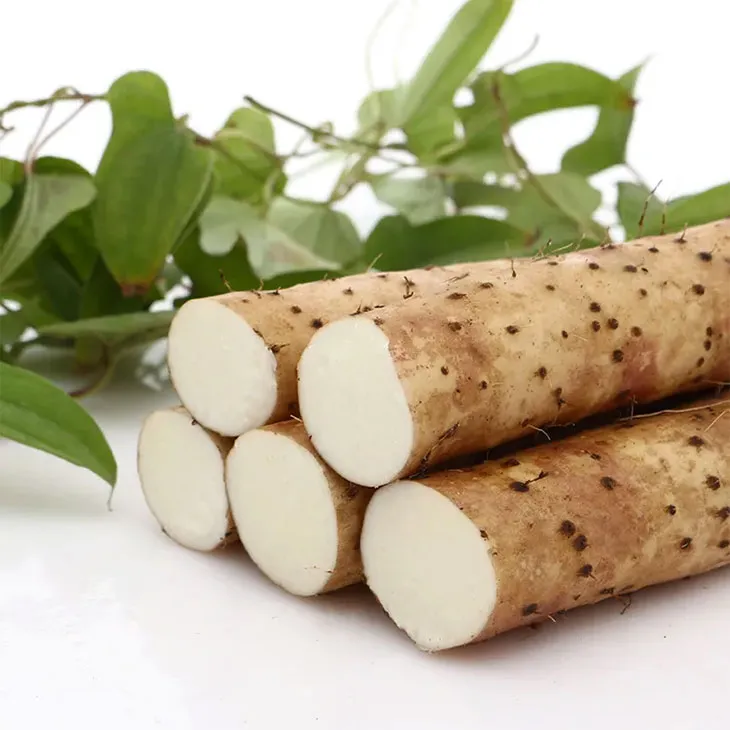
Yams are typically harvested from the ground. The harvesting process needs to be carefully timed to ensure that the yams are at the optimal stage of maturity. Over - harvesting or under - harvesting can both have negative impacts on the quality of the Yam Extract. For example, if yams are harvested too early, they may not have developed the full range of nutrients, while over - harvested yams may be damaged or have started to decay.

2.2 Cleaning and Sorting
Once harvested, yams need to be thoroughly cleaned to remove dirt, debris, and any surface contaminants. Sorting is also an important step, where damaged or diseased yams are separated from the healthy ones. This step is crucial as it directly affects the quality of the raw material for the extract process.

2.3 Extraction
There are various methods of Yam Extraction, such as solvent extraction and mechanical extraction. Solvent extraction often uses solvents like ethanol to draw out the active compounds from the yam. Mechanical extraction, on the other hand, may involve processes like pressing to obtain the extract. The choice of extraction method depends on factors such as the desired quality of the extract, cost, and environmental considerations.
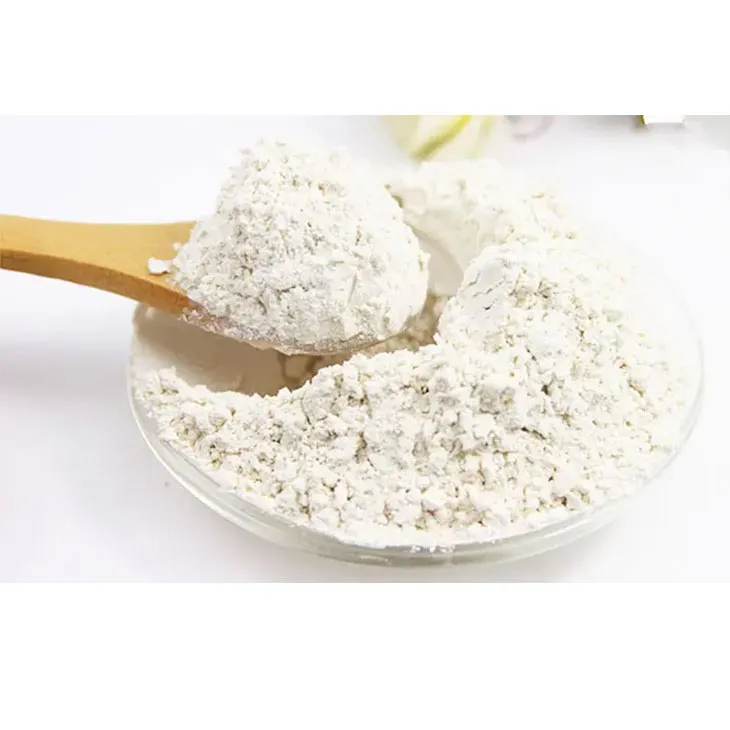
2.4 Purification and Concentration
After extraction, the Yam Extract may contain impurities that need to be removed through purification processes. This can involve filtration, chromatography, or other techniques. Concentration is also often necessary to increase the potency of the extract. The purified and concentrated extract is then ready for further processing or packaging.3. Quality Control in the Yam Extract Process
3.1 For Raw Material Suppliers
Raw material suppliers play a fundamental role in ensuring the quality of Yam Extract. They need to adhere to strict agricultural practices to grow high - quality yams. This includes proper soil management, pest control, and irrigation. For example, soil with the right nutrient balance will result in yams with better nutritional content. In terms of pest control, the use of pesticides needs to be carefully regulated to avoid residue in the yams.- Supplier quality control also involves regular testing of the yams for contaminants such as heavy metals and pesticides.
- They should have proper storage facilities to prevent spoilage and maintain the freshness of the yams before delivery.
3.2 For Partners
Partners in the Yam Extract process, which may include manufacturers and processors, have different aspects of quality control. They need to ensure that the extraction process is carried out under hygienic conditions. This means maintaining clean equipment, proper ventilation in the production facilities, and trained staff.- Partners are also responsible for the quality of the extraction methods used. For example, if solvent extraction is employed, they need to ensure that the solvents are of high purity and that the extraction parameters are optimized to obtain a high - quality extract.
- Quality control during purification and concentration steps is crucial for partners. They need to monitor the removal of impurities and the proper concentration levels to meet the required product specifications.
4. Production Capabilities
4.1 Raw Material Suppliers
Raw material suppliers' production capabilities are mainly focused on yam cultivation. Their ability to produce a sufficient quantity of high - quality yams depends on factors such as the size of their farms, the availability of labor, and the efficiency of their farming techniques.- Large - scale suppliers may have an advantage in terms of quantity, but they also need to ensure consistent quality across their production.
- Some suppliers may specialize in certain varieties of yams, which can affect their production capabilities in terms of meeting specific market demands for different yam - based products.
4.2 Partners
Partners' production capabilities are more related to the processing of Yam Extract. This includes their capacity for extraction, purification, and concentration.- Manufacturers with advanced extraction equipment can handle larger volumes of yams and produce extract more efficiently. For example, modern solvent extraction systems can extract a higher percentage of active compounds compared to traditional methods.
- Partners also need to have the ability to scale up or down their production according to market demand. This requires flexibility in their production processes and investment in adaptable equipment.
5. Cost - Effectiveness
5.1 Raw Material Suppliers
For raw material suppliers, cost - effectiveness is related to their farming practices. Cost - saving measures can include efficient use of fertilizers, reducing water waste in irrigation, and optimizing labor costs.- By using precision agriculture techniques, suppliers can target the application of fertilizers and pesticides more accurately, reducing unnecessary costs.
- Economies of scale can also play a role for larger suppliers. They can negotiate better prices for raw materials such as seeds and fertilizers due to their large - scale purchases.
5.2 Partners
Partners need to consider cost - effectiveness in their processing operations. This includes the cost of equipment, energy consumption, and labor.- Investing in energy - efficient extraction and purification equipment can reduce long - term energy costs. For example, some modern extraction machines use less electricity while achieving higher extraction yields.
- Optimizing labor productivity through proper training and process streamlining can also contribute to cost - effectiveness. Partners need to find the balance between quality and cost in their production processes.
6. Importance of Distinguishing between Partners and Raw Material Suppliers
Distinguishing between partners and raw material suppliers is essential for several reasons.
- Quality Assurance: By clearly defining the roles and responsibilities of each party, it becomes easier to ensure the overall quality of the Yam Extract product. Each stage of the process, from yam cultivation to final extract production, can be better monitored and controlled.
- Supply Chain Efficiency: Understanding the differences helps in streamlining the supply chain. Suppliers can focus on providing high - quality raw materials, while partners can concentrate on efficient processing, leading to a more seamless and efficient production process.
- Cost Management: Different cost - effective strategies can be implemented at each level. This allows for better overall cost control in the Yam Extract production, which is crucial for competitiveness in the market.
7. Conclusion
In the Yam Extract process, partners and raw material suppliers play distinct but equally important roles. Understanding the differences in quality control, production capabilities, and cost - effectiveness between them is vital for businesses operating in this industry. By making these distinctions, companies can make more informed decisions, optimize their production processes, ensure product quality, and enhance their competitiveness in the market.
FAQ:
What are the key differences in quality control between partners and raw material suppliers in the Yam Extract process?
Partners in the Yam Extract process may have a more comprehensive quality control system. They are often involved in multiple stages of the production, from the selection of yam raw materials to the final extract product. They may have their own quality standards and testing procedures throughout the entire process. On the other hand, raw material suppliers mainly focus on the quality of the raw yams. Their quality control may be limited to ensuring that the yams meet certain basic standards such as freshness, absence of diseases, and proper storage conditions. However, they may not be as concerned with the quality aspects that arise during the extraction process itself.
How do the production capabilities of partners and raw material suppliers differ in the Yam Extract industry?
Partners usually have more diverse production capabilities in the Yam Extract industry. They may be equipped with advanced extraction facilities, processing technologies, and a skilled workforce. This allows them to handle various aspects of Yam Extraction, such as purification, concentration, and formulation. In contrast, raw material suppliers are mainly focused on providing the raw yams. Their production capabilities are centered around yam cultivation, harvesting, and basic pre - processing like cleaning and sorting. They may not have the specialized equipment or expertise for the complex extraction and processing operations.
What factors contribute to the cost - effectiveness differences between partners and raw material suppliers in the Yam Extract process?
For partners, their cost - effectiveness may be influenced by factors such as economies of scale in extraction and processing, efficient use of resources, and integration of different production stages. They can optimize the overall production process to reduce costs. For example, they can reuse by - products or waste from the extraction process. Raw material suppliers' cost - effectiveness mainly depends on factors related to yam cultivation. These include land costs, labor for farming, and input costs for fertilizers and pesticides. Since they are only involved in the initial stage of providing raw materials, their cost - structure is different from that of partners who are engaged in the entire value - chain of Yam Extract production.
How can businesses ensure reliable cooperation with partners in the Yam Extract process?
Businesses can ensure reliable cooperation with partners in the Yam Extract process by first conducting thorough due diligence. This includes evaluating the partner's reputation in the industry, their production facilities, and quality control measures. Clear contracts should be established, outlining the rights and responsibilities of both parties, including aspects such as quality standards, delivery schedules, and pricing mechanisms. Regular communication and monitoring of the partner's performance are also essential. This can involve site visits, audits of production processes, and review of quality reports to ensure that the partner is meeting the agreed - upon terms.
What are the risks associated with choosing raw material suppliers in the Yam Extract process?
One of the main risks is the variability in the quality of the raw yams. Since the quality of the Yam Extract depends largely on the quality of the raw material, any issues with the yams such as inconsistent nutrient content, presence of contaminants, or improper storage can affect the final product. There is also a risk of supply disruptions. Natural disasters, diseases affecting yam crops, or changes in the economic situation of the supplier can lead to shortages in the supply of raw yams. Additionally, if the raw material supplier does not follow proper ethical or sustainable farming practices, it can pose a risk to the brand image of the business using their raw materials.
Related literature
- Advanced Yam Extract Production Technologies"
- "Quality Assurance in Yam - Based Products"
- "The Economics of Yam Extract Supply Chain"


-

Resveratrol Extract
2024-12-07
-

Dan Shen Root Extract/Salvia Root Extract
2024-12-07
-

Beetroot Powder
2024-12-07
-

Andrographis Paniculata Extract Powder
2024-12-07
-

Aged Garlic Extract
2024-12-07
-

Polygonum multiflorum extract
2024-12-07
-

White Peony Extract
2024-12-07
-

Ginseng Root Extract
2024-12-07
-

Tinospora cordifolia extract
2024-12-07
-

Beta Carotene
2024-12-07