


Introduction
Herbal ingredients have been used for centuries in various aspects of human life, including medicine, cosmetics, and food. Among these, Yellow Pine Extract has gained significant attention in recent years. However, it is essential to compare it with other herbal ingredients to determine which one might "dominate" in different contexts. This article will explore this question from multiple angles, considering factors such as availability, potency, and the research behind these ingredients.
Availability of Yellow Pine Extract and Other Herbal Ingredients
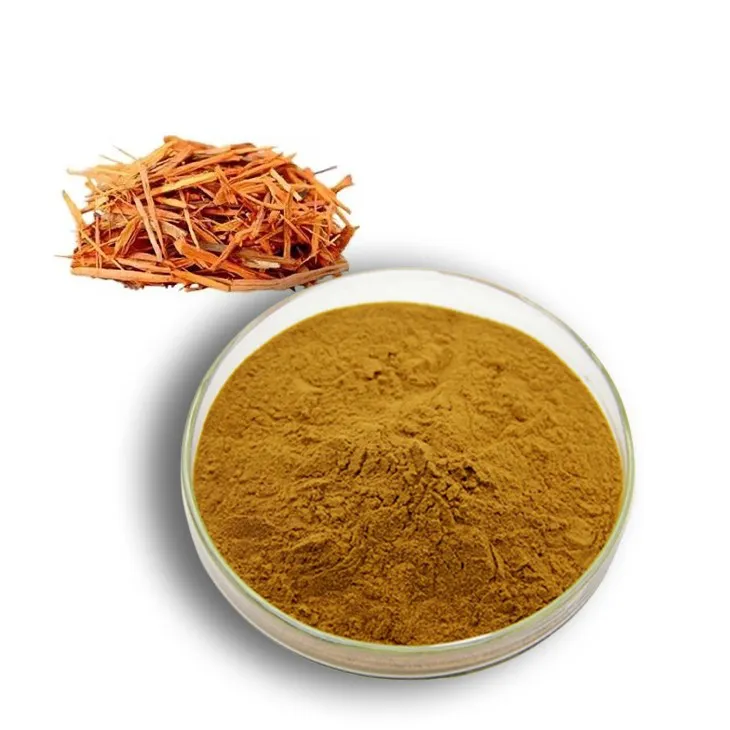
Yellow Pine Extract
Yellow pine trees are widespread in certain regions, which provides a relatively stable source for the extraction of its active components. However, the extraction process can be complex and requires specific techniques to obtain high - quality extract. Moreover, environmental factors and conservation efforts may also impact the availability of Yellow Pine Extract in the long run. For example, in areas where yellow pine forests are protected, strict regulations may limit large - scale extraction.
Other Common Herbal Ingredients
- Ginseng: Ginseng is widely cultivated in many parts of the world, especially in Asia. The large - scale cultivation has made it relatively easily available in the market. However, the quality of ginseng can vary greatly depending on factors such as the growing conditions and the age of the plant.
- Echinacea: Native to North America, echinacea has been popularized globally. It can be both wild - harvested and cultivated. The availability of echinacea is relatively good, but concerns about over - harvesting of wild species have led to increased efforts in sustainable cultivation.
- Chamomile: Chamomile is a common herb that grows in many regions. It is easy to cultivate, and its availability is high. It can be found in various forms, from dried flowers to essential oils, in the market.
Potency of Yellow Pine Extract and Other Herbal Ingredients
Yellow Pine Extract
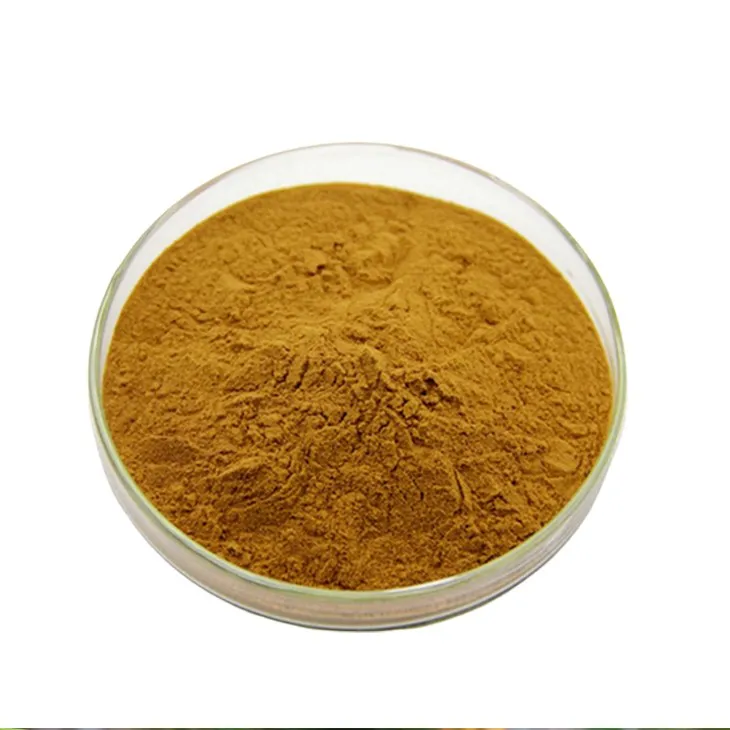
Yellow Pine Extract contains a variety of bioactive compounds, such as flavonoids and phenolic acids. These components have shown potential antioxidant, anti - inflammatory, and antimicrobial properties. In vitro studies have demonstrated that certain compounds in Yellow Pine Extract can inhibit the growth of harmful microorganisms. However, more research is needed to fully understand its potency in vivo and its long - term effects on human health.

Other Common Herbal Ingredients
- Ginseng: Ginseng is known for its adaptogenic properties. It is believed to help the body adapt to stress and improve overall vitality. The active compounds in ginseng, such as ginsenosides, have been extensively studied. They can affect the nervous system, immune system, and metabolism, showing potential in enhancing cognitive function, boosting the immune system, and regulating blood sugar levels.
- Echinacea: Echinacea is often used for its immune - enhancing effects. Its main active components, including alkylamides and polysaccharides, are thought to stimulate the immune system. Studies have shown that echinacea can increase the production of white blood cells and enhance the immune response, especially during the early stages of infection.
- Chamomile: Chamomile has a reputation for its calming and anti - inflammatory properties. The flavonoids and terpenoids in chamomile are responsible for these effects. It can be used to relieve anxiety, promote sleep, and soothe skin inflammation. For example, chamomile tea is a popular remedy for relaxation.
Research Behind Yellow Pine Extract and Other Herbal Ingredients
Yellow Pine Extract
Research on Yellow Pine Extract is still in its relatively early stages. Although initial studies have shown promising results regarding its antioxidant and antimicrobial properties, there are gaps in our understanding. For example, the mechanisms by which its compounds interact with human cells need further exploration. Additionally, most of the current research is based on in vitro or animal studies, and more human clinical trials are required to confirm its safety and efficacy.
Other Common Herbal Ingredients
- Ginseng: Ginseng has a long history of research. Decades of scientific investigations have been carried out on its chemical composition, pharmacological effects, and clinical applications. There are numerous studies on its effects on various health conditions, from cancer prevention to improving cardiovascular health. However, some of the results are still controversial, and more research is needed to clarify the optimal dosage and long - term effects.
- Echinacea: Echinacea has also been the subject of extensive research. Scientists have studied its immune - enhancing mechanisms, as well as its potential applications in treating and preventing infections. While some studies support its efficacy, others have shown inconsistent results. This may be due to differences in the species of echinacea used, the extraction methods, or the study populations.
- Chamomile: Research on chamomile has focused on its anti - inflammatory, antioxidant, and sedative properties. There are a significant number of studies, both in vitro and in vivo, that support its traditional uses. However, like other herbal ingredients, more research is needed to fully understand its mechanisms of action and to ensure its safety for all populations, especially those with certain medical conditions.
Functionality in Traditional and Modern Medicine
Yellow Pine Extract
In traditional medicine, Yellow Pine Extract has been used in some indigenous cultures for treating minor wounds and skin infections. In modern medicine, the potential antioxidant and antimicrobial properties of Yellow Pine Extract make it a candidate for the development of new drugs or as an ingredient in topical medications. However, its use in mainstream medicine is still limited due to the lack of comprehensive research.
Other Common Herbal Ingredients
- Ginseng: In traditional Asian medicine, ginseng has been used for thousands of years to treat a variety of ailments, from fatigue to impotence. In modern medicine, it is being studied for its potential in preventing and treating chronic diseases such as diabetes, cancer, and neurodegenerative disorders. Ginseng - based products are also available in the form of dietary supplements.
- Echinacea: Traditionally used by Native Americans for treating infections and wounds, echinacea has become a popular herbal remedy for colds and flu in modern Western medicine. It is available in various forms, including tablets, capsules, and tinctures, and is often recommended as a natural way to boost the immune system.
- Chamomile: Chamomile has a long - standing tradition in both Western and Eastern medicine for its calming and digestive properties. In modern medicine, it is used in the form of herbal teas, essential oils, and topical creams for treating skin conditions, insomnia, and digestive problems.
Safety of Yellow Pine Extract and Other Herbal Ingredients
Yellow Pine Extract
Although Yellow Pine Extract has shown potential health benefits, its safety also needs to be carefully considered. Some people may be allergic to the components in the extract. Additionally, since the research on its long - term use is limited, potential side effects from chronic exposure are not fully understood. Therefore, it is important to conduct more safety studies before its widespread use.
Other Common Herbal Ingredients
- Ginseng: Ginseng is generally considered safe when used appropriately. However, high doses may cause side effects such as insomnia, nervousness, and increased blood pressure. People with certain medical conditions, such as hypertension or diabetes, should consult their doctors before using ginseng supplements.
- Echinacea: Echinacea is also relatively safe for most people. However, some individuals may experience allergic reactions, such as skin rashes or itching. There are also concerns about its potential interactions with certain medications, so it is advisable to consult a healthcare provider if taking other drugs.
- Chamomile: Chamomile is safe for most people, but in rare cases, it may cause allergic reactions. It may also interact with some medications, such as blood thinners, so caution should be exercised when using chamomile products in combination with other drugs.
Popularity in the Cosmetic and Food Industries
Yellow Pine Extract
In the cosmetic industry, Yellow Pine Extract is starting to gain some attention due to its antioxidant properties. It has the potential to be used in anti - aging products to protect the skin from oxidative damage. In the food industry, it could be used as a natural preservative, but its use is not yet widespread due to regulatory and cost - related factors.
Other Common Herbal Ingredients
- Ginseng: Ginseng is a popular ingredient in the cosmetic industry, especially in products aimed at improving skin elasticity and reducing wrinkles. In the food industry, ginseng - flavored products, such as ginseng tea and ginseng - infused energy drinks, are widely available.
- Echinacea: In the cosmetic industry, echinacea is sometimes used in products for its skin - soothing properties. In the food industry, it can be found in some herbal teas and dietary supplements.
- Chamomile: Chamomile is extremely popular in the cosmetic industry, especially in products for sensitive skin. Its anti - inflammatory and calming properties make it a desirable ingredient in creams, lotions, and facial masks. In the food industry, chamomile tea is a well - known and widely consumed beverage.
Conclusion
Each herbal ingredient, including Yellow Pine Extract and others like ginseng, echinacea, and chamomile, has its own unique characteristics in terms of availability, potency, research, functionality, safety, and popularity. There is no clear - cut answer as to which one "dominates." It depends on the specific application, whether it is in medicine, cosmetics, or food. As research continues to advance, our understanding of these herbal ingredients will become more comprehensive, and their potential uses will be further explored. In the future, it is likely that a combination of different herbal ingredients will be used to achieve optimal results in various fields.
FAQ:
1. What makes Yellow Pine Extract different from other herbal ingredients in terms of availability?
Yellow Pine Extract may be sourced from specific regions where pine trees are abundant. Its availability can be affected by factors such as the location of pine forests, harvesting regulations, and extraction methods. In contrast, other herbal ingredients may be sourced from a wider variety of habitats around the world. Some herbs might be more easily cultivated, leading to greater availability in certain areas. For example, herbs like mint can be grown in many home gardens, while Yellow Pine Extract requires access to pine trees, which are not as ubiquitously cultivated.
2. How is the potency of Yellow Pine Extract compared to other common herbal ingredients?
The potency of Yellow Pine Extract varies depending on its chemical composition. It contains compounds such as flavonoids and terpenes that contribute to its potential effects. Compared to other herbal ingredients, some may have stronger or more targeted potencies. For instance, turmeric contains Curcumin, which is known for its anti - inflammatory properties and is highly potent in that regard. However, Yellow Pine Extract may have unique potencies in areas such as antioxidant activity. The measurement of potency also depends on the method of extraction and the part of the plant used. Different herbal ingredients are often studied for different health benefits, making direct comparisons of potency complex.
3. What research exists to support the functionality of Yellow Pine Extract over other herbal ingredients?
Research on Yellow Pine Extract has focused on its antioxidant, anti - inflammatory, and antimicrobial properties. Some studies have shown that its compounds can scavenge free radicals effectively. However, many other herbal ingredients also have substantial research support for their functionality. For example, ginseng has been extensively studied for its adaptogenic properties. Comparing the two, while Yellow Pine Extract shows promise in certain areas, the body of research for ginseng in traditional medicine and modern scientific studies is also significant. The research on each herbal ingredient is often specific to the potential health benefits it is hypothesized or known to possess.
4. Are there safety concerns associated with Yellow Pine Extract that are different from other herbal ingredients?
Yellow Pine Extract may have some safety concerns related to potential allergic reactions, especially in individuals sensitive to pine products. Additionally, if not properly processed, it could contain contaminants. In comparison, other herbal ingredients also have their own safety profiles. For example, St. John's Wort can interact with certain medications. Some herbal ingredients may be toxic in large amounts. However, the safety of Yellow Pine Extract, like other herbs, depends on proper dosage, quality control during extraction, and individual sensitivities.
5. How popular is Yellow Pine Extract in traditional medicine compared to other herbal ingredients?
In some traditional medicine systems, Yellow Pine Extract may have been used for treating various ailments. However, it may not be as well - known or widely used as some other herbal ingredients in traditional medicine. For example, in Chinese traditional medicine, herbs like ginseng, astragalus, and licorice have a long history of use and are more commonly mentioned. In Native American traditional medicine, Yellow Pine may have been used, but other herbs are also prominent. The popularity of an herbal ingredient in traditional medicine often depends on the cultural context, availability in the local area, and the knowledge passed down through generations.
Related literature
- The Therapeutic Potential of Yellow Pine Extract: A Review"
- "Comparative Analysis of Herbal Ingredients in Modern Medicine"
- "Herbal Ingredients in Traditional Medicine: A Global Perspective"


-

Acerola Juice Powder
2024-12-11
-

Sophora Flavescens Root Extract
2024-12-11
-

Oyster Peptide
2024-12-11
-

Garcinia Cambogia Extract
2024-12-11
-

Ivy Extract
2024-12-11
-

Coconut Water Powder
2024-12-11
-

Berberis aristata Extract
2024-12-11
-

Scutellaria Extract
2024-12-11
-

Maca Extract
2024-12-11
-

Lily extract
2024-12-11