


1. Introduction to Pine bark Extract Powder Processing
Pine bark Extract Powder has been gaining significant attention in various industries, including the pharmaceutical, cosmetic, and dietary supplement sectors. The processing of Pine bark Extract Powder involves a series of complex procedures that transform the raw pine bark into a valuable and highly concentrated powder form. This form is rich in bioactive compounds, such as proanthocyanidins, which are known for their antioxidant, anti - inflammatory, and cardiovascular - protective properties.
The process typically begins with the collection of pine bark from suitable pine tree species. It is crucial to source the bark sustainably to ensure the long - term availability of this natural resource. Once collected, the bark undergoes initial cleaning to remove any debris, dirt, or foreign materials. This step is essential as it helps to maintain the purity of the final extract powder.
2. Question 1: What are the Raw Materials and Their Quality Requirements?
2.1 The Ideal Pine Tree Species
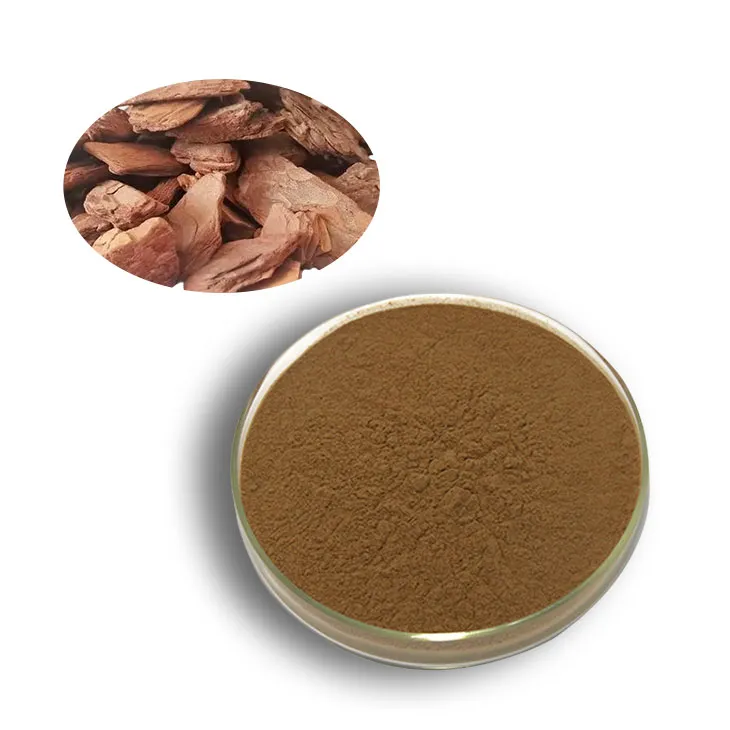
Not all pine tree species are suitable for Pine bark Extract Powder processing. Some of the preferred species include Pinus pinaster and Pinus maritima. These species are known to have a relatively high content of bioactive compounds in their bark. The age of the pine tree also matters. Generally, older trees tend to have a more concentrated and diverse range of beneficial compounds in their bark. However, sustainable harvesting practices must be adhered to, which often limit the harvesting of very old trees.
2.2 Quality Control of Raw Materials
Before processing, the raw pine bark must meet certain quality standards. This includes being free from contaminants such as pesticides, heavy metals, and fungal infections. Testing for these contaminants is a critical part of the quality control process. For example, spectroscopic techniques can be used to detect the presence of heavy metals, and microbiological assays can identify fungal or bacterial contamination. Additionally, the moisture content of the bark needs to be within a certain range. If the moisture content is too high, it can lead to issues during processing, such as mold growth or inefficient extraction.
3. Question 2: What are the Main Processing Stages?
3.1 Extraction
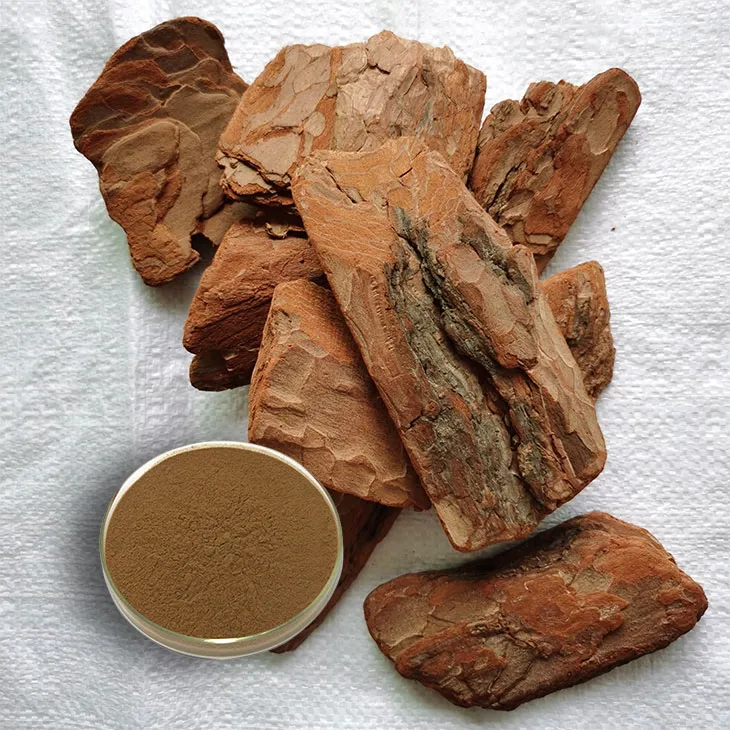
The extraction stage is one of the most crucial steps in Pine bark Extract Powder processing. There are different methods of extraction, with solvent extraction being the most commonly used. Solvents such as ethanol or water - ethanol mixtures are often employed. The choice of solvent depends on various factors, including the solubility of the desired bioactive compounds and the safety and environmental impact of the solvent. During extraction, the pine bark is soaked in the solvent for a specific period, allowing the bioactive compounds to dissolve into the solvent. This is typically followed by filtration to separate the liquid extract from the solid residue of the bark.
3.2 Concentration
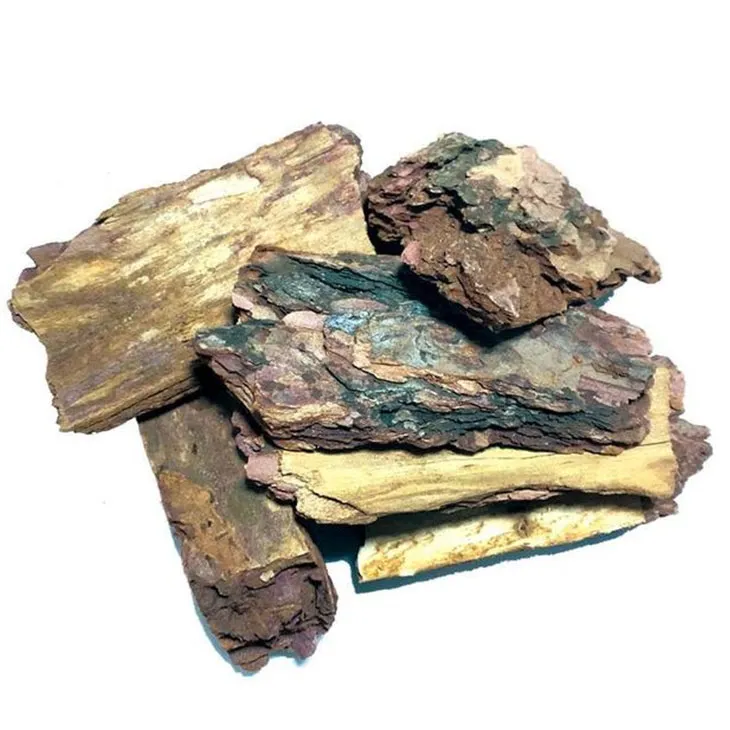
After extraction, the resulting liquid extract usually contains a relatively low concentration of the bioactive compounds. The concentration step is then carried out to increase the potency of the extract. This can be achieved through techniques such as evaporation under reduced pressure. By reducing the volume of the solvent, the concentration of the bioactive compounds in the remaining liquid increases. However, care must be taken during this process to avoid over - heating, which could potentially damage the bioactive compounds.
3.3 Drying
Once the extract has been concentrated, the next step is drying to convert it into a powder form. Drying methods include spray drying and freeze - drying. Spray drying is a more cost - effective and widely used method in industrial settings. In spray drying, the concentrated extract is sprayed into a hot air chamber, where the solvent rapidly evaporates, leaving behind a fine powder. Freeze - drying, on the other hand, is a gentler method that preserves the structure and activity of the bioactive compounds better. However, it is more expensive and time - consuming.
4. Question 3: What are the Potential Challenges in Processing?
4.1 Maintaining Bioactivity
One of the major challenges in Pine bark Extract Powder processing is maintaining the bioactivity of the bioactive compounds throughout the process. High temperatures, improper solvents, or long processing times can all lead to the degradation of these compounds. For example, proanthocyanidins are sensitive to heat, and if the drying temperature is too high during spray drying, their antioxidant activity may be significantly reduced. Therefore, careful optimization of processing conditions is required to ensure maximum bioactivity retention.
4.2 Contamination Risks
As with any natural product processing, there are contamination risks. Cross - contamination from other plant materials or chemicals used in the processing facility can occur. For instance, if the same equipment is used for processing different types of extracts without proper cleaning, there is a risk of contaminating the Pine bark Extract Powder. Additionally, microbial contamination can be a problem, especially if proper hygiene and quality control measures are not in place during the processing stages.
4.3 Variability in Raw Material Composition
The composition of pine bark can vary depending on factors such as the tree species, geographical location, and season of harvest. This variability can pose challenges in achieving consistent product quality. For example, the concentration of proanthocyanidins may be higher in pine bark harvested from a certain region compared to another. Processors need to account for this variability through careful sourcing and blending of raw materials, as well as implementing strict quality control measures.
5. Question 4: What are the Benefits of Pine bark Extract Powder?
5.1 Health - related Benefits
Pine bark Extract Powder offers numerous health - related benefits. As mentioned earlier, its high content of proanthocyanidins provides antioxidant activity. This helps to neutralize free radicals in the body, which are associated with various diseases, including cancer, cardiovascular diseases, and neurodegenerative disorders. Additionally, it has anti - inflammatory properties, which can be beneficial for conditions such as arthritis and inflammatory bowel disease. Some studies have also suggested that pine bark extract may improve blood circulation and reduce blood pressure.
5.2 Applications in Cosmetics
In the cosmetics industry, Pine bark Extract Powder is a valuable ingredient. Its antioxidant and anti - inflammatory properties make it suitable for use in anti - aging products. It can help to reduce wrinkles, improve skin elasticity, and protect the skin from environmental damage, such as UV radiation. It is also used in hair care products, where it can strengthen hair follicles and improve hair shine.
5.3 Use in Dietary Supplements
As a dietary supplement, Pine bark Extract Powder is becoming increasingly popular. It can be formulated into capsules, tablets, or powders. Consumers are attracted to its natural origin and the potential health benefits it offers. Dietary supplements containing pine bark extract are often marketed for their antioxidant, anti - inflammatory, and cardiovascular - protective effects.
6. Question 5: How is the Quality of Pine bark Extract Powder Assessed?
6.1 Chemical Analysis
Chemical analysis is a fundamental method for assessing the quality of Pine bark Extract Powder. Techniques such as high - performance liquid chromatography (HPLC) are used to determine the concentration of bioactive compounds, such as proanthocyanidins. HPLC can separate and quantify different components in the extract, providing accurate information about its chemical composition. Other methods, such as gas chromatography - mass spectrometry (GC - MS), can be used to detect and quantify volatile compounds in the extract.
6.2 Biological Activity Testing
In addition to chemical analysis, biological activity testing is also important. Antioxidant activity assays, such as the DPPH (2,2 - diphenyl - 1 - picrylhydrazyl) assay are commonly used to evaluate the antioxidant capacity of the Pine bark Extract Powder. Anti - inflammatory assays, such as the inhibition of cytokine production in cell - based models, can also be carried out to assess its anti - inflammatory properties. These biological activity tests provide a more comprehensive understanding of the functionality of the extract powder.
6.3 Microbiological Testing
Microbiological testing is essential to ensure the safety of Pine bark Extract Powder. Tests for total viable count, yeast and mold count, and detection of pathogenic bacteria are carried out. The presence of excessive microorganisms in the powder can pose a health risk to consumers. Therefore, strict microbiological standards must be met for the product to be considered safe for consumption or use in cosmetics and dietary supplements.
7. Question 6: What are the Future Trends in Pine bark Extract Powder Processing?
7.1 Green Processing Technologies
There is a growing trend towards the development and application of green processing technologies in Pine bark Extract Powder processing. This includes the use of supercritical fluid extraction as an alternative to traditional solvent extraction methods. Supercritical fluids, such as carbon dioxide, offer several advantages, including being non - toxic, non - flammable, and environmentally friendly. They can also provide more selective extraction of bioactive compounds, resulting in a higher - quality extract.
7.2 Functional Food and Nutraceutical Applications
The demand for functional foods and nutraceuticals is increasing, and Pine bark Extract Powder is well - positioned to be a part of this trend. Future developments may focus on formulating Pine bark Extract Powder into more innovative food and beverage products that offer specific health benefits. For example, it could be incorporated into energy bars, sports drinks, or functional yogurts.
7.3 Standardization and Regulation
As the use of Pine bark Extract Powder in various industries grows, there will be a greater need for standardization and regulation. This will ensure consistent product quality, safety, and proper labeling for consumers. Regulatory bodies are likely to become more involved in setting standards for raw material sourcing, processing methods, and product claims, which will help to build consumer trust in Pine bark Extract Powder - based products.
FAQ:
Question 1: What are the main raw materials for Pine bark Extract Powder processing?
The main raw material is, of course, pine bark. However, it is important to source pine bark from sustainable forests. High - quality pine bark is typically selected, free from excessive contaminants and diseases. This ensures a pure and effective extract powder in the end.
Question 2: What are the key steps in the Pine bark Extract Powder processing?
First, the pine bark is collected and thoroughly washed to remove dirt and debris. Then, it is dried to a proper moisture level. After that, extraction techniques are used, often involving solvents like ethanol or water to draw out the active compounds. The resulting extract is then concentrated and finally dried into a powder form, usually through processes such as spray - drying or freeze - drying.
Question 3: What are the potential health benefits of Pine bark Extract Powder?
Pine bark Extract Powder is rich in antioxidants, such as proanthocyanidins. These antioxidants can help fight against free radicals in the body, which may reduce the risk of chronic diseases. It may also have anti - inflammatory properties, potentially helping with conditions like arthritis. Additionally, it could improve blood circulation and support cardiovascular health.
Question 4: What are the challenges in Pine bark Extract Powder processing?
One of the main challenges is ensuring the consistency of the extract. Different batches of pine bark may vary in composition, which can affect the final product. Also, the extraction process needs to be carefully controlled to avoid over - extraction or under - extraction. Another challenge is dealing with potential contaminants, such as pesticides or heavy metals that might be present in the pine bark if not sourced properly.
Question 5: How is the quality of Pine bark Extract Powder controlled?
Quality control starts from the sourcing of the pine bark. Suppliers need to be vetted to ensure the pine bark is of high quality. During processing, strict parameters are set for each step, such as temperature, pressure, and extraction time. Analytical methods, like HPLC (High - Performance Liquid Chromatography), are used to analyze the composition of the extract powder to ensure it meets the required standards.
Related literature
- Pine Bark Extract: From Tree to Therapeutic Agent"
- "Processing and Quality Assurance of Natural Extract Powders: A Focus on Pine Bark"
- "The Science behind Pine bark Extract Powder Processing"


-

Sugarcane Extract
2024-12-07
-

Golden Seal Extract
2024-12-07
-

Boswellia Serrata Extract
2024-12-07
-

Avocado Extract Powder
2024-12-07
-

Troxerutin
2024-12-07
-

Natural grape seed extract
2024-12-07
-

Fenugreek Extract Powder
2024-12-07
-

Kupilu Extract
2024-12-07
-

Coenzyme Q10
2024-12-07
-

Maca Extract
2024-12-07