


1. Introduction to Mulberry leaf Extract Powder
Mulberry leaf Extract powder has gained significant attention in recent years due to its various potential health benefits. Mulberry leaves are rich in nutrients such as flavonoids, alkaloids, and polysaccharides. These components are believed to have antioxidant, anti - diabetic, and anti - hyperlipidemic properties. The extraction of these beneficial substances from mulberry leaves and the conversion into powder form make it more convenient for use in different industries, including the food, pharmaceutical, and cosmetic sectors.
2. Question 1: What is the Basic Technological Process of Mulberry leaf Extract Powder Processing?
2.1. Raw Material Selection
The first step in processing Mulberry leaf Extract powder is the careful selection of raw materials. High - quality mulberry leaves are crucial. Fresh and healthy leaves are preferred, preferably those from organically grown mulberry trees. This ensures that the final product is free from pesticides and other contaminants.
2.2. Cleaning
After collection, the mulberry leaves need to be thoroughly cleaned. This involves removing dirt, debris, and any other impurities. Proper cleaning helps to maintain the purity of the product and prevent any unwanted substances from entering the extraction process.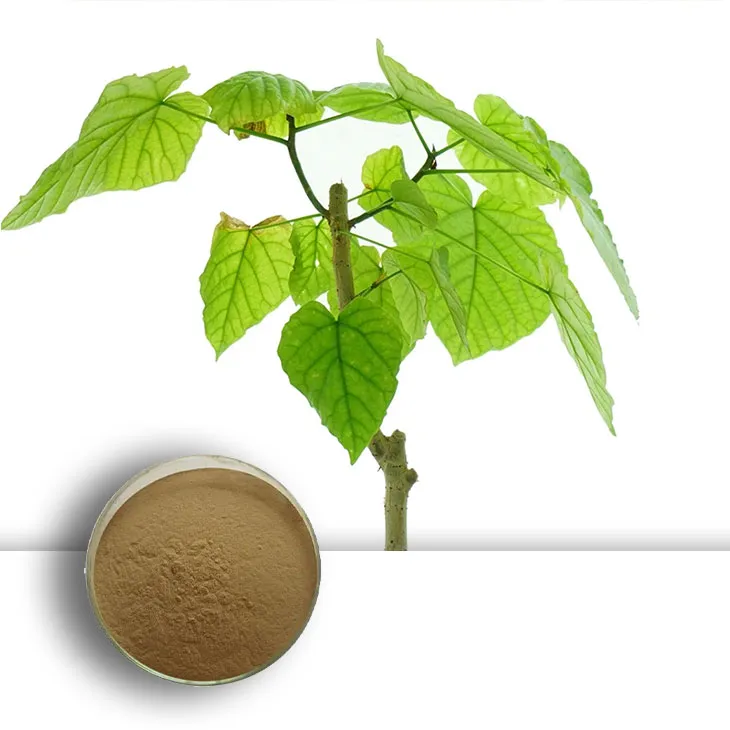
2.3. Drying
Once cleaned, the leaves are dried. There are different drying methods available, such as air - drying, sun - drying, and drying using specialized equipment. Drying reduces the moisture content of the leaves, which is important for the subsequent extraction process. For example, in air - drying, the leaves are spread out in a well - ventilated area until the moisture content reaches an appropriate level.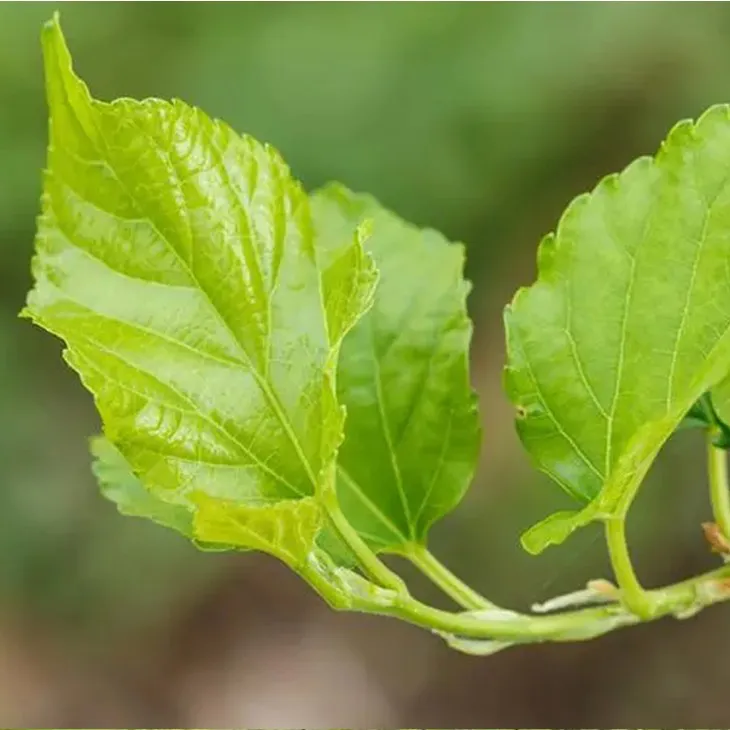
2.4. Extraction
The dried mulberry leaves are then subjected to extraction. This can be done using solvents such as water, ethanol, or a combination of both. The choice of solvent depends on the target components to be extracted. For instance, if the aim is to extract flavonoids, a suitable solvent system needs to be selected. The extraction process may involve techniques like maceration, percolation, or Soxhlet extraction.2.5. Concentration
After extraction, the resulting solution is often concentrated. This is done to increase the concentration of the active components in the solution. Concentration methods can include evaporation under reduced pressure or other techniques that can effectively remove the solvent while retaining the desired substances.2.6. Drying into Powder
Finally, the concentrated extract is dried into powder form. This can be achieved through spray - drying or freeze - drying. Spray - drying is a common method where the liquid extract is sprayed into a hot air stream, and the water evaporates quickly, leaving behind the powder. Freeze - drying, on the other hand, involves freezing the extract first and then removing the ice by sublimation under vacuum conditions, resulting in a high - quality powder with well - preserved active components.3. Question 2: What are the Safety Considerations in Mulberry leaf Extract Powder Processing?
3.1. Pesticide Residues
As mentioned earlier, when selecting raw materials, special attention should be paid to pesticide residues. Mulberry leaves may be exposed to pesticides during cultivation. To ensure the safety of the extract powder, strict quality control measures should be implemented. This includes testing the raw materials for pesticide residues and only using leaves that meet the safety standards.3.2. Solvent Residues
Since solvents are used in the extraction process, there is a possibility of solvent residues remaining in the final product. Therefore, it is essential to ensure that the extraction and drying processes are carefully controlled to minimize solvent residues. For example, proper drying conditions should be maintained to completely remove the solvent used.3.3. Microbial Contamination
Throughout the processing, there is a risk of microbial contamination. This can occur during any stage, from raw material handling to the final packaging. To prevent this, good manufacturing practices (GMP) should be followed. This includes maintaining a clean and hygienic processing environment, sterilizing equipment regularly, and ensuring proper storage conditions for both raw materials and the final product.3.4. Allergenicity
Some individuals may be allergic to components in mulberry leaves. Although Mulberry leaf Extract powder is generally considered safe, it is necessary to label the product clearly, indicating any potential allergens. This helps consumers with allergies to make informed decisions.4. Question 3: How to Ensure the Quality of Mulberry leaf Extract Powder?
4.1. Standardized Production Processes
Implementing standardized production processes is crucial for ensuring quality. This means following strict protocols at each stage of processing, from raw material selection to final product packaging. For example, having a well - defined extraction procedure in terms of solvent type, extraction time, and temperature can help to ensure consistent quality.4.2. Quality Testing
Regular quality testing should be carried out. This includes testing for the presence and concentration of active components, such as flavonoids and alkaloids. Additionally, tests for contaminants like pesticides, heavy metals, and microbial organisms should be performed. Quality testing laboratories equipped with advanced analytical instruments are essential for accurate and reliable results.4.3. Certification
Obtaining relevant certifications can also be an indication of product quality. For example, certifications such as Good Manufacturing Practice (GMP), Hazard Analysis and Critical Control Points (HACCP), and organic certifications can enhance the credibility of the Mulberry leaf Extract powder product. These certifications show that the product has been produced in accordance with strict quality and safety standards.5. Question 4: What are the Market Trends for Mulberry leaf Extract Powder?
5.1. Increasing Demand in the Health and Wellness Industry
The health and wellness industry has witnessed a growing trend in the use of natural products. Mulberry leaf Extract powder, with its potential health - promoting properties, is increasingly being incorporated into dietary supplements. Consumers are becoming more health - conscious and are seeking natural alternatives to manage various health conditions, such as diabetes and high cholesterol.5.2. Application in the Food Industry
In the food industry, Mulberry leaf Extract powder is finding new applications. It can be used as a natural food additive, for example, in the production of functional foods. Its antioxidant properties can help to extend the shelf - life of food products. Additionally, it can be added to beverages, such as teas and juices, to enhance their nutritional value.5.3. Cosmetic and Skincare Applications
The cosmetic and skincare sectors are also showing interest in Mulberry leaf Extract powder. Its antioxidant and anti - inflammatory properties make it a potential ingredient in skincare products. It can be used in creams, lotions, and masks to help improve skin health, reduce wrinkles, and protect against skin damage caused by environmental factors.5.4. International Market Expansion
There is a growing international market for Mulberry leaf Extract powder. Asian countries have a long - standing tradition of using mulberry leaves for various purposes. However, in recent years, Western countries are also showing increasing interest. This has led to an expansion of the export market, with more and more companies looking to enter international markets with their Mulberry leaf Extract powder products.6. Question 5: What are the Challenges in Mulberry leaf Extract Powder Processing?
6.1. Optimization of Extraction Processes
One of the main challenges is optimizing the extraction processes. Different components in mulberry leaves may require different extraction conditions. Finding the most efficient and cost - effective extraction methods to obtain high - quality extracts remains a challenge. For example, some extraction methods may result in low yields of certain active components, while others may be too expensive or time - consuming.6.2. Cost - effectiveness
Ensuring cost - effectiveness throughout the processing is also a challenge. The cost of raw materials, solvents, and energy consumption during drying and extraction can significantly impact the overall cost of production. Finding ways to reduce costs without sacrificing product quality is a constant struggle for manufacturers.6.3. Regulatory Compliance
As the market for Mulberry leaf Extract powder expands, regulatory compliance becomes more complex. Different countries may have different regulations regarding the production, labeling, and marketing of such products. Manufacturers need to stay updated with the relevant regulations in each target market to ensure legal compliance.7. Question 6: Future Prospects of Mulberry leaf Extract Powder Processing
7.1. Research and Development
Continued research and development are expected in the field of Mulberry leaf Extract powder processing. New extraction techniques may be discovered that can improve the efficiency and quality of extraction. Additionally, research on the potential health benefits of Mulberry leaf Extract powder may uncover new applications, further expanding its market potential.7.2. Technological Innovations
Technological innovations in processing equipment are likely to play a significant role. For example, the development of more advanced drying and extraction equipment can lead to higher - quality products with lower production costs. This can also help to address some of the challenges faced in current processing methods.7.3. Collaboration and Industry Standards
Collaboration among different stakeholders, including manufacturers, researchers, and regulatory bodies, is crucial for the future of Mulberry leaf Extract powder processing. Establishing industry standards can help to ensure product quality, safety, and regulatory compliance. This can also promote the healthy development of the industry as a whole.8. Conclusion
In conclusion, Mulberry leaf Extract powder processing is a complex but promising field. Understanding the technological processes, safety considerations, quality control, market trends, challenges, and future prospects is essential for those involved in its production, marketing, or use. As the demand for natural products continues to grow, Mulberry leaf Extract powder has the potential to play an increasingly important role in various industries.
FAQ:
Question 1: What is the general technological process of Mulberry leaf Extract powder processing?
The general process starts with the collection of fresh mulberry leaves. Then, these leaves are washed thoroughly to remove dirt, pesticides, and other contaminants. After that, the leaves are dried, usually through methods like air - drying or low - temperature drying to preserve their active ingredients. Next, the dried leaves are ground into a fine powder. This powder is then subjected to extraction using appropriate solvents, often ethanol or water, to isolate the desired compounds. Finally, the extract is further processed, such as through concentration and drying, to obtain the Mulberry leaf Extract powder.
Question 2: What are the main active ingredients in Mulberry leaf Extract powder?
There are several important active ingredients in Mulberry leaf Extract powder. One of the main ones is 1 - deoxynojirimycin (DNJ), which has been shown to have potential health benefits such as blood - sugar - regulating properties. Flavonoids are also present in significant amounts. These flavonoids contribute to the antioxidant activity of the extract, helping to protect cells from oxidative damage. Additionally, Mulberry leaf Extract powder contains alkaloids and polysaccharides which may play roles in various biological functions.
Question 3: How to ensure the safety of Mulberry leaf Extract powder during processing?
To ensure safety during processing, strict quality control measures should be implemented at every stage. For example, during the collection of mulberry leaves, only leaves from pesticide - free or organically - grown sources should be used. The drying process should be carried out under hygienic conditions to prevent microbial growth. When using solvents for extraction, only food - grade solvents should be employed, and any residual solvents should be removed to within acceptable limits. Regular testing for contaminants such as heavy metals and mycotoxins should also be carried out throughout the processing.
Question 4: What are the market trends for Mulberry leaf Extract powder?
The market for Mulberry leaf Extract powder has been growing steadily in recent years. There is an increasing demand in the health and wellness industry, as consumers are becoming more aware of its potential health benefits. It is being used in various products such as dietary supplements, functional foods, and beverages. In the cosmetics industry, Mulberry leaf Extract powder is also gaining popularity due to its antioxidant properties which can be beneficial for skin health. Additionally, with the rise in interest in natural and plant - based products, the market for Mulberry leaf Extract powder is expected to continue to expand.
Question 5: Can Mulberry leaf Extract powder be used in food products? What are the regulations?
Yes, Mulberry leaf Extract powder can be used in food products. However, there are regulations in place to ensure its safety. In many countries, it must be sourced from approved suppliers and meet certain quality standards. For example, the levels of active ingredients should be within a defined range, and there should be no harmful contaminants. In the European Union, food additives, including those from plant extracts like Mulberry leaf Extract powder, are regulated under specific directives which cover aspects such as purity, labeling, and permitted uses.
Question 6: How does the extraction method affect the quality of Mulberry leaf Extract powder?
Different extraction methods can have a significant impact on the quality of the Mulberry leaf Extract powder. For example, the choice of solvent can influence the composition of the extract. Ethanol - based extractions may yield different types and amounts of active ingredients compared to water - based extractions. The extraction time and temperature also play important roles. Longer extraction times or higher temperatures may lead to the degradation of some sensitive active ingredients. Therefore, an optimized extraction method needs to be chosen to ensure the highest quality of the final Mulberry leaf Extract powder, maintaining the integrity of its active components.
Related literature
- Mulberry leaf Extract: Composition, Bioactivities and Potential Applications in Food Industry" by [Author's Name]
- "Processing and Quality Control of Botanical Extracts: The Case of Mulberry leaf Extract" by [Author's Name]
- "Mulberry leaf Extract: From Traditional Use to Modern Health Promoter" by [Author's Name]


-

Resveratrol Extract
2024-12-05
-

Fenugreek Extract Powder
2024-12-05
-

Ginger Extract
2024-12-05
-

Cranberry Extract
2024-12-05
-

Wheat Germ Extract
2024-12-05
-

Peppermint Oil
2024-12-05
-

Ginkgo Biloba Extract
2024-12-05
-

Feverfew Extract
2024-12-05
-

Golden Seal Extract
2024-12-05
-

Cactus Extract
2024-12-05