


1. Introduction to Pine bark Extract Powder Production
Pine bark Extract Powder has gained significant popularity in recent years due to its numerous health benefits and applications in various industries. Production of this powder involves several complex processes that are crucial to understand for both producers and consumers.
2. Question 1: What are the Raw Materials?
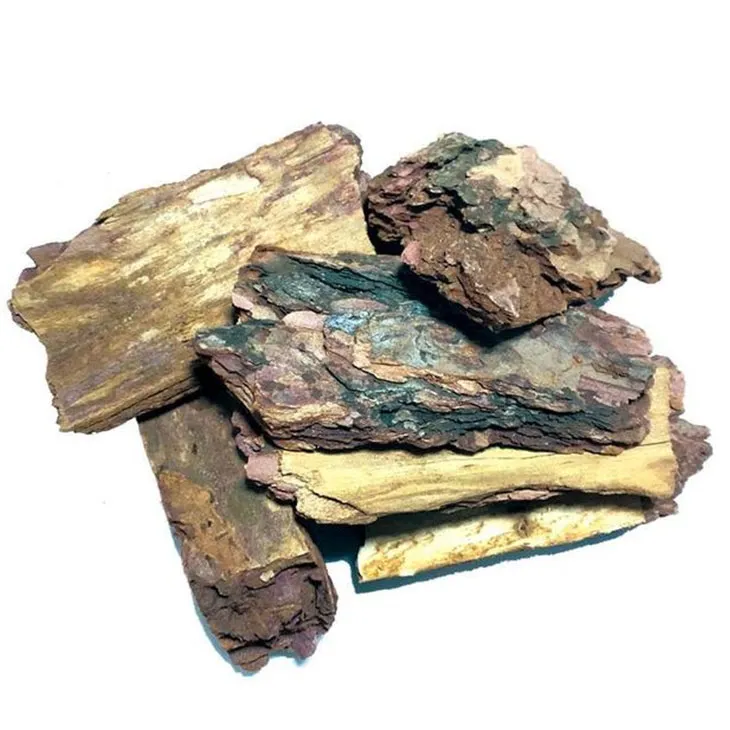
The primary raw material is, of course, pine bark. However, not all pine bark is suitable. It is essential to source pine bark from healthy pine trees. The species of pine also matter, as different species may have varying chemical compositions in their bark. For example, Pinus pinaster is commonly used in the production of Pine bark Extract Powder.
Additionally, the quality of the raw material is determined by factors such as the age of the tree and the environmental conditions in which it has grown. Bark from younger trees may have different properties compared to that of older trees.
3. Question 2: How is the Extraction Process Done?
The extraction process is a multi - step procedure.
Step 1: Preparation of the Pine Bark
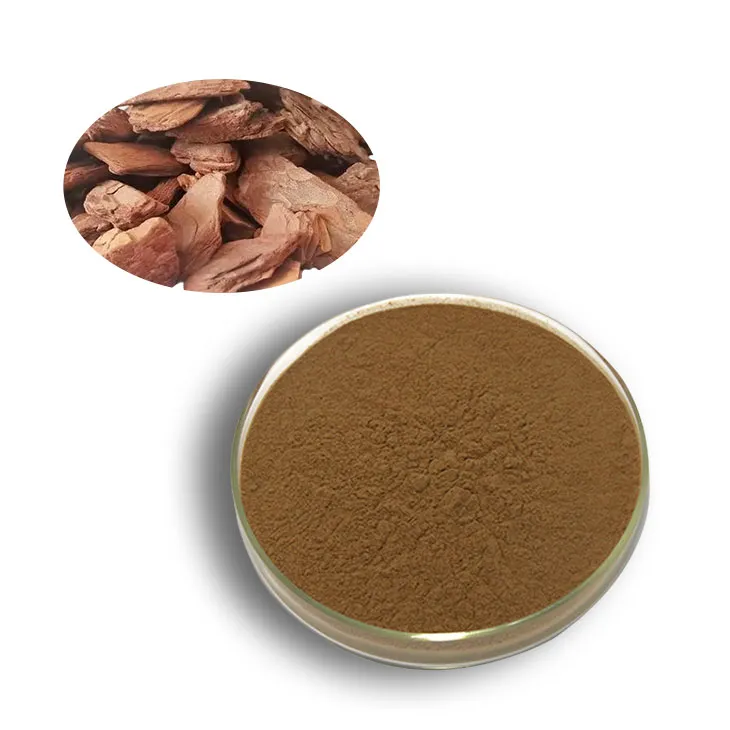
The pine bark is first collected and then cleaned thoroughly to remove any dirt, debris, or contaminants. This is usually done using mechanical cleaning methods such as brushing and washing.
Step 2: Grinding
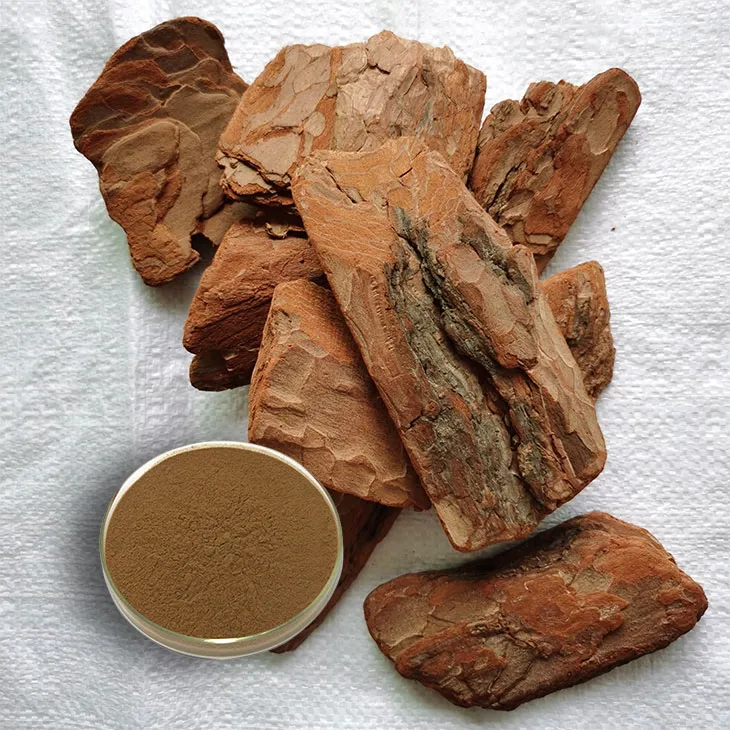
After cleaning, the pine bark is ground into a fine powder. This increases the surface area of the bark, which is beneficial for the extraction process. Grinding can be achieved using industrial grinders.
Step 3: Solvent Extraction
A suitable solvent is then used to extract the active compounds from the ground pine bark powder. Commonly used solvents include water, ethanol, or a combination of both. The choice of solvent depends on various factors such as the desired end - product characteristics and the solubility of the target compounds.
Step 4: Filtration and Concentration
Once the extraction is complete, the mixture is filtered to remove any solid particles. The filtrate is then concentrated to increase the concentration of the active compounds. This can be done using techniques such as evaporation under reduced pressure.
Step 5: Drying
The concentrated extract is finally dried to obtain the Pine bark Extract Powder. Drying methods can include spray drying or freeze - drying, depending on the requirements of the product.
4. Question 3: What are the Main Active Compounds in Pine bark Extract Powder?
The main active compounds in Pine bark Extract Powder are proanthocyanidins. Proanthocyanidins are a type of flavonoid that has strong antioxidant properties. These compounds are responsible for many of the health benefits associated with Pine bark Extract Powder, such as reducing inflammation, improving cardiovascular health, and protecting against oxidative stress.
In addition to proanthocyanidins, Pine bark Extract Powder may also contain other bioactive compounds such as phenolic acids and terpenoids. These compounds may contribute to the overall efficacy of the extract.
5. Question 4: How to Ensure Production Efficiency?
Ensuring production efficiency in Pine bark Extract Powder production involves several key aspects.
- Optimal Equipment Selection: Using high - quality and appropriately sized equipment is crucial. For example, choosing a grinder that can efficiently process the pine bark without over - grinding or under - grinding. Industrial - grade extraction equipment that can handle large volumes and provide consistent extraction results is also essential.
- Process Optimization: Continuously evaluating and improving the production process. This may involve adjusting the extraction parameters such as solvent concentration, extraction time, and temperature to achieve the highest yield of active compounds.
- Quality Control: Implementing strict quality control measures at every stage of production. Regularly testing the raw materials, intermediate products, and final product to ensure that they meet the required quality standards. This helps to avoid rework or product rejection, which can significantly impact production efficiency.
- Employee Training: Well - trained employees are more likely to operate the equipment correctly and follow the production procedures accurately. Providing comprehensive training on equipment operation, safety, and quality control can improve overall production efficiency.
6. Question 5: What are the Safety Measures in Production?
Safety is of utmost importance in Pine bark Extract Powder production.
- Chemical Handling: When using solvents such as ethanol, proper handling procedures must be followed. This includes storing the solvents in appropriate containers, away from heat sources and ignition points. Employees should be provided with personal protective equipment (PPE) such as gloves and safety glasses when handling chemicals.
- Equipment Safety: Regular maintenance and inspection of production equipment are necessary to ensure their safe operation. This includes checking for any leaks in extraction vessels, ensuring that grinders are properly guarded to prevent accidental contact with moving parts, and verifying that drying equipment is functioning correctly to avoid overheating.
- Dust Control: The grinding process can generate a significant amount of pine bark dust. Dust control measures such as installing dust collection systems are essential to protect the health of employees and prevent dust explosions.
- Fire Prevention: Due to the presence of solvents and potentially flammable materials, fire prevention measures should be in place. This may include having fire extinguishers readily available, maintaining a clean and clutter - free production area, and following proper electrical safety procedures.
7. Question 6: What are the Market Trends for Pine bark Extract Powder?
The market for Pine bark Extract Powder has been experiencing several notable trends.
- Increasing Demand in the Nutraceutical Industry: With the growing awareness of the health benefits of Pine bark Extract Powder, its demand in the nutraceutical industry has been on the rise. It is being incorporated into dietary supplements in various forms such as capsules, tablets, and powders.
- Cosmetic Applications: The antioxidant and anti - inflammatory properties of Pine bark Extract Powder have also led to its increased use in the cosmetic industry. It is being used in skincare products such as creams, lotions, and serums to improve skin health and reduce signs of aging.
- Sustainable Production: There is a growing trend towards sustainable production of Pine bark Extract Powder. This includes sourcing pine bark from sustainably managed forests and implementing environmentally friendly production processes.
- Research and Development: Ongoing research is exploring new applications and potential health benefits of Pine bark Extract Powder. This is expected to drive further growth in the market as new products and uses are discovered.
8. Question 7: How to Ensure the Quality of Pine bark Extract Powder?
Ensuring the quality of Pine bark Extract Powder requires a comprehensive approach.
- Raw Material Quality: As mentioned earlier, starting with high - quality pine bark is essential. This can be achieved by sourcing from reliable suppliers and conducting regular inspections of the raw material.
- Standardized Production Processes: Following standardized production processes helps to ensure consistency in the quality of the final product. This includes adhering to strict extraction procedures, quality control checkpoints, and documentation of all production steps.
- Testing and Analysis: Regular testing of the Pine bark Extract Powder is necessary. This may include testing for the content of active compounds such as proanthocyanidins, as well as for contaminants such as heavy metals, pesticides, and microbial contaminants.
- Certifications: Obtaining relevant certifications such as Good Manufacturing Practice (GMP) certifications can help to demonstrate the quality of the product to customers. These certifications ensure that the production facility adheres to strict quality and safety standards.
9. Conclusion
Pine bark Extract Powder production is a complex but rewarding process. By understanding the answers to these seven common questions, producers can improve their production efficiency, ensure product safety and quality, and stay informed about market trends. This knowledge is also valuable for consumers who are interested in using products containing Pine bark Extract Powder, as it allows them to make more informed decisions.
FAQ:
What are the main raw materials for Pine bark Extract Powder production?
The main raw material is, of course, pine bark. However, it is important to select high - quality pine bark. Usually, pine bark from certain pine species that are rich in the desired active compounds is preferred. For example, some pine species native to specific regions are known to have a higher content of bioactive substances, which can result in a more effective Pine bark Extract Powder.
How is the extraction process carried out?
The extraction process typically involves several steps. First, the pine bark is cleaned to remove impurities such as dirt and debris. Then, it is often dried to a certain moisture level. After that, a solvent, such as ethanol or water, is used to extract the active compounds from the pine bark. This can be done through methods like maceration, where the pine bark is soaked in the solvent for a period of time, or by using more advanced extraction techniques like supercritical fluid extraction in some cases. The resulting extract is then further processed to obtain the Pine bark Extract Powder, which may include steps like filtration, concentration, and drying.
What are the quality control measures in Pine bark Extract Powder production?
Quality control is crucial in Pine bark Extract Powder production. Firstly, the raw materials are inspected for quality, ensuring that the pine bark is free from contaminants and has the appropriate characteristics. During the extraction process, parameters such as the solvent - to - material ratio, extraction time, and temperature are carefully monitored to ensure consistent extraction. The final product is tested for various aspects. This includes analyzing the content of active compounds, such as proanthocyanidins, which are important bioactive substances in pine bark extract. Additionally, tests are carried out for microbiological safety, heavy metal content, and other potential impurities to ensure that the Pine bark Extract Powder meets the required quality standards.
What are the applications of Pine bark Extract Powder?
Pine bark Extract Powder has a wide range of applications. In the health and wellness industry, it is often used as a dietary supplement due to its antioxidant properties. The proanthocyanidins in pine bark extract can help neutralize free radicals in the body, which may have potential benefits for overall health. It is also used in the cosmetics industry. For example, it can be added to skin care products as it may help improve skin elasticity and reduce the appearance of wrinkles. In addition, in some agricultural applications, Pine bark Extract Powder has shown potential in promoting plant growth and enhancing plant resistance to certain stresses.
How does production efficiency impact the cost of Pine bark Extract Powder?
Production efficiency has a significant impact on the cost of Pine bark Extract Powder. If the production process is efficient, for example, with high - yield extraction methods and optimized production lines, the cost per unit of the final product can be reduced. An efficient extraction process means that more of the desired active compounds can be obtained from a given amount of raw material. This reduces the amount of raw material needed and also cuts down on the energy and time required for production. On the other hand, if the production process is inefficient, with low extraction yields or long processing times, the cost will be higher as more resources are consumed in the production of each unit of Pine bark Extract Powder.
Related literature
- Pine Bark Extract: Production and Applications"
- "Advances in Pine bark Extract Powder Manufacturing"
- "Quality Assurance in Pine Bark Extract Production"


-

Dandelion Leaf Extract
2024-12-07
-

Resveratrol Extract
2024-12-07
-

Moringa powder
2024-12-07
-

Centella Asiatica Extract
2024-12-07
-

Sea buckthorn Juice Powder
2024-12-07
-

Genistein
2024-12-07
-

Ginkgo Biloba Extract
2024-12-07
-

Oat Straw Extract Powder
2024-12-07
-

Banana juice powder
2024-12-07
-

Marigold Extract
2024-12-07