


1. Introduction
White mustard seed extract powder has been gaining increasing attention in various industries, including the food, pharmaceutical, and cosmetic sectors. However, the production process of this extract powder remains somewhat of a mystery to many. This article aims to address the seven most common questions regarding the production of White mustard seed extract powder, providing in - depth answers and insights from multiple aspects such as environmental impact, market demand, and technological innovation.
2. What are the raw materials required for White mustard seed extract powder production?
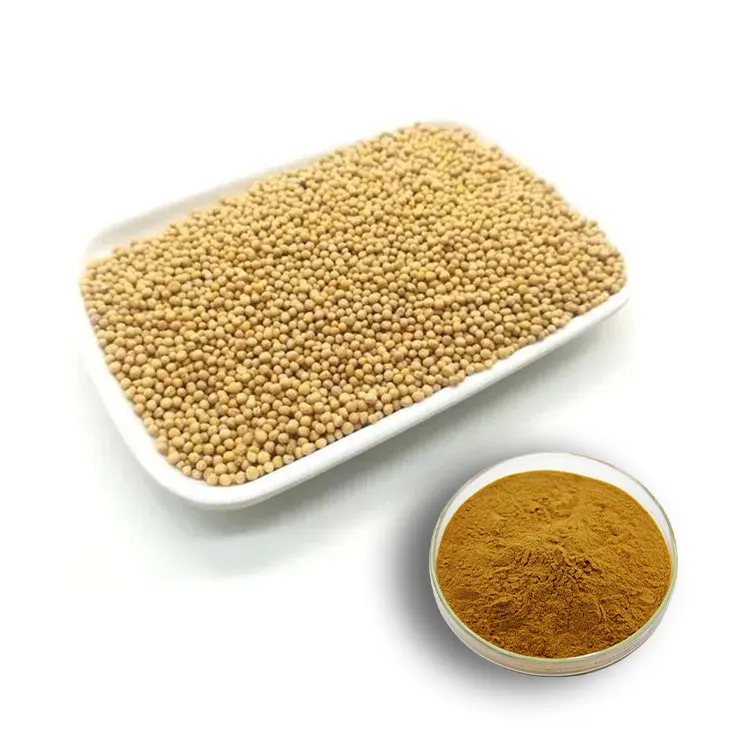
The primary raw material is, of course, white mustard seeds. These seeds should be of high quality, free from contaminants such as mold and pesticides. The quality of the seeds directly affects the quality of the final extract powder. In addition to the seeds, certain solvents may be required depending on the extraction method. For example, in solvent - based extraction, organic solvents like ethanol may be used. Water can also be a key component in some extraction processes, especially in more environmentally - friendly or "green" extraction methods.
3. What are the main extraction methods?
3.1 Solvent - based extraction
This is one of the most common methods. Ethanol is often the solvent of choice due to its ability to dissolve the active compounds in white mustard seeds effectively. The process involves soaking the seeds in the solvent for a specific period, usually under controlled temperature and agitation conditions. This allows the active ingredients to be transferred from the seeds into the solvent. After that, the solvent is evaporated, leaving behind the extract powder. However, this method has some drawbacks. One major concern is the potential residue of the solvent in the final product, which may pose risks to human health if not properly removed. Also, the use of organic solvents may have environmental implications, such as solvent emissions.
3.2 Supercritical fluid extraction
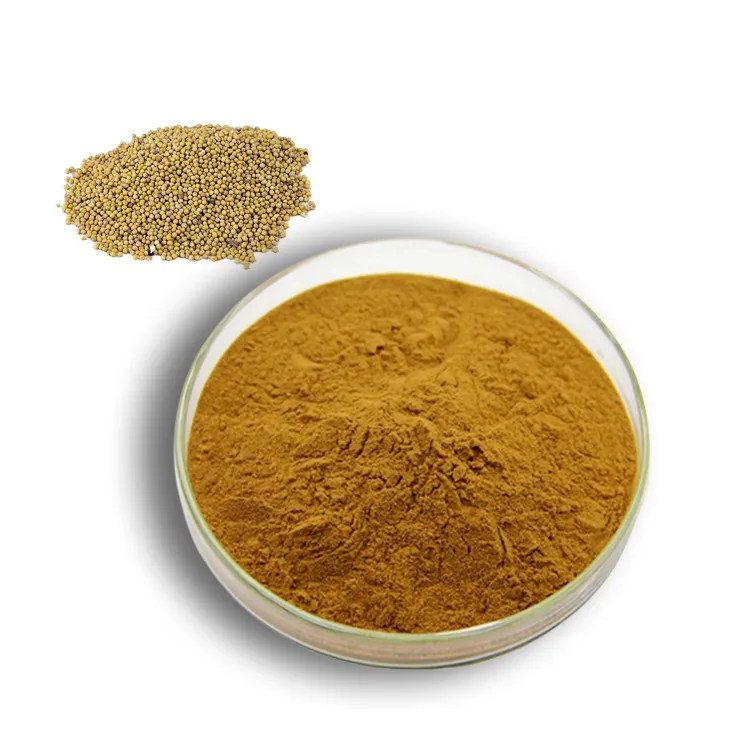
Supercritical fluid extraction is a more advanced and "cleaner" method. Carbon dioxide (CO₂) is the most commonly used supercritical fluid in this process. At a certain temperature and pressure, CO₂ reaches a supercritical state, where it has properties of both a liquid and a gas. This allows it to penetrate the white mustard seeds and extract the active compounds efficiently. The advantage of this method is that it leaves no solvent residue in the final product, and CO₂ is a relatively environmentally - friendly substance. Moreover, it can be recycled in the extraction process, reducing waste. However, the equipment required for supercritical fluid extraction is more expensive, which may limit its widespread application in small - scale production.
3.3 Press extraction
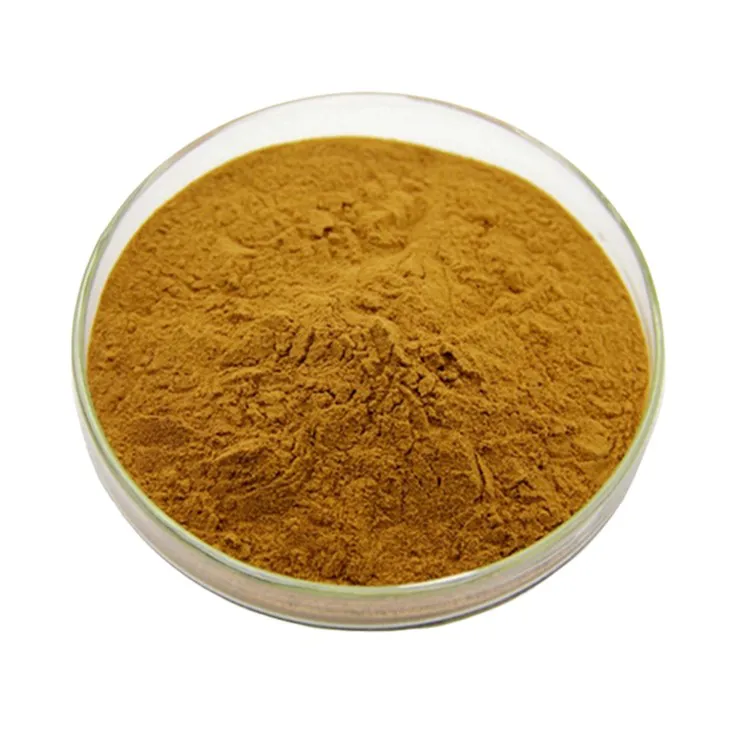
Press extraction is a more traditional and mechanical method. The white mustard seeds are mechanically pressed to extract the oil and other substances. This method is relatively simple and does not require the use of solvents. However, the extraction efficiency may be lower compared to solvent - based or supercritical fluid extraction methods. Also, the quality of the extract obtained through press extraction may vary depending on the pressure applied and the quality of the seeds.
4. How is the quality of White mustard seed extract powder controlled during production?
- Raw material inspection: Before production, the white mustard seeds are carefully inspected for quality. This includes checking for physical characteristics such as seed size, color, and texture, as well as chemical characteristics such as the content of active compounds and the presence of contaminants.
- Process monitoring: During the extraction process, parameters such as temperature, pressure (in the case of supercritical fluid extraction), and extraction time are closely monitored. Any deviation from the optimal values can affect the quality of the extract powder. For example, if the temperature is too high during solvent - based extraction, it may cause degradation of the active compounds.
- Final product testing: Once the extract powder is produced, it undergoes a series of tests. These tests include analysis of the chemical composition to ensure that the desired active compounds are present in the appropriate concentrations. Microbiological testing is also carried out to check for the presence of harmful microorganisms such as bacteria and fungi.
5. What are the environmental impacts of White mustard seed extract powder production?
5.1 Solvent - based extraction environmental impacts
As mentioned earlier, solvent - based extraction, especially when using organic solvents like ethanol, can have environmental impacts. Solvent emissions can contribute to air pollution. If not properly managed, the waste solvents can also contaminate soil and water sources. Additionally, the production of the solvents themselves requires energy and resources, which adds to the overall environmental footprint of the production process.

5.2 Supercritical fluid extraction environmental benefits
Supercritical fluid extraction, on the other hand, has some environmental benefits. Since carbon dioxide is used as the supercritical fluid and can be recycled, there is less waste generation compared to solvent - based extraction. Also, CO₂ is a non - toxic and non - flammable gas, which reduces the risks associated with handling and storage. However, the energy consumption required to maintain the supercritical state of CO₂ needs to be considered, although modern technologies are constantly striving to improve the energy efficiency of this process.
5.3 Overall environmental management in production
To minimize the environmental impact of White mustard seed extract powder production, producers can take several measures. These include proper waste management of solvents and other by - products, energy - saving measures in the production process, and the use of sustainable raw materials. For example, sourcing white mustard seeds from local and sustainable farms can reduce the carbon footprint associated with transportation.
6. What is the market demand for White mustard seed extract powder?
6.1 Food industry demand
In the food industry, White mustard seed extract powder is used as a flavoring agent. It imparts a characteristic pungent and spicy flavor to various food products such as sausages, processed meats, and condiments. With the growing trend towards processed and convenience foods, the demand for natural flavoring agents like White mustard seed extract powder is increasing. Consumers are also becoming more health - conscious and are inclined towards natural additives over synthetic ones, which further drives the demand in the food industry.
6.2 Pharmaceutical industry applications
The pharmaceutical industry is interested in the bioactive compounds present in White mustard seed extract powder. These compounds may have potential therapeutic effects, such as anti - inflammatory and antibacterial properties. As research on natural remedies and alternative medicine continues to expand, the demand for White mustard seed extract powder in the pharmaceutical sector is expected to grow. For example, it may be used in the development of new drugs or as an ingredient in dietary supplements.
6.3 Cosmetic industry potential
In the cosmetic industry, White mustard seed extract powder can be used for its antioxidant and skin - conditioning properties. It may be incorporated into creams, lotions, and other skincare products. With the booming beauty and skincare market, especially the increasing demand for natural and organic skincare products, the potential for White mustard seed extract powder in this industry is significant. However, strict quality and safety regulations need to be met in order to enter the cosmetic market.
7. What are the recent technological innovations in White mustard seed extract powder production?
7.1 New extraction technologies
Researchers are constantly exploring new extraction technologies to improve the efficiency and quality of White mustard seed extract powder production. For example, microwave - assisted extraction has been studied as an alternative to traditional solvent - based extraction. Microwave energy can penetrate the seeds and accelerate the extraction process, reducing the extraction time and potentially improving the yield of active compounds. Another emerging technology is enzymatic extraction, which uses specific enzymes to break down the cell walls of the seeds, making it easier to extract the active ingredients. This method is considered more environmentally - friendly as it reduces the need for harsh solvents.
7.2 Quality control advancements
Advancements in quality control techniques are also being made. New analytical methods such as high - performance liquid chromatography (HPLC) are being used to more accurately analyze the chemical composition of the extract powder. This allows for better quality control during production, ensuring that the final product meets the required standards. In addition, non - destructive testing methods are being developed, which can be used to monitor the quality of the seeds and the extract without destroying the samples.
7.3 Automation in production
Automation is gradually being introduced into the production process of White mustard seed extract powder. Automated systems can control the extraction process more precisely, reducing human error. For example, automated temperature and pressure control systems can ensure that the supercritical fluid extraction process is carried out under optimal conditions. This not only improves the quality of the product but also increases the production efficiency.
8. Conclusion
The production of White mustard seed extract powder is a complex process that involves multiple aspects such as raw material selection, extraction methods, quality control, environmental impact, market demand, and technological innovation. By answering these seven most common questions, we hope to provide a more comprehensive understanding of this production process. As the market demand for White mustard seed extract powder continues to grow and technological advancements are made, the production process is likely to become more efficient, environmentally - friendly, and of higher quality in the future.
FAQ:
Question 1: What are the main raw materials for White mustard seed extract powder production?
White mustard seeds are the primary raw material. These seeds are carefully selected for their quality and purity. High - quality white mustard seeds ensure a good - quality extract powder. They are typically sourced from regions where white mustard is cultivated abundantly, and farmers follow proper agricultural practices to grow them.
Question 2: What is the extraction process involved in making White mustard seed extract powder?
The extraction process usually begins with cleaning the white mustard seeds to remove any impurities such as dirt or damaged seeds. Then, the seeds are ground into a fine powder. After that, solvents like ethanol or water may be used to extract the active compounds from the ground seeds. The mixture is then filtered to separate the extract from the solid residues. Finally, the extract is concentrated and dried to obtain the White mustard seed extract powder.
Question 3: How does White mustard seed extract powder production impact the environment?
The production can have both positive and negative environmental impacts. On the positive side, white mustard is a relatively sustainable crop. However, during the extraction process, if solvents are not managed properly, they can pose a risk to the environment. For example, improper disposal of ethanol - based solvents can contaminate soil and water. Also, the energy used in drying and processing the extract powder contributes to carbon emissions. But with proper waste management and energy - efficient technologies, these negative impacts can be minimized.
Question 4: What are the quality control measures in White mustard seed extract powder production?
Quality control starts from the sourcing of the white mustard seeds. Only seeds that meet certain quality standards are used. During the production process, parameters such as temperature, pressure, and extraction time are closely monitored. The purity of the extract is also tested using techniques like chromatography. After drying, the powder is analyzed for its chemical composition, and only products that meet the specified quality criteria are packaged and sold.
Question 5: What is the market demand for White mustard seed extract powder?
The market demand for White mustard seed extract powder is growing. It is used in various industries such as the food and beverage industry for flavoring, the pharmaceutical industry for its potential health benefits, and the cosmetic industry for skin - related products. As more research reveals its beneficial properties, the demand from different sectors is expected to increase further.
Question 6: How has technological innovation influenced White mustard seed extract powder production?
Technological innovation has had a significant impact. New extraction techniques such as supercritical fluid extraction have been developed, which can improve the efficiency and purity of the extract. Advanced drying technologies like freeze - drying can help preserve the active compounds better. Also, automation in the production process has increased productivity and reduced the risk of human error.
Related literature
- White Mustard Seed: Cultivation and Its Extract's Potential"
- "Production Technologies for Seed Extract Powders: A Focus on White Mustard"
- "Environmental Considerations in Spice Extract Production: The Case of White Mustard Seed"


-

Senna Leaf Extract
2024-12-07
-

Polygonum multiflorum extract
2024-12-07
-

Longan Extract
2024-12-07
-

Horse Chestnut Extract
2024-12-07
-

Sea buckthorn Juice Powder
2024-12-07
-

Citrus bioflavonoids
2024-12-07
-

Red Date Extract
2024-12-07
-

Okra Extract
2024-12-07
-

S-Adenosyl L-methionine(SAMe)
2024-12-07
-

Sophora Flavescens Root Extract
2024-12-07