


Keeping blood sugar steady is one of the most common health goals among consumers today, and it has made its way to the top of many supplement manufacturers' product roadmaps. Among the botanical ingredients gaining attention for this purpose is kidney bean extract, a natural ingredient that has been studied for its potential to slow starch digestion and soften the post-meal rise in glucose. But does the evidence actually support the claim? This article looks at how Kidney Bean Extract works, what clinical research shows, and what formulators should consider when sourcing this ingredient in bulk.
What Is Kidney Bean Extract?
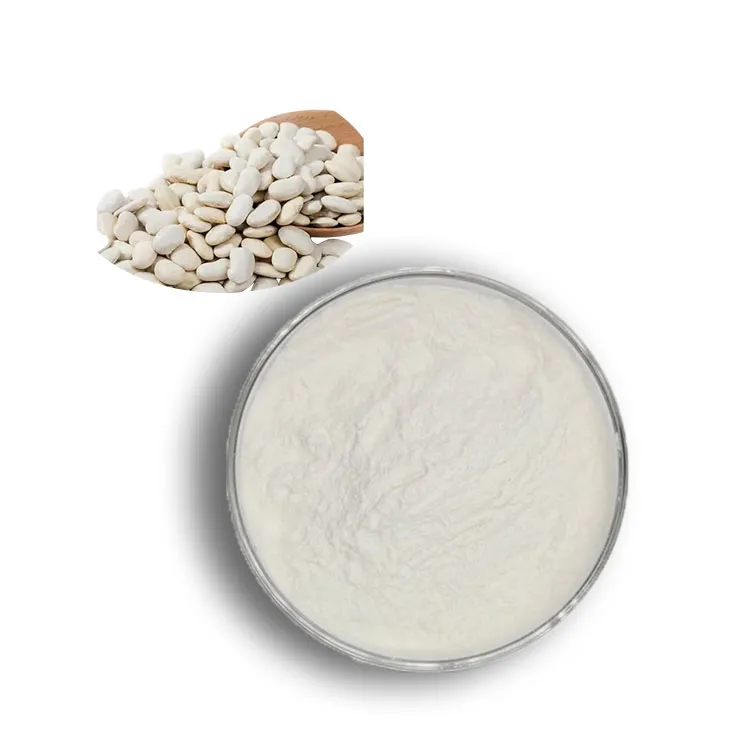
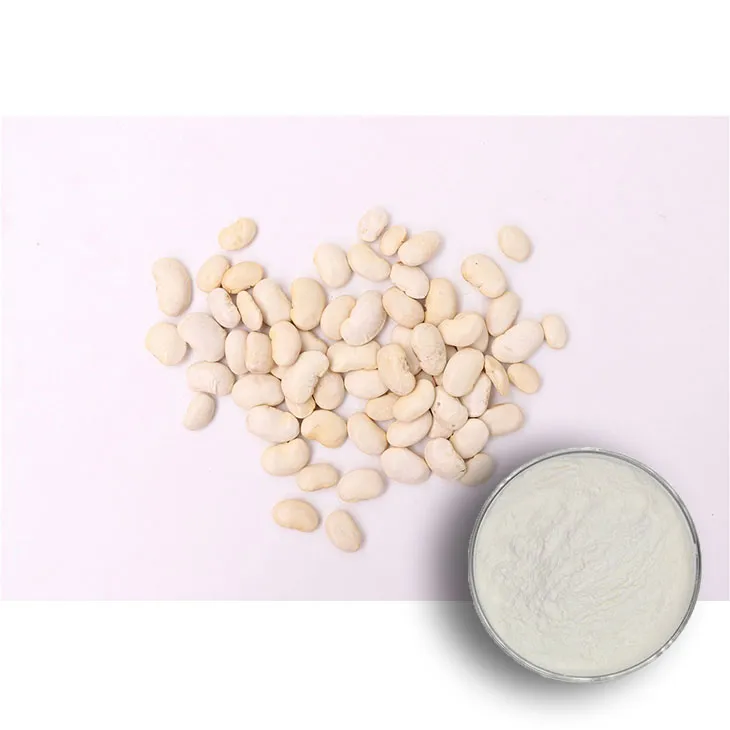
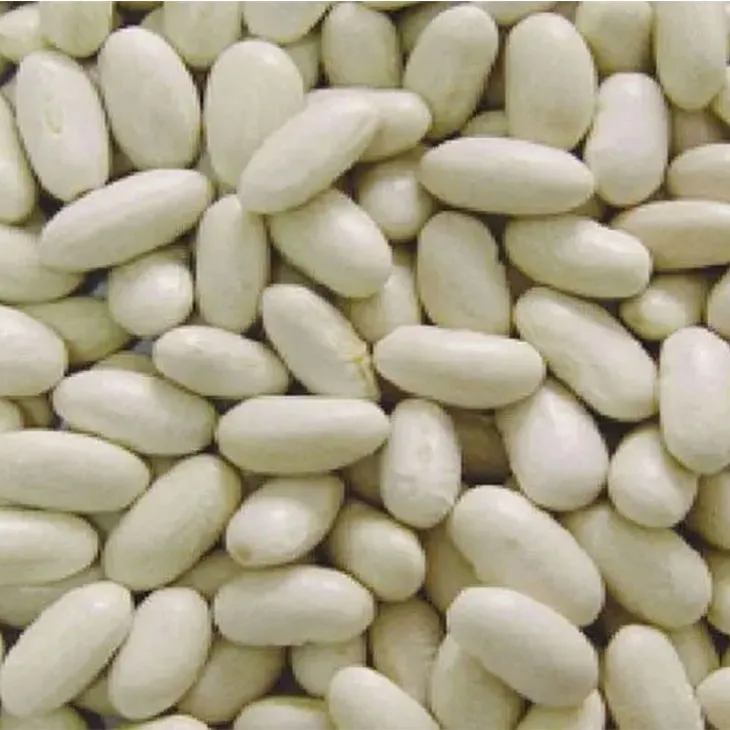
Kidney Bean Extract is a concentrated preparation derived from the common bean (Phaseolus vulgaris), most often the white kidney bean variety. The beans are processed to isolate a glycoprotein known as an alpha-amylase inhibitor, along with other functional components such as phenolic compounds and resistant starch. Because of this composition, the extract is frequently described as a "starch blocker" and is widely used in dietary supplements aimed at weight management and blood sugar support.
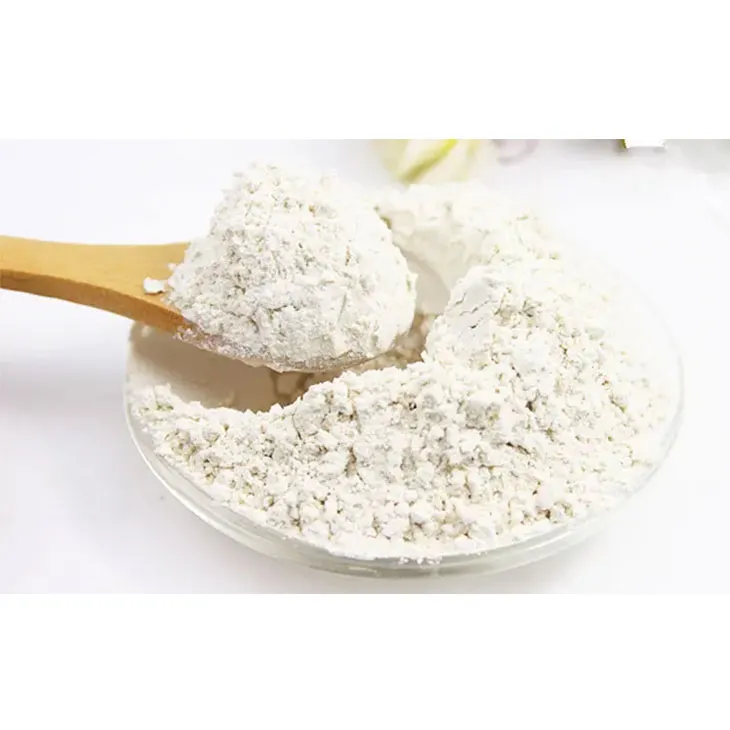
As a raw ingredient, Kidney Bean Extract is typically supplied as a standardized powder, which makes it easy to dose into capsules, tablets, sachets, and functional food formulas. For brands planning to launch a blood sugar or weight management product, working with an experienced plant extract supplier ensures the ingredient arrives with consistent potency, documented specifications, and the supporting documentation that regulatory and quality teams expect.
How Does Kidney Bean Extract Support Blood Sugar Control?
The main mechanism behind Kidney Bean Extract is relatively straightforward. When you eat a meal rich in starch, the enzyme alpha-amylase breaks the starch down into sugar that can be absorbed into the bloodstream. The alpha-amylase inhibitor in Kidney Bean Extract binds to this enzyme and slows that breakdown, which means less sugar enters the blood at once and the post-meal glucose spike is dampened.
The "Starch Blocker" Mechanism
Laboratory research on Kidney Bean Extracts has demonstrated meaningful alpha-amylase inhibition, with studies reporting that the extract can reduce the digestion of starchy foods such as bread, rice, or pasta by a substantial margin in simulated digestion models. It is worth noting that the effect is not instantaneous: the extract needs time to bind to the enzyme, which is why it is generally recommended to take it shortly before a meal rather than with the first bite.
Resistant Starch and Phenolic Compounds
Beyond the amylase inhibitor, whole kidney beans are naturally rich in resistant starch and polyphenols. Research on seven kidney bean varieties found that resistant starch accounted for the majority of total starch, and the beans were classified as low glycemic index foods. Phenolic compounds such as gallic acid, which are more abundant in colored bean varieties, may also contribute to the ingredient's overall metabolic profile. These properties make Kidney Bean Extract an interesting candidate for low-GI and blood sugar support formulations.
What Does the Clinical Research Show?
The evidence base for Kidney Bean Extract is growing, though it remains modest in size. Here is a summary of what studies have found so far.
Studies in Healthy People
In a small study of healthy adults, consuming a beverage containing white Kidney Bean Extract immediately before a starchy meal reduced the rise in blood sugar over a two-hour period by roughly a quarter compared with a placebo drink. Notably, a few participants in that study actually saw higher blood sugar after the extract, which highlights how individual responses can vary.
Studies in People with Diabetes
An early study in a small group of people with non-insulin-dependent diabetes found that taking white Kidney Bean Extract with meals for one week reduced the rise in blood sugar after meals by about 30% compared with baseline. However, that study did not include a placebo group, so the results should be interpreted with caution. Longer, higher-quality trials are still needed to confirm safety and effectiveness in people with diabetes, particularly those taking blood sugar-lowering medication.
A Note on Weight Management
Because Kidney Bean Extract reduces starch digestion, it is often paired with weight management claims. A review of several clinical trials found a statistically significant reduction in body fat compared with placebo, although evidence for overall weight loss was less conclusive. Most studies combined the extract with diet and exercise changes, and many were funded by the ingredient's manufacturers. The takeaway for formulators is that Kidney Bean Extract is best positioned as one part of a broader weight management or metabolic support formula, not as a standalone solution.
Dosage and Timing
In clinical studies, white Kidney Bean Extract has been used at doses of up to 3,000 mg per day, typically divided into servings taken before meals. A single dose of 2,000 to 3,000 mg taken with a meal may help lessen the rise in blood sugar after that meal. Practical guidance for consumers is to take the extract 10 to 20 minutes before a starchy meal, since the inhibitor needs time to bind to the enzyme.
| Parameter | Typical Recommendation |
|---|---|
| Daily dose in studies | Up to 3,000 mg, divided before meals |
| Single dose with a meal | 2,000 - 3,000 mg |
| Best timing | 10 - 20 minutes before a starchy meal |
| Upper safety limit | Generally not to exceed 10 g per day |
Safety and Who Should Be Cautious
Short-term studies indicate that Kidney Bean Extract is generally well tolerated by healthy individuals. The most commonly reported side effects are mild gastrointestinal symptoms such as gas and bloating, which tend to appear early and ease over the first few days of use. Because the ingredient can affect blood sugar, people with diabetes, hypoglycemia, or those taking blood sugar-lowering medication should consult a healthcare provider before use. It is also not recommended for women who are pregnant or breastfeeding.
Choosing a Reliable Kidney Bean Extract Supplier
For brands and manufacturers, the quality of the extract matters as much as the science behind it. A trustworthy supplier should be able to provide standardized potency, batch-to-batch consistency, and the certificates and test reports that support regulatory submissions. When evaluating partners, look for manufacturers with established production facilities, a documented quality management system, and experience producing botanical extracts at scale.
Plant Extract Wholesale, the English wholesale platform of Greenskybio (Hangzhou Green Sky Biotechnology), is one such source. The company has been producing plant extracts since 2004 and operates a GAP-certified organic planting base, advanced extraction and spray-drying facilities, and a quality system certified to ISO9001 and GMP standards. Its catalog includes kidney bean extract alongside more than 200 other plant extracts, giving formulators a single, dependable partner for sourcing multiple ingredients.
Formulator Tip: When sourcing Kidney Bean Extract for a blood sugar support product, request the specification sheet, heavy metal and pesticide residue test reports, and a certificate of analysis for each batch. Standardized activity and documented purity are what separate a reliable ingredient from a gamble.
The Bottom Line
Can Kidney Bean Extract support blood sugar control? The evidence suggests it can offer a modest benefit, mainly by slowing starch digestion and reducing the post-meal rise in glucose. Results from clinical trials have been encouraging but not overwhelming, and more rigorous studies are needed, especially in people with diabetes. For supplement brands, Kidney Bean Extract remains a sensible, well-tolerated ingredient for blood sugar and weight management formulas — provided it is sourced from a manufacturer that can guarantee quality and consistency.
Ready to Source Kidney Bean Extract in Bulk?
Plant Extract Wholesale supplies high-quality kidney bean extract and a full range of plant extracts from GMP-certified facilities with over 20 years of production experience. Contact the team for specifications, samples, and wholesale pricing.
Contact Us for a Quote


-

Andrographis Paniculata Extract Powder
2026-08-14
-

Okra Extract
2026-08-14
-

Grape Seed Extract Powder
2026-08-14
-

Cranberry Extract
2026-08-14
-

Bayberry Extract
2026-08-14
-

Cordyceps Extract
2026-08-14
-

Aguaje Extract
2026-08-14
-

Cassia Seed Extract
2026-08-14
-

Quercetin
2026-08-14
-

Sugarcane Extract
2026-08-14