


Purple yam extract, made from the deep violet tuber of Dioscorea alata, has earned steady attention in the food, beverage, and wellness industries for its striking color and antioxidant-rich anthocyanins. Brands that want to add something distinctive to a formulation are often drawn to it, yet the same question keeps coming up in procurement conversations: is it safe, and what side effects should formulators and end users be aware of? For a responsible plant extract supplier, the answer matters as much as the ingredient itself.
What Is Purple Yam Extract?
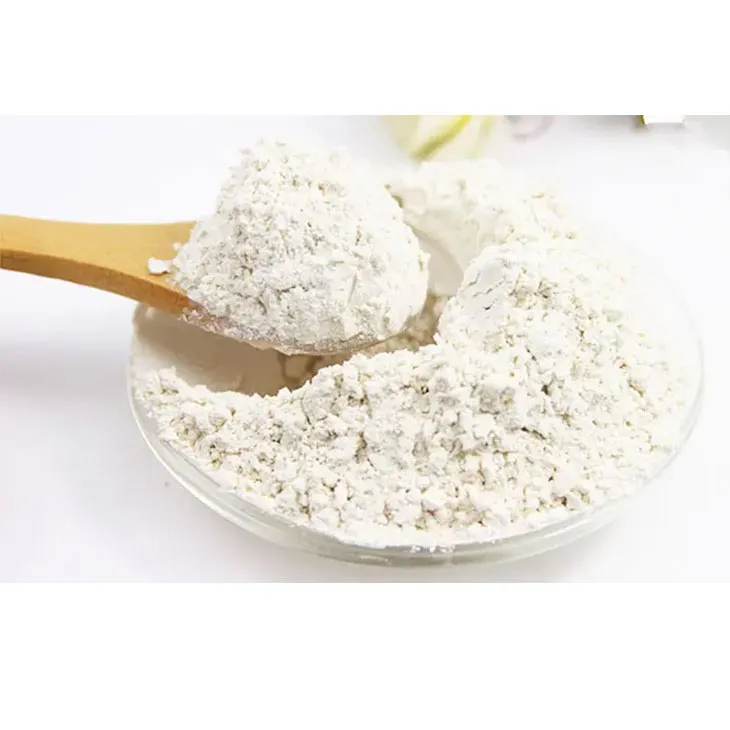
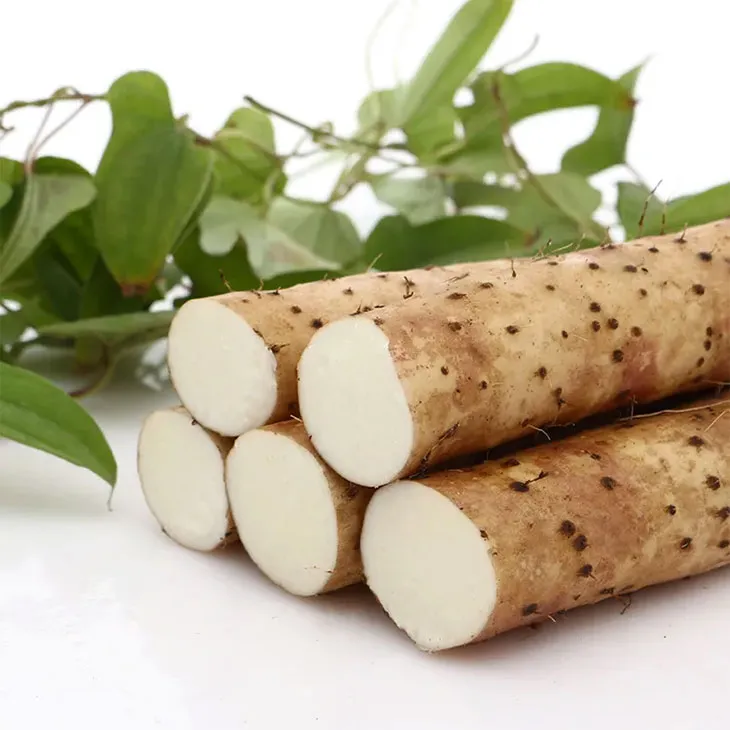
Purple Yam Extract is a concentrated preparation derived from the edible tuber of Dioscorea alata, a tropical climbing vine native to Southeast Asia and the Pacific. Its vivid purple flesh comes from anthocyanins such as cyanidin and peonidin derivatives, which function as natural antioxidants. The tuber also contains diosgenin, a steroidal compound, and a notable amount of resistant starch, both of which contribute to its functional profile. As a food and supplement ingredient, it is valued far more for its color and antioxidant capacity than for its nutritional bulk alone.
Why It Is Used in Food and Supplements
Manufacturers typically choose purple Yam Extract for two reasons: a natural source of purple color and a moderate antioxidant load. It appears in beverages, desserts, dairy, confectionery, and powdered wellness blends. Because it behaves like other botanical extracts, it can be standardized to a target anthocyanin level, which makes it practical for consistent batch formulation. That consistency is exactly what buyers look for when evaluating raw material from a plant extract supplier.
Common Side Effects of Purple Yam Extract
For most healthy adults, purple Yam Extract is well tolerated when consumed within recommended levels. That said, several side effects and special considerations are worth noting before an ingredient is added to a product line.
Digestive Discomfort
The resistant starch and fiber in purple yam can ferment in the colon, which sometimes causes bloating, gas, or mild cramping in sensitive individuals. This effect is dose-related and usually mild, but it can be more noticeable in people who are not used to high-fiber ingredients. Starting with a lower serving and increasing gradually is the sensible approach.

Allergic Reactions
True allergies to purple yam are uncommon, but they are not impossible. Handling the raw tuber can occasionally trigger contact irritation in sensitive skin, and a small number of people may experience an allergic response to the extract itself. Anyone with a known sensitivity to yams or related root vegetables should exercise caution.

Medication Interactions
Because purple yam contains diosgenin, a compound with mild hormonal activity, it may interact with hormone-based therapies or oral contraceptives. People taking such medications should consult a healthcare professional before using concentrated extracts. The theoretical risk is tied to higher doses, which is another reason standardized and clearly labeled extracts are preferable.
Blood Sugar and Blood Pressure Effects
Resistant starch slows the absorption of carbohydrates, which can be a benefit for blood sugar management, but it also means the extract may slightly lower post-meal glucose levels. Similarly, some research points to a modest blood-pressure-lowering effect from anthocyanin-rich foods. For healthy individuals this is rarely a concern; for those managing diabetes or hypertension, monitoring is advised.
Oxalate Content and Kidney Stones
Purple yam contains moderate amounts of oxalates. People who are prone to oxalate kidney stones should keep intake moderate and stay well hydrated. This is a precaution shared with many leafy greens and root vegetables, and it rarely matters for occasional or moderate use.
Pregnancy and Breastfeeding
While the cooked tuber is a common food in many cultures, concentrated extracts have not been studied extensively in pregnancy or lactation. Because of the mild phytoestrogen potential of diosgenin, pregnant or nursing women should avoid concentrated extracts unless a qualified practitioner advises otherwise.
Who Should Exercise Extra Caution
The list of groups that should be careful with concentrated purple Yam Extract is fairly short: people with a known yam allergy, anyone on hormone therapy or oral contraceptives, those with a history of oxalate kidney stones, and pregnant or breastfeeding women. For everyone else, reasonable intake is generally uneventful. When in doubt, a healthcare professional is the right first stop.
How to Choose a Reliable Purple Yam Extract
Side effects are not the only thing to check when sourcing an extract. Quality and handling play an equally large role. A dependable plant extract supplier should be able to provide a certificate of analysis, confirm the anthocyanin content or standard specification, and demonstrate that the product is processed under controlled conditions. Clean sourcing, standardized concentrations, and clear documentation reduce the risk of impurities and make the ingredient far easier to use responsibly.
For a manufacturer with over twenty years of experience, a GAP-certified organic planting base, and a team of more than a hundred researchers, quality assurance is built into the process from cultivation to finished powder. That kind of control is what turns a promising botanical into a dependable raw material.
The Bottom Line
Purple Yam Extract is a safe, versatile ingredient for most people, with side effects that are mild, dose-related, and largely avoidable. Digestive sensitivity, rare allergic reactions, medication interactions, and oxalate concerns are the main points to keep in mind. When the raw material is sourced from a reputable manufacturer and used at sensible levels, it is a reliable addition to a well-designed formulation.
TAGS:


-

Vitamin B6
2026-08-13
-

Bladder horn extract powder
2026-08-13
-

Olive leaf extract
2026-08-13
-

Rutin
2026-08-13
-

Boswellia Serrata Extract
2026-08-13
-

Shikone Extract
2026-08-13
-

Bilberry Extract
2026-08-13
-

Camu Camu Extract
2026-08-13
-

Quercetin
2026-08-13
-

Diosmin
2026-08-13