


Soy Extract, a natural plant extract rich in isoflavones, is one of the most widely used botanical ingredients in dietary supplements. From supporting hormonal balance to promoting heart health, it appears in menopause support formulas, cardiovascular wellness products, and everyday nutrition blends. For supplement brands, contract manufacturers, and formulators, one question comes up again and again: what is the recommended dosage of Soy Extract for supplements?
The short answer is that most clinical research uses 40-80 mg of total isoflavones per day, while everyday dietary intakes typically fall between 25-50 mg. The right dose depends on the intended benefit, the standardization of the extract, and the target consumer. This guide breaks down the recommended ranges, explains how to read supplement labels, and covers the safety considerations every formulator should keep in mind.
What Is Soy Extract?
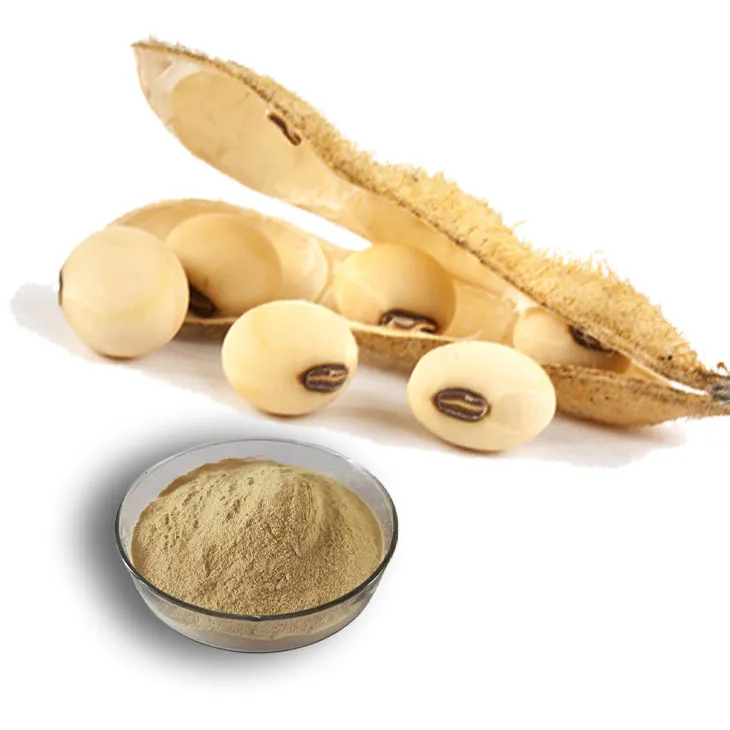
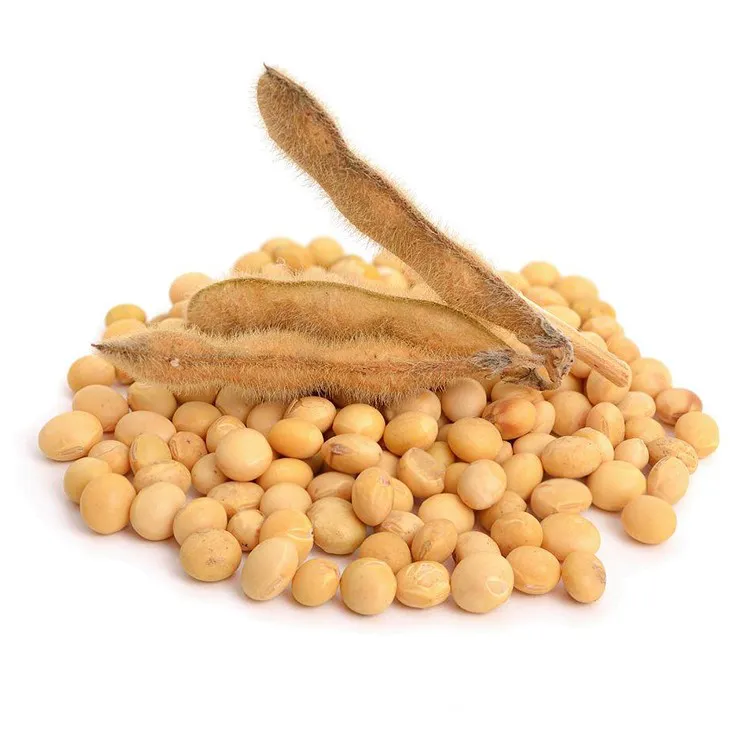
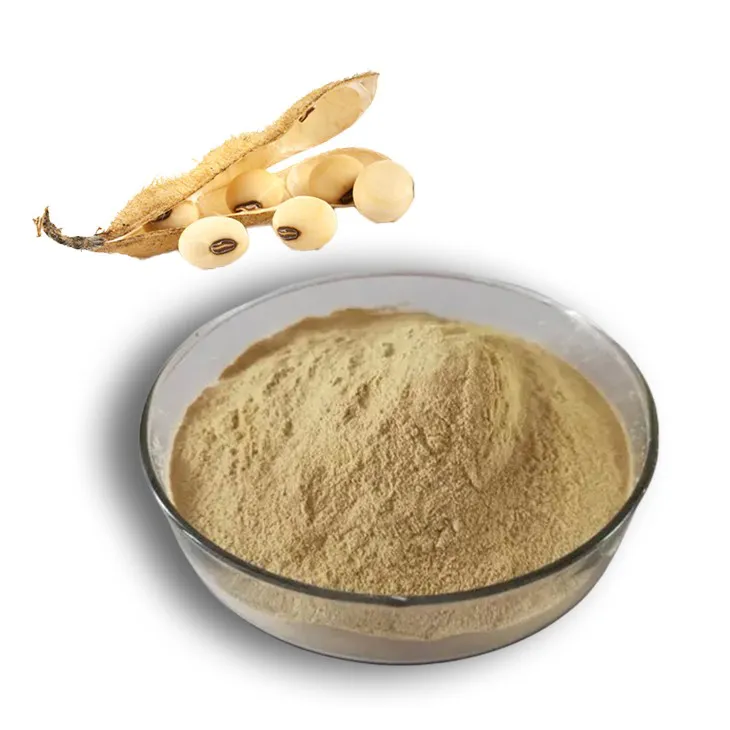
Soy Extract is derived from the seeds of Glycine max, the soybean plant. Its value in supplements comes mainly from its isoflavone content, particularly Genistein, daidzein, and glycitein. These plant compounds are phytoestrogens that can weakly bind to estrogen receptors in the body, which is why Soy Extract is frequently used in products designed for hormonal balance and menopausal comfort. It is also recognized for its potential to support cardiovascular health.
Because the isoflavone content can vary significantly between raw materials and processing methods, standardized extracts are strongly preferred for supplement manufacturing. A standardized product guarantees a consistent level of active compounds in every batch, which is essential both for product efficacy and for meeting regulatory labeling requirements.
Recommended Dosage Ranges for Soy Extract
There is no single universal dose, because the amount depends on the goal of the supplement. The ranges below reflect the doses most commonly used in clinical research and product formulations.
Menopause and Hormonal Balance: 40-80 mg of Isoflavones per Day
For menopausal symptom relief, the minimum effective dose of soy isoflavones is approximately 40-50 mg per day, and most randomized controlled trials use between 40-80 mg daily. In a widely cited meta-analysis of randomized trials, soy isoflavones reduced hot flash frequency by about 20% compared with placebo. Benefits typically begin to appear after about six weeks of consistent use, with continued improvement possible over several months.
Heart Health: 25-50 mg per Day
For general cardiovascular support, daily intakes in the 25-50 mg range are commonly studied. These amounts can be reached through soy foods alone, such as tofu, tempeh, and soy milk, or through a lower-dose supplement. When Soy Extract is used in heart health formulas, formulators often combine it with other botanical ingredients to create a broader wellness profile.
General Wellness and Maintenance: 25-50 mg per Day
For consumers who simply want the nutritional benefits of isoflavones as part of a balanced routine, 25-50 mg per day is a sensible target. This mirrors the typical isoflavone intake seen in parts of East Asia, where soy foods are a staple of the daily diet.
How to Read a Soy Extract Supplement Label
Not all Soy Extract products are equivalent, and the label is where the real differences show up. When evaluating a raw material or a finished product, check the following:
- Total isoflavones per serving: Look for the milligram amount of total isoflavones, not just the word "soy." Two capsules can both say Soy Extract yet deliver very different amounts of active compounds.
- Standardization: Quality extracts are standardized to a guaranteed isoflavone level, often expressed as aglycone equivalents, which reflects the active backbone of the molecule without attached sugars.
- Genistein and daidzein breakdown: Products that specify the split between Genistein and daidzein make it easier to compare brands fairly and to match a specific research-backed profile.
- Certificate of analysis: A reliable supplier provides a certificate of analysis for every batch, confirming both the isoflavone content and the absence of contaminants.
Factors That Affect the Right Dose
Even within the recommended ranges, the ideal dose for a given consumer can vary. A few factors are worth considering:
- Equol-producer status: Some people convert daidzein into equol, a metabolite with stronger estrogen-like activity. Equol producers may respond to lower doses, while non-producers may need higher amounts.
- Gut microbiota: Isoflavones are absorbed after intestinal bacteria convert glycosides into aglycones, so individual differences in gut flora influence bioavailability.
- Baseline diet: Consumers who already eat two servings of soy daily may need only a small supplement, while those with a soy-light diet may benefit from a full serving.
- Product form: Powders, capsules, and tablets all deliver the same isoflavones, but the serving size and dosing convenience differ, which can affect adherence.
Safety and Side Effects
Soy Extract is generally considered safe and well tolerated when used within the recommended dosage ranges. The most common side effects are mild gastrointestinal symptoms such as bloating or gas. Doses up to 100 mg per day are generally well tolerated, but higher amounts should be approached with caution and under medical supervision.
A few groups should take extra care. People with a known soy allergy should avoid Soy Extract entirely. Individuals with estrogen-sensitive conditions should consult a healthcare provider before use, given the phytoestrogenic nature of isoflavones. Those taking thyroid medication should keep soy intake consistent and separate it from their medication by several hours, since soy can slightly affect thyroid hormone absorption. Pregnant and breastfeeding women should also seek medical advice before supplementing.
Sourcing Quality Soy Extract for Your Supplement Line
For brands and manufacturers, dosage is only half the story. The other half is sourcing a consistent, standardized extract from a reliable plant extract supplier. A dependable partner should be able to provide standardized isoflavone content, certificates of analysis for every batch, cGMP-compliant production, and consistent quality from lot to lot.
Hangzhou Green Sky Biotechnology Co., Ltd. (Greenskybio) has been producing plant extracts since 2004 and operates as one of the leading plant extract manufacturers in China. The company manages a GAP-certified organic planting base of 5,000 mu, where it grows 20 kinds of organic plants and more than 200 kinds of herbs, and its three advanced factories are equipped with low-temperature extraction, chromatographic separation, and spray drying systems. With ISO9001, USFDA, TGA, and GMP certifications, Greenskybio supplies standardized botanical ingredients to more than 2,000 partner companies across the food, health product, and pharmaceutical industries.
When you work with a source factory like this, you get more than raw material. You get standardized isoflavone levels that match your label claims, batch-to-batch consistency that protects your brand, and value-added services such as certificates of origin, commodity inspection, and compliance certificates that simplify international trade.
Frequently Asked Questions
How much Soy Extract should I take daily?
For most supplement goals, 40-80 mg of total isoflavones per day is the range supported by clinical research. For general wellness, 25-50 mg per day is a sensible target that can also be reached through soy foods.
Is Soy Extract safe for long-term use?
Yes, Soy Extract is generally considered safe for long-term use when taken within the recommended dosage ranges. Mild gastrointestinal symptoms are the most commonly reported side effect.
How soon can benefits be expected?
Reductions in hot flash frequency may be observed within about six weeks of consistent use, with continued improvement possible over several months. As with most botanical ingredients, consistency matters more than occasional high doses.
Does Soy Extract affect thyroid function?
Soy Extract has a minimal effect on thyroid hormones, typically causing only a slight and clinically insignificant change in TSH levels. People taking thyroid medication should separate soy intake from their medication by several hours.
Bottom Line
The recommended dosage of Soy Extract for supplements depends on the goal: 40-80 mg of total isoflavones per day for menopausal support, and 25-50 mg per day for heart health and general wellness. Whatever range you choose, the quality of the raw material matters as much as the number on the label. Working with a trusted plant extract manufacturer that offers standardized, certified ingredients is the surest way to deliver a supplement that is both effective and safe.


-

Honeysuckle Pollen
2026-08-17
-

Citrus Aurantii Extract
2026-08-17
-

Withania Somnifera Extract
2026-08-17
-

Hawthorn Extract
2026-08-17
-

L-Arginine
2026-08-17
-

Citrus bioflavonoids
2026-08-17
-

Garcinia Cambogia Extract
2026-08-17
-

Mango flavored powder
2026-08-17
-

Curcumin
2026-08-17
-

Saffron Extract Powder
2026-08-17