


Arthritis Overview
Arthritis is a common disease that affects the lives of millions of people around the world. It primarily manifests as inflammation of the joints, causing pain, swelling, stiffness, and limited function. There are many types of arthritis, the most common of which are osteoarthritis and rheumatoid arthritis. Osteoarthritis is usually age-related and occurs when the cartilage of joints gradually wears away, while rheumatoid arthritis is an autoimmune disease that attacks joints and other tissues in the body.
Symptoms of arthritis may vary from person to person, but often include joint pain, swelling, stiffness, and reduced range of motion. These symptoms may worsen over time, especially without proper treatment. Arthritis not only affects the joints, but can also affect a patient's overall quality of life, including limitations in daily activities, reduced work ability and mental health issues.
Currently, treatments for arthritis focus primarily on relieving symptoms and improving joint function. Treatment includes medications, physical therapy, lifestyle modifications, and in some cases surgery. However, more and more patients and medical professionals are exploring natural remedies, such as curcumin and black pepper, to support traditional treatments.
In the following chapters, we’ll dive into how Curcumin and black pepper work in relieving arthritis symptoms, clinical research evidence, and how to properly use these natural supplements.
The mechanism of action of curcumin
Curcumin is an active compound from turmeric (Curcuma longa) and is the main component that gives turmeric its characteristic yellow color. In traditional medicine, turmeric has been used as an anti-inflammatory and treatment for various ailments. In recent years, scientific research has begun to reveal Curcumin’s mechanism of action, particularly its anti-inflammatory and antioxidant effects.

Chemical structure and active ingredients of Curcumin
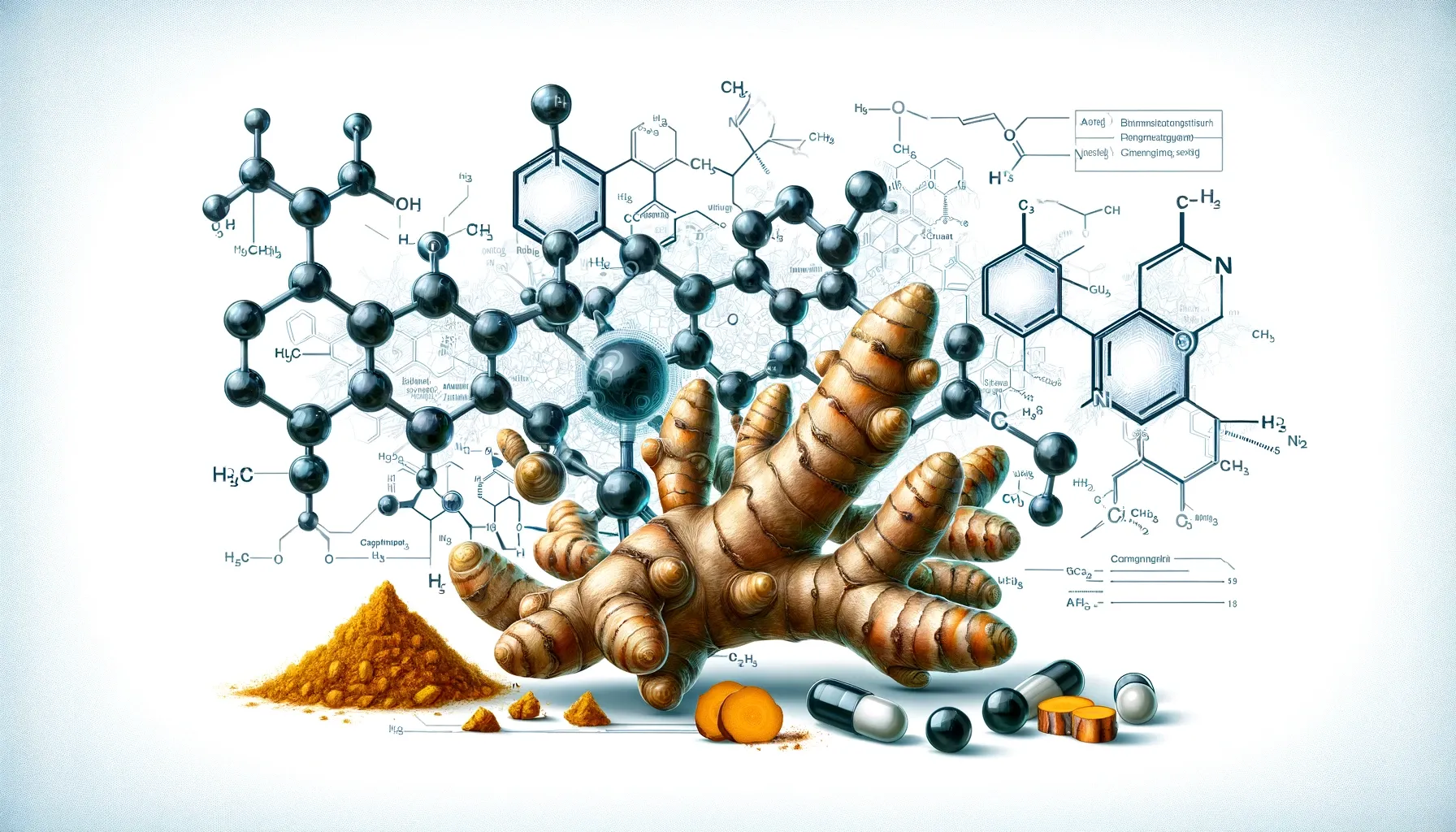
Curcumin, as a naturally derived polyphenolic compound, has a unique chemical structure that is the basis of its biological activity. It is primarily extracted from the rhizome of turmeric, a plant widely used in Asian cooking and traditional medicine. The molecular structure of Curcumin is particularly striking because it contains several key functional groups that give Curcumin its significant pharmacological effects.
Molecular structural characteristics
Polyphenol structure: The molecular core of Curcumin is a polyphenol structure, which is a component containing multiple phenolic hydroxyl groups. These phenolic hydroxyl groups are powerful antioxidants that can effectively neutralize free radicals and reduce oxidative stress.
Unsaturated carbon chains: Curcumin molecules also contain unsaturated carbon chains. This structure enhances its reactivity, allowing it to interact with a variety of biomolecules.
Ketone group: The ketone group (C=O) in its molecular structure is particularly critical for its anti-inflammatory effect because they are involved in inhibiting inflammatory signaling pathways.
The role of active ingredients
These chemical properties of Curcumin make it an effective natural remedy. Phenolic hydroxyl groups provide antioxidant protection and help relieve inflammation caused by oxidative stress. At the same time, the presence of unsaturated carbon chains and ketone groups enables Curcumin to effectively interact with the body's inflammatory pathways, thereby reducing the inflammatory response.
Through these complex but synergistic chemical effects, Curcumin shows great potential as an anti-inflammatory and antioxidant, which provides a scientific basis for its application in the treatment of inflammatory diseases such as arthritis.
Anti-inflammatory mechanism: blocking inflammatory pathways
The mechanism of Curcumin's anti-inflammatory effect is multifaceted and involves multiple biological pathways. These mechanisms work together to effectively reduce the inflammatory response, especially in diseases such as arthritis.
Inhibit the production of inflammatory mediators
Prostaglandins and leukotrienes: Curcumin can interfere with the synthesis of prostaglandins and leukotrienes. These are important chemical signals produced during inflammation, and they play a key role in causing pain and swelling. By reducing the production of these inflammatory mediators, Curcumin helps relieve joint pain and swelling.
Inhibition of cyclooxygenase and lipoxygenase: Curcumin also inhibits cyclooxygenase (COX) and lipoxygenase (LOX), which are synthesized by prostaglandins and leukotrienes. Key enzymes. This inhibitory effect further reduces the production of inflammatory mediators.
Intervention in inflammatory signaling pathways
NF-κB pathway: A key mechanism is the effect of Curcumin on the NF-κB signaling pathway. NF-κB is a key transcription factor that regulates inflammatory responses and controls the expression of a variety of inflammatory genes. Curcumin can inhibit the activation of NF-κB, thereby reducing the production of inflammatory cytokines and reducing inflammatory response.
Cytokine regulation: Curcumin can also regulate a variety of inflammatory cytokines, such as tumor necrosis factor-α (TNF-α) and various interleukins. By reducing the release of these pro-inflammatory cytokines, Curcumin helps control the inflammatory response.
Through these mechanisms, Curcumin exhibits powerful anti-inflammatory capabilities in organisms. It not only directly affects the production of inflammatory mediators, but also regulates inflammatory pathways at the molecular level, thus providing an effective natural option for the treatment of inflammatory diseases such as arthritis.
Antioxidant effect: Reduce free radical damage
Another important biological property of Curcumin is its antioxidant effect, which is critical for reducing inflammation and preventing cell damage.
Free radicals and oxidative stress
Formation of Free Radicals: During normal metabolism, the body produces free radicals, which are molecules or atoms that contain unpaired electrons. Although free radicals are necessary in certain biological processes, excess free radicals can cause oxidative stress, which can damage cells.
Oxidative stress and inflammation: Oxidative stress plays a key role in the development of many diseases, especially in inflammatory diseases such as arthritis. Free radicals can damage cell membranes, DNA and other cellular components, exacerbating inflammation.
Antioxidant mechanism of curcumin
Neutralizing Free Radicals: Curcumin can effectively neutralize free radicals, especially highly reactive oxygen free radicals. Its phenolic hydroxyl groups can react with free radicals, thereby neutralizing them and reducing oxidative damage.
Increase antioxidant enzyme activity: In addition to directly neutralizing free radicals, Curcumin can also enhance the activity of antioxidant enzymes in the body, such as superoxide dismutase (SOD) and glutathione peroxidation enzyme (GPx). These enzymes help eliminate free radicals and protect cells from oxidative stress damage.
Through these mechanisms, Curcumin not only directly scavenges harmful free radicals, but also enhances the body's antioxidant defense system, thereby helping to reduce oxidative stress and inflammation and protect the health of joints and other tissues.
Interaction between Curcumin and the immune system
Curcumin’s effects on the immune system are a key component of its therapeutic potential, especially in the management of inflammatory and autoimmune diseases.
Regulate immune cell activity
Immune cell regulation: Curcumin can affect a variety of immune cells, including lymphocytes, macrophages and dendritic cells. These cells play a central role in immune responses and inflammatory processes. Curcumin helps balance the immune response by regulating the activity of these cells.
Reduces pro-inflammatory cytokines: Curcumin can reduce the release of certain pro-inflammatory cytokines, such as tumor necrosis factor-α (TNF-α) and interleukin-6 (IL-6). These cytokines play key roles in inflammatory responses and autoimmune diseases.
Increase anti-inflammatory cytokines
Enhance anti-inflammatory response: In addition to reducing pro-inflammatory cytokines, Curcumin also enhances the production of anti-inflammatory cytokines, such as interleukin-10 (IL-10). This balancing act helps reduce excessive immune responses and reduce inflammatory symptoms.
Regulating T cell responses: T cells are an important part of the immune system. Curcumin helps reduce the symptoms of autoimmune diseases, such as rheumatoid arthritis, by modulating the activity of T cells, especially helper T cells and regulatory T cells.
Curcumin interacts with the immune system through these mechanisms, helping to modulate immune responses and reduce symptoms of inflammation and autoimmune diseases. This property makes Curcumin a promising natural supplement for treating inflammatory and autoimmune diseases.
The auxiliary effect of black pepper
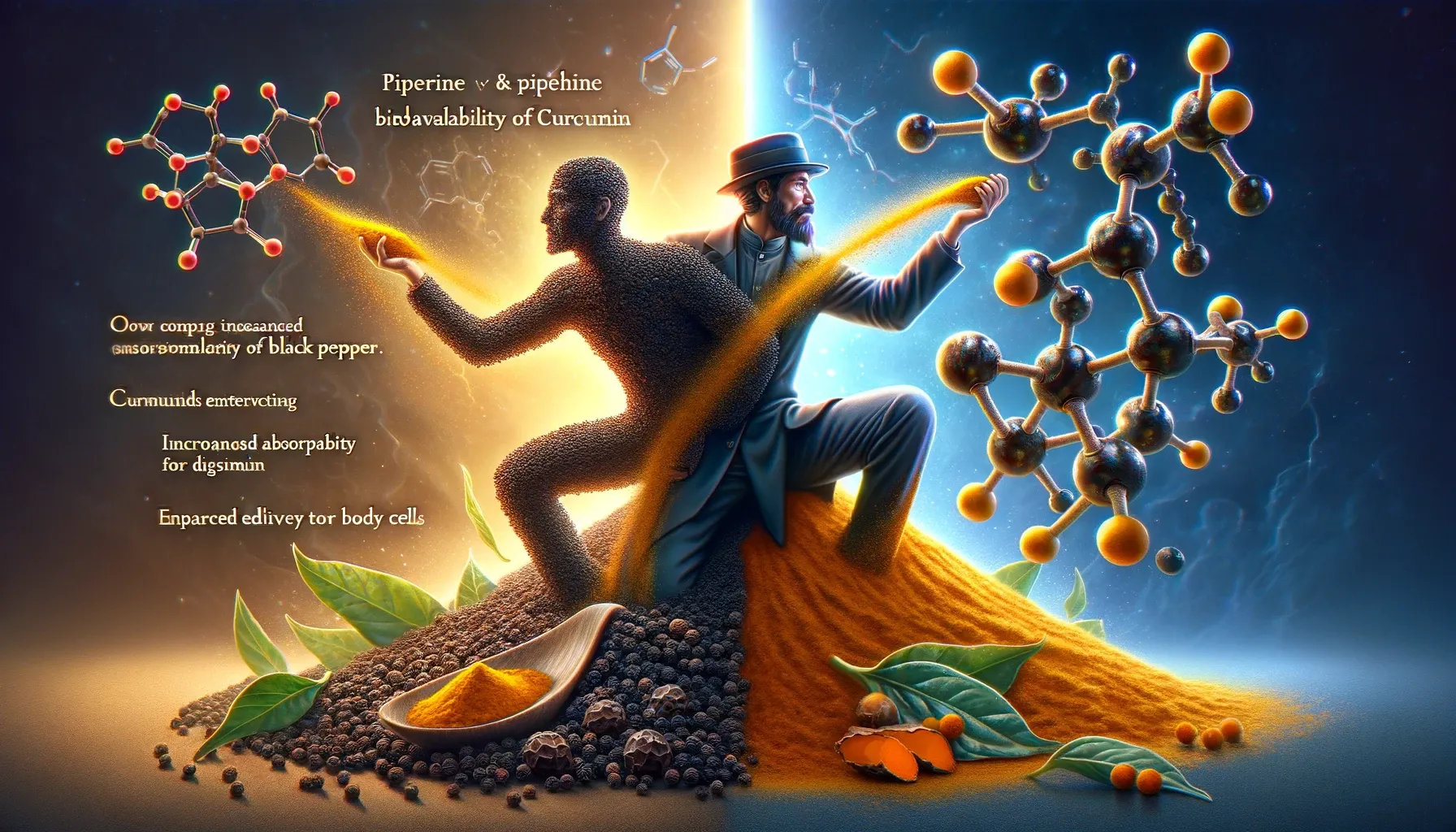
Not only is black pepper one of the most commonly used spices in the world, it is also valued for its ability to enhance the absorption of other substances, especially Curcumin. The key ingredient is piperine, which has a significant impact on Curcumin’s bioavailability.
Absorption promotion mechanism of piperine
Piperine is a major active ingredient in black pepper and plays a key role in increasing the bioavailability of other compounds, especially Curcumin. The specific ways of this absorption promotion mechanism are as follows:
Influence intestinal absorption
Enhance intestinal absorption: Piperine increases the absorption of Curcumin by affecting intestinal permeability. It makes the intestinal wall more easily penetrated by Curcumin, thereby increasing the amount of Curcumin entering the bloodstream.
Reduced Metabolic Enzyme Activity: Piperine can reduce the activity of certain enzymes in the intestines that are normally responsible for metabolizing and breaking down Curcumin, causing it to be broken down before it is absorbed. By inhibiting these enzymes, piperine increases the absorption of more Curcumin.
Effects on liver metabolism
Changes in liver metabolism: The liver is the main metabolic organ of the body, and many substances are processed in the liver before reaching the systemic circulation. Piperine slows down the enzymes in the liver that process Curcumin, thereby reducing the metabolism of Curcumin in the liver and allowing more Curcumin to enter the systemic circulation.
Through these mechanisms of action, piperine greatly increases the bioavailability of Curcumin, making it more efficiently absorbed and utilized by the body. This finding has significant implications for enhancing the effectiveness of Curcumin as a health supplement.
Effects of piperine on the bioavailability of Curcumin
Piperine's effect on Curcumin's bioavailability is one of its most compelling properties and is critical to enhancing Curcumin's efficacy.
Significantly improve bioavailability
Enhance absorption:The most significant effect of piperine is to greatly increase the absorption rate of Curcumin in the human body. Research shows that Curcumin’s bioavailability can be increased by up to 2,000% when combined with piperine. This means that for the same dose of Curcumin, in the presence of piperine, the concentration of its active ingredient in the blood is greatly increased.
Long-lasting effects: Piperine not only improves the initial absorption of Curcumin, but also prolongs its residence time in the body. This means Curcumin’s effects last longer, increasing its therapeutic potential.
Impact on efficacy
Improved efficacy: Due to increased bioavailability, the pharmacological effects of Curcumin, including its anti-inflammatory and antioxidant effects, are significantly enhanced. This is especially important for conditions such as arthritis that require long-term and consistent use of Curcumin to manage inflammation and pain.
Reducing the doseamount required:Improving bioavailability also means It is possible to reduce the dose of Curcumin required to achieve the same effect, making the treatment more cost-effective while potentially reducing the risk of any potential side effects.
Therefore, piperine's enhanced bioavailability of Curcumin plays a key role in achieving Curcumin's full efficacy as a health supplement.
The synergistic effect of black pepper and Curcumin
The combination of black pepper and Curcumin not only improves the bioavailability of Curcumin, but also enhances their respective pharmacological effects, creating a synergistic effect.
Mutual synergy
Enhance anti-inflammatory effects: When combined with Curcumin, the piperine in black pepper can enhance the anti-inflammatory effects of Curcumin. This is because piperine increases the bioavailability of Curcumin, allowing more Curcumin to reach and affect areas of inflammation.
Common antioxidant effects: Black pepper itself also has antioxidant properties. When combined with Curcumin, the antioxidant effects of the two enhance each other to more effectively combat oxidative stress and protect the body from free radical damage.
Mechanism of synergy
Enhanced Pharmacological Activity: The combination of black pepper and Curcumin works synergistically through multiple mechanisms, including co-inhibition of inflammatory pathways and enhancement of antioxidant defenses.
Enhanced Therapeutic Potential: This synergy increases the potential of both in treating inflammation and other related conditions, particularly arthritis, digestive disorders, and cardiovascular disease.
Safety and feasibility
Safety Considerations: Although the combination of Curcumin and piperine is generally considered good in terms of safety, use under professional medical guidance is recommended, especially for individuals taking other medications.
PracticalApplication:This combination is practical in that it is easy to supplement through diet or take as a health supplement, making it an easy way to manage inflammation and promote overall health.
Through this synergistic effect, the combination of black pepper and Curcumin provides strong support for improving the efficacy of natural therapies, especially in the prevention and treatment of inflammation and oxidative stress-related diseases.
Clinical Research and Evidence
The combination of Curcumin and black pepper has shown positive results in multiple clinical studies, particularly in the treatment of arthritis. These studies range from laboratory studies to human clinical trials.
Laboratory research: findings in cell and animal models
Cell-level research: In cell experiments, Curcumin has shown the ability to inhibit a variety of inflammatory mediators and signaling pathways. These findings provide molecular-level evidence for its anti-inflammatory effects.
Animal model studies: In animal models, treatment with a combination of Curcumin and black pepper significantly reduced symptoms caused by inflammation, such as joint swelling and pain. These studies demonstrate its potential effects in real organisms.
Human Clinical Trial: Curcumin in the Treatment of Arthritis
Effectiveness verification: In human clinical trials, the combination of Curcumin and black pepper has been proven to be effective in reducing pain and improving joint function in arthritis patients.
Dose and Effects: These studies also helped determine effective dose ranges while validating safety and tolerability.
Long-term studies and follow-up: Safety and sustained effects
Long-Term Studies: Long-term studies show that long-term use of Curcumin and black pepper is safe in most individuals with no significant side effects.
Sustained Effects: Follow-up studies show that long-term use of these supplements can continue to improve inflammatory symptoms and improve quality of life.
Comparative study: versus traditional arthritis treatments
Comparison to Traditional Treatments: Some studies have compared the effects of a combination of Curcumin and black pepper to traditional arthritis medications. While these supplements are not typically the first choice as an alternative to traditional treatments, they have proven to be a beneficial adjunct.
These clinical studies and evidence demonstrate the potential positive effects of the combination of Curcumin and black pepper in treating arthritis and reducing inflammatory symptoms, providing a scientific basis for the use of this natural remedy.
user's guidance
While Curcumin and black pepper are generally considered good in terms of safety as natural supplements, it's important to know how to use them correctly to ensure you maximize their effects and avoid potential problems.
Correct dosage
Dosage Adjustment: Recommended doses of Curcumin and black pepper may vary among individuals. Generally speaking, daily Curcumin intake can range from a few hundred milligrams to a few grams, while piperine doses are usually lower.
Physician Consultation: Before starting to use these supplements, it is best to consult a physician or professional health advisor, especially for those who have existing health conditions or are taking other medications.
Time and method of taking
Take with food: Since Curcumin is fat-soluble, taking it with food containing fat can increase its absorption.
Regular Take: For best results, it is recommended to take Curcumin and black pepper supplements regularly and follow a consistent dosing schedule.
Combination with other treatments
Adjunctive treatments: Curcumin and black pepper can be used as a complement to traditional treatments, not as a replacement for existing medical regimens. They can be used along with other treatments such as physical therapy, lifestyle modifications, and more.
Avoid interactions: When using these supplements, be aware that they may interact with certain medications, such as anticoagulants.
Product recommendations
When choosing a Curcumin and black pepper supplement, it’s important to consider its quality, bioavailability, and comprehensiveness of the formula. Here are some recommended key points:
Quality and Purity
Certified and Tested: Choose products that have been third-party tested and certified to ensure their purity and ingredient content.
Additive-Free: Prefer products without unnecessary additives, fillers or artificial ingredients.
Formulation and Bioavailability
Curcumin with Piperine: Choose a Curcumin supplement that already contains piperine to increase bioavailability.
Appropriate Dosing: Choose products that provide effective doses of Curcumin and piperine, doses recommended based on clinical studies.
Buy our Curcumin and black pepper products
Our high-quality Curcumin and black pepper supplements are specially formulated to provide optimal anti-inflammatory and antioxidant effects. If you wish to purchase or learn more about our products, here are the detailed steps to contact and purchase:
Contact us directly: You can contact us directly by email, phone or our official website. Our professional team is ready to answer any questions you may have and assist you with the purchasing process.
Visit our website: Our website provides detailed product information, including ingredients, dosage and usage guidelines . You can easily browse different product options and place your order directly online.
Customized Consultations: If you have specific health needs or questions, we offer personalized consultations. Our team of experts can help you choose the product that best suits your personal health goals.
Safe and fast delivery: Once you have selected the product you require and completed your order, we will ensure that the product reaches you safely with a reliable and fast delivery service.
We are committed to providing the highest quality Curcumin and Black Pepper supplements and ensuring your purchasing experience is convenient and enjoyable. Whether inquiring about product information or handling the purchasing process, our team provides comprehensive support.


