


Introduction
Curcumin, which may sound strange, is actually the main active ingredient in turmeric, a common spice in our daily lives. Not only does it add a bright golden color and unique aroma to our dishes, it has gradually become a hot topic in medical research over the past few decades, especially in exploring its potential benefits to human health. Curcumin is known for its powerful anti-inflammatory and antioxidant properties, and in traditional Eastern medicine it has been used to treat a variety of ailments, from the common cold to more complex inflammatory diseases.
In this article, we’ll take a closer look at the many ways Curcumin can positively impact our bodies. Not only will we explore its health benefits that have been backed by scientific research, such as reducing inflammation, improving heart health, promoting digestive health, and even improving brain function, but we'll also discuss how to effectively utilize this powerful natural ingredient in your daily life. Whether you are a health enthusiast, someone interested in natural remedies, or simply want to learn more about how to improve your health naturally, this article will provide you with valuable information and practical advice.
Let’s begin this journey of discovery to uncover the amazing benefits of Curcumin and learn how it can be a powerful tool to support health and prevent disease.
Anti-inflammatory and analgesic effects
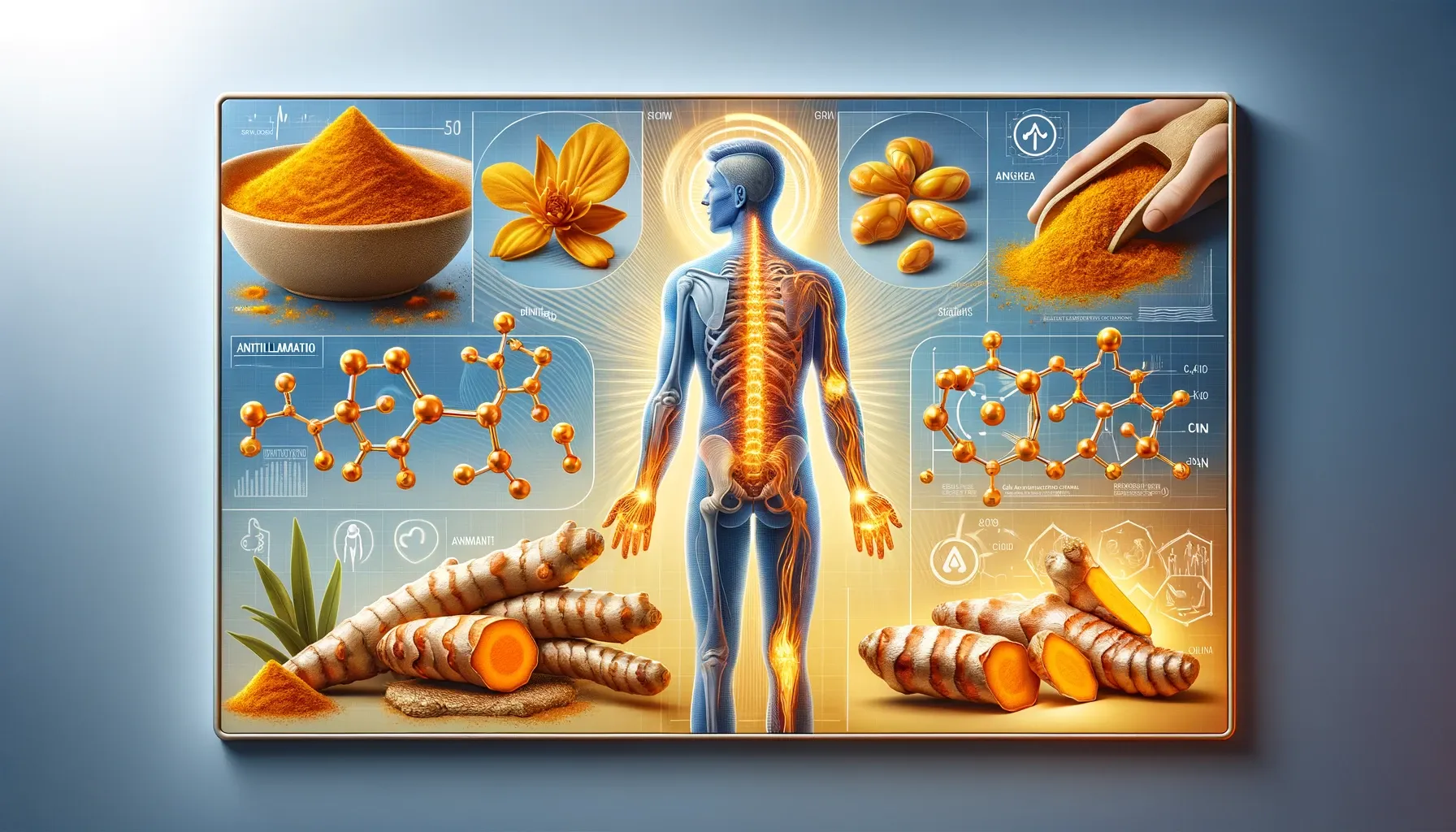
Curcumin’s anti-inflammatory properties are one of its most compelling benefits, and it has shown significant efficacy in both traditional medicine and modern scientific research. As one of nature's most powerful anti-inflammatory agents, Curcumin works by inhibiting specific inflammatory pathways in the body. It does this primarily by reducing the production of prostaglandins, substances that cause an inflammatory response, and inhibiting the activity of key inflammatory factors such as tumor necrosis factor (TNF). This anti-inflammatory mechanism provides an effective natural therapy for relieving chronic inflammatory diseases such as osteoarthritis, rheumatoid arthritis, enteritis, and skin inflammation.
In addition to its anti-inflammatory effects, Curcumin has also been found to have analgesic effects. It can reduce pain caused by inflammation, such as joint pain and muscle pain. This property makes Curcumin ideal for those who wish to avoid long-term use of nonsteroidal anti-inflammatory drugs (NSAIDs). Although NSAIDs are effective, long-term use can cause gastrointestinal problems and other side effects. In contrast, Curcumin provides a gentler form of pain relief with fewer side effects.
While using Curcumin as an anti-inflammatory and analgesic, it's also important to note that its side effects are generally minimal, but it may cause mild digestive discomfort in high doses. Therefore, it is recommended to use it under the guidance of a doctor or health professional, especially when used with other medications.
Enhance antioxidant defense
Curcumin’s role as an antioxidant is another significant health benefit. In our bodies, oxidative stress is generated by free radicals, unstable molecules that can damage cells, accelerate the aging process, and increase the risk of a variety of diseases, including heart disease, diabetes, and certain types of cancer. Curcumin effectively neutralizes free radicals and reduces the damage they cause to cells, thanks to its chemical structure that allows it to react directly with free radicals, thereby inhibiting their activity.
Additionally, Curcumin enhances the body’s natural antioxidant enzymes, such as superoxide dismutase (SOD) and glutathione peroxidase (GPx). These enzymes play a key role in the body's defense against free radicals. By enhancing the activity of these antioxidant enzymes, Curcumin helps improve the body's ability to repair itself and slow down cellular aging, thereby promoting long-term health.
These antioxidant properties of Curcumin are not only essential for maintaining good health, but are also important in preventing chronic disease and managing the aging process. For example, it has shown potential benefits in preventing skin aging and protecting the skin from environmental stressors such as ultraviolet radiation and pollution. In addition, Curcumin has been shown to have positive effects on improving brain health, particularly in preventing age-related cognitive decline.
Improve cardiovascular health
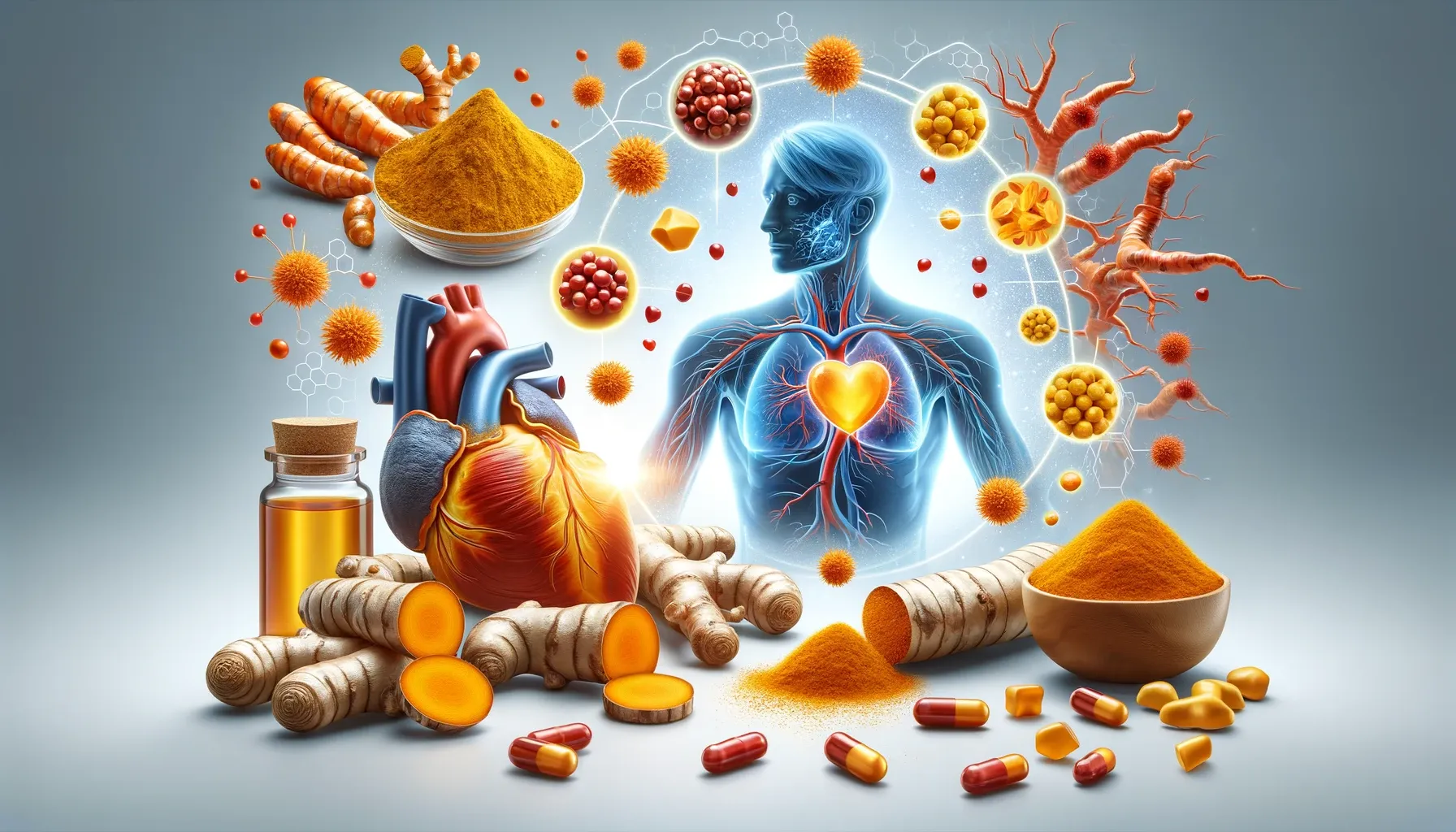
Cardiovascular health is a key component of overall health, and Curcumin has demonstrated significant health benefits in this area. Its positive impact on heart health can be seen in several ways: improving blood circulation, lowering bad cholesterol (LDL) levels, reducing the risk of atherosclerosis, and lowering blood pressure.
Curcumin combats atherosclerosis by reducing LDL oxidation and lowering plasma cholesterol levels. This property is particularly important because atherosclerosis is a major risk factor for heart disease and stroke. By reducing inflammation within blood vessels and slowing the process of arteriosclerosis, Curcumin helps maintain healthy blood circulation.
Additionally, another important benefit of Curcumin for heart health is its blood pressure-lowering effects. High blood pressure is another major risk factor for heart disease and stroke. Curcumin helps lower blood pressure by improving blood vessel function and reducing blood vessel tone, which is critical in preventing complications from high blood pressure.
Promote digestion and intestinal function
Curcumin’s role in improving digestive health is also noteworthy. This natural compound has significant benefits in promoting digestive function, relieving symptoms of indigestion, and maintaining intestinal health.
First, Curcumin aids digestion by stimulating bile production. Bile is an essential component of the digestive process, helping to break down and absorb fat. By increasing bile production, Curcumin helps improve the efficiency of food digestion and relieves symptoms of indigestion, such as bloating and upset stomach.
In addition, Curcumin also plays an important role in maintaining intestinal health. Its anti-inflammatory properties are particularly beneficial in reducing symptoms of enteritis and other inflammation-related intestinal diseases, such as Crohn's disease and ulcerative colitis. By reducing intestinal inflammation, Curcumin helps relieve intestinal discomfort and improve intestinal function.
Curcumin is also thought to have positive effects on the health of the gut microbiome. A healthy gut microbiome is essential for overall health, including immune system function, mental health, and nutrient absorption. By improving the balance of gut microbes, Curcumin may help strengthen the barrier function of the intestinal wall and reduce the invasion of harmful bacteria, thus maintaining overall gut health.

Improve brain health and cognitive function
Curcumin’s positive impact on brain health is an important discovery in scientific research in recent years. This natural compound has been found to help improve brain function and protect nerve cells, showing potential in preventing and treating age-related cognitive decline.
First, Curcumin promotes the production of brain-derived neurotrophic factor (BDNF). BDNF is a protein that plays a key role in the brain and is essential for the survival, growth and differentiation of nerve cells. By boosting BDNF levels, Curcumin helps strengthen neural connections and improve memory and learning, which is particularly important in the prevention and treatment of Alzheimer's disease and other forms of cognitive decline.
Additionally, Curcumin’s anti-inflammatory and antioxidant properties are also important in protecting brain cells from damage. Oxidative stress and inflammation are considered key factors in neurodegenerative diseases. By attenuating these pathological processes, Curcumin may help delay or prevent age-related decline in brain function.
It’s worth noting that Curcumin has also been studied for treating depression and anxiety, conditions that are often linked to chemical imbalances in the brain. Preliminary research suggests that Curcumin can modulate certain key neurotransmitters, such as serotonin and dopamine, which may have positive effects on mood regulation and mental health.
Other potential benefits
In addition to the health benefits already discussed in detail, Curcumin has been studied for the treatment and prevention of a variety of other health problems, making these potential benefits a versatile natural supplement.

On the one hand, Curcumin shows promise in anti-cancer research. Some laboratory studies suggest it can interfere with the growth and spread of cancer cells and may enhance the effectiveness of chemotherapy. While these findings need to be confirmed by more extensive clinical trials, they provide preliminary evidence that Curcumin may serve as an adjunct to cancer treatment.
On the other hand, Curcumin has also shown positive effects in the management of diabetes. Studies show that it can help regulate blood sugar levels and reduce complications associated with diabetes, such as neuropathy and retinopathy. Through its anti-inflammatory and antioxidant effects, Curcumin helps improve insulin sensitivity, thereby controlling diabetes to some extent.
In addition, Curcumin has shown potential benefits in treating premenstrual syndrome (PMS) and menopausal symptoms. Some studies show it can reduce mood swings, pain and other symptoms associated with PMS. For menopausal women, Curcumin may help relieve hot flashes and sleep problems.
How to effectively use Curcumin
For those looking to reap the benefits of higher doses of Curcumin, supplements are an effective option. There are many forms of Curcumin supplements on the market, including capsules, tablets, and powders. When choosing a supplement, pay attention to its Curcumin content and whether it contains black pepper extractshttps://www.plantextractwholesale.com/product/black-pepper-extract-manufacturers-suppliers.html (such as alkaloids), which can help increase Curcumin's bioavailability.
When using Curcumin supplements, it is important to follow recommended dosages and consider any potential side effects or interactions with other medications. While Curcumin is generally considered safe, there are certain circumstances, such as pregnancy, breastfeeding, or certain health conditions, where use should be avoided or a doctor should be consulted before use.
Precautions and possible side effects
Although Curcumin has relatively few side effects, it may cause mild gastrointestinal discomfort, such as stomach pain, diarrhea, or nausea in some people. Additionally, because Curcumin has anticoagulant effects, people taking anticoagulant medications should consult their doctor before use. High-dose Curcumin supplements may also affect iron absorption and should be used with caution in people with iron deficiency anemia.
Scientific research and evidence
Recent scientific research on Curcumin
Curcumin has received considerable attention in the scientific community in recent years, with numerous studies devoted to exploring its potential health benefits. These studies range from cell experiments to animal models to human clinical trials.
For example, one study found that Curcumin can significantly reduce inflammation and pain in people with arthritis. Other studies have focused on its impact on heart health, finding that it can help lower cholesterol levels and reduce the risk of atherosclerosis in people with heart disease. In the field of neurodegenerative diseases, some clinical trials suggest that Curcumin may help improve symptoms of mild cognitive impairment.
Expert opinion and clinical trials
Reviews of Curcumin are generally positive in the medical and scientific community, but experts have also stressed the need for more in-depth research. Many doctors and nutrition experts recommend Curcumin as a complementary treatment, not a replacement for traditional medical treatments.
Clinical trials are an important part of scientific research, and they help verify the effectiveness and safety of supplements. Many clinical trials on Curcumin have focused on its anti-inflammatory and antioxidant properties, with results generally showing positive health effects. However, researchers are still trying to understand Curcumin's specific mechanism of action and its effects on different groups of people.
Conclusion
In this article, we take a comprehensive look at Curcumin’s multiple health benefits, including its anti-inflammatory, antioxidant properties, and positive effects on heart health, digestive system, brain function, and overall well-being. Backed by scientific research and evidence, we can see that Curcumin has great potential as a natural supplement to maintain and improve health.
Advice to readers
Incorporate it into your daily diet: Consider adding turmeric to your daily cooking to not only add flavor and color to your food, but also to provide physical benefits.
Supplement Use: For those who require higher doses of Curcumin, supplements may be considered. Choose products that contain black pepper extract for enhanced absorption.
Get professional advice: Before starting any new supplement, especially people who have certain health conditions or are taking other medications, they should consult a doctor or medical professional.
Keep an eye on new research: Scientific research into Curcumin continues to advance, and staying on top of new findings may help with your personal health plan.
Future Outlook
As Curcumin is studied further, we look forward to discovering more about how it improves and protects health. New areas of application may be discovered in the future, further expanding our understanding and applications of this powerful natural compound.


