


1. Introduction
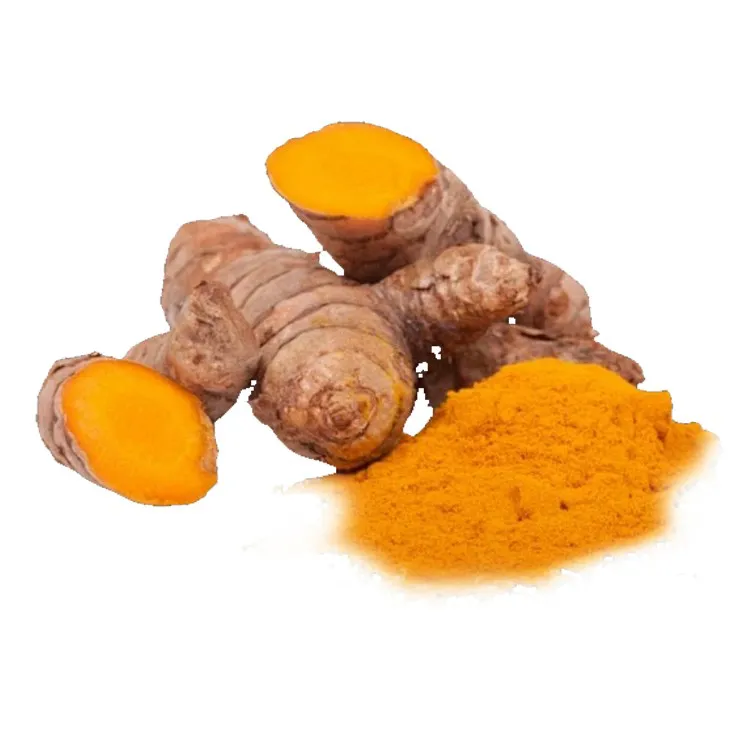
Curcumin, a natural compound derived from the turmeric plant, has been the subject of extensive research in recent years. Its potential health benefits span a wide range of areas, from anti - inflammatory and antioxidant properties to possible applications in cancer treatment and chronic disease prevention. As the study on Curcumin has reached a certain stage, it is crucial to draw conclusions from the existing research and make recommendations for future investigations.
2. Conclusion on Curcumin's Multiple Functions
2.1 Anti - inflammatory Properties
One of the most well - established functions of Curcumin is its anti - inflammatory activity. Inflammatory processes are at the root of many diseases, including arthritis, heart disease, and certain cancers. Curcumin has been shown to modulate multiple inflammatory pathways, inhibiting the production of pro - inflammatory cytokines such as interleukin - 1β (IL - 1β) and tumor necrosis factor - α (TNF - α). Studies in vitro and in animal models have demonstrated its effectiveness in reducing inflammation, which provides a strong basis for its potential use in human inflammatory diseases.

2.2 Antioxidant Activity
Curcumin also exhibits significant antioxidant capabilities. Oxidative stress, caused by an imbalance between the production of reactive oxygen species (ROS) and the body's antioxidant defenses, is implicated in aging and various diseases. Curcumin can scavenge free radicals, such as superoxide anions and hydroxyl radicals, thereby protecting cells from oxidative damage. This antioxidant property is thought to contribute to its potential in preventing neurodegenerative diseases like Alzheimer's and Parkinson's, where oxidative stress plays a major role.

2.3 Potential in Cancer Treatment
The role of Curcumin in cancer treatment is an area of great interest. Although it is not a substitute for conventional cancer therapies, Curcumin has shown promise in pre - clinical studies. It can induce apoptosis (programmed cell death) in cancer cells, inhibit cancer cell proliferation, and suppress tumor angiogenesis (the formation of new blood vessels that tumors need to grow). For example, in breast cancer and colon cancer cell lines, Curcumin has been shown to interfere with key signaling pathways involved in cancer progression. However, translating these findings into effective clinical applications remains a challenge.

2.4 Role in Chronic Disease Prevention
Given its anti - inflammatory and antioxidant properties, Curcumin has potential in chronic disease prevention. In the context of cardiovascular disease, it may help reduce risk factors such as inflammation, lipid peroxidation, and platelet aggregation. In diabetes, Curcumin could potentially improve insulin sensitivity and regulate blood glucose levels. Additionally, its anti - inflammatory effects may be beneficial in preventing or managing chronic obstructive pulmonary disease (COPD) and other chronic inflammatory conditions.
3. Recommendations for the Future
3.1 Enhancing Delivery Methods
One of the major challenges in harnessing the full potential of Curcumin is its poor bioavailability. Delivery methods need to be improved to ensure that an effective amount of Curcumin reaches its target sites in the body.
- Nanoparticle - based delivery systems: Nanoparticles can be engineered to encapsulate Curcumin, protecting it from degradation in the gastrointestinal tract and improving its solubility. These nanoparticles can be designed to target specific cells or tissues, increasing the specificity of Curcumin delivery. For example, liposomal nanoparticles have been investigated for their ability to enhance Curcumin uptake by cancer cells.
- Combination with other substances: Pairing Curcumin with substances that can enhance its absorption is another approach. For instance, piperine, a compound found in black pepper, has been shown to increase Curcumin bioavailability. Research could focus on developing formulations that combine Curcumin with such absorption - enhancing agents in a more effective and stable manner.

3.2 Conducting More In - depth Clinical Trials
While pre - clinical studies have provided valuable insights into Curcumin's potential, more clinical trials are needed to establish its efficacy and safety in humans.
- Large - scale, randomized controlled trials: These trials are essential for evaluating Curcumin's effects on specific diseases. For example, in the case of Alzheimer's disease, large - scale trials could determine whether Curcumin can slow down cognitive decline in patients. Such trials should have well - defined endpoints, appropriate dosing regimens, and long - term follow - up to accurately assess the benefits and risks.
- Studies on different patient populations: Curcumin's effects may vary depending on factors such as age, gender, and underlying health conditions. Future clinical trials should include diverse patient groups to better understand these differences. For instance, studying the impact of Curcumin on diabetes in both type 1 and type 2 diabetic patients, as well as in different ethnic groups, could provide more comprehensive data.
- Combination therapy trials: Given Curcumin's potential as an adjunct to existing therapies, trials investigating its combination with standard drugs are warranted. In cancer treatment, for example, combining Curcumin with chemotherapy or radiotherapy could potentially enhance treatment outcomes while reducing side effects. These trials need to carefully assess drug - drug interactions and optimal dosing combinations.
3.3 Expanding Applications in Chronic Disease Prevention
To fully realize Curcumin's potential in chronic disease prevention, further research and development are required.
- Identification of biomarkers: Biomarkers can help in predicting the risk of chronic diseases and monitoring the effectiveness of Curcumin interventions. For example, in cardiovascular disease, identifying biomarkers related to inflammation and lipid metabolism that are modulated by Curcumin could provide a more accurate assessment of its preventive effects.
- Development of functional foods and supplements: Curcumin - containing functional foods and supplements could be developed for the general population at risk of chronic diseases. However, strict quality control and standardization are necessary to ensure consistent dosing and effectiveness. Research should focus on optimizing the formulation and delivery of Curcumin in these products.
- Lifestyle intervention studies: Incorporating Curcumin into lifestyle intervention programs could be explored. For example, in a weight - loss or exercise - based program for individuals at risk of diabetes, adding Curcumin and studying its combined effects on metabolic parameters could provide valuable insights into its role in chronic disease prevention within the context of a holistic approach.
4. Conclusion
In conclusion, Curcumin's multiple functions offer great potential for improving human health. However, to fully exploit this potential, future research should focus on enhancing its delivery methods, conducting more in - depth clinical trials, and expanding its applications in chronic disease prevention. By addressing these areas, we can move closer to realizing the full benefits of Curcumin in the prevention and treatment of a wide range of diseases.
FAQ:
What are the main functions of Curcumin?
Curcumin has multiple remarkable functions, such as antioxidant, anti - inflammatory, and it may also have potential in chronic disease prevention, though more research is still needed to fully understand all of its functions.
Why is enhancing Curcumin's delivery methods important?
Enhancing Curcumin's delivery methods is crucial because Curcumin has relatively low bioavailability. By improving the delivery methods, we can increase the amount of Curcumin that actually reaches the target cells and tissues in the body, thereby maximizing its potential beneficial effects.
What are the challenges in conducting in - depth clinical trials for Curcumin?
Some of the challenges in conducting in - depth clinical trials for Curcumin include its low solubility and bioavailability, which can make it difficult to ensure consistent dosing and accurate measurement of its effects. Additionally, recruiting a large enough sample size and having long - term follow - up can also be challenging in Curcumin clinical trials.
How can Curcumin be applied in chronic disease prevention?
Curcumin may be applied in chronic disease prevention through various mechanisms. For example, its anti - inflammatory properties may help in preventing diseases related to chronic inflammation such as heart disease and arthritis. However, more research is needed to determine the optimal dosage, the long - term effects, and the most effective forms of Curcumin for chronic disease prevention.
Are there any side effects of Curcumin?
When taken in normal dietary amounts, Curcumin is generally considered safe. However, at high doses, it may cause some mild side effects such as gastrointestinal discomfort. But more research is needed to fully understand the potential side effects, especially in the context of long - term use and high - dose supplementation.
Related literature
TAGS:


-

Elderberry Extract
2024-08-11
-

Vitamin B6
2024-08-11
-

Lycopene
2024-08-11
-

Diosmin
2024-08-11
-

Eyebright Extract
2024-08-11
-

Cassia Seed Extract
2024-08-11
-

Chia Seed Powder
2024-08-11
-

Berberis aristata Extract
2024-08-11
-

Buckthorn bark extract
2024-08-11
-

Coconut Water Powder
2024-08-11