


Introduction
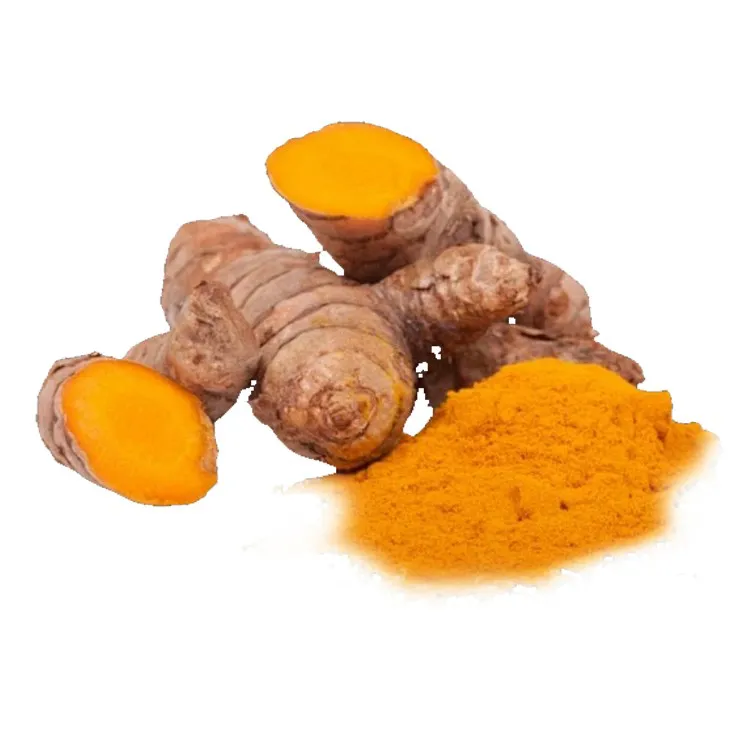
India, known for its rich heritage in spices, has a significant role in the global Curcumin market. Curcumin, the active compound in turmeric, has been the subject of extensive research due to its numerous health benefits. In recent years, Curcumin extraction plants in India have emerged as a potential area for investment. However, like any business venture, understanding the costs and benefits is crucial for making informed decisions.
Cost Considerations
Technology Costs
Initial Equipment Investment: Setting up a Curcumin extraction plant requires specialized equipment. This includes machinery for extraction, purification, and drying processes. High - quality extraction equipment can be quite expensive. For example, modern supercritical fluid extraction machines, which are known for their efficient extraction of Curcumin with high purity, can cost several tens of thousands of dollars. Additionally, the plant needs to invest in quality control and testing equipment to ensure the purity and quality of the extracted Curcumin.
Upgrades and Maintenance: Technology in the field of extraction is constantly evolving. To stay competitive and meet international quality standards, plants may need to upgrade their equipment regularly. Maintenance costs also add up over time. Regular servicing of extraction machinery, replacement of parts, and software updates for automated control systems are all necessary expenses.

Labor Costs
Skilled Workforce: Operating a Curcumin extraction plant requires a skilled workforce. Workers need to be trained in handling the extraction equipment, following quality control procedures, and ensuring safety in the plant. Skilled technicians and chemists are essential for the proper functioning of the plant. Hiring and retaining such skilled labor can be costly, especially in a competitive job market.
Training and Development: In addition to hiring skilled workers, the plant also needs to invest in their training and development. This includes providing training on new extraction techniques, safety protocols, and quality management. Continuous training ensures that the workforce can adapt to changes in the industry and maintain high - quality production.

Quality Control Costs
Testing Facilities: Quality control is of utmost importance in Curcumin extraction. The plant needs to have in - house testing facilities to check the purity, potency, and safety of the Curcumin extract. This requires investment in laboratory equipment such as high - performance liquid chromatography (HPLC) machines, spectrophotometers, and other analytical instruments. These testing facilities need to be regularly calibrated and maintained, which incurs additional costs.
Certifications and Compliance: To enter international markets, Curcumin extracts from Indian plants need to meet various international quality and safety certifications. Obtaining certifications such as Good Manufacturing Practice (GMP), Hazard Analysis and Critical Control Points (HACCP), and Organic certifications can be a time - consuming and costly process. These certifications require strict compliance with international standards, which may involve making changes to the production process and infrastructure.
Benefit Considerations

Health Benefits of Curcumin
Anti - Inflammatory Properties: Curcumin has been shown to have potent anti - inflammatory effects. It can help in reducing inflammation in the body, which is associated with various chronic diseases such as arthritis, heart disease, and certain cancers. This makes Curcumin extracts a valuable ingredient in the pharmaceutical and nutraceutical industries.
Antioxidant Activity: As an antioxidant, Curcumin can neutralize free radicals in the body. Free radicals are unstable molecules that can cause damage to cells and DNA, leading to aging and diseases. By scavenging free radicals, Curcumin helps in maintaining cellular health and may have preventive effects against diseases such as neurodegenerative disorders.
Potential in Disease Treatment: There is growing evidence suggesting that Curcumin may play a role in the treatment of various diseases. For example, in cancer research, Curcumin has been studied for its ability to inhibit tumor growth and metastasis. In addition, it may also have beneficial effects in diabetes management and improving liver function.
Economic Benefits in International Trade
High Demand in Global Markets: The global demand for Curcumin extracts is on the rise. With the increasing awareness of its health benefits, consumers in Western countries are increasingly interested in products containing Curcumin. India, as a major producer of turmeric and Curcumin, is well - positioned to meet this global demand. This presents a significant opportunity for Curcumin extraction plants in India to export their products and earn foreign exchange.
Value - Addition in the Spice Industry: Curcumin extraction adds value to the turmeric produced in India. Instead of just exporting raw turmeric, extracting Curcumin allows for higher - priced exports. The value - added Curcumin extracts can be sold in the form of dietary supplements, functional foods, and even in the pharmaceutical industry, fetching a higher price compared to raw turmeric.
Employment Generation: The growth of Curcumin extraction plants can have a positive impact on employment in India. These plants require a workforce not only for the extraction process but also for related activities such as raw material procurement, quality control, packaging, and marketing. This can help in reducing unemployment, especially in rural areas where turmeric is grown.

India's Advantage as a Major Curcumin Producer
Abundant Raw Material Supply: India has a large - scale production of turmeric, which is the source material for Curcumin extraction. The country has a favorable climate for turmeric cultivation, and farmers have a long - standing tradition of growing turmeric. This ensures a steady supply of raw material for Curcumin extraction plants, reducing the risk of raw material shortages.
Traditional Knowledge and Expertise: India has a rich heritage of using turmeric in traditional medicine such as Ayurveda. This traditional knowledge can be harnessed in the Curcumin extraction process. The understanding of turmeric's properties and the methods of extraction have been passed down through generations, providing a unique advantage to Indian Curcumin extraction plants.
Cost - Effective Production: Due to the availability of raw materials locally and relatively lower labor costs in some regions, Curcumin extraction in India can be cost - effective compared to other countries. This cost - effectiveness can give Indian producers a competitive edge in the global market.
Conclusion
Investing in Curcumin extraction plants in India has both costs and benefits. On the cost side, technology, labor, and quality control are significant factors that need to be carefully considered. However, the benefits are substantial. The health benefits of Curcumin open up opportunities in the pharmaceutical and nutraceutical industries, while the economic benefits in international trade and India's natural advantages as a major producer make it an attractive investment option. For those looking for both financial gain and a contribution to health promotion, Curcumin extraction plants in India may hold great potential.
FAQ:
What are the main costs involved in establishing a Curcumin extraction plant in India?
The main costs include those related to technology acquisition. Advanced extraction technologies may require significant investment for purchasing the necessary equipment. Labor also plays a part; hiring skilled workers for the various processes in the plant, from raw material handling to extraction and quality control, incurs costs. Quality control is another aspect with associated costs. Ensuring high - quality Curcumin extraction demands investment in quality testing equipment and trained personnel to monitor and maintain product quality.
How does the labor factor contribute to the overall cost of Curcumin extraction plants?
Labor costs are an important component. Skilled workers are needed for tasks such as operating the extraction machinery, handling the turmeric raw material, and performing quality control checks. The wages, training, and benefits for these workers all add to the overall cost. Additionally, as the process may require specific skills related to handling chemicals and operating specialized equipment, the cost of hiring and retaining qualified labor can be substantial.
What are the health benefits of Curcumin that contribute to the benefits of these extraction plants?
Curcumin has numerous health benefits. It has antioxidant properties, which can help in fighting free radicals in the body. It also has anti - inflammatory effects, potentially useful in treating various inflammatory conditions. Some studies suggest it may have a role in preventing certain types of cancers and in improving heart health. These health benefits make Curcumin a valuable product, which in turn adds to the overall benefits of the extraction plants as they produce this beneficial compound.
How does India's position as a major Curcumin producer impact the benefits of Curcumin extraction plants?
India's status as a major Curcumin producer provides several advantages. Firstly, there is an abundant supply of raw turmeric, which is the source for Curcumin extraction. This reduces the cost of raw materials compared to regions where turmeric has to be imported. Secondly, India has an established reputation in the international market for Curcumin production. This helps in easier market access and potentially better prices for the extracted Curcumin, enhancing the profitability of the extraction plants.
What role does quality control play in Curcumin extraction plants and how does it affect the cost - benefit balance?
Quality control is crucial in Curcumin extraction plants. It ensures that the final product meets the required standards for purity, potency, and safety. High - quality Curcumin is more likely to be accepted in the international market and can command a higher price. However, implementing strict quality control measures requires investment in equipment, trained staff, and quality management systems. This initial investment in quality control can be seen as a cost, but in the long run, it contributes to the overall benefit by ensuring product quality and marketability.
Related literature
TAGS:


-

Mulberry Extract
2024-07-06
-

Antler Extract
2024-07-06
-

Passionflower Extract
2024-07-06
-

Thunder God Vine Extract
2024-07-06
-

Sophora Flavescens Root Extract
2024-07-06
-

Lily extract
2024-07-06
-

Europen Bilberry Extract
2024-07-06
-

Banana juice powder
2024-07-06
-

Panax Ginseng Leaf Extract
2024-07-06
-

L-Arginine
2024-07-06