


1. Introduction
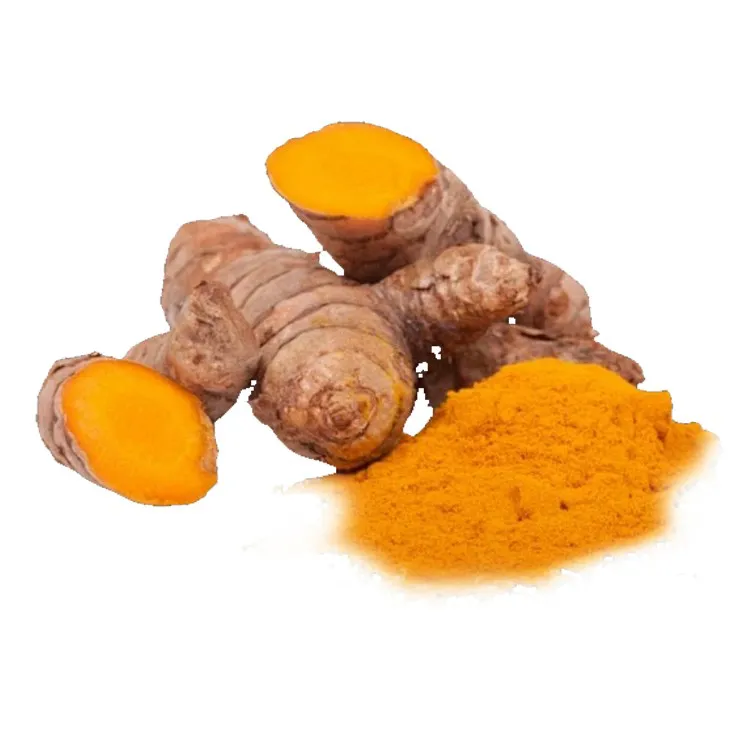
Curcumin, a natural polyphenolic compound, is the principal Curcuminoid found in turmeric (Curcuma longa). It has been a subject of extensive research in recent years due to its numerous health - promoting properties, such as anti - inflammatory, antioxidant, antimicrobial, and anticancer activities. However, the full potential of Curcumin has not been fully realized yet, mainly because of the challenges associated with its extraction and the cost involved in the extraction process from plants.
The extraction of Curcumin from turmeric plants is a complex process that is influenced by multiple factors. These factors not only affect the yield and quality of Curcumin but also have a significant impact on the overall cost of the extraction plant. Understanding these factors and optimizing the extraction process can help in reducing the cost and unlocking the true potential of Curcumin in various applications, including pharmaceuticals, nutraceuticals, and cosmetics.
2. Curcumin: Properties and Applications
2.1 Chemical Properties
Curcumin has a unique chemical structure that consists of two phenolic groups and an α,β - unsaturated carbonyl group. This structure is responsible for its antioxidant and anti - inflammatory properties. It is a hydrophobic compound, which means it has low solubility in water but is soluble in organic solvents such as ethanol, acetone, and dimethyl sulfoxide (DMSO). The chemical stability of Curcumin is also a crucial factor, as it is sensitive to light, heat, and pH. Under alkaline conditions, Curcumin can degrade rapidly, which can affect its bioactivity.

2.2 Health - Promoting Properties
- Anti - inflammatory: Curcumin can inhibit the activation of various inflammatory mediators, such as cytokines and enzymes like cyclooxygenase - 2 (COX - 2) and lipoxygenase (LOX). This makes it a potential treatment for inflammatory diseases like arthritis, inflammatory bowel disease, and asthma.
- Antioxidant: It can scavenge free radicals, which are highly reactive molecules that can cause damage to cells and tissues. By neutralizing free radicals, Curcumin helps in preventing oxidative stress - related diseases such as cancer, neurodegenerative diseases, and cardiovascular diseases.
- Antimicrobial: Curcumin has been shown to have antibacterial, antifungal, and antiviral activities. It can inhibit the growth of pathogenic bacteria such as Staphylococcus aureus, Escherichia coli, and Candida albicans.
- Anticancer: Although the exact mechanism is still being investigated, Curcumin has shown potential in inhibiting cancer cell growth, inducing apoptosis (programmed cell death), and suppressing tumor angiogenesis (the formation of new blood vessels that supply nutrients to tumors).

2.3 Applications in Different Industries
- Pharmaceuticals: Curcumin is being studied for its potential use in the treatment of various diseases, as mentioned above. It can be formulated into different dosage forms, such as tablets, capsules, and injections.
- Nutraceuticals: Due to its health - promoting properties, Curcumin is a popular ingredient in dietary supplements. It can be combined with other nutrients and bioactive compounds to enhance its efficacy.
- Cosmetics: Curcumin's antioxidant and anti - inflammatory properties make it suitable for use in skin - care products. It can help in reducing skin inflammation, improving skin complexion, and protecting the skin from oxidative damage.
3. Extraction Methods of Curcumin

3.1 Solvent Extraction
Solvent extraction is the most commonly used method for Curcumin extraction. In this method, turmeric powder or rhizome is mixed with an appropriate solvent, such as ethanol, acetone, or hexane. The mixture is then stirred or shaken for a certain period to allow the Curcumin to dissolve in the solvent. After that, the solvent is separated from the solid residue by filtration or centrifugation, and the Curcumin is recovered from the solvent by evaporation. The choice of solvent is crucial as it affects the extraction yield and the quality of Curcumin. Ethanol is a popular solvent due to its relatively low toxicity and good solubility for Curcumin. However, the extraction efficiency can be improved by using a combination of solvents or by optimizing the extraction conditions, such as temperature, time, and solvent - to - sample ratio.
3.2 Supercritical Fluid Extraction (SFE)
Supercritical fluid extraction is a more advanced and environmentally friendly method for Curcumin extraction. In this method, a supercritical fluid, usually carbon dioxide (CO₂), is used as the extracting agent. Supercritical CO₂ has properties between a gas and a liquid, which makes it an excellent solvent for Curcumin extraction. It has high diffusivity, low viscosity, and can be easily removed from the extract by simply reducing the pressure. SFE can provide a higher extraction yield and better quality Curcumin compared to solvent extraction. However, the equipment for SFE is more expensive, which can increase the overall cost of the extraction plant.

3.3 Microwave - Assisted Extraction (MAE)
Microwave - assisted extraction is a relatively new method that uses microwave energy to accelerate the extraction process. In this method, the turmeric sample and the solvent are placed in a microwave - transparent container and exposed to microwave radiation. The microwave energy heats the solvent and the sample rapidly, which increases the mass transfer rate of Curcumin from the sample to the solvent. MAE can significantly reduce the extraction time compared to traditional solvent extraction methods. However, the method requires careful control of the microwave power and extraction time to avoid degradation of Curcumin due to overheating.
3.4 Ultrasound - Assisted Extraction (UAE)
Ultrasound - assisted extraction utilizes ultrasonic waves to enhance the extraction of Curcumin. The ultrasonic waves create cavitation bubbles in the solvent, which collapse violently and generate high - pressure and high - temperature micro - environments. These micro - environments can disrupt the cell walls of the turmeric sample, facilitating the release of Curcumin into the solvent. UAE can improve the extraction efficiency and reduce the extraction time. It is also a relatively simple and cost - effective method compared to SFE.
4. Factors Influencing the Cost of Curcumin Extraction Plant
4.1 Raw Material Cost
The cost of turmeric, the raw material for Curcumin extraction, is a significant factor in the overall cost of the extraction plant. The price of turmeric can vary depending on factors such as the variety, quality, and geographical location of production. High - quality turmeric with a high Curcumin content may cost more, but it can also result in a higher yield of Curcumin during extraction. Additionally, the availability of turmeric can also affect its cost. In some regions, turmeric may be scarce, which can drive up the price.
4.2 Extraction Method and Equipment Cost
- As mentioned earlier, different extraction methods have different equipment requirements and costs. Solvent extraction methods generally require relatively simple equipment, such as mixers, filters, and evaporators, which are relatively inexpensive. However, the cost of solvents and their disposal can add to the overall cost.
- Supercritical fluid extraction requires specialized and expensive equipment, such as high - pressure pumps and extraction vessels. The high initial investment in equipment can significantly increase the cost of the extraction plant, although the long - term benefits in terms of extraction yield and quality may offset this to some extent.
- Microwave - assisted extraction and ultrasound - assisted extraction also require specific equipment, which can range from moderately priced to relatively expensive depending on the scale and sophistication of the equipment.
4.3 Energy Consumption
Energy consumption is another important factor that affects the cost of the Curcumin extraction plant. Different extraction methods have different energy requirements. For example, solvent extraction may require relatively low - energy consumption for mixing and evaporation processes, but if large - scale heating is involved to optimize the extraction, the energy cost can increase. Supercritical fluid extraction requires high - pressure generation, which can consume a significant amount of energy. Microwave - assisted extraction and ultrasound - assisted extraction also consume energy, although the overall energy consumption may be lower compared to some other methods due to their shorter extraction times.
4.4 Labor Cost
The labor cost associated with the Curcumin extraction plant includes the cost of operating the equipment, handling the raw materials and extracts, and quality control. The complexity of the extraction method and the scale of production can influence the labor requirements. For example, more labor - intensive methods may require skilled operators to ensure proper operation of the equipment and to maintain the quality of the extract. Additionally, the location of the extraction plant can also affect the labor cost, as labor costs can vary significantly from one region to another.
4.5 Quality Control and Regulatory Compliance
Quality control is essential to ensure that the extracted Curcumin meets the required standards for its intended applications. This involves testing for Curcumin content, purity, and bioactivity. The cost of quality control includes the cost of analytical instruments, reagents, and trained personnel. Moreover, regulatory compliance is also necessary, especially for applications in the pharmaceutical and nutraceutical industries. Meeting the regulatory requirements can add to the cost of the extraction plant, as it may involve additional testing, documentation, and adherence to Good Manufacturing Practice (GMP) standards.
5. Optimizing the Curcumin Extraction Process for Cost - Effectiveness
5.1 Selection of the Optimal Extraction Method
The choice of the extraction method should be based on a balance between cost and extraction efficiency. For small - scale or low - budget operations, solvent extraction methods may be more suitable due to their lower equipment cost. However, for large - scale production with a focus on high - quality Curcumin, supercritical fluid extraction or advanced assisted - extraction methods such as microwave - assisted or ultrasound - assisted extraction may be more cost - effective in the long run, despite their higher initial equipment costs. A comprehensive cost - benefit analysis should be conducted to determine the most appropriate extraction method for a particular operation.
5.2 Optimization of Extraction Conditions
- For solvent extraction, optimizing the extraction conditions such as temperature, time, and solvent - to - sample ratio can significantly improve the extraction yield and reduce the cost. For example, increasing the temperature within a certain range can enhance the solubility of Curcumin in the solvent, but too high a temperature may cause degradation of Curcumin. Similarly, finding the optimal solvent - to - sample ratio can ensure maximum extraction efficiency while minimizing the use of solvents, which can reduce the cost of solvents and their disposal.
- In supercritical fluid extraction, optimizing the pressure, temperature, and flow rate of the supercritical fluid can improve the extraction efficiency and reduce the energy consumption. These parameters should be carefully adjusted based on the characteristics of the turmeric sample and the desired quality of Curcumin.
- For microwave - assisted and ultrasound - assisted extraction, optimizing the power, time, and frequency of the microwave or ultrasonic waves can enhance the extraction efficiency while avoiding overheating or excessive cavitation, which can lead to Curcumin degradation.
5.3 Supply Chain Management of Raw Materials
Effective supply chain management of turmeric, the raw material for Curcumin extraction, can help in reducing the cost. This includes sourcing turmeric from reliable suppliers at a competitive price, ensuring the quality and consistency of the raw material, and optimizing the inventory management to avoid excessive storage costs. Additionally, exploring alternative sources of turmeric or developing sustainable cultivation methods can also contribute to cost reduction in the long term.
5.4 Automation and Process Integration
Automating the Curcumin extraction process can reduce labor costs and improve the reproducibility and quality of the extract. Automated systems can be designed to control the extraction conditions precisely, monitor the process parameters in real - time, and perform quality control checks automatically. Moreover, integrating different steps of the extraction process, such as raw material handling, extraction, and purification, can streamline the operation and reduce the overall cost by eliminating redundant processes and minimizing the transfer of materials between different units.
6. Conclusion
Curcumin has great potential in various fields, but unlocking this potential requires a comprehensive understanding of its extraction process and the associated plant cost. By considering factors such as extraction methods, raw material cost, energy consumption, labor cost, and quality control, and by optimizing the extraction process for cost - effectiveness, it is possible to produce high - quality Curcumin at a reasonable cost. This will not only benefit the industries that rely on Curcumin as an ingredient but also enable more research and development to fully explore the health - promoting properties of Curcumin. In the future, continuous innovation in extraction technology and cost - management strategies will be crucial in further exploiting the potential of Curcumin.
FAQ:
What are the common extraction methods of Curcumin?
There are several common extraction methods for Curcumin. One is solvent extraction, which often uses organic solvents like ethanol or acetone to dissolve Curcumin from turmeric. Another method is supercritical fluid extraction, typically using supercritical carbon dioxide. This method is more environmentally friendly and can produce high - quality Curcumin. Steam distillation can also be used, although it may not be as efficient as the other two in terms of Curcumin yield.
What factors can influence the cost of Curcumin extraction plants?
The cost of Curcumin extraction plants can be influenced by multiple factors. The cost of raw materials, mainly turmeric, is a significant factor. If the price of turmeric fluctuates, it will directly impact the overall cost. Equipment costs also play a role. High - quality extraction equipment, such as those used in supercritical fluid extraction, can be expensive to purchase and maintain. Labor costs, including the cost of skilled operators for the extraction process, are also part of the overall cost. Additionally, energy costs for running the extraction processes, such as heating or pressurizing in some methods, can contribute to the total cost.
How can the Curcumin extraction process be optimized?
To optimize the Curcumin extraction process, first, the choice of extraction method should be carefully considered. For example, if cost - effectiveness and environmental friendliness are important, supercritical fluid extraction may be a good option. Secondly, optimizing the parameters of the extraction process is crucial. This includes factors such as temperature, pressure (in the case of supercritical fluid extraction), and solvent concentration (in solvent extraction). Thirdly, pre - treatment of the turmeric raw material can improve extraction efficiency. For example, grinding the turmeric to a proper particle size can increase the surface area available for extraction.
What are the potential applications of Curcumin?
Curcumin has a wide range of potential applications. In the medical field, it has shown anti - inflammatory, antioxidant, and even potential anti - cancer properties. It may be used in the development of new drugs or as a dietary supplement for health promotion. In the cosmetic industry, Curcumin can be used in skincare products due to its antioxidant properties, which can help in anti - aging and skin protection. In the food industry, it can be used as a natural colorant and preservative, replacing some synthetic alternatives.
How can the quality of extracted Curcumin be ensured?
To ensure the quality of extracted Curcumin, strict quality control measures should be implemented. Firstly, the source of turmeric should be carefully selected to ensure it is of high quality and free from contaminants. During the extraction process, parameters should be closely monitored to ensure consistency. After extraction, purification steps may be necessary to remove impurities. Analytical techniques such as high - performance liquid chromatography (HPLC) can be used to measure the purity and potency of the Curcumin extract.
Related literature
TAGS:


-

Pomegranate Extract
2024-07-07
-

D-Mannose
2024-07-07
-

Stevia Extract
2024-07-07
-

L-carnitine
2024-07-07
-

Banana juice powder
2024-07-07
-

Almond Extract Powder
2024-07-07
-

Senna Leaf Extract
2024-07-07
-

Vitamin B9
2024-07-07
-

Feverfew Extract
2024-07-07
-

Okra Extract
2024-07-07