


Introduction
Natural skincare has been on the rise in recent years, with consumers becoming more aware of the potential benefits of using plant - based ingredients. Ginseng Root Extract is one such ingredient that has been gaining popularity in the skincare industry. This guide will provide you with a comprehensive understanding of how to customize and formulate natural skincare products using Ginseng Root Extract.
Benefits of Ginseng Root Extract in Skincare
Ginseng Root Extract is rich in a variety of active compounds, which contribute to its numerous skincare benefits.
Antioxidant Properties
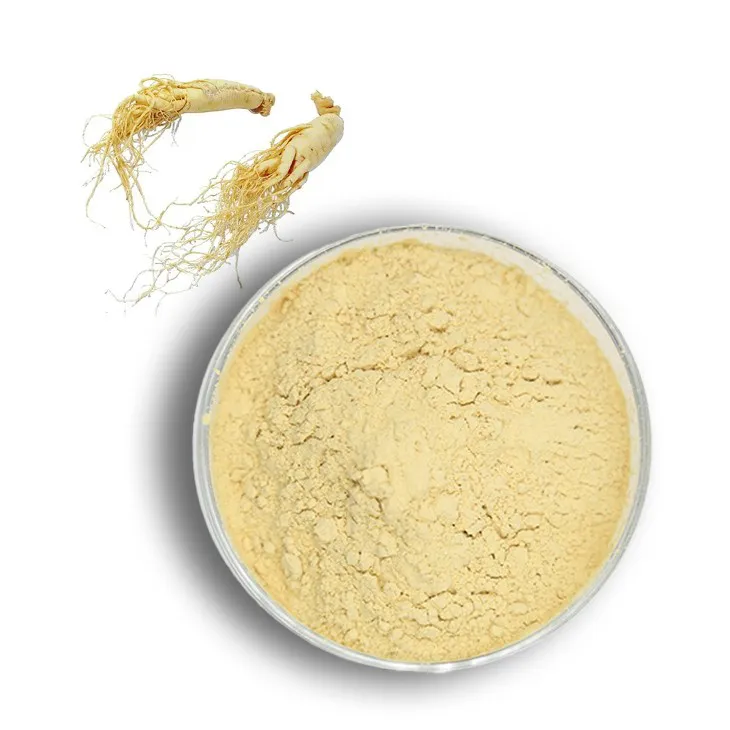
One of the key benefits of Ginseng Root Extract is its strong antioxidant activity. Antioxidants play a crucial role in protecting the skin from free radical damage. Free radicals are unstable molecules that can cause oxidative stress, leading to premature aging, wrinkles, and dull skin. Ginseng Root Extract contains compounds such as ginsenosides and phenolic acids, which can neutralize free radicals and prevent them from causing harm to the skin cells.
Anti - Inflammatory Effects
Another important property of Ginseng Root Extract is its anti - inflammatory effect. Inflammation can be triggered by various factors such as environmental pollutants, UV radiation, and skin infections. Chronic inflammation can disrupt the skin's normal function and lead to skin problems such as acne, eczema, and psoriasis. Ginseng Root Extract can help reduce inflammation in the skin, soothing irritated skin and promoting a healthier complexion.

Improving Skin Elasticity
Ginseng Root Extract has also been shown to improve skin elasticity. As we age, the production of collagen and elastin in the skin decreases, resulting in sagging skin and loss of firmness. Ginseng Root Extract can stimulate the production of collagen and elastin, helping to keep the skin firm and supple.
Ingredient Selection
When formulating natural skincare products with Ginseng Root Extract, it is important to choose other ingredients that complement its properties and enhance the overall efficacy of the product.

Base Oils
For products such as creams and lotions, choosing the right base oil is crucial. Jojoba oil is a popular choice as it closely resembles the skin's natural sebum, making it easily absorbed. Argan oil is another excellent option, rich in fatty acids and vitamin E, which can nourish the skin and enhance the antioxidant effect of Ginseng Root Extract.

Hydrating Agents
To keep the skin hydrated, ingredients like hyaluronic acid can be added. Hyaluronic acid has the ability to hold a large amount of water, providing long - lasting hydration to the skin. Glycerin is also a common hydrating agent that can help attract and retain moisture in the skin.
Other Botanical Extracts
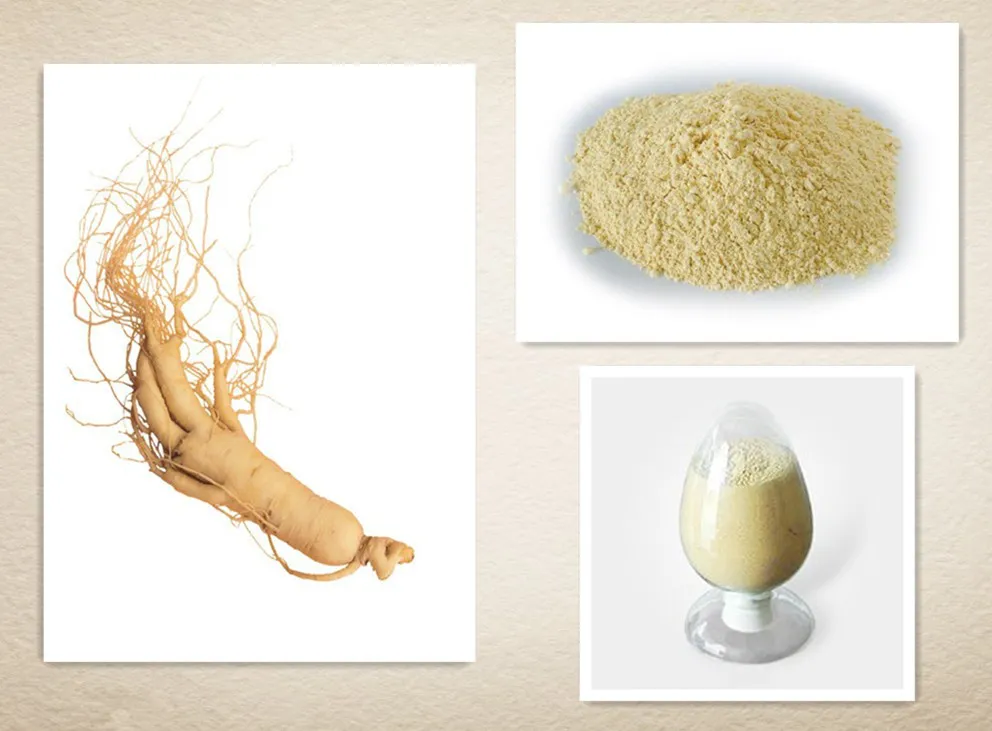
Combining Ginseng Root Extract with other botanical extracts can further enhance the skincare benefits. For example, aloe vera extract has soothing and moisturizing properties, while Green Tea Extract is rich in antioxidants and can help protect the skin from environmental damage.
Formulation Methods
Here are some basic formulation methods for creating natural skincare products with Ginseng Root Extract.
Making a Ginseng - Infused Oil
- Start by obtaining dried ginseng root. Crush it into small pieces.
- Place the crushed ginseng root in a clean, dry glass jar.
- Pour a carrier oil (such as jojoba oil or argan oil) over the ginseng root pieces, ensuring that the root is fully submerged.
- Seal the jar tightly and place it in a cool, dark place for about 2 - 4 weeks. Shake the jar gently every few days.
- After the infusion period, strain the oil through a cheesecloth or a fine - mesh sieve to remove the ginseng root pieces. The resulting ginseng - infused oil can be used as a base for creams, lotions, or as a massage oil.
Preparing a Ginseng Face Mask
- Take a small amount of Ginseng Root Extract (either commercially available or homemade as described above).
- Add some powdered ingredients such as kaolin clay (for its oil - absorbing properties) and powdered milk (for its moisturizing and soothing effects).
- Mix in a suitable liquid such as rose water or green tea infusion until a smooth paste is formed.
- Apply the mask to a clean face, avoiding the eye and mouth areas.
- Leave the mask on for 15 - 20 minutes, then rinse off with warm water.
Testing and Safety Considerations
Before using a custom - formulated skincare product with Ginseng Root Extract, it is essential to conduct some basic safety tests.
Patch Testing
Apply a small amount of the product to a small area of skin on the inner forearm. Leave it on for 24 - 48 hours and observe for any signs of redness, itching, or irritation. If there are no adverse reactions, it is generally safe to use on the face or other parts of the body.
Storage and Shelf - Life
Natural skincare products with Ginseng Root Extract should be stored in a cool, dry place away from direct sunlight. Most homemade products have a relatively short shelf - life, usually ranging from a few weeks to a few months. It is important to label the products with the date of preparation and check for any signs of spoilage such as an off - smell or change in texture before using.
Efficacy and Expected Results
With consistent use of custom - formulated skincare products containing Ginseng Root Extract, you can expect to see several positive results.
Improved Skin Tone
The antioxidant and anti - inflammatory properties of Ginseng Root Extract can help even out skin tone, reducing the appearance of dark spots and hyperpigmentation. This can result in a more radiant and youthful complexion.
Reduced Signs of Aging
As mentioned earlier, Ginseng Root Extract can stimulate collagen production and improve skin elasticity. Over time, this can lead to a reduction in the appearance of wrinkles, fine lines, and sagging skin.
Healthier Skin in General
The overall anti - inflammatory and antioxidant effects of Ginseng Root Extract can help maintain the skin's health, making it more resistant to environmental stressors and less prone to breakouts and other skin problems.
Conclusion
Custom - formulating natural skincare products with Ginseng Root Extract can be a rewarding and creative process. By understanding the benefits of Ginseng Root Extract, selecting the right ingredients, and following proper formulation methods, you can create personalized skincare products that are not only effective but also safe for your skin. However, it is important to note that everyone's skin is different, and results may vary. If you have any underlying skin conditions or concerns, it is advisable to consult a dermatologist before starting a new skincare regimen.
FAQ:
Q1: What are the main benefits of Ginseng Root Extract in skincare products?
Ginseng Root Extract offers several benefits in skincare. It has antioxidant properties that can help combat free radicals, which are responsible for premature skin aging. It also has anti - inflammatory effects, which can soothe irritated skin. Additionally, it may improve skin elasticity and promote a more youthful complexion by enhancing blood circulation in the skin.
Q2: How do you select the right ingredients to pair with Ginseng Root Extract?
When selecting ingredients to pair with Ginseng Root Extract, consider the skin type and the desired effect. For dry skin, you might choose ingredients like hyaluronic acid for added hydration. For oily or acne - prone skin, tea tree oil or salicylic acid could be complementary as they have antibacterial and sebum - regulating properties. Natural oils such as jojoba oil or argan oil can also be paired well with Ginseng Root Extract for their moisturizing and nourishing qualities. It's important to ensure that all the ingredients are compatible and won't cause adverse reactions.
Q3: What are the different formulation methods for skincare products with Ginseng Root Extract?
There are various formulation methods. For a simple facial serum, you can dissolve Ginseng Root Extract in a carrier oil such as rosehip oil and add other active ingredients like Vitamin C. If making a cream, you would typically start with a base of emulsifying wax, oils, and water. The Ginseng Root Extract can be added during the emulsification process. Another method for a toner could involve steeping ginseng root in water and adding other botanical extracts and preservatives.
Q4: How can you ensure the efficacy of the final skincare product with Ginseng Root Extract?
To ensure efficacy, proper ingredient ratios are crucial. The concentration of Ginseng Root Extract should be sufficient to provide the desired benefits but not so high as to cause irritation. Quality control during the manufacturing process is also essential. This includes using fresh and pure ingredients, following proper mixing and storage procedures. Additionally, conducting stability tests can help determine if the product will maintain its effectiveness over time.
Q5: Are there any potential side effects of using skincare products with Ginseng Root Extract?
While Ginseng Root Extract is generally safe for use in skincare, some people may experience allergic reactions, especially those with sensitive skin. It's advisable to do a patch test before using a product containing Ginseng Root Extract on a large area of the skin. Also, if the product contains other potent ingredients along with Ginseng Root Extract, there could be a risk of irritation if the skin is not accustomed to them.
Related literature
- The Role of Ginseng in Skin Health and Cosmetics"
- "Ginseng Root Extract: A Natural Elixir for Skincare"
- "Innovations in Natural Skincare Formulations with Ginseng"


-

Honeysuckle Pollen
2024-12-12
-

Rose Hip Extract
2024-12-12
-

Natural grape seed extract
2024-12-12
-

Troxerutin
2024-12-12
-

Diosmin
2024-12-12
-

L-Cysteine
2024-12-12
-

Antler Extract
2024-12-12
-
Ginseng Root Extract
2024-12-12
-

Red Date Extract
2024-12-12
-

Vitamin K2
2024-12-12