


1. Introduction
India, a land rich in biodiversity and traditional knowledge, has a significant role to play in the world of Mulberry leaf Extract. The mulberry tree has been an integral part of India's ecosystem for centuries. Mulberry leaf Extract is garnering increasing attention both within the country and globally due to its diverse applications. This article delves into the various applications of Mulberry leaf Extract in India and also explores the complex wholesale market associated with it.
2. Applications of Mulberry leaf Extract in India
2.1 Pharmaceutical and Nutraceutical Sectors
The Mulberry leaf Extract is a treasure trove of bioactive compounds that have significant implications in the pharmaceutical and nutraceutical sectors. These bioactive compounds include flavonoids, alkaloids, and phenolic acids, which are known for their antioxidant, anti - inflammatory, and anti - diabetic properties.
For instance, in the treatment of diabetes, the extract has been studied for its potential to regulate blood sugar levels. The 1 - deoxynojirimycin (DNJ) present in the Mulberry leaf Extract inhibits the activity of alpha - glucosidase, an enzyme involved in the breakdown of carbohydrates, thereby slowing down the absorption of glucose. This property has made it a subject of interest for pharmaceutical companies looking to develop new drugs or dietary supplements for diabetic patients.
Moreover, the antioxidant properties of the extract are beneficial for overall health. Free radicals are constantly generated in the body due to various factors such as environmental pollution, stress, and an unbalanced diet. These free radicals can cause oxidative damage to cells, leading to various diseases. The antioxidants in the Mulberry leaf Extract scavenge these free radicals, protecting the cells from damage. This has led to the inclusion of Mulberry leaf Extract in many nutraceutical products such as dietary supplements, functional foods, and health drinks.

2.2 Textile Industry
In addition to its applications in the health - related sectors, the Mulberry leaf Extract also finds a niche in the Indian textile industry. India has a rich heritage of using natural dyes, and the Mulberry leaf Extract is emerging as a potential natural dye source.
The extract imparts a unique color to the fabrics, which is not only aesthetically pleasing but also has the added advantage of being eco - friendly. Natural dyes are becoming increasingly popular in the global textile market due to growing consumer awareness about environmental sustainability. The use of Mulberry leaf Extract as a dye can also add value to the traditional Indian textiles, such as silk and cotton, by giving them a distinct and natural look.
However, the application of Mulberry leaf Extract as a dye also faces some challenges. The extraction process needs to be optimized to ensure consistent color quality. Additionally, the fastness properties of the dye, such as its resistance to washing and fading, need to be improved to make it a more viable option in the textile industry.
3. The Wholesale Market of Mulberry leaf Extract in India
3.1 Producers in the Market
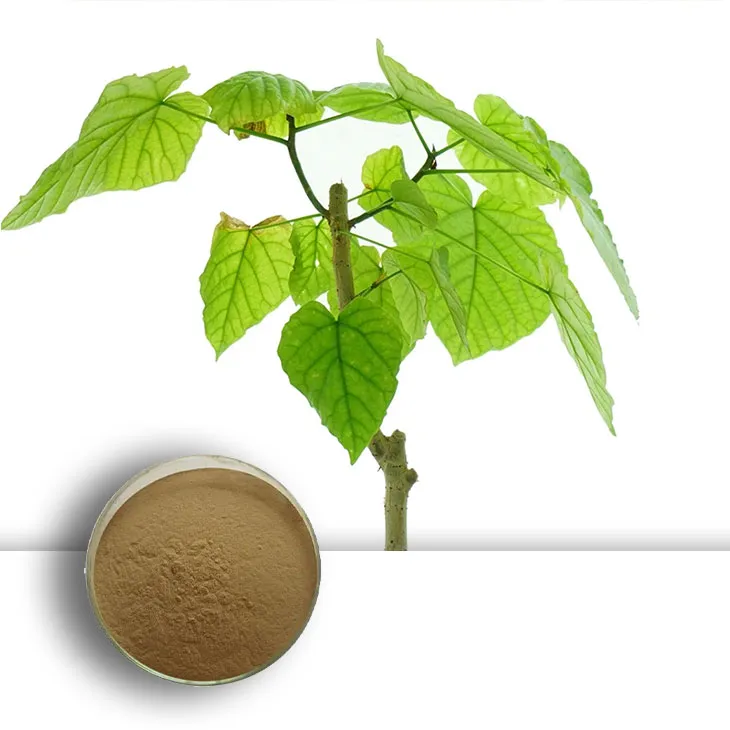
The wholesale market for Mulberry leaf Extract in India is a diverse and complex ecosystem with a wide range of producers. At one end of the spectrum, there are small - scale farmers who cultivate mulberry trees mainly for sericulture (silk production). These farmers often have a small plot of land dedicated to mulberry cultivation. While their primary focus may be on silk production, they can also be a source of Mulberry leaf Extract. They may sell the leaves or the extract to local middlemen or small - scale processors.
On the other end, there are large - scale industrial manufacturers who have invested in modern extraction facilities. These manufacturers are often more focused on the production of high - quality, standardized Mulberry leaf Extract for both domestic and international markets. They have the resources to conduct research and development to improve the extraction process, enhance the purity of the extract, and develop new applications for it.
There are also intermediate - scale producers who fall between the small - scale farmers and the large - scale manufacturers. These producers may have a relatively larger area of mulberry cultivation and more advanced extraction equipment compared to small - scale farmers. They play an important role in supplying the market with a significant amount of Mulberry leaf Extract.
3.2 Market Demand
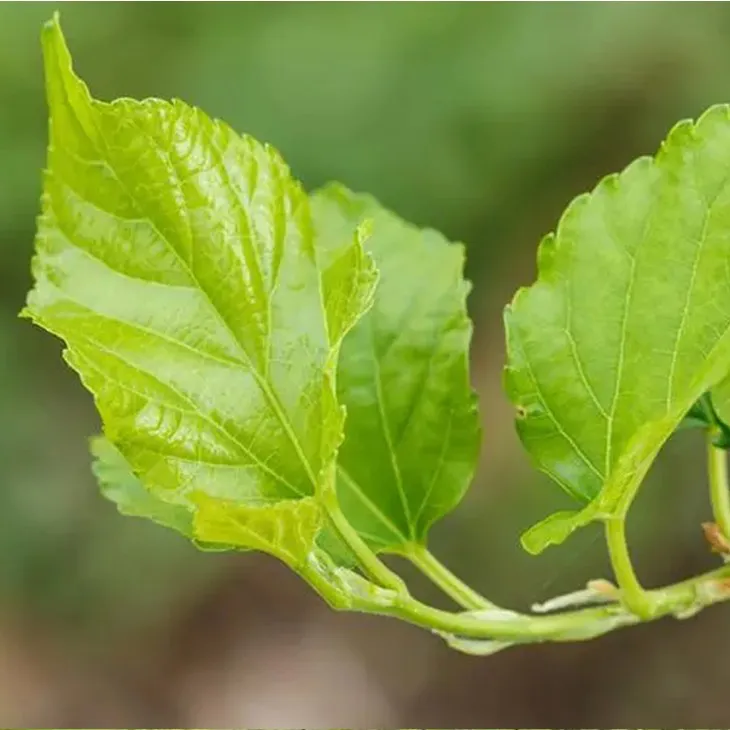
The market demand for Mulberry leaf Extract in India is driven by multiple factors. One of the main drivers is local consumption for traditional uses. In India, traditional medicine systems such as Ayurveda have long recognized the benefits of mulberry leaves. The extract is used in various Ayurvedic formulations for treating different ailments. As a result, there is a consistent demand from Ayurvedic pharmacies and practitioners for Mulberry leaf Extract.
Another significant driver of demand is export opportunities. The global market for natural health products and natural dyes is growing steadily. India, with its rich source of mulberry leaves, has the potential to export large quantities of high - quality Mulberry leaf Extract. Countries in Europe, North America, and Asia are increasingly interested in importing natural products from India, and Mulberry leaf Extract fits well into this demand.
However, the market demand also faces some challenges. One of the challenges is the lack of awareness about the benefits of Mulberry leaf Extract among the general public. Although it has a long history of use in traditional medicine, many people are still not familiar with its modern applications. Another challenge is the competition from synthetic products. In the pharmaceutical and textile industries, synthetic drugs and dyes are often cheaper and more readily available, which can pose a threat to the market share of Mulberry leaf Extract.
3.3 Pricing in the Wholesale Market
Pricing in the wholesale market of Mulberry leaf Extract in India is a complex matter and varies significantly depending on several factors. One of the most important factors is purity. High - purity extracts, which are free from contaminants and have a high concentration of bioactive compounds, are generally more expensive. These extracts are often required for pharmaceutical applications where strict quality control is necessary.
The extraction method also plays a crucial role in determining the price. Advanced extraction methods such as supercritical fluid extraction, which can produce high - quality extracts with better preservation of bioactive compounds, are more costly. Extracts produced using these methods are likely to be priced higher compared to those produced using traditional extraction methods.
Packaging is another factor that affects the price. Good - quality packaging materials that can protect the extract from moisture, light, and other environmental factors are essential for maintaining the quality of the extract. Extracts packaged in high - quality, air - tight containers are likely to be more expensive.
In addition to these factors, market competition also influences the pricing. If there are many producers in a particular region, the prices may be more competitive. On the other hand, if a producer has a monopoly or a significant market share, they may be able to set higher prices.
4. Conclusion
The Mulberry leaf Extract in India has a wide range of applications in the pharmaceutical, nutraceutical, and textile industries. The wholesale market for this extract is a complex and dynamic ecosystem with diverse producers, driven by both local and international demand. Pricing is influenced by multiple factors including purity, extraction method, and packaging. However, the industry also faces challenges such as lack of awareness and competition from synthetic products. To fully realize the potential of the Mulberry leaf Extract industry in India, it is necessary to address these challenges through research, marketing, and policy support.
FAQ:
What are the main bioactive compounds in Mulberry leaf Extract?
The main bioactive compounds in Mulberry leaf Extract include flavonoids, alkaloids, and polysaccharides. Flavonoids such as Rutin and Quercetin have antioxidant properties. Alkaloids like 1 - deoxynojirimycin (DNJ) are known for their potential in blood - sugar regulation. Polysaccharides may contribute to immune - enhancing effects.
How do small - scale farmers contribute to the wholesale market of Mulberry leaf Extract?
Small - scale farmers play a significant role in the wholesale market of Mulberry leaf Extract. They are often the primary source of raw materials. They grow mulberry trees and harvest the leaves. Some may also engage in simple extraction processes at a small scale. Their produce is then sold either directly to wholesalers or through intermediaries, contributing to the overall supply in the market.
What are the export opportunities for Indian Mulberry leaf Extract?
There are several export opportunities for Indian Mulberry leaf Extract. Countries with a growing interest in natural pharmaceuticals and nutraceuticals are potential markets. For example, some Western countries are increasingly looking for natural alternatives for health products. Also, regions with a strong textile industry and an inclination towards natural dyes may import Indian Mulberry leaf Extract for its dye - related applications.
How does the extraction method affect the price of Mulberry leaf Extract?
The extraction method has a substantial impact on the price of Mulberry leaf Extract. Advanced and more precise extraction methods, such as supercritical fluid extraction, often result in higher - quality extracts with a higher concentration of bioactive compounds. These extracts usually command a higher price. On the other hand, traditional extraction methods may produce extracts with lower purity and concentration, which are priced lower.
What role does packaging play in the wholesale market of Mulberry leaf Extract?
Packaging plays an important role in the wholesale market of Mulberry leaf Extract. Good - quality packaging helps to preserve the integrity of the extract by protecting it from factors such as moisture, light, and air. It also provides important information about the product, such as its origin, extraction method, and recommended uses. In the wholesale market, attractive and informative packaging can enhance the marketability of the product and may even influence the price.
Related literature
- Applications of Mulberry leaf Extract in Modern Medicine"
- "Mulberry leaf Extract: A Promising Natural Dye in Textile Industry"
- "The Wholesale Market Dynamics of Botanical Extracts in India"


-

Andrographis Paniculata Extract Powder
2024-12-12
-

Green coffee bean Extract
2024-12-12
-

Sugarcane Extract
2024-12-12
-

Beta Carotene
2024-12-12
-

Genistein
2024-12-12
-

Almond Extract Powder
2024-12-12
-

Vitamin B9
2024-12-12
-

Camu Camu Extract
2024-12-12
-

Nettle Root Extract
2024-12-12
-

Lemon Juice Powder
2024-12-12