


1. Introduction
Artichoke (Cynara scolymus) has been known for its various beneficial properties for a long time. The extract from its leaves is now emerging as a highly significant ingredient with a wide range of potential applications. This article will explore the application prospects of Artichoke Leaf Extract in different fields, including the pharmaceutical, dietary supplement, and agricultural sectors.
2. Pharmaceutical Applications
2.1 Anti - inflammatory Properties
Inflammation is a key factor in many diseases. Artichoke Leaf Extract has shown remarkable anti - inflammatory properties. It contains compounds such as cynarin and chlorogenic acid. These compounds can modulate the body's inflammatory response by interfering with the production of inflammatory mediators like cytokines. For example, in some pre - clinical studies, Artichoke Leaf Extract has been shown to reduce inflammation in the digestive tract. This could potentially be beneficial for patients with inflammatory bowel diseases such as Crohn's disease or ulcerative colitis.
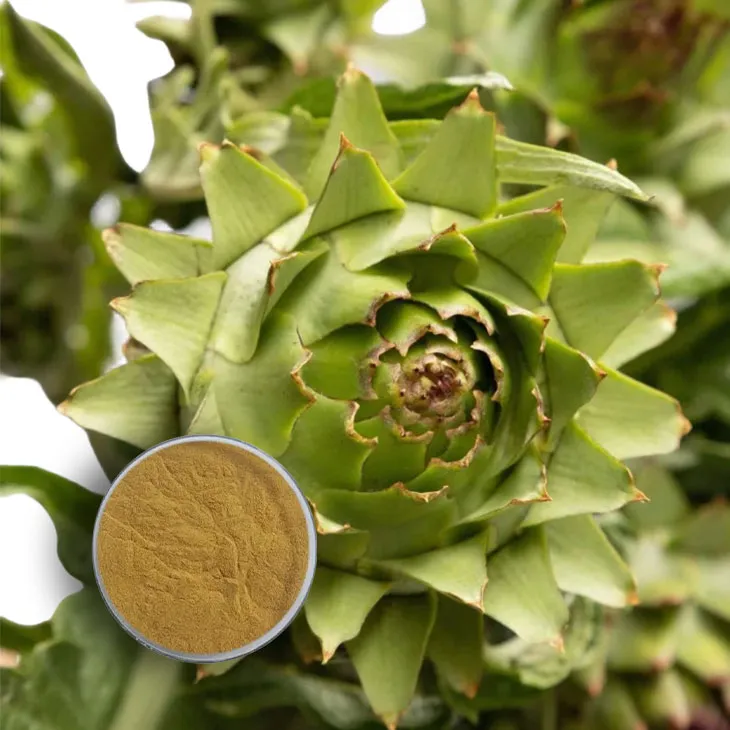
2.2 Antioxidant Nature
Oxidative stress is linked to numerous health problems, including cancer, cardiovascular diseases, and neurodegenerative disorders. Artichoke Leaf Extract is rich in antioxidants. Antioxidants are substances that can neutralize free radicals, which are highly reactive molecules that can damage cells. The antioxidants in Artichoke Leaf Extract, such as flavonoids and phenolic compounds, can scavenge free radicals and protect cells from oxidative damage. This antioxidant activity may play a role in preventing or treating diseases related to oxidative stress.
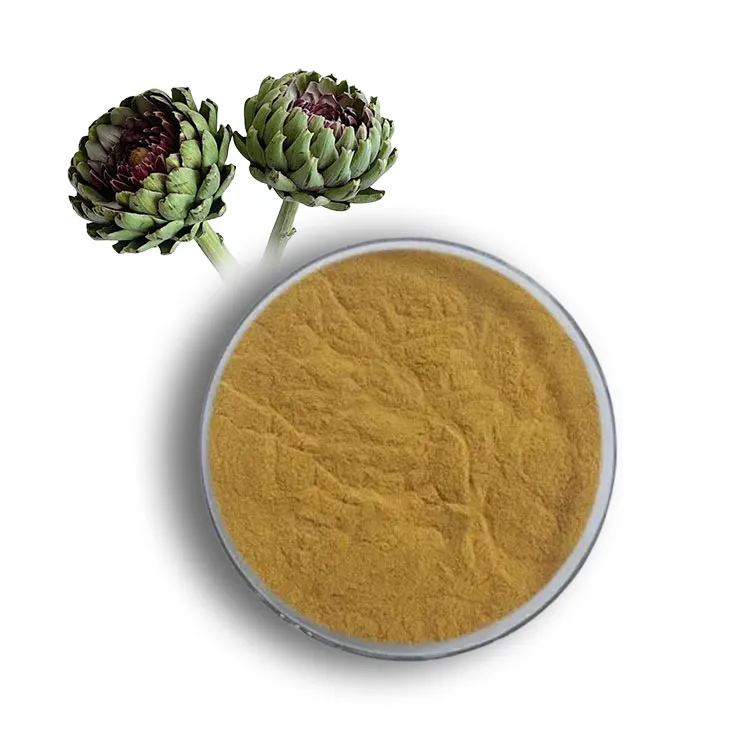
2.3 Potential in Treating Specific Diseases
-
Liver Diseases: Artichoke Leaf Extract has been studied for its potential in treating liver diseases. It may help to improve liver function by promoting the regeneration of liver cells and protecting the liver from toxins. Some research suggests that it can reduce liver enzyme levels, which are often elevated in liver damage.
-
Hyperlipidemia: The extract may also have a role in managing hyperlipidemia (high cholesterol levels). It can potentially lower cholesterol levels by inhibiting the synthesis of cholesterol in the liver and increasing the excretion of cholesterol from the body. This could be an alternative or complementary approach to traditional lipid - lowering medications.
3. Dietary Supplement Applications
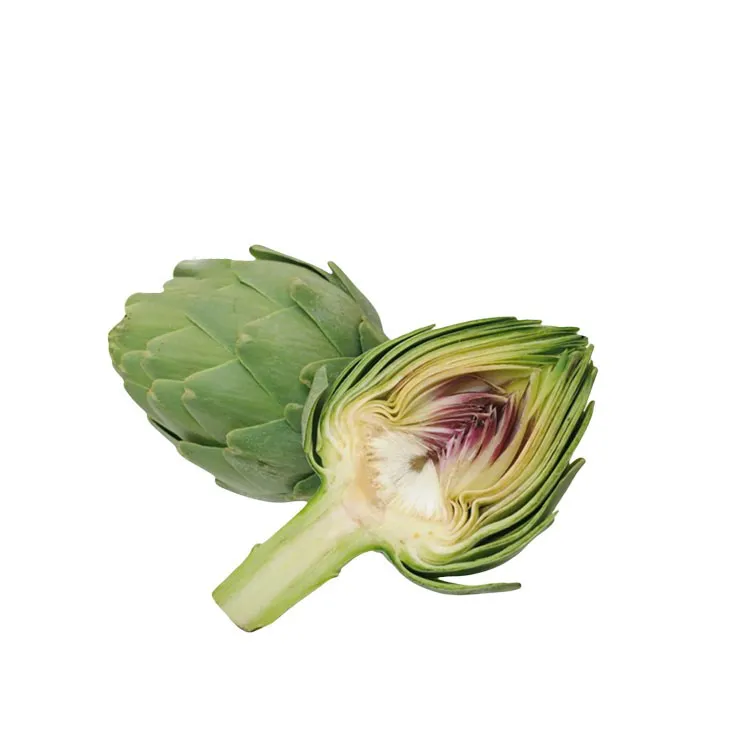
3.1 Cholesterol Management
As mentioned earlier, Artichoke Leaf Extract can be beneficial for cholesterol management. In the dietary supplement market, it can be formulated into products targeted at individuals with high cholesterol. These supplements can be used in conjunction with a healthy diet and lifestyle changes to help lower cholesterol levels. Some studies have shown that regular consumption of Artichoke Leaf Extract - containing supplements can lead to a modest reduction in total cholesterol and LDL - cholesterol (the "bad" cholesterol), while having little or no effect on HDL - cholesterol (the "good" cholesterol).
3.2 Digestive Health
Artichoke Leaf Extract can also support digestive health. It has been traditionally used to relieve digestive problems such as indigestion, bloating, and abdominal pain. The extract can stimulate the production of bile, which is important for the digestion and absorption of fats. Additionally, it may have a prebiotic - like effect, promoting the growth of beneficial gut bacteria. This can contribute to a healthy gut microbiome, which is linked to overall health and well - being.
3.3 General Wellness
Due to its antioxidant and anti - inflammatory properties, Artichoke Leaf Extract can be considered as a general wellness supplement. It may help to boost the immune system, reduce fatigue, and improve overall energy levels. In a world where people are increasingly interested in natural and plant - based supplements to support their health, Artichoke Leaf Extract has the potential to become a popular choice.
4. Agricultural Applications
4.1 Pest Control
Artichoke Leaf Extract may have applications in pest control in agriculture. Some of the compounds present in the extract, such as certain phenolic compounds, have shown insecticidal and repellent properties. For example, they may be effective against common agricultural pests like aphids or caterpillars. Using Artichoke Leaf Extract as a natural pest control agent can be an environmentally friendly alternative to synthetic pesticides. It can reduce the use of harmful chemicals in agriculture, which is beneficial for the environment, farmers' health, and the quality of agricultural products.
4.2 Plant Growth Promotion
There is also evidence to suggest that Artichoke Leaf Extract can promote plant growth. It may contain substances that can enhance nutrient uptake by plants or stimulate plant hormones. For instance, it could potentially improve the growth of seedlings, increase the yield of crops, or enhance the quality of fruits and vegetables. However, more research is needed to fully understand the mechanisms and optimize its use for plant growth promotion in agriculture.
5. Challenges and Future Directions
5.1 Standardization of Extract
One of the challenges in the application of Artichoke Leaf Extract is the standardization of the extract. Different extraction methods can result in extracts with varying compositions and potencies. To ensure consistent quality and effectiveness, there is a need for standardized extraction protocols. This will also help in regulatory approval and consumer acceptance of products containing Artichoke Leaf Extract.
5.2 Clinical Trials
While there is promising pre - clinical data on the applications of Artichoke Leaf Extract, more extensive clinical trials are needed. Clinical trials can provide more conclusive evidence on the safety and efficacy of the extract in treating various diseases and conditions. They can also help to determine the optimal dosage and treatment duration. Currently, many of the studies on Artichoke Leaf Extract are small - scale or observational, and larger, well - designed clinical trials are required.
5.3 Research on Agricultural Use
For the agricultural applications of Artichoke Leaf Extract, further research is necessary. This includes studies on the long - term effects on soil health, the compatibility with other agricultural practices, and the development of practical application methods. Additionally, research on the potential resistance development in pests against the extract should be carried out to ensure its long - term effectiveness as a pest control agent.
6. Conclusion
Artichoke Leaf Extract has broad - based application prospects in the pharmaceutical, dietary supplement, and agricultural sectors. Its anti - inflammatory, antioxidant, and other beneficial properties make it a valuable ingredient. However, to fully realize its potential, challenges such as standardization, clinical trials, and further research on agricultural use need to be addressed. With continued research and development, Artichoke Leaf Extract could play an increasingly important role in improving human health and sustainable agriculture in the future.
FAQ:
What are the main components in Artichoke Leaf Extract that contribute to its anti - inflammatory properties?
Artichoke Leaf Extract contains several bioactive compounds such as cynarin and chlorogenic acid. These components are believed to play a role in its anti - inflammatory properties. Cynarin has been shown to have antioxidant and anti - inflammatory effects, which may contribute to reducing inflammation in the body. Chlorogenic acid also has antioxidant activity and can modulate certain inflammatory pathways.
How can Artichoke Leaf Extract be used in cholesterol management?
Artichoke Leaf Extract may help in cholesterol management through multiple mechanisms. It can interfere with cholesterol absorption in the intestine. Some studies suggest that the bioactive compounds in the extract may inhibit enzymes involved in cholesterol synthesis. Additionally, it might enhance the excretion of cholesterol from the body, thus contributing to a more balanced cholesterol level.
What potential pests can Artichoke Leaf Extract control in agriculture?
Research has shown that Artichoke Leaf Extract may have activity against certain insects and pests. For example, it may be effective against aphids. The extract contains natural compounds that can act as repellents or disrupt the life cycle of these pests. However, more research is needed to fully understand its potential and the range of pests it can control.
Are there any side effects associated with the use of Artichoke Leaf Extract?
In general, Artichoke Leaf Extract is considered safe for most people when used appropriately. However, some individuals may experience mild side effects such as digestive discomfort, including bloating, gas, or an upset stomach. People with allergies to artichokes may also have an allergic reaction to the extract. It is always advisable to consult a healthcare provider before starting any new supplement.
How is Artichoke Leaf Extract produced?
The production of Artichoke Leaf Extract typically involves several steps. First, the artichoke leaves are harvested. Then, they are dried to preserve their bioactive compounds. After drying, the leaves are usually ground into a powder. This powder can then be processed using various extraction methods, such as solvent extraction, to obtain the concentrated extract containing the desired bioactive components.
Related literature
- The Bioactive Compounds and Health - Promoting Properties of Artichoke (Cynara scolymus L.)"
- "Artichoke Leaf Extract: A Review of Its Pharmacological Properties and Therapeutic Applications"
- "Potential of Artichoke (Cynara scolymus L.) in Pest Management in Agriculture"


-

Bayberry Extract
2025-01-08
-

L-Tyrosine
2025-01-08
-

Maca Extract
2025-01-08
-

Chasteberry Extract
2025-01-08
-

Quercetin
2025-01-08
-

Fig Extract
2025-01-08
-

Citrus Aurantium Extract
2025-01-08
-

Bromelain
2025-01-08
-

Thunder God Vine Extract
2025-01-08
-

Oyster Peptide
2025-01-08