


1. Introduction
Astaxanthin, a carotenoid pigment, has emerged as a highly valuable compound in the food industry. It is known for its strong antioxidant properties, which are far more potent than many other common antioxidants such as Vitamin C and vitamin E. This unique characteristic, along with its other beneficial properties, has led to its wide - ranging applications in various aspects of the food sector.
2. Use as a Natural Colorant
2.1 In Fish Feed
Astaxanthin is widely used as a natural colorant in fish feed. In the aquaculture industry, especially for farm - raised salmon, the color of the fish is a crucial factor in its marketability. Salmon in the wild obtain Astaxanthin from their natural diet, which gives their flesh a characteristic pink - orange color. However, farm - raised salmon do not have access to the same natural sources of Astaxanthin. By adding Astaxanthin to fish feed, farmers can ensure that the farm - raised salmon develop a similar vivid red - orange color. This not only makes the fish more visually appealing to consumers but also mimics the appearance of wild - caught salmon, which is often preferred by consumers.
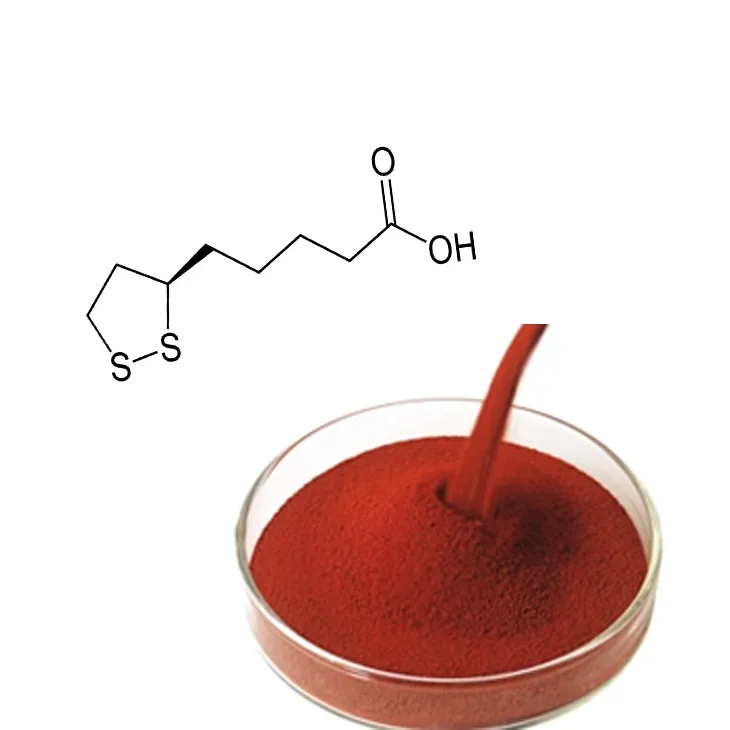
2.2 In Confectionery and Beverage Sectors
The confectionery and beverage industries also benefit from the use of Astaxanthin as a colorant. In confectionery products such as candies, gummies, and chocolates, Astaxanthin can be used to add an appealing red - orange hue. This can create a unique visual identity for the products, making them stand out on the shelves. In the beverage industry, Astaxanthin can be added to various drinks, including juices, smoothies, and even some alcoholic beverages. For example, in a fruit - based smoothie, a small amount of Astaxanthin can enhance the overall color, giving it a more vibrant and inviting appearance.
3. Addition for Health - Promoting Properties

3.1 Antioxidant Effects
One of the most significant health - promoting properties of Astaxanthin is its antioxidant effect. Free radicals are highly reactive molecules that can cause damage to cells, proteins, and DNA in the body. Astaxanthin has the ability to scavenge these free radicals, thereby protecting the body's cells from oxidative stress. In functional foods, such as antioxidant - rich energy bars or fortified cereals, the addition of Astaxanthin can significantly increase the overall antioxidant capacity of the product. This is appealing to health - conscious consumers who are looking for foods that can help protect their bodies from the harmful effects of oxidative stress.

3.2 Anti - Inflammatory Properties
Astaxanthin also exhibits anti - inflammatory properties. Chronic inflammation is associated with a variety of health problems, including heart disease, diabetes, and certain types of cancer. By including Astaxanthin in dietary supplements or functional foods, it may help to reduce inflammation in the body. For example, in some anti - inflammatory supplement blends, Astaxanthin can be combined with other natural anti - inflammatory ingredients such as turmeric or omega - 3 fatty acids to provide a more comprehensive anti - inflammatory effect.
3.3 Potential Anti - Aging Effects
The antioxidant and anti - inflammatory properties of Astaxanthin also contribute to its potential anti - aging effects. Oxidative stress and inflammation are two major factors that accelerate the aging process. By reducing these factors, Astaxanthin may help to maintain the health and appearance of the skin, eyes, and other organs. In some anti - aging creams and serums, Astaxanthin is being explored as a potential ingredient due to its ability to protect the skin from UV - induced damage and promote collagen production. In the food industry, products such as anti - aging dietary supplements or beauty - enhancing functional foods may contain Astaxanthin to target consumers who are interested in maintaining a youthful appearance.
4. Contribution to Food Preservation
Astaxanthin plays an important role in food preservation. Oxidation is a major cause of food spoilage, particularly in foods rich in oils and fats. During the oxidation process, free radicals are generated, which can lead to rancidity, off - flavors, and a decrease in nutritional value. Astaxanthin, with its strong antioxidant properties, can scavenge these free radicals, thereby slowing down the oxidation process. In products such as cooking oils, margarine, and nuts, the addition of Astaxanthin can extend the shelf - life by reducing the rate of oxidation. This not only helps to maintain the quality of the food but also reduces food waste, which is an important consideration in the food industry.
5. Conclusion
In conclusion, Astaxanthin has a wide range of applications in the food industry. As a natural colorant, it enhances the visual appeal of food products. Its health - promoting properties make it a valuable ingredient in functional foods and dietary supplements. And its role in food preservation helps to maintain the quality and extend the shelf - life of various food items. With the increasing demand for natural and healthy food ingredients, Astaxanthin is likely to continue to play an important role in the food industry in the future.
FAQ:
What are the main applications of Astaxanthin in the food industry?
Astaxanthin has three main applications in the food industry. Firstly, it is used as a natural colorant to give a vivid red - orange color to products like fish feed and enhance the color of farm - raised salmon, and also add an attractive hue to confectionery and beverages. Secondly, it is added for its health - promoting properties in functional foods and dietary supplements as it has antioxidant, anti - inflammatory and potential anti - aging effects. Finally, it helps in the preservation of food by scavenging free radicals to slow down the oxidation process and extend the shelf - life of products such as oils and fats - rich foods.
How does Astaxanthin work as a colorant in the food industry?
Astaxanthin imparts a vivid red - orange color. In fish feed, for example, it enriches the color of farm - raised salmon, which makes the salmon more appealing to consumers. In confectionery and beverage products, it simply adds an attractive hue to these items.
Why is Astaxanthin added to functional foods?
Astaxanthin is added to functional foods because of its health - promoting properties. It has antioxidant, anti - inflammatory, and potential anti - aging effects, which can enhance the nutritional value of the functional foods.
How does Astaxanthin contribute to food preservation?
Astaxanthin contributes to food preservation by scavenging free radicals. In foods like oils and fats - rich products, this helps to slow down the oxidation process, thereby extending the shelf - life of these products.
Can Astaxanthin be used in a wide range of food products?
Yes, Astaxanthin can be used in a wide range of food products. It can be used in fish feed, farm - raised salmon, confectionery, beverages, functional foods, and dietary supplements, as well as in foods rich in oils and fats for preservation purposes.
Related literature
- Astaxanthin: Sources, Extraction, Stability, Biological Activities and Its Commercial Applications: A Review"
- "The Role of Astaxanthin in Food and Feed Industries"


-

Alisma Extract
2025-01-08
-

Resveratrol Extract
2025-01-08
-

Chasteberry Extract
2025-01-08
-

Taurine
2025-01-08
-

Propolis Extract Powder
2025-01-08
-

Tamarind extract powder
2025-01-08
-

Green Tea Extract
2025-01-08
-

Rhodiola Rosea Root extract
2025-01-08
-

Nettle Root Extract
2025-01-08
-

Dandelion Leaf Extract
2025-01-08