


1. Introduction
The world of herbal ingredients is vast and diverse, with numerous substances offering a wide range of potential health benefits. Among these, Artichoke Leaf Extract has emerged as a notable contender. However, to determine its dominance in comparison to other herbal ingredients, a comprehensive analysis is necessary. This analysis will not only consider their biological properties such as antioxidant and anti - inflammatory capabilities but also their economic importance and cultivation requirements.
2. Antioxidant Properties
2.1 Artichoke Leaf Extract
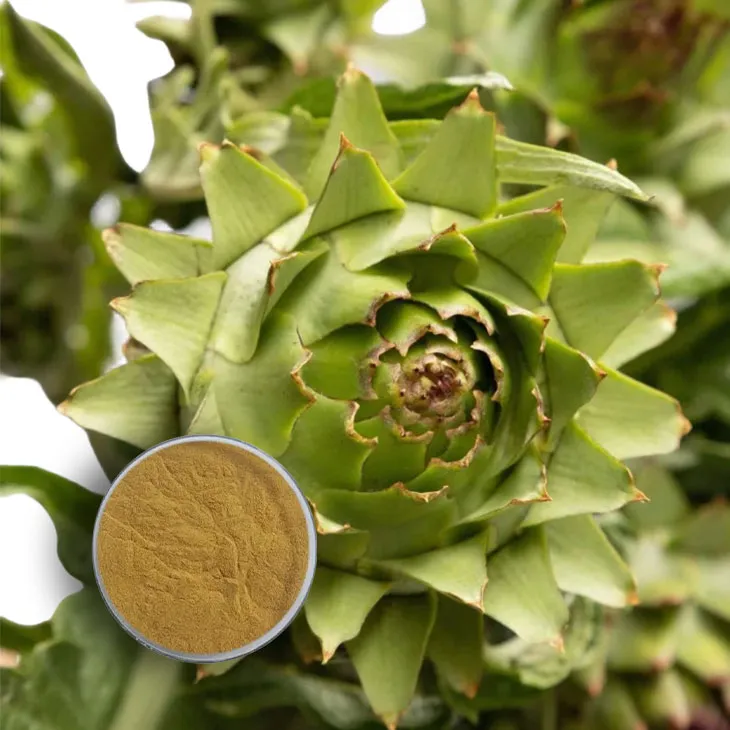
The Artichoke Leaf Extract contains a variety of compounds that contribute to its antioxidant properties. Compounds such as phenolic acids, flavonoids, and cynaropicrin have been shown to scavenge free radicals effectively. These free radicals are unstable molecules that can cause damage to cells, leading to various diseases and aging processes. By neutralizing these free radicals, Artichoke Leaf Extract helps protect the body's cells from oxidative stress.
2.2 Other Herbal Ingredients
Many other herbal ingredients also possess antioxidant properties. For example, green tea contains catechins, which are powerful antioxidants. Turmeric contains Curcumin, which has been extensively studied for its antioxidant and anti - inflammatory effects. Ginseng is another herbal ingredient known for its antioxidant properties, mainly due to the presence of ginsenosides. Each of these herbal ingredients has its own unique set of antioxidant compounds and mechanisms of action.
When comparing the antioxidant strength, it is difficult to simply declare one as more dominant. The effectiveness of the antioxidant may depend on various factors such as the specific health condition being addressed, the dosage, and the individual's own physiological state. For instance, in some cases where liver protection is concerned, the antioxidant compounds in Artichoke Leaf Extract may be more relevant due to its potential to support liver detoxification processes.
3. Anti - Inflammatory Capabilities
3.1 Artichoke Leaf Extract
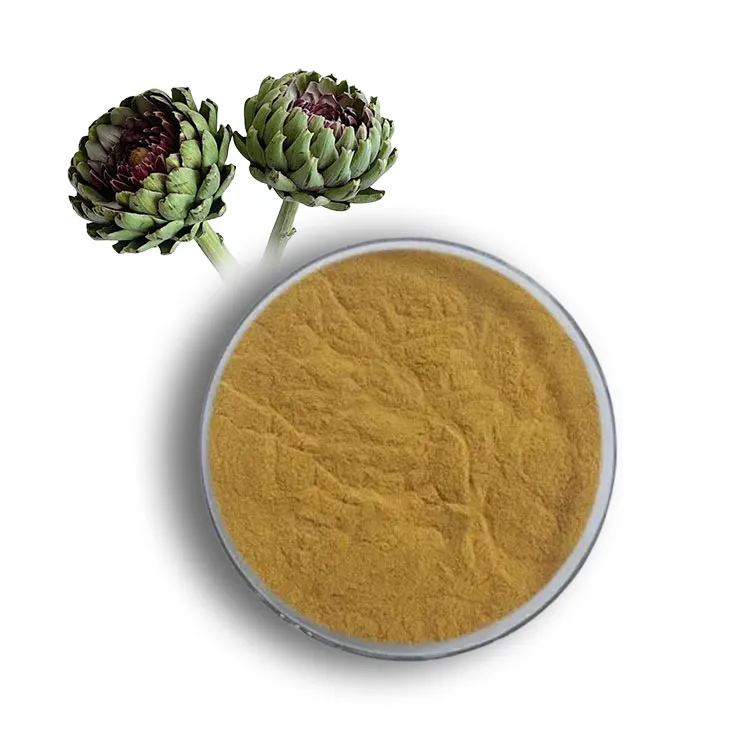
Artichoke Leaf Extract has demonstrated anti - inflammatory capabilities. The compounds in the extract can inhibit the production of inflammatory mediators such as cytokines and prostaglandins. This can be beneficial in reducing inflammation in various parts of the body, for example, in the digestive system where it may help relieve symptoms of inflammatory bowel diseases. The anti - inflammatory effects may also contribute to its potential role in cardiovascular health, as chronic inflammation is a risk factor for heart disease.
3.2 Other Herbal Ingredients
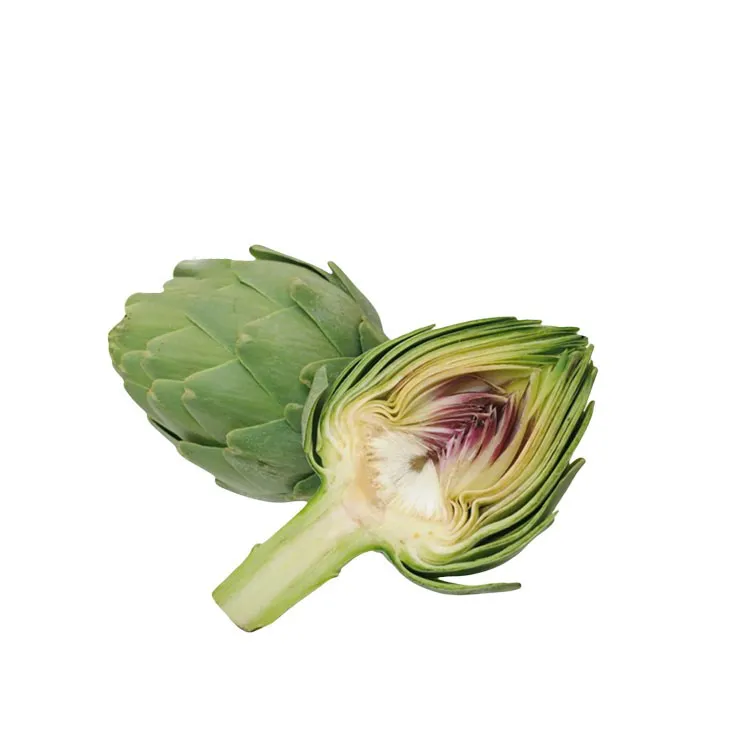
Similarly, other herbal ingredients are well - known for their anti - inflammatory properties. Willow bark, which contains salicin, has been used for centuries to relieve pain and inflammation. Boswellia Serrata Extract contains boswellic acids that have anti - inflammatory effects. Ginger also has strong anti - inflammatory properties, mainly due to gingerols and shogaols. The anti - inflammatory mechanisms of these herbal ingredients vary, and again, it is not straightforward to determine which one is more dominant in terms of anti - inflammation.
For example, in the case of joint pain, ginger may be more effective due to its ability to target the specific inflammatory pathways involved in joint inflammation. However, for overall systemic inflammation, Artichoke Leaf Extract may play a role in modulating the body's inflammatory response through its impact on liver function and detoxification.
4. Influence on Various Body Systems
4.1 Digestive System
- Artichoke Leaf Extract: It has been shown to stimulate bile production, which is important for the digestion and absorption of fats. This can help improve digestion, relieve symptoms of indigestion, and may also contribute to the management of gallbladder problems. Additionally, its anti - inflammatory properties can be beneficial for the gut mucosa, reducing inflammation in the digestive tract.
- Other Herbal Ingredients: Peppermint is often used to soothe the digestive system. It can relax the muscles of the gastrointestinal tract, relieving spasms and reducing symptoms such as bloating and abdominal pain. Chamomile is another herbal ingredient that has a calming effect on the digestive system, helping to reduce inflammation and promote healthy digestion.
4.2 Cardiovascular System
- Artichoke Leaf Extract: It may help lower cholesterol levels, particularly LDL cholesterol. By reducing cholesterol, it can potentially reduce the risk of atherosclerosis and heart disease. Its antioxidant and anti - inflammatory properties also contribute to cardiovascular health by protecting the blood vessels from damage.
- Other Herbal Ingredients: Hawthorn is a well - known herbal remedy for the heart. It can improve heart function, strengthen the heart muscle, and regulate blood pressure. Garlic has been shown to have beneficial effects on the cardiovascular system, including reducing blood cholesterol levels, inhibiting platelet aggregation, and improving blood circulation.
4.3 Immune System
- Artichoke Leaf Extract: Its antioxidant and anti - inflammatory properties can support the immune system. By reducing oxidative stress and inflammation, it creates a more favorable environment for the immune cells to function. Additionally, some studies suggest that it may have direct immunomodulatory effects.
- Other Herbal Ingredients: Echinacea is a popular herbal ingredient for boosting the immune system. It can stimulate the activity of immune cells, such as white blood cells, and enhance the body's resistance to infections. Astragalus is another herbal ingredient used in traditional medicine to strengthen the immune system, mainly through its polysaccharide content.
5. Economic Importance in the Global Herbal Market
5.1 Artichoke Leaf Extract
The economic importance of Artichoke Leaf Extract in the global herbal market is significant. The demand for artichoke - based products, including supplements and herbal remedies, has been steadily increasing. This is due in part to the growing awareness of its potential health benefits. The extract is often used in the production of dietary supplements targeted at liver health, digestion, and cardiovascular health. Additionally, the artichoke plant can be cultivated in certain regions, which helps to support local economies.
5.2 Other Herbal Ingredients
- Green Tea: Green tea has a huge economic impact in the global market. It is not only consumed as a beverage but also used in the production of various health products such as Green Tea Extracts in supplements and skincare products. The tea - growing regions, such as China and Japan, rely on the tea industry for a significant portion of their economic income.
- Turmeric: Turmeric has gained popularity worldwide, especially with the discovery of Curcumin's health benefits. It is used in cooking, as a spice, and also in the production of herbal supplements. India, the major producer of turmeric, benefits greatly from its export.
- Ginseng: Ginseng has a long history of use in traditional medicine and is highly valued in the global herbal market. It is often sold at a high price due to its perceived health - promoting properties. Countries like South Korea and China are major producers and exporters of ginseng products.
When comparing the economic importance, it depends on various factors such as market demand, production volume, and price. For example, while Artichoke Leaf Extract has a growing market, it may not be as large as the market for green tea or turmeric in terms of overall volume and global reach.
6. Cultivation Requirements
6.1 Artichoke Leaf Extract
Artichokes are typically grown in temperate regions. They require well - drained soil,充足的阳光 (adequate sunlight), and regular watering. The cultivation process can be labor - intensive, especially during the harvesting stage when the artichoke heads need to be carefully picked. However, with proper agricultural practices, a good yield of artichoke plants can be achieved, which is essential for the production of Artichoke Leaf Extract.
6.2 Other Herbal Ingredients
- Green Tea: Green tea plants are mainly grown in subtropical and tropical regions. They require acidic soil, high humidity, and a certain amount of shade. The cultivation of green tea is a complex process that involves careful pruning and harvesting techniques to ensure the quality of the tea leaves.
- Turmeric: Turmeric is a tropical plant that thrives in warm and humid conditions. It requires well - drained, fertile soil. The cultivation of turmeric is also labor - intensive, especially during the harvesting and processing of the rhizomes.
- Ginseng: Ginseng is a shade - loving plant that is typically grown in forested areas or under artificial shade. It has very specific soil requirements and is a slow - growing plant. The cultivation of ginseng is highly regulated due to its high value and the need to protect wild ginseng populations.
The cultivation requirements of these herbal ingredients can impact their availability and cost. For example, ginseng's slow growth and specific cultivation requirements make it a relatively expensive herbal ingredient compared to artichoke, which can be more easily cultivated in some regions.
7. Conclusion
In conclusion, determining which herbal ingredient is dominant between Artichoke Leaf Extract and others is a complex task. Each herbal ingredient has its own unique set of properties, whether it be in terms of antioxidant and anti - inflammatory capabilities, influence on body systems, economic importance, or cultivation requirements. While Artichoke Leaf Extract shows great potential in various aspects such as liver health and digestion, other herbal ingredients like green tea, turmeric, and ginseng also have their own areas of strength. The dominance of a particular herbal ingredient may vary depending on the context, such as the specific health application, market trends, or regional availability. Therefore, rather than simply identifying one as dominant, it is more important to understand the diverse properties of each herbal ingredient and how they can be utilized to meet different needs in the fields of health, nutrition, and the herbal market.
FAQ:
Question 1: What are the main antioxidant properties of Artichoke Leaf Extract compared to other herbal ingredients?
Artichoke Leaf Extract contains compounds such as cynarin and chlorogenic acid, which are known for their antioxidant effects. When compared to other herbal ingredients, its antioxidant properties may be more or less potent depending on the specific compounds present in those other herbs. For example, some herbs like green tea contain catechins which are also strong antioxidants. However, Artichoke Leaf Extract has been shown to scavenge free radicals effectively, which helps in protecting cells from oxidative damage.
Question 2: How do the anti - inflammatory capabilities of Artichoke Leaf Extract stack up against other herbal ingredients?
Artichoke Leaf Extract has anti - inflammatory properties due to its ability to modulate certain inflammatory pathways. Some other herbal ingredients also possess anti - inflammatory capabilities. For instance, turmeric contains Curcumin which is a well - known anti - inflammatory compound. In comparison, Artichoke Leaf Extract may act on different aspects of the inflammatory response. It can reduce inflammation in the digestive system by affecting cytokine production. The effectiveness of each herbal ingredient in reducing inflammation can vary depending on the type and severity of the inflammatory condition.
Question 3: Which herbal ingredient has a greater influence on the digestive system, Artichoke Leaf Extract or others?
Artichoke Leaf Extract is known to have a beneficial effect on the digestive system. It can improve bile production and flow, which aids in digestion. However, there are other herbal ingredients that also play important roles in the digestive system. For example, peppermint can relax the muscles of the gastrointestinal tract, relieving symptoms like indigestion and bloating. The influence of Artichoke Leaf Extract compared to others on the digestive system depends on factors such as the specific digestive disorder and the individual's response to the herbal ingredient.
Question 4: In terms of economic importance in the global herbal market, how does Artichoke Leaf Extract compare to other herbal ingredients?
The economic importance of Artichoke Leaf Extract in the global herbal market is significant. It is used in various dietary supplements and herbal remedies. However, other herbal ingredients also hold substantial economic value. For example, ginseng has a large market share in the herbal supplement industry due to its reputation for enhancing energy and overall well - being. Artichoke Leaf Extract's economic standing is influenced by factors such as its availability, the cost of cultivation, and the demand for products containing it. In some regions, it may be more popular and economically important than other herbal ingredients, while in others, it may be less so.
Question 5: What are the cultivation requirements of Artichoke Leaf Extract and how do they compare to other herbal ingredients?
Artichokes are typically grown in temperate climates. They require well - drained soil, plenty of sunlight, and regular watering. Some other herbal ingredients have very different cultivation requirements. For example, lavender prefers drier conditions and well - drained, sandy soil. The cultivation requirements of Artichoke Leaf Extract compared to other herbal ingredients can impact their availability and cost. If a herb has more stringent cultivation requirements, it may be more expensive to produce, which can affect its competitiveness in the market.
Related literature
- Antioxidant Properties of Herbal Extracts: A Comparative Study"
- "Anti - Inflammatory Herbal Remedies: A Comprehensive Review"
- "The Influence of Herbal Ingredients on the Digestive System"
- "Economic Analysis of Herbal Ingredients in the Global Market"
- "Cultivation Requirements of Popular Herbal Ingredients"


-

Panax Ginseng Leaf Extract
2025-01-03
-

Quercetin
2025-01-03
-

Dandelion Root Extract
2025-01-03
-

Hawthorn powder
2025-01-03
-

Curcumin
2025-01-03
-

Black Rice Extract
2025-01-03
-

Diosmin
2025-01-03
-

Dragon Fruit Powder
2025-01-03
-

Peppermint Oil
2025-01-03
-

Oat Straw Extract Powder
2025-01-03