


1. Introduction
The food packaging industry is constantly evolving in search of more effective and sustainable solutions. Artichoke Leaf Extract has emerged as a promising candidate in this regard. With the increasing demand for longer shelf - life of food products, improved safety, and reduced environmental impact, the properties of Artichoke Leaf Extract offer a unique set of advantages that could revolutionize the way we package food.
2. The Composition of Artichoke Leaf Extract
Artichoke (Cynara scolymus) leaves are rich in a variety of bioactive compounds. These include phenolic compounds, such as caffeoylquinic acids, flavonoids, and lignans. The phenolic compounds are known for their antioxidant properties. Caffeoylquinic acids, for example, are potent scavengers of free radicals. Flavonoids contribute to the overall antioxidant activity and also have other beneficial biological effects. Lignans are another group of compounds that may play a role in the antimicrobial properties of the extract.
3. Antioxidant Activity in Food Packaging
3.1. The Role of Antioxidants in Food
Oxidation is a major cause of food spoilage. It can lead to off - flavors, changes in color, and a decrease in nutritional value. Antioxidants in food packaging can help prevent or slow down these oxidative processes. Artichoke Leaf Extract, with its high content of antioxidant compounds, can act as a natural antioxidant in food packaging.
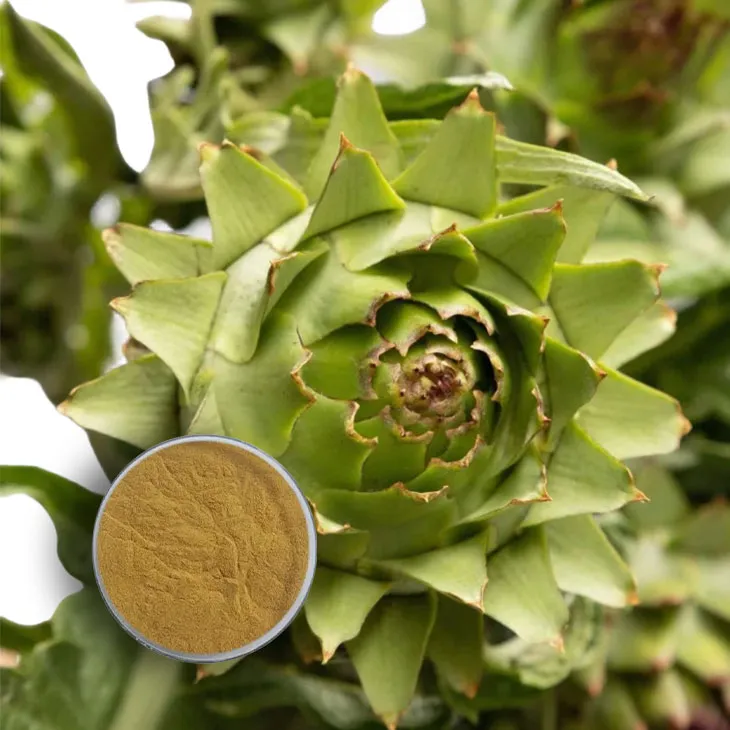
3.2. How Artichoke Leaf Extract Works as an Antioxidant
When incorporated into food packaging materials, the antioxidant compounds in Artichoke Leaf Extract can scavenge free radicals that are generated during storage. These free radicals can initiate a chain reaction of oxidation in food. By neutralizing them, the extract helps to maintain the quality of the food. For example, in the case of lipid - rich foods, the extract can prevent the rancidity that occurs due to lipid oxidation.
4. Antimicrobial Activity
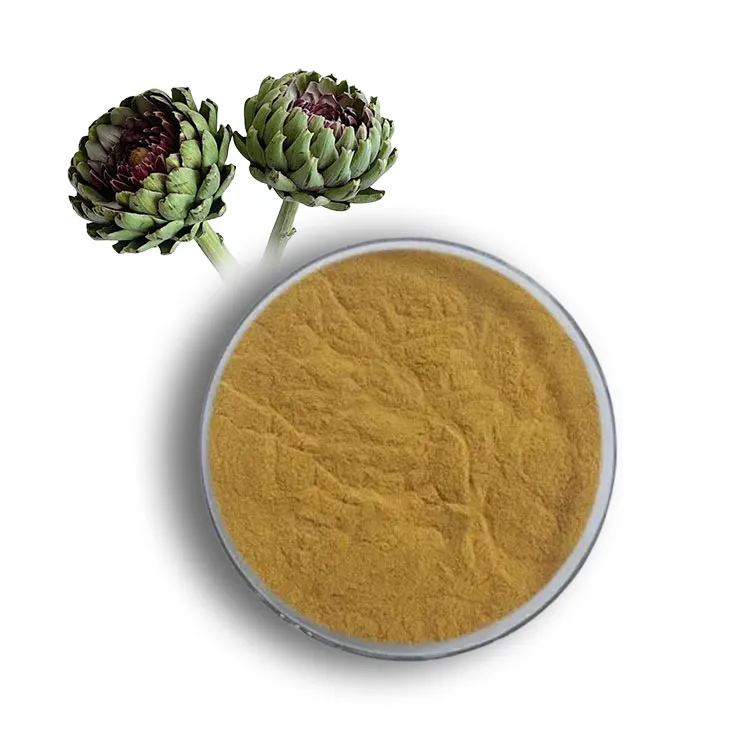
4.1. Microbial Contamination in Food
Microbial growth in food is a significant concern as it can cause foodborne illnesses and spoilage. Bacteria and fungi are common contaminants in food products. The presence of these microorganisms can lead to the production of toxins, unpleasant odors, and changes in texture.
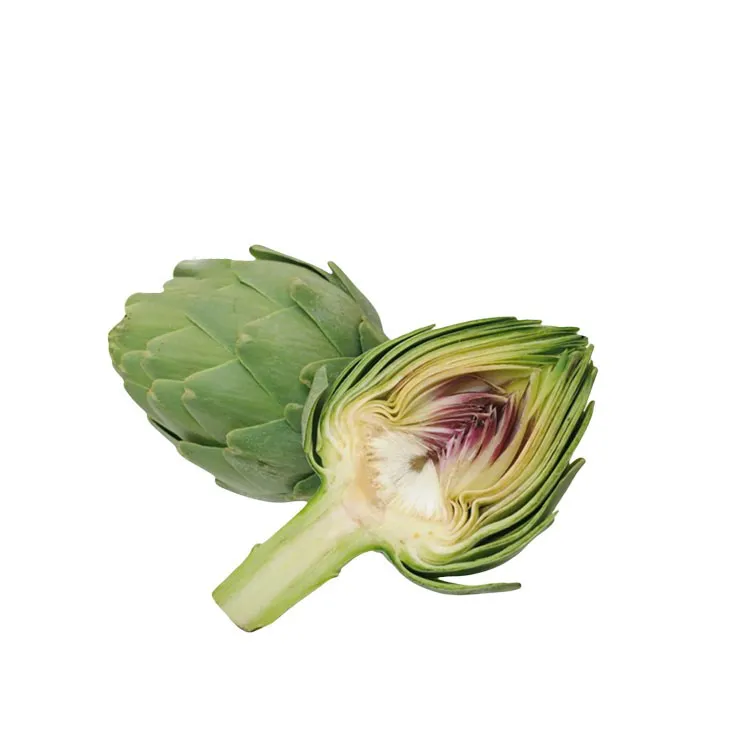
4.2. Artichoke Leaf Extract's Antimicrobial Mechanism
The antimicrobial activity of Artichoke Leaf Extract is attributed to its bioactive compounds. These compounds can disrupt the cell membranes of bacteria and fungi, interfering with their normal physiological functions. For instance, they may affect the permeability of the cell membrane, leading to the leakage of intracellular components and ultimately the death of the microorganism. This antimicrobial activity can be highly beneficial in food packaging as it can help reduce the growth of microorganisms on the surface of the packaging material and in the food itself.
5. Incorporating Artichoke Leaf Extract into Food Packaging
5.1. Coating Applications
One way to incorporate Artichoke Leaf Extract into food packaging is through coating applications. The extract can be mixed with a suitable polymer matrix and applied as a thin coating on the surface of packaging materials. This coating can act as a barrier against oxidative and microbial factors. For example, it can be used on the inner surface of plastic packaging to protect the food from spoilage.
5.2. Nanocomposite Packaging
Another approach is the use of Artichoke Leaf Extract in nanocomposite packaging. Nanotechnology allows for the creation of packaging materials with enhanced properties. The extract can be incorporated into nanocomposite structures, which can provide better control over the release of antioxidant and antimicrobial agents. This can result in more targeted and effective protection of food products.
6. Sustainability Aspects
Artichoke Leaf Extract offers several sustainability benefits in food packaging. Firstly, as it is a natural product, it can be a more environmentally friendly alternative to synthetic additives. Secondly, the use of Artichoke Leaf Extract can potentially reduce the amount of packaging waste, as it can help maintain the quality of food for longer periods, reducing the need for frequent repackaging. Additionally, artichokes are a relatively easy - to - grow crop, which can support local agricultural economies.
7. Meeting the Needs of the Modern Food Industry
The modern food industry demands packaging solutions that are not only effective in preserving food quality but also compliant with strict safety and environmental regulations. Artichoke Leaf Extract - based packaging can meet these requirements. It can provide a natural and safe way to protect food, while also appealing to consumers who are increasingly interested in sustainable and natural products.
8. Consumer Acceptance
Consumer acceptance is a crucial factor in the success of any new food packaging innovation. The use of Artichoke Leaf Extract in food packaging is likely to be well - received by consumers. The natural origin of the extract is a major selling point, as consumers are becoming more conscious of the ingredients in their food and packaging. Moreover, the potential health benefits associated with Artichoke Leaf Extract, such as its antioxidant and antimicrobial properties, can also be emphasized to consumers, further increasing its acceptance.
9. Challenges and Future Directions
9.1. Standardization of Extract Production
One of the challenges in using Artichoke Leaf Extract in food packaging is the standardization of its production. The composition of the extract can vary depending on factors such as the variety of artichoke, the extraction method, and the growing conditions. To ensure consistent performance in food packaging, it is necessary to develop standardized extraction procedures.
9.2. Cost - effectiveness
Currently, the cost of producing Artichoke Leaf Extract for food packaging purposes may be relatively high compared to synthetic alternatives. To make it a more viable option, research is needed to optimize the extraction process and reduce production costs without sacrificing the quality of the extract.
9.2.1. Scale - up of Production
Scaling up the production of Artichoke Leaf Extract is another aspect that needs to be addressed. As the demand for its use in food packaging increases, it is essential to be able to produce large quantities of the extract in a cost - effective manner.
9.3. Compatibility with Packaging Materials
The compatibility of Artichoke Leaf Extract with different packaging materials also requires further investigation. Some packaging materials may interact with the extract in ways that could affect its performance. Ensuring good compatibility is necessary for the successful implementation of Artichoke Leaf Extract - based packaging.
9.4. Future Research Directions
Future research should focus on further elucidating the mechanisms of action of Artichoke Leaf Extract in food packaging. This includes studying how the extract interacts with different food components and packaging materials. Additionally, research on improving the stability of the extract during storage and processing of packaging materials is also needed. Moreover, exploring new applications of Artichoke Leaf Extract in food packaging, such as its potential use in active intelligent packaging, could open up new avenues for its use.
10. Conclusion
Artichoke Leaf Extract holds great potential in food packaging. Its antioxidant and antimicrobial properties, along with its sustainability aspects, make it an attractive option for the modern food industry. While there are challenges to overcome, such as standardization, cost - effectiveness, and compatibility, the future looks promising for the use of Artichoke Leaf Extract in food packaging. With continued research and development, it could become a key component in creating more effective, sustainable, and consumer - friendly food packaging solutions.
FAQ:
1. What are the main active compounds in Artichoke Leaf Extract for food packaging?
The main active compounds in Artichoke Leaf Extract for food packaging are those with antioxidant and antimicrobial properties. These include phenolic compounds, flavonoids, and caffeoylquinic acids. These compounds play a crucial role in combating oxidative processes and inhibiting the growth of bacteria and fungi in food packaging applications.
2. How does Artichoke Leaf Extract help in reducing food spoilage?
Artichoke Leaf Extract helps in reducing food spoilage through its antioxidant and antimicrobial activities. The antioxidant compounds prevent oxidative damage to food components, while the antimicrobial agents inhibit the growth of spoilage - causing bacteria and fungi. This dual action helps to extend the shelf - life of food products packaged with artichoke leaf - extract - incorporated materials.
3. Is Artichoke Leaf Extract safe for use in food packaging?
Yes, Artichoke Leaf Extract is generally considered safe for use in food packaging. It is a natural product, and its use in food - related applications is often subject to regulatory approval. However, like any food - packaging material, it must meet certain safety standards and quality requirements. Extensive research has been carried out to ensure that its use does not pose any health risks to consumers.
4. Can Artichoke Leaf Extract be used with all types of food in packaging?
While Artichoke Leaf Extract has broad - spectrum antioxidant and antimicrobial properties, its effectiveness may vary depending on the type of food. For example, it may work very well with fatty foods to prevent oxidation, but its interaction with acidic or alkaline foods may need further study. Additionally, some food products may have specific packaging requirements or sensitivities that could limit the use of Artichoke Leaf Extract. However, in general, it has the potential to be used with a wide variety of food types.
5. How can Artichoke Leaf Extract be incorporated into food packaging materials?
There are several ways to incorporate Artichoke Leaf Extract into food packaging materials. One common method is through the use of coating techniques, where the extract is applied as a thin layer on the packaging surface. Another approach is to blend the extract with the packaging polymers during the manufacturing process. Nanotechnology - based methods are also being explored, which can enhance the dispersion and effectiveness of the extract within the packaging material.
Related literature
- Antioxidant and Antimicrobial Properties of Artichoke (Cynara scolymus L.) Leaf Extracts for Food Packaging Applications"
- "The Role of Natural Extracts, Including Artichoke Leaf Extract, in Sustainable Food Packaging"
- "Artichoke Leaf Extract: A Promising Ingredient for Next - Generation Food Packaging Materials"


-

Pomegranate Extract
2025-02-12
-

Stevia Extract
2025-02-12
-

Ginger Extract
2025-02-12
-

Mulberry Extract
2025-02-12
-

Nettle Root Extract
2025-02-12
-

Panax Ginseng Leaf Extract
2025-02-12
-

Red Vine Extract
2025-02-12
-

Calendula Extract
2025-02-12
-

Antler Extract
2025-02-12
-

Maitake Mushroom Extract
2025-02-12