


1. Introduction
The artichoke (Cynara scolymus) has been used for centuries for its potential health benefits. Artichoke Leaf Extract has recently emerged as a significant ingredient in various industries, particularly in the pharmaceutical and nutraceutical sectors. This extract is rich in bioactive compounds such as cynarin, chlorogenic acid, and flavonoids, which are associated with promoting digestion, liver health, and antioxidant activity. As consumer awareness of natural products and their health benefits grows, the demand for Artichoke Leaf Extract is expected to increase significantly in the future. Understanding the manufacturing process and the factors contributing to this expected growth is crucial for both producers and consumers.
2. Manufacturing Process of Artichoke Leaf Extract
2.1. Raw Material Selection
The first step in the manufacturing process is the careful selection of artichoke leaves. High - quality leaves are typically sourced from healthy artichoke plants. Factors such as the variety of artichoke, the growing conditions (including soil quality, climate, and irrigation), and the time of harvest play a crucial role in determining the quality of the raw material. For example, artichokes grown in well - drained, fertile soil and harvested at the optimal time are likely to yield leaves with a higher content of bioactive compounds.
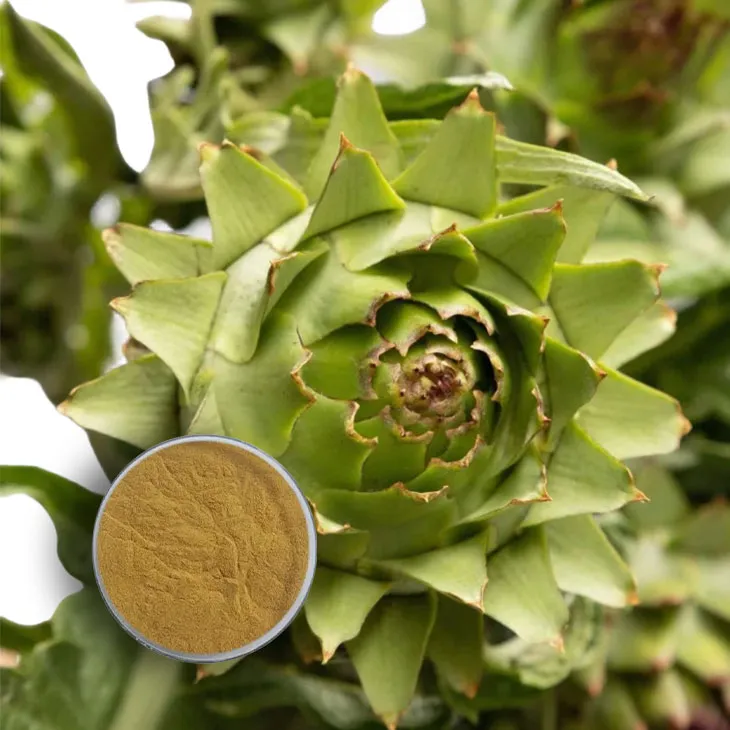
2.2. Extraction Methods
There are several extraction methods used to obtain Artichoke Leaf Extract:
- Solvent Extraction: This is one of the most common methods. Organic solvents such as ethanol or methanol are often used. The artichoke leaves are soaked in the solvent, and the bioactive compounds are dissolved into the solvent. The solvent - leaf mixture is then stirred or agitated for a period of time to ensure efficient extraction. For example, in a typical ethanol extraction process, the leaves may be soaked in ethanol for several hours at a specific temperature, usually between 20 - 50°C. After extraction, the solvent is separated from the plant material, usually by filtration or centrifugation.
- Supercritical Fluid Extraction (SFE): This method uses supercritical fluids, most commonly carbon dioxide (CO₂). Supercritical CO₂ has properties between those of a gas and a liquid, which makes it an excellent solvent for extracting bioactive compounds. The artichoke leaves are placed in a high - pressure chamber with supercritical CO₂. The pressure and temperature are carefully controlled to optimize the extraction of the desired compounds. SFE has several advantages over solvent extraction, including being a more environmentally friendly process as it does not leave behind solvent residues, and it can produce a purer extract.
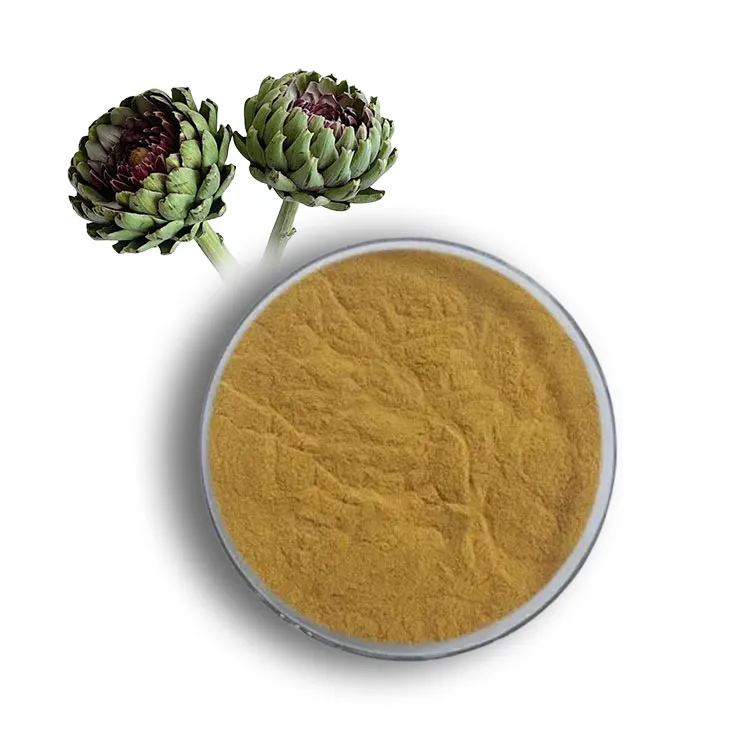
2.3. Purification Steps
Once the extract has been obtained, purification steps are often necessary to remove impurities and concentrate the bioactive compounds.
- Filtration: This is a basic step to remove solid particles such as plant debris. Different types of filters can be used depending on the size of the particles to be removed. For example, a coarse filter may be used first to remove large pieces of plant material, followed by a finer filter to remove smaller particles.
- Chromatography: This technique is used to separate and purify the different components of the extract based on their chemical properties. For Artichoke Leaf Extract, techniques such as high - performance liquid chromatography (HPLC) can be used. HPLC can separate compounds based on their polarity, size, and affinity for the stationary phase in the chromatography column. This allows for the isolation and purification of specific bioactive compounds such as cynarin and chlorogenic acid.
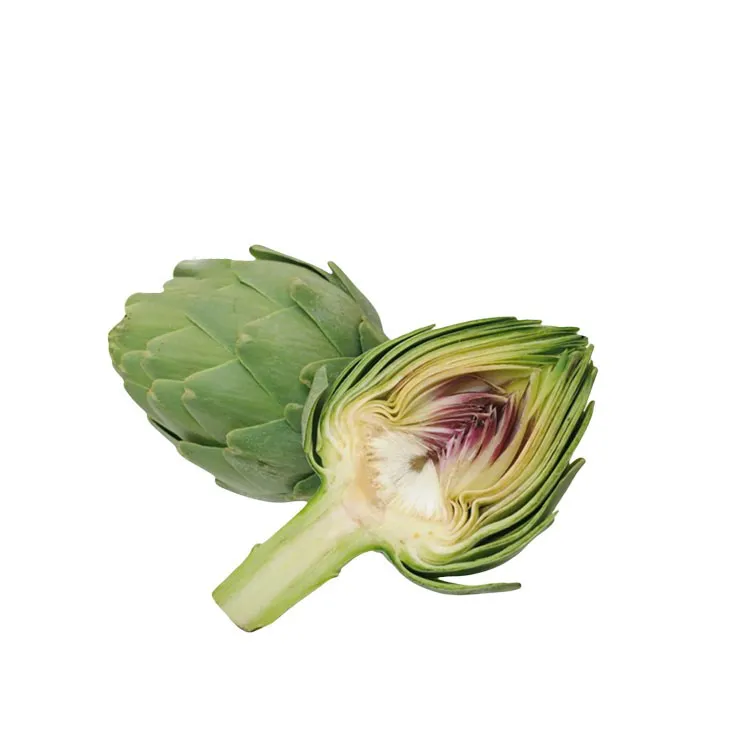
2.4. Quality Control Measures
Quality control is essential throughout the manufacturing process to ensure the safety and efficacy of the Artichoke Leaf Extract.
- Identity Testing: This involves verifying that the extract is indeed from artichoke leaves. Methods such as spectroscopic techniques (e.g., infrared spectroscopy) can be used to identify the characteristic chemical fingerprints of Artichoke Leaf Extract.
- Purity Analysis: Determining the purity of the extract is crucial. This can be done through techniques such as gas chromatography - mass spectrometry (GC - MS) or HPLC to quantify the levels of different compounds and detect any contaminants.
- Microbial Testing: Ensuring that the extract is free from harmful microorganisms such as bacteria, yeast, and molds. Microbiological assays are performed to detect and quantify any microbial contamination.
3. Factors Contributing to Future Demand Growth
3.1. Potential Health Benefits
The potential health benefits of Artichoke Leaf Extract are a major driver of future demand.
- Digestive Health: Artichoke Leaf Extract has been shown to have a positive impact on digestion. It can stimulate bile production in the liver, which helps in the breakdown and absorption of fats in the small intestine. Compounds like cynarin are thought to be responsible for this effect. Additionally, it may also have a mild laxative effect, promoting regular bowel movements.
- Liver Health: The extract is believed to support liver function. It may help in detoxifying the liver by increasing the activity of antioxidant enzymes and protecting liver cells from damage caused by free radicals. Some studies suggest that it can reduce liver enzyme levels in cases of liver disorders.
- Antioxidant Activity: The bioactive compounds in Artichoke Leaf Extract, such as flavonoids and chlorogenic acid, have antioxidant properties. Antioxidants help in neutralizing free radicals in the body, which are associated with various chronic diseases such as cancer, cardiovascular diseases, and neurodegenerative disorders.
3.2. Applications in the Pharmaceutical and Nutraceutical Industries
The pharmaceutical and nutraceutical industries are increasingly interested in Artichoke Leaf Extract.
- Pharmaceutical Applications: In the pharmaceutical field, Artichoke Leaf Extract may be used as an ingredient in drugs for treating liver diseases, digestive disorders, or as a supplement to enhance overall health. For example, it could be formulated into tablets or capsules for easy consumption. Research is ongoing to further explore its medicinal properties and develop more effective pharmaceutical products.
- Nutraceutical Applications: In the nutraceutical industry, Artichoke Leaf Extract is used in dietary supplements. These supplements are often marketed for their potential health benefits, such as improving digestion or liver function. They can be found in various forms, including powders, capsules, and liquid extracts. The growing trend towards preventive healthcare has led to an increased demand for such nutraceutical products containing Artichoke Leaf Extract.
3.3. Expanding Consumer Awareness of Natural Products
Consumers are becoming more aware of the benefits of natural products.
- Preference for Natural Remedies: There is a growing preference for natural remedies over synthetic drugs. Artichoke Leaf Extract, being a natural product, is seen as a safer and more holistic option for maintaining health. Many consumers believe that natural products have fewer side effects and are more in line with a healthy lifestyle.
- Media and Marketing Influence: The media, including health blogs, magazines, and social media platforms, has played a significant role in spreading information about the health benefits of Artichoke Leaf Extract. Marketing campaigns by companies also contribute to increasing consumer awareness. For example, companies may promote their artichoke - based products as a "natural solution" for digestive or liver problems, which attracts consumers who are looking for alternative health products.
4. Conclusion
The manufacturing process of Artichoke Leaf Extract involves multiple steps, from raw material selection to quality control. The extract has great potential due to its various health benefits and applications in different industries. The factors contributing to the expected future demand growth, such as its health - promoting properties, applications in pharmaceuticals and nutraceuticals, and increasing consumer awareness of natural products, suggest that the market for Artichoke Leaf Extract is likely to expand in the coming years. However, continuous research is needed to further understand its mechanisms of action, improve the manufacturing process, and ensure the quality and safety of the extract for consumers.
FAQ:
What are the common extraction methods for Artichoke Leaf Extract?
Common extraction methods for Artichoke Leaf Extract include solvent extraction. Solvents like ethanol or water can be used. Ethanol - based extraction is often preferred as it can effectively extract the bioactive compounds. Another method is supercritical fluid extraction which uses supercritical carbon dioxide. This method has the advantage of being more environmentally friendly and can produce a purer extract.
What are the purification steps in the manufacturing of Artichoke Leaf Extract?
After extraction, filtration is a common purification step. This helps to remove solid particles and impurities. Then, techniques such as chromatography can be used. For example, high - performance liquid chromatography (HPLC) can be employed to separate and purify the specific bioactive components in the extract. Crystallization may also be used in some cases to obtain a more purified form of the extract.
How is quality control carried out during the production of Artichoke Leaf Extract?
Quality control during the production of Artichoke Leaf Extract involves several aspects. Firstly, the raw materials, the artichoke leaves, are inspected for quality, ensuring they are free from contaminants and of the right variety. During the extraction process, parameters such as temperature, pressure (in case of certain extraction methods), and solvent concentration are carefully monitored. The final product is analyzed for its content of bioactive compounds. For example, the amount of cynarin, which is an important bioactive compound in Artichoke Leaf Extract, is measured to ensure it meets the required standards.
What are the specific health benefits of Artichoke Leaf Extract for digestion?
Artichoke Leaf Extract can have several positive effects on digestion. It can stimulate the production of bile, which helps in the emulsification and digestion of fats. This can improve overall digestive function. It also has a prebiotic - like effect, promoting the growth of beneficial gut bacteria. These bacteria play an important role in maintaining a healthy gut environment and can enhance nutrient absorption.
How does Artichoke Leaf Extract contribute to liver health?
Artichoke Leaf Extract helps in liver health in multiple ways. It can protect the liver cells from damage caused by toxins. The bioactive compounds in the extract can enhance the liver's detoxification processes by increasing the activity of certain enzymes involved in the breakdown and elimination of harmful substances. It also helps in reducing liver inflammation, which can be beneficial for those with liver disorders or for maintaining general liver health.
Related literature
- Manufacturing and Quality Control of Artichoke Leaf Extracts"
- "The Health Benefits of Artichoke Leaf Extract: A Review"
- "Future Trends in the Demand for Natural Extracts: The Case of Artichoke Leaf Extract"


-

Astaxanthin
2024-12-07
-

Okra Extract
2024-12-07
-

American Ginseng Root Extract
2024-12-07
-

Grapefruit Seed Extract Powder
2024-12-07
-

Senna Leaf Extract
2024-12-07
-

Nettle leaf extract
2024-12-07
-

Tormentil Extract
2024-12-07
-

Licorice Root Extract Powder
2024-12-07
-

L-carnitine
2024-12-07
-

Carrageenan Extract Powder
2024-12-07