


1. Introduction to Astaxanthin
Astaxanthin is a remarkable compound that has been garnering increasing attention in recent years. It is a type of carotenoid, which is a class of natural pigments found in plants, algae, and some microorganisms. Astaxanthin stands out among carotenoids due to its unique chemical composition and structure, which endow it with extraordinary properties.
2. Chemical Composition of Astaxanthin
2.1 Molecular Structure
The molecular structure of Astaxanthin is a key factor in its functionality. It has a long chain of conjugated double bonds. This structure is responsible for its antioxidant properties. The conjugated double - bond system can interact with free radicals, effectively neutralizing them. In chemical terms, Astaxanthin has a complex ring structure at both ends of the molecule. These rings, along with the long carbon - chain backbone, contribute to its stability and ability to absorb and dissipate energy from harmful sources.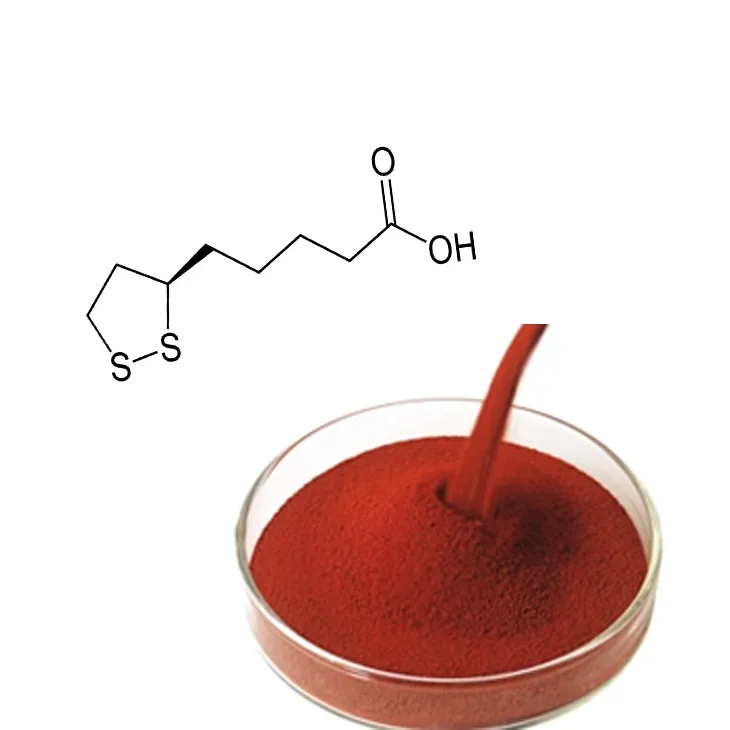
2.2 Isomers of Astaxanthin
Astaxanthin exists in different isomeric forms. The most common ones are 3S, 3' S - Astaxanthin, which is found in nature, especially in certain algae. The different isomers can have slightly different physical and chemical properties. For example, they may have different solubilities in different solvents and different levels of bioavailability in living organisms. Understanding the isomers of Astaxanthin is crucial for its applications in various fields, as the biological activities can be affected by the isomeric form.3. Sources of Astaxanthin

3.1 Natural Sources
- Algae: Haematococcus pluvialis is one of the most well - known sources of Astaxanthin. This microalga can produce large amounts of Astaxanthin under certain environmental conditions, such as high light intensity and nutrient stress. The Astaxanthin in Haematococcus pluvialis is mainly in the form of esters, which are stored in lipid droplets within the cells. - Yeast: Some species of yeast, such as Xanthophyllomyces dendrorhous, can also synthesize Astaxanthin. However, the production levels in yeast are generally lower compared to Haematococcus pluvialis. - Crustaceans: Astaxanthin is also present in crustaceans, such as shrimp, crab, and lobster. In these organisms, Astaxanthin is obtained from their diet, mainly from algae. The Astaxanthin gives the characteristic red or pink color to the exoskeleton and flesh of these crustaceans.
3.2 Synthetic Sources
Synthetic Astaxanthin has been developed to meet the growing demand. The synthetic process involves chemical reactions to construct the Astaxanthin molecule. However, there are some concerns regarding synthetic Astaxanthin. For example, it may contain impurities or have a different isomeric composition compared to natural Astaxanthin. Some studies have suggested that natural Astaxanthin may have better bioavailability and biological activity compared to its synthetic counterpart.4. Antioxidant Properties of Astaxanthin
4.1 Mechanism of Antioxidant Action
Astaxanthin's antioxidant action is based on its ability to donate electrons to free radicals. Free radicals are highly reactive molecules that can cause damage to cells by stealing electrons from important biomolecules such as DNA, proteins, and lipids. Astaxanthin, with its conjugated double - bond system, can donate electrons to these free radicals, thereby neutralizing them and preventing them from causing further damage. This process is highly efficient compared to many other antioxidants. For example, in vitro studies have shown that Astaxanthin can be more effective than vitamins C and E in scavenging certain types of free radicals.4.2 Comparison with Other Antioxidants
- Vitamins: While vitamins C and E are well - known antioxidants, Astaxanthin has some distinct advantages. Vitamin C is a water - soluble antioxidant, mainly acting in the aqueous compartments of cells. Vitamin E is lipid - soluble and protects cell membranes. Astaxanthin, on the other hand, has both water - and lipid - solubility properties, allowing it to act in both aqueous and lipid environments within cells. This dual - solubility gives it a broader range of antioxidant protection compared to vitamins C and E. - Other Carotenoids: Among carotenoids, Astaxanthin has one of the strongest antioxidant capabilities. For instance, compared to beta - carotene, Astaxanthin can better protect cells from oxidative stress in certain experimental models. This is due to its more complex molecular structure and higher number of conjugated double bonds.5. Uses of Astaxanthin in the Health Industry
5.1 Reducing Oxidative Stress
Oxidative stress is implicated in many chronic diseases, including cardiovascular diseases, neurodegenerative diseases, and cancer. Astaxanthin can help to reduce oxidative stress in the body by scavenging free radicals. In clinical trials, Astaxanthin supplementation has been shown to decrease markers of oxidative stress in patients with certain conditions. For example, in patients with type 2 diabetes, Astaxanthin intake led to a reduction in lipid peroxidation, which is a measure of oxidative damage to lipids.5.2 Cardiovascular Health
- Blood Pressure Regulation: Some studies have suggested that Astaxanthin may play a role in regulating blood pressure. It may act on the endothelial cells lining the blood vessels, promoting the production of nitric oxide. Nitric oxide is a vasodilator, which helps to relax blood vessels and lower blood pressure. - Cholesterol Management: Astaxanthin may also have an impact on cholesterol levels. It has been shown to reduce LDL - cholesterol (the "bad" cholesterol) and increase HDL - cholesterol (the "good" cholesterol) in some animal and human studies. This beneficial effect on cholesterol profile may contribute to a reduced risk of cardiovascular diseases.5.3 Neurodegenerative Diseases
In the context of neurodegenerative diseases such as Alzheimer's and Parkinson's, Astaxanthin's antioxidant properties may be of great value. Oxidative stress is believed to be a major factor in the progression of these diseases. Astaxanthin can cross the blood - brain barrier and protect neurons from oxidative damage. Some pre - clinical studies have shown promising results in terms of reducing neuronal cell death and improving cognitive function in animal models of neurodegenerative diseases.5.4 Eye Health
The eyes are particularly vulnerable to oxidative damage due to their high oxygen consumption and exposure to light. Astaxanthin can accumulate in the eye tissues, such as the retina. It has been shown to protect the eyes from various oxidative stress - related conditions, including age - related macular degeneration (AMD) and cataracts. In some studies, Astaxanthin supplementation has been associated with a reduced risk of developing AMD and a slower progression of the disease in patients already affected.6. Uses of Astaxanthin in the Beauty Industry
6.1 Anti - Aging Effects
- Reducing Wrinkles: One of the most visible signs of aging is the formation of wrinkles. Astaxanthin can help to reduce wrinkles by improving the elasticity of the skin. It does this by stimulating the production of collagen and elastin, which are important structural proteins in the skin. Collagen provides strength and firmness, while elastin allows the skin to stretch and recoil. By enhancing the production of these proteins, Astaxanthin can make the skin look smoother and more youthful. - Improving Skin Elasticity: As mentioned above, Astaxanthin promotes the synthesis of elastin in the skin. This leads to an improvement in skin elasticity, which is crucial for maintaining a firm and toned appearance. Skin with good elasticity is less likely to sag and develop wrinkles over time.6.2 Protection Against UV - Induced Damage
Exposure to ultraviolet (UV) radiation from the sun can cause significant damage to the skin, including sunburn, premature aging, and an increased risk of skin cancer. Astaxanthin has been shown to have photoprotective properties. It can absorb UV radiation and dissipate the energy in a non - harmful way, reducing the damage caused by UV exposure. In addition, it can also protect the skin from the oxidative stress induced by UV radiation, which further enhances its protective effect against UV - induced damage.6.3 Whitening and Brightening the Skin
Astaxanthin can also contribute to skin whitening and brightening. It inhibits the production of melanin, which is the pigment responsible for skin color. By reducing melanin production, Astaxanthin can help to even out skin tone and give the skin a more radiant appearance. However, it should be noted that the whitening effect of Astaxanthin is milder compared to some chemical whitening agents and is more focused on improving overall skin health and appearance.7. Conclusion
Astaxanthin is a truly remarkable compound with a unique chemical composition and a wide range of uses. Its antioxidant properties are at the heart of its applications in both the health and beauty industries. In the health industry, it shows great potential in combating oxidative stress - related diseases, from cardiovascular diseases to neurodegenerative disorders. In the beauty industry, it offers various benefits for skin health and appearance, from anti - aging to UV protection. However, more research is still needed to fully understand its mechanisms of action and to optimize its applications. With the increasing interest in natural and effective health and beauty solutions, Astaxanthin is likely to continue to play an important role in the future.
FAQ:
What is the chemical nature of Astaxanthin?
Astaxanthin is a carotenoid. Its special molecular structure endows it with strong antioxidant properties.
Why is Astaxanthin considered a powerful antioxidant?
The molecular structure of Astaxanthin makes it highly effective in neutralizing free radicals, which is why it is regarded as a powerful antioxidant.
How does Astaxanthin help in reducing oxidative stress?
By scavenging free radicals, Astaxanthin helps to reduce oxidative stress, thereby potentially protecting cells from damage.
What are the applications of Astaxanthin in the health industry?
In the health industry, Astaxanthin helps to reduce oxidative stress, which may protect cells from damage. It may also have other potential health benefits that are still being explored.
How does Astaxanthin contribute to anti - aging in the beauty field?
In the beauty field, Astaxanthin is added to various skincare products. It can reduce wrinkles and improve skin elasticity, thus contributing to anti - aging effects.
Related literature
- Astaxanthin: Sources, Extraction, Stability, Biological Activities and Its Commercial Applications: A Review"
- "The Antioxidant Role of Astaxanthin in the Prevention of Cardiovascular Diseases"
- "Astaxanthin and Skin Health: A Comprehensive Review"


-

Polygonum multiflorum extract
2024-12-10
-

Phellodendron Extract
2024-12-10
-

Polygonum Cuspidatum Extract
2024-12-10
-

Resveratrol Extract
2024-12-10
-

Fig Extract
2024-12-10
-

Purple Sweet Potato Extract
2024-12-10
-

L-carnitine
2024-12-10
-

Garcinia Cambogia Extract
2024-12-10
-

Rhodiola Rosea Root extract
2024-12-10
-

Avocado Extract Powder
2024-12-10