


1. Introduction
In recent years, Astaxanthin has emerged as a star ingredient in both skincare and health care products. This naturally occurring compound is known for its powerful antioxidant properties, which offer a wide range of potential benefits for human health and beauty. As consumers become more health - conscious and interested in natural remedies, the demand for Astaxanthin - based products has been steadily increasing. However, understanding the composition of Astaxanthin, the cost factors associated with it, and its specific benefits is crucial for making informed decisions about its use in these products.
2. What is Astaxanthin?
Astaxanthin is a carotenoid pigment, which is a type of natural pigment found in certain plants, algae, and microorganisms. It is responsible for the red or pink color in organisms such as salmon, shrimp, and flamingos. In nature, Astaxanthin is synthesized by microalgae, especially Haematococcus pluvialis, which is one of the richest sources of this compound.
2.1 Chemical Structure
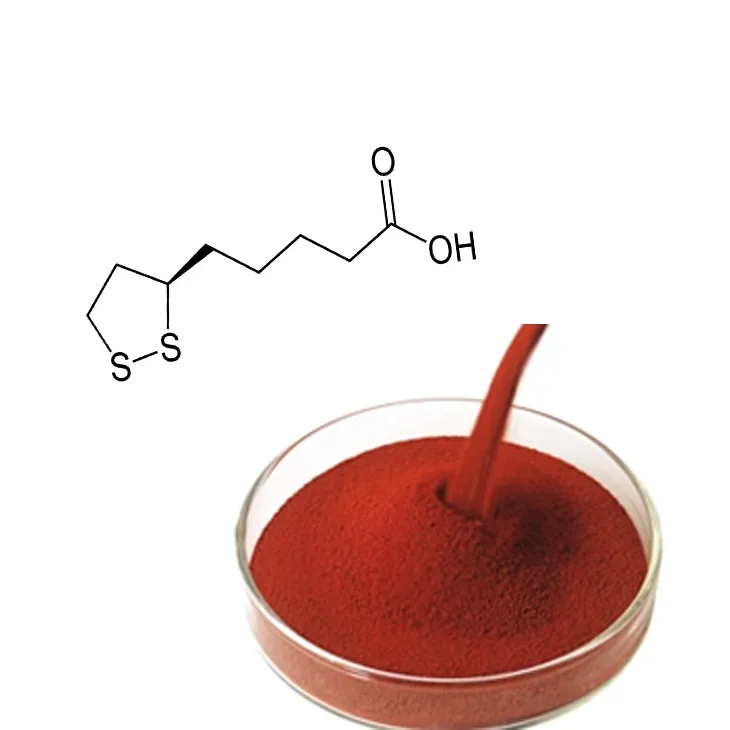
The chemical structure of Astaxanthin is characterized by its long carbon - chain polyene structure with multiple conjugated double bonds. This unique structure is what gives Astaxanthin its antioxidant capabilities. The presence of these double bonds allows Astaxanthin to interact with and neutralize free radicals, which are unstable molecules that can cause damage to cells in the body.
3. Composition of Astaxanthin - based Products
Astaxanthin - based skincare and health care products can vary in their composition depending on the intended use and the manufacturer. In general, these products may contain pure Astaxanthin extract, or they may be formulated with other ingredients to enhance its effectiveness or improve the overall product experience.
3.1 In Skincare Products
In skincare, Astaxanthin may be combined with other beneficial ingredients such as vitamins (e.g., Vitamin C, vitamin E), hyaluronic acid, and natural oils. For example:
- Vitamins: Vitamin C and vitamin E are also antioxidants that work synergistically with Astaxanthin. Vitamin C helps to boost collagen production, while vitamin E protects the skin's lipid barrier.
- Hyaluronic Acid: This is a substance that can hold a large amount of water, helping to keep the skin hydrated and plump. When combined with Astaxanthin, it can improve the skin's texture and reduce the appearance of fine lines and wrinkles.
- Natural Oils: Such as jojoba oil, argan oil, or rosehip oil. These oils can provide additional nourishment to the skin, and help to improve its elasticity. They also assist in the absorption of Astaxanthin and other active ingredients into the skin.

3.2 In Health Care Products
In health care products, Astaxanthin may be found in dietary supplements. These supplements may also include other nutrients like omega - 3 fatty acids, which are beneficial for heart health. Some health care products may be formulated specifically for joint health, and in such cases, they may contain ingredients like glucosamine and chondroitin in addition to Astaxanthin.
4. Cost Factors of Astaxanthin
The cost of Astaxanthin can be influenced by several factors, which in turn affect the price of products containing this ingredient.

4.1 Source of Astaxanthin
As mentioned earlier, Haematococcus pluvialis is a major source of Astaxanthin. However, the process of culturing and extracting Astaxanthin from this microalgae can be complex and expensive. Other sources, such as synthetic Astaxanthin, are generally cheaper but may not offer the same quality or bioavailability as the natural form.
4.2 Production and Extraction Methods
The production of Astaxanthin - rich microalgae requires specific environmental conditions and careful cultivation techniques. The extraction process also plays a crucial role in determining the cost. Advanced extraction methods that can preserve the integrity and potency of Astaxanthin are often more costly. For example, supercritical fluid extraction is a high - quality but expensive method compared to traditional solvent extraction.
4.3 Quality and Purity
Higher - quality Astaxanthin products with greater purity are likely to be more expensive. These products are often subjected to more rigorous testing and quality control measures to ensure their safety and effectiveness. Consumers should be aware that cheaper products may contain lower - quality Astaxanthin or may be adulterated with other substances.
5. Benefits of Astaxanthin in Skincare
Astaxanthin offers numerous benefits when used in skincare products.
5.1 Anti - Aging Effects
One of the most significant benefits of Astaxanthin in skincare is its anti - aging properties. Free radicals generated by environmental factors such as UV radiation, pollution, and stress can damage the skin's cells and accelerate the aging process. Astaxanthin's powerful antioxidant activity helps to neutralize these free radicals, protecting the skin from premature aging. It can reduce the appearance of wrinkles, fine lines, and age spots, giving the skin a more youthful and radiant appearance.
5.2 Skin Hydration
Astaxanthin can also contribute to skin hydration. It helps to strengthen the skin's natural moisture barrier, preventing water loss from the skin. This results in a more hydrated, supple, and healthy - looking skin. By maintaining proper skin hydration, Astaxanthin can also help to improve the skin's overall texture and smoothness.
5.3 Anti - Inflammatory Properties
Skin inflammation can be caused by a variety of factors, including allergies, acne, and skin diseases. Astaxanthin has anti - inflammatory properties that can help to soothe irritated skin, reduce redness, and promote skin healing. It can be particularly beneficial for those with sensitive or acne - prone skin.
6. Benefits of Astaxanthin in Health Care
In the realm of health care, Astaxanthin has a wide range of potential benefits.
6.1 Eye Health
Astaxanthin is beneficial for eye health. It can protect the eyes from oxidative stress, which is associated with age - related macular degeneration (AMD) and cataracts. Studies have shown that Astaxanthin can accumulate in the retina, where it acts as a powerful antioxidant, reducing the risk of eye diseases and improving visual acuity.
6.2 Heart Health
For heart health, Astaxanthin may help to reduce inflammation in the blood vessels and lower blood pressure. It also has the potential to improve lipid profiles by reducing levels of LDL (bad) cholesterol and increasing levels of HDL (good) cholesterol. These effects can contribute to a reduced risk of heart disease.
6.3 Joint Health
Astaxanthin has shown promise in promoting joint health. It can reduce inflammation in the joints, which is beneficial for those with arthritis or other joint disorders. By reducing inflammation, Astaxanthin may help to relieve pain and improve joint mobility.
7. Conclusion
Astaxanthin is a remarkable ingredient with a host of potential benefits in both skincare and health care products. Its unique composition and powerful antioxidant properties make it a valuable addition to these products. However, consumers should be aware of the cost factors associated with Astaxanthin, as well as the importance of choosing high - quality products. By understanding the ingredients, costs, and benefits of Astaxanthin, consumers can make more informed decisions when selecting skincare and health care products that contain this beneficial compound.
FAQ:
1. What is Astaxanthin?
Astaxanthin is a carotenoid pigment. It is a powerful antioxidant that occurs naturally in certain algae and organisms like salmon, shrimp, and krill. It has unique chemical properties that make it highly effective in protecting cells from oxidative damage.
2. How does Astaxanthin work in skincare?
In skincare, Astaxanthin works as a powerful antioxidant. It can neutralize free radicals that are generated by environmental factors such as UV radiation and pollution. This helps to prevent damage to skin cells, reduce inflammation, and may contribute to a more youthful appearance by improving skin elasticity and reducing the appearance of wrinkles.
3. What are the health benefits of Astaxanthin?
Astaxanthin has several health benefits. It can support eye health by protecting the eyes from oxidative stress. It may also have anti - inflammatory properties that are beneficial for joint health. Additionally, it has been studied for its potential role in cardiovascular health, as it may help reduce oxidative damage to blood vessels and improve lipid profiles.
4. What factors affect the cost of Astaxanthin in skincare and health care products?
The cost of Astaxanthin in products can be affected by several factors. The source of Astaxanthin plays a role; for example, natural sources such as algae - derived Astaxanthin may be more expensive to produce compared to synthetic versions. The purity and concentration of Astaxanthin in the product also influence the cost. Higher - quality products with a higher concentration of pure Astaxanthin will generally be more costly.
5. Are there any side effects of using Astaxanthin - containing products?
When used as directed, Astaxanthin - containing products are generally considered safe. However, in some cases, high doses may cause mild side effects such as stomach upset or a change in skin color (a slightly orange tint), but these are rare. It is always advisable to consult a healthcare professional before starting any new supplement.
Related literature
- The Role of Astaxanthin in Skin Health and Beauty"
- "Astaxanthin: A Promising Antioxidant for Health Care"
- "Cost - Benefit Analysis of Astaxanthin in Skincare Products"


-

Senna Leaf Extract
2024-12-11
-

Resveratrol Extract
2024-12-11
-

Nettle leaf extract
2024-12-11
-

Longan Extract
2024-12-11
-

Motherwort Extract
2024-12-11
-

L-Arginine alpha-ketoglutarate
2024-12-11
-

Okra Extract
2024-12-11
-

Olive leaf extract
2024-12-11
-

Orange Flavor Powder
2024-12-11
-

Coenzyme Q10
2024-12-11