


1. Introduction
The bulk Mulberry leaf Extract business is a significant part of the health and wellness industry. It involves two main players: manufacturers and distributors. While they both contribute to the supply chain, their functions, challenges, and goals are quite distinct. This article aims to provide an in - depth comparison between Bulk Mulberry leaf Extract Manufacturers and Bulk Mulberry leaf Extract Distributors.
2. Bulk Mulberry leaf Extract Manufacturers
2.1 Production Process
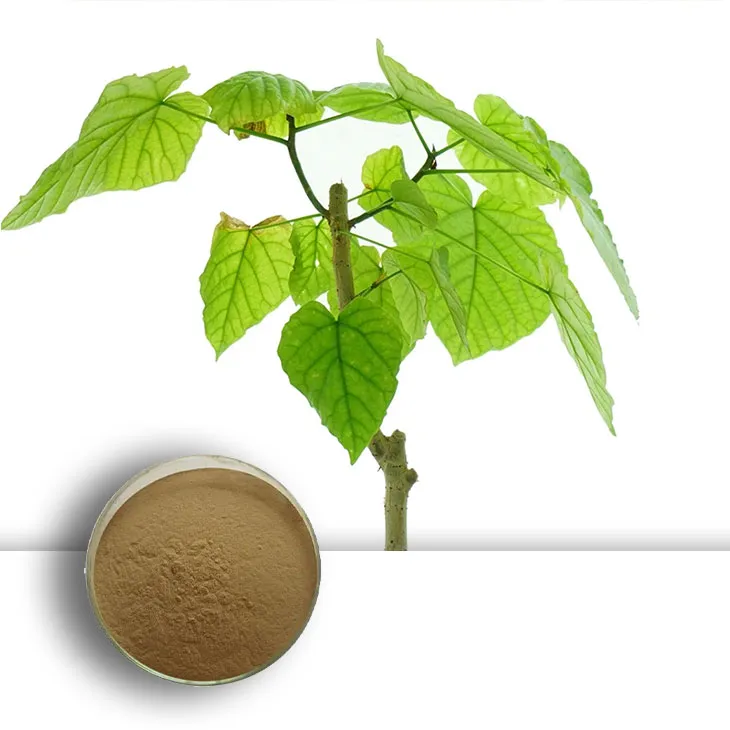
Manufacturers are responsible for the production of Mulberry leaf Extract. The process typically begins with the sourcing of high - quality mulberry leaves. These leaves are carefully selected to ensure that they are free from contaminants such as pesticides and heavy metals. Once the leaves are sourced, they go through a series of processing steps. This may include drying, grinding, and extraction using solvents or other methods. The goal is to obtain a concentrated extract that contains the beneficial compounds found in mulberry leaves, such as flavonoids and alkaloids.
Manufacturers need to invest in advanced equipment and technology to ensure the efficiency and quality of the production process. For example, they may use modern extraction machines that can precisely control the extraction parameters, such as temperature, pressure, and extraction time. This helps to maximize the yield of the extract while maintaining its quality.

2.2 Quality Control
Quality control is a crucial aspect of the manufacturing process. Bulk Mulberry leaf Extract Manufacturers need to implement strict quality control measures at every stage of production. This includes testing the raw materials (mulberry leaves) for purity and potency, as well as monitoring the intermediate and final products for consistency and safety.
They may conduct various tests, such as chromatography to analyze the chemical composition of the extract, and microbiological tests to ensure that it is free from harmful bacteria, fungi, and other microorganisms. Manufacturers also need to comply with relevant regulations and standards, such as Good Manufacturing Practice (GMP) guidelines, to ensure the quality and safety of their products.
2.3 Research and Development
To stay competitive in the market, manufacturers often engage in research and development (R & D). They may explore new extraction methods to improve the efficiency and quality of the extract. For example, some manufacturers are researching the use of supercritical fluid extraction, which is a more environmentally friendly and efficient method compared to traditional solvent extraction.
Manufacturers may also conduct studies on the health benefits of Mulberry leaf Extract. This can help them to develop new products or improve the marketing of existing ones. For instance, if research shows that Mulberry leaf Extract has potential anti - diabetic properties, manufacturers can target the diabetes market by formulating products specifically for diabetic patients.
3. Bulk Mulberry leaf Extract Distributors
3.1 Inventory Management
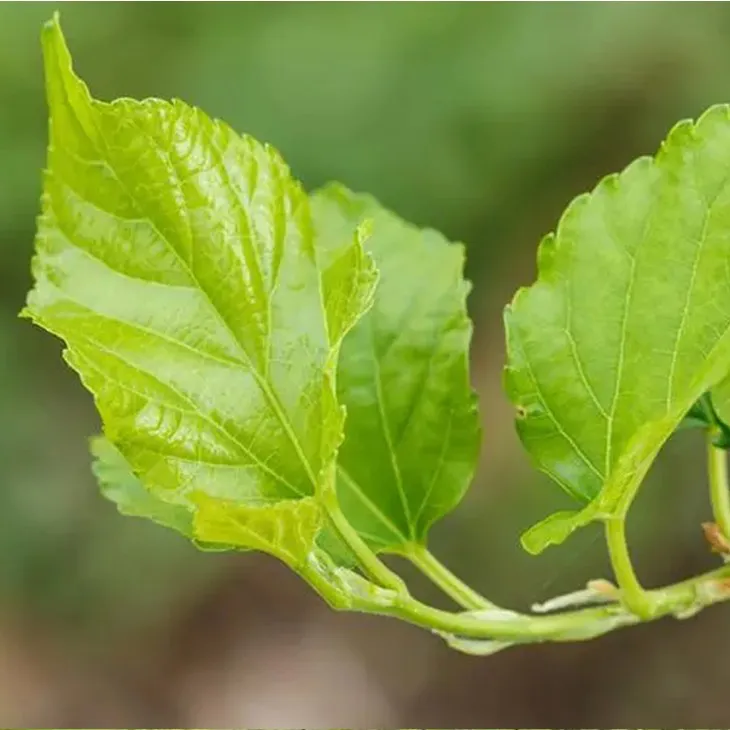
Distributors play a key role in the supply chain by managing the inventory of bulk Mulberry leaf Extract. They need to ensure that they have an adequate supply of the product to meet the demands of their customers. This involves forecasting demand, which can be a challenging task as it depends on various factors such as market trends, seasonality, and customer preferences.
Distributors also need to store the product properly to maintain its quality. They may need to invest in appropriate storage facilities, such as temperature - controlled warehouses, especially for products that are sensitive to environmental factors. Additionally, they need to manage the inventory levels to avoid overstocking or understocking. Overstocking can lead to increased storage costs and the risk of product expiration, while understocking can result in lost sales opportunities.
3.2 Price Setting
Another important function of distributors is price setting. They need to consider various factors when determining the price of bulk Mulberry leaf Extract. These factors include the cost of the product from the manufacturer, transportation costs, storage costs, and the desired profit margin. Distributors also need to be aware of the market competition and price sensitivity of their customers.
If the price is set too high, it may lead to lower sales volume as customers may switch to cheaper alternatives. On the other hand, if the price is set too low, the distributor may not be able to cover their costs and make a profit. Therefore, finding the right balance in price setting is crucial for distributors.
3.3 Market Promotion
Distributors are responsible for promoting the bulk Mulberry leaf Extract in different markets. This involves creating awareness about the product among potential customers. They may use various marketing channels, such as advertising, trade shows, and online marketing. For example, they can create informative websites about the benefits of Mulberry leaf Extract and use social media platforms to reach a wider audience.
Distributors may also target specific market segments based on the characteristics of the product. For instance, if the Mulberry leaf Extract has properties that are beneficial for skin health, they can target the cosmetics and skincare market. They need to communicate the unique selling points of the product to their customers and build strong relationships with them.
4. Contrast between Manufacturers and Distributors
4.1 Focus of Operations
The primary focus of manufacturers is on the production process. They are concerned with optimizing the production efficiency, ensuring product quality, and conducting research and development. On the other hand, distributors are more focused on the commercial aspects of the product. Their main concerns are inventory management, price setting, and market promotion.
For example, a manufacturer may be investing in new equipment to improve the extraction process, while a distributor may be negotiating with different suppliers to get the best price for the product.
4.2 Relationship with Suppliers and Customers
Manufacturers have a direct relationship with suppliers of raw materials, such as mulberry leaf farmers. They need to ensure a stable supply of high - quality raw materials. In contrast, distributors have a closer relationship with customers. They need to understand the needs and preferences of their customers to effectively promote the product and manage their inventory.
Manufacturers may work with a limited number of large - scale suppliers, while distributors may deal with a large number of customers, including small - scale retailers and end - consumers.
4.3 Risk Exposure
Manufacturers are exposed to risks related to production, such as equipment breakdown, raw material shortages, and quality control issues. If there is a problem with the production process, it can lead to a delay in product delivery or a decrease in product quality. Distributors, on the other hand, are more exposed to market - related risks, such as changes in demand, price fluctuations, and competition.
For example, if a new competitor enters the market with a lower - priced Mulberry leaf Extract, distributors may face challenges in maintaining their market share and profitability.
5. Conclusion
In conclusion, both Bulk Mulberry leaf Extract Manufacturers and Bulk Mulberry leaf Extract Distributors play important and complementary roles in the bulk Mulberry leaf Extract business. Manufacturers are the foundation of the supply chain, providing high - quality products through efficient production processes. Distributors, on the other hand, are responsible for getting the product to the market, managing inventory, setting prices, and promoting it to customers.
Understanding the differences between these two players is crucial for anyone involved in the Mulberry leaf Extract business, whether it is a supplier, a customer, or an investor. By recognizing their respective functions, challenges, and goals, it is possible to build more effective and collaborative relationships within the supply chain.
FAQ:
1. What are the main responsibilities of bulk Mulberry leaf Extract manufacturers?
Manufacturers are mainly responsible for efficient production processes. They need to ensure the quality of raw materials, use proper extraction techniques to obtain the Mulberry leaf Extract, and conduct quality control at each stage of production. This includes things like maintaining clean and hygienic production facilities, having trained staff to operate the extraction equipment, and ensuring compliance with relevant industry regulations regarding product purity and safety.
2. What do bulk Mulberry leaf Extract distributors focus on?
Distributors focus on inventory management to ensure an appropriate supply of the product without overstocking or running out. They also set prices based on market demand, production costs (which they get from the manufacturers), and competition. Additionally, they are involved in promoting the product in different markets. This can include activities such as marketing the health benefits of Mulberry leaf Extract to potential customers, establishing relationships with retailers or other businesses in the supply chain, and identifying new market opportunities.
3. How do manufacturers ensure the quality of bulk Mulberry leaf Extract?
Manufacturers ensure quality through several means. Firstly, they source high - quality mulberry leaves from reliable suppliers. Then, during the extraction process, they use standardized and well - controlled methods. Quality control tests are carried out at various stages, such as testing for the presence of contaminants, verifying the concentration of active ingredients, and ensuring the extract meets specified purity levels. They may also have certifications or adhere to industry - recognized quality standards.
4. What challenges do distributors face in promoting bulk Mulberry leaf Extract?
Distributors may face challenges such as competition from other similar products. They need to convince consumers of the unique benefits of Mulberry leaf Extract over alternatives. There can also be regulatory challenges in different markets regarding product claims and marketing. Another challenge is dealing with fluctuating market demand. If they over - promote and the demand doesn't match, they may end up with excess inventory, and if they under - promote, they may miss out on potential sales.
5. How do manufacturers and distributors interact in the bulk Mulberry leaf Extract business?
Manufacturers supply the product to distributors. They communicate about product specifications, production volumes, and delivery schedules. Distributors, in turn, provide feedback to manufacturers about market trends, customer demands, and any issues with the product. For example, if distributors notice a particular demand for a different form of the extract in the market, they can relay this information to the manufacturers, who may then consider adjusting their production processes.
Related literature
- Mulberry leaf Extract: Production and Market Trends"
- "The Role of Manufacturers and Distributors in the Herbal Extract Industry"
- "Quality Control in Bulk Mulberry leaf Extract Production"


-

Aguaje Extract
2024-12-19
-

Apricot Powder
2024-12-19
-

Bamboo Leaf extract
2024-12-19
-

Olive leaf extract
2024-12-19
-

Epimedium extract powder
2024-12-19
-

Citrus bioflavonoids
2024-12-19
-

Bayberry Extract
2024-12-19
-

Mangosteen extract powder
2024-12-19
-

Lily extract
2024-12-19
-

Beta Carotene
2024-12-19