


1. Introduction
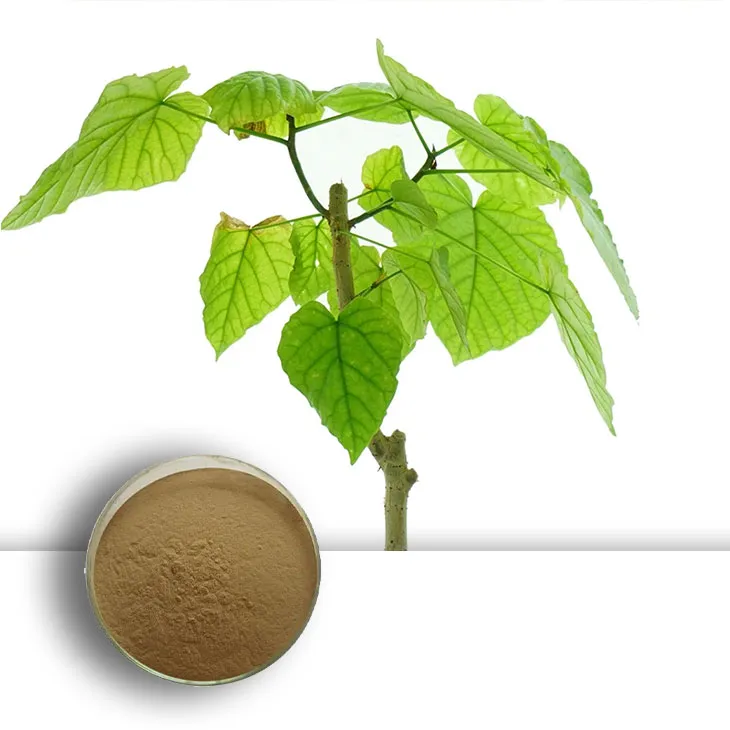
Mulberry leaf Extract has been receiving increasing attention in various industries in recent years. It is derived from the leaves of the mulberry tree, which has a long history of use in traditional medicine. This extract is now being explored for its potential applications in modern fields such as nutraceuticals, food, and cosmetics. Understanding its components, costs, and advantages is crucial for both producers and consumers.
2. Components of Mulberry leaf Extract
2.1 Phenolic Compounds
One of the major groups of components in Mulberry leaf Extract is phenolic compounds. These compounds are known for their antioxidant properties. Examples include flavonoids such as Rutin, Quercetin, and kaempferol. These phenolic compounds play a vital role in protecting the body against oxidative stress by neutralizing free radicals. They can also contribute to the anti - inflammatory effects of the extract.

2.2 Alkaloids
Mulberry leaf Extract also contains alkaloids. 1 - Deoxynojirimycin (DNJ) is a notable alkaloid in mulberry leaves. DNJ has been studied for its potential to inhibit alpha - glucosidase, an enzyme involved in carbohydrate digestion. This property makes it of interest in the management of blood sugar levels, as it may help to slow down the absorption of glucose from the digestive tract.
2.3 Vitamins and Minerals
The extract is a source of various vitamins and minerals. It contains Vitamin C, which is an important antioxidant and is involved in collagen synthesis. Additionally, it may contain minerals such as potassium, calcium, and magnesium. These nutrients contribute to the overall nutritional value of the extract and can have beneficial effects on various physiological functions in the body.
3. Costs Associated with Mulberry leaf Extract
3.1 Raw Material Costs
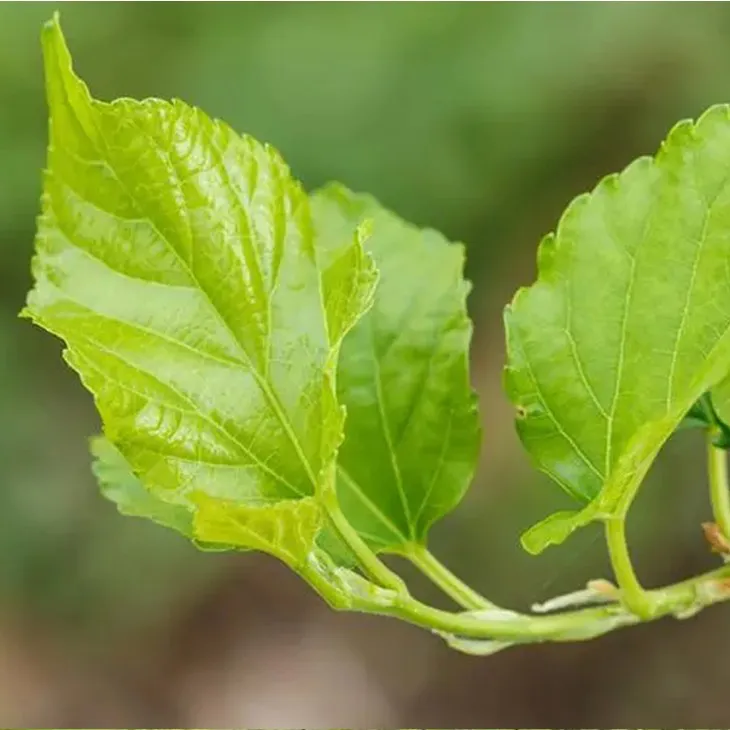
The cost of the raw material, which is the mulberry leaves themselves, can vary depending on several factors. Location of cultivation is one factor. If the mulberry trees are grown in areas with high labor and land costs, such as in some developed countries, the raw material cost will be higher. On the other hand, in regions where mulberry cultivation is more widespread and costs are lower, such as some parts of Asia, the raw material cost can be more affordable.
The quality of the mulberry leaves also affects the cost. Leaves that are carefully cultivated, free from pesticides and other contaminants, and harvested at the optimal time will generally be more expensive. For example, leaves harvested from organic mulberry farms may command a higher price due to the additional care and cost involved in organic farming practices.
3.2 Extraction Costs
Extraction efficiency is a key factor in determining the cost of Mulberry leaf Extract. Different extraction methods have different levels of efficiency and cost. Traditional extraction methods may be less expensive in terms of equipment, but they may have lower extraction yields and require more time and labor.
Modern extraction techniques such as supercritical fluid extraction or microwave - assisted extraction can achieve higher extraction yields in a shorter time. However, these methods often require more sophisticated and expensive equipment, which increases the extraction cost. The solvents used in the extraction process also contribute to the cost. Some solvents are more expensive than others, and the choice of solvent may depend on the specific components to be extracted and the desired quality of the extract.
3.3 Processing and Packaging Costs
After extraction, the Mulberry leaf Extract needs to be processed further to meet the required quality standards. This may involve purification steps to remove impurities, concentration to increase the potency of the extract, and drying to obtain a stable product. Each of these processing steps incurs costs, including the cost of energy, equipment, and labor.
Packaging is another important cost factor. The type of packaging used for the Mulberry leaf Extract depends on its intended use and shelf - life requirements. For example, extracts intended for long - term storage or for export may require more expensive, airtight and light - resistant packaging materials. Additionally, the packaging design and labeling also add to the overall cost.
4. Advantages of Using Mulberry leaf Extract
4.1 Health - related Advantages
Blood Sugar Management: As mentioned earlier, the presence of DNJ in Mulberry leaf Extract can potentially help in blood sugar management. By inhibiting alpha - glucosidase, it may assist in reducing post - prandial blood glucose spikes in people with diabetes or those at risk of developing diabetes.
Antioxidant and Anti - inflammatory Effects: The phenolic compounds in the extract contribute to its antioxidant and anti - inflammatory properties. These properties can help protect the body's cells from damage caused by free radicals and reduce inflammation in the body. This may be beneficial in preventing chronic diseases such as heart disease, cancer, and neurodegenerative diseases.
Weight Management: Some studies suggest that Mulberry leaf Extract may play a role in weight management. It may help to regulate lipid metabolism and reduce appetite. However, more research is needed to fully understand its mechanisms and effectiveness in this area.
4.2 Advantages in the Nutraceutical Industry
Natural and Safe Ingredient: Mulberry leaf Extract is a natural ingredient, which is an important advantage in the nutraceutical industry. Consumers are increasingly seeking natural alternatives to synthetic drugs and supplements. The extract's natural origin makes it an attractive option for those who prefer natural products for their health and wellness.
Versatility in Product Formulation: It can be easily incorporated into various nutraceutical products such as dietary supplements, functional foods, and beverages. Its relatively mild flavor allows it to blend well with other ingredients, enabling manufacturers to create a wide range of products with different flavors and functions.
4.3 Advantages in the Food Industry
Food Preservation: The antioxidant properties of Mulberry leaf Extract can be utilized in food preservation. It can help to prevent the oxidation of fats and oils in food products, thereby extending their shelf - life. This can be particularly useful in the preservation of products such as bakery items, fried foods, and processed meats.
Flavor Enhancement: In some cases, Mulberry leaf Extract can be used to enhance the flavor of food products. Although it has a relatively mild flavor on its own, when used in combination with other ingredients, it can add a unique and pleasant taste to foods. For example, it may be used in the production of herbal teas or flavored beverages.
5. Conclusion
Mulberry leaf Extract is a complex and valuable product with a variety of components, costs, and advantages. Understanding its composition, which includes phenolic compounds, alkaloids, vitamins, and minerals, is essential for realizing its potential benefits. The cost associated with its production is influenced by raw material, extraction, processing, and packaging factors. Despite the costs, its numerous advantages in terms of health benefits, applications in the nutraceutical industry, and uses in the food industry make it a promising ingredient for future development. As research continues, it is likely that more applications and benefits of Mulberry leaf Extract will be discovered, further enhancing its value in various industries.
FAQ:
1. What are the main components in Mulberry leaf Extract?
Mulberry leaf Extract is rich in phenolic compounds. These phenolic compounds contribute to many of its properties and potential benefits.
2. How is the cost of Mulberry leaf Extract determined?
The cost of Mulberry leaf Extract depends on factors like extraction efficiency. Other factors such as the quality of the raw materials (mulberry leaves), the extraction method used (which can vary in complexity and cost), and the scale of production can also influence the cost.
3. What are the advantages of using Mulberry leaf Extract in the nutraceutical industry?
In the nutraceutical industry, Mulberry leaf Extract is a natural ingredient. This is a significant advantage as there is an increasing demand for natural products. It also has less side - effects in certain uses, making it a potentially safer option compared to some synthetic alternatives. Additionally, it shows great potential for various health - promoting applications.
4. Are there any advantages of using Mulberry leaf Extract in the food industry?
Yes, in the food industry, Mulberry leaf Extract is a natural ingredient which can be used for various purposes. It can potentially add unique flavors or functional properties to food products. Also, being a natural ingredient, it can appeal to consumers who prefer natural additives in their food.
5. How does the phenolic content in Mulberry leaf Extract contribute to its benefits?
The phenolic compounds in Mulberry leaf Extract are likely to contribute to its antioxidant, anti - inflammatory and other beneficial properties. They can help in protecting cells from damage, reducing inflammation in the body, and potentially contributing to overall health improvement.
Related literature
- The Composition and Health - Promoting Properties of Mulberry leaf Extract"
- "Cost - effectiveness Analysis in Mulberry leaf Extract Production"
- "Advantages of Mulberry leaf Extract in Food and Nutraceutical Applications"


-

Sea buckthorn Juice Powder
2025-01-15
-

Grapefruit Seed Extract Powder
2025-01-15
-

Peppermint Extract Powder
2025-01-15
-

Stevia Extract
2025-01-15
-

Polygonum Cuspidatum Extract
2025-01-15
-

Citrus Aurantium Extract
2025-01-15
-

L-Cysteine
2025-01-15
-

Maitake Mushroom Extract
2025-01-15
-

Bromelain
2025-01-15
-

Chia Seed Powder
2025-01-15