


1. Introduction
The world of herbal ingredients is rich and diverse, with many plants and fungi offering a plethora of potential health benefits. Among these, Cordyceps Extract has emerged as a notable component, but it exists in a realm filled with numerous other herbal ingredients. This article aims to explore these elements, comparing their unique properties, potential benefits, and applications in different fields to determine which might hold a more dominant position in various aspects, such as traditional medicine, modern health supplements, and research.
2. Cordyceps Extract
2.1 Origins and Types
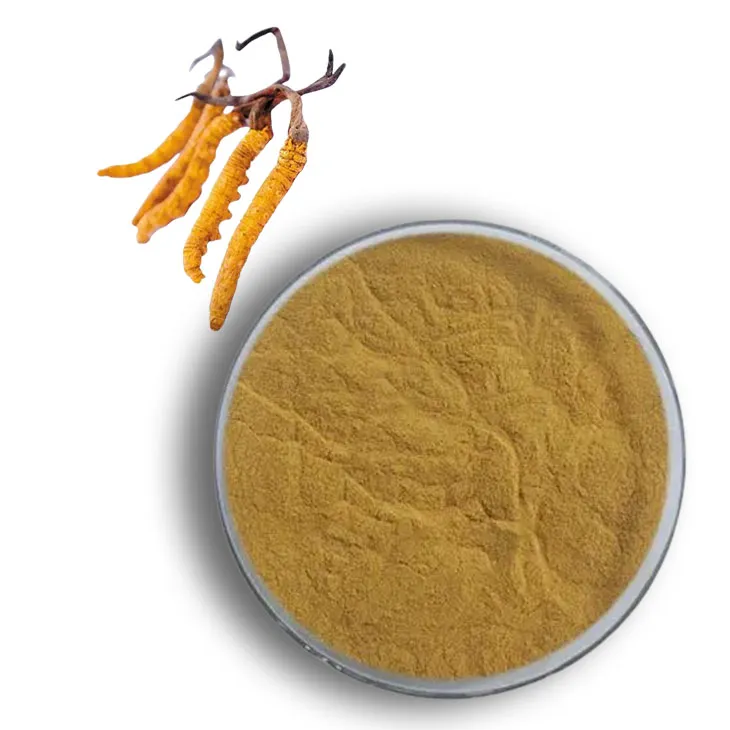
Cordyceps is a genus of parasitic fungi that typically infects insects and other arthropods. The most well - known species is Cordyceps sinensis, which is native to the high - altitude regions of Tibet, China, and the Himalayas. However, due to its scarcity and high demand, other species and cultivated forms, such as Cordyceps militaris, are also being used to produce Cordyceps Extract.

2.2 Unique Properties
Cordyceps Extract contains a variety of bioactive compounds. One of the key components is cordycepin, which has been shown to have anti - inflammatory, antioxidant, and potential anti - cancer properties. Additionally, it contains polysaccharides that are thought to enhance the immune system. The extract also has adaptogenic qualities, meaning it may help the body adapt to stress, whether physical or mental.

2.3 Potential Benefits
In traditional medicine, Cordyceps has been used for centuries to treat a range of ailments. It is believed to improve respiratory function, making it potentially useful for those with asthma or other breathing problems. In the realm of sports and fitness, some studies suggest that Cordyceps Extract can enhance athletic performance by increasing oxygen uptake and improving energy metabolism. It may also have anti - aging effects, as its antioxidant properties can help combat free - radical damage in the body.
2.4 Usage in Different Fields
In traditional Chinese medicine, Cordyceps is often prepared as a decoction or used in herbal formulas. In modern health supplements, it is available in various forms, such as capsules, powders, and tinctures. In research, scientists are exploring its potential in treating more serious diseases, such as cancer and neurodegenerative disorders, although more clinical trials are needed to confirm its efficacy.
3. Other Herbal Ingredients
3.1 Ginseng
Ginseng is one of the most famous herbal ingredients in the world. It has different varieties, such as Panax ginseng (Asian ginseng) and Panax quinquefolius (American ginseng). Ginseng contains ginsenosides, which are responsible for many of its beneficial effects. It has adaptogenic properties similar to Cordyceps, helping the body cope with stress. It is also believed to boost energy, improve cognitive function, and enhance the immune system. In traditional medicine, ginseng has been used for a long time to treat fatigue, weakness, and various health problems. In modern health supplements, it is a popular ingredient in energy - boosting and anti - stress products.
3.2 Ashwagandha
Ashwagandha, also known as Withania somnifera, is an important herb in Ayurvedic medicine. It contains withanolides, which have anti - stress, anti - inflammatory, and antioxidant properties. Ashwagandha is often used to reduce anxiety, improve sleep quality, and enhance male fertility. It can be consumed as a powder, capsule, or tincture. In recent years, it has gained popularity in the Western world as a natural alternative to pharmaceuticals for stress - related and mood - related issues.
3.3 Turmeric
Turmeric contains Curcumin, a powerful antioxidant and anti - inflammatory compound. It has been used in traditional Indian medicine for centuries to treat various inflammatory conditions, such as arthritis. In modern research, Curcumin has shown potential in preventing and treating cancer, Alzheimer's disease, and other chronic diseases. Turmeric can be used in cooking, as a supplement in capsule form, or as an ingredient in topical creams for skin conditions.
4. Comparison in Traditional Medicine
In traditional medicine systems, each of these herbal ingredients has its own place.
- Cordyceps is highly regarded in traditional Chinese medicine for its role in respiratory health and overall vitality. It is often combined with other herbs to create complex formulas for treating specific conditions.
- Ginseng is a staple in Asian traditional medicine for its energy - enhancing and adaptogenic qualities. It is used to treat a wide range of issues from general weakness to more complex health problems.
- Ashwagandha is central to Ayurvedic medicine, where it is used mainly for stress - related and reproductive health issues.
- Turmeric is a key component in traditional Indian medicine, especially for its anti - inflammatory properties in treating various ailments.
It is difficult to say which one dominates in traditional medicine as they are all integral to their respective systems and are used depending on the specific needs of the patient.
5. Comparison in Modern Health Supplements
In the world of modern health supplements, different factors come into play.
- Cordyceps Extract is often marketed towards athletes and those interested in enhancing physical performance due to its potential to increase oxygen uptake. It also has a following among those interested in anti - aging and immune - boosting products.
- Ginseng is a popular ingredient in energy - boosting supplements, often found in products aimed at combating fatigue and increasing mental focus. It also has a reputation for immune support, which makes it a common addition to multi - ingredient supplements.
- Ashwagandha has seen a surge in popularity in recent years, especially in products focused on stress relief and mood improvement. It is also being incorporated into supplements for male health.
- Turmeric supplements, particularly those containing Curcumin, are in high demand for their potential anti - inflammatory and antioxidant benefits. They are often recommended for people with joint problems or those looking to prevent chronic diseases.
In this context, no single ingredient clearly dominates. The popularity of each depends on the target market and the specific health claims being made.
6. Comparison in Research
In the field of research, each herbal ingredient has its own areas of focus.
- Cordyceps research is mainly centered around its potential anti - cancer properties, its effects on athletic performance, and its role in immune modulation. However, more in - depth and large - scale clinical trials are still needed to fully understand its mechanisms and efficacy.
- Ginseng has been the subject of numerous studies regarding its impact on cognitive function, its role in stress adaptation, and its potential anti - diabetes effects. Scientists are also exploring the different ginsenosides and their individual contributions to health.
- Ashwagandha research is increasingly focusing on its anti - stress and anti - anxiety mechanisms, as well as its potential in treating neurodegenerative diseases. The bioavailability of withanolides and how to improve it in supplements is also an area of interest.
- Turmeric research has been extensive, with a particular emphasis on Curcumin's anti - cancer, anti - inflammatory, and antioxidant activities. Scientists are working on ways to improve the bioavailability of Curcumin, as it has poor absorption in its natural form.
In research, again, no single ingredient can be said to dominate. Each has its own potential and areas of exploration that are all important in the broader scope of understanding herbal medicine and its applications.
7. Conclusion
In conclusion, when comparing Cordyceps Extract with other herbal ingredients such as ginseng, ashwagandha, and turmeric, it is clear that no single ingredient dominates across all aspects of traditional medicine, modern health supplements, and research. Each herbal ingredient has its own unique set of properties, potential benefits, and applications. In traditional medicine, they are all important components within their respective systems. In modern health supplements, their popularity depends on the specific health claims and target markets. And in research, they each have areas of focus that are all valuable in the pursuit of understanding the potential of herbal medicine. Future research may further clarify the relative advantages of each ingredient, but for now, they all coexist as important elements in the world of herbal medicine.
FAQ:
What are the unique properties of Cordyceps Extract?
Cordyceps Extract is known for its potential antioxidant properties. It may also have anti - inflammatory effects. Additionally, it has been studied for its possible role in enhancing the immune system and improving energy levels. Some research suggests that it might have adaptogenic qualities, helping the body better adapt to stress.
What are the potential benefits of other herbal ingredients?
There are many different herbal ingredients, each with their own set of potential benefits. For example, ginseng is often associated with increased energy and improved cognitive function. Turmeric has strong anti - inflammatory and antioxidant properties. Ashwagandha is known as an adaptogen, which can help the body deal with stress and promote overall well - being. Ginger can aid in digestion and relieve nausea.
How are Cordyceps Extract and other herbal ingredients used in traditional medicine?
In traditional Chinese medicine, Cordyceps has been used for centuries to treat various ailments such as fatigue, respiratory problems, and kidney disorders. Other herbal ingredients like ginseng are used to boost vitality. In Ayurvedic medicine, herbs like ashwagandha are used for stress management and to enhance overall health. In traditional medicine systems, these herbs are often prepared as decoctions, tinctures, or powders and are prescribed based on the patient's symptoms and constitution.
How are Cordyceps Extract and other herbal ingredients used in modern health supplements?
Cordyceps Extract is commonly included in health supplements aimed at improving athletic performance, enhancing immunity, and increasing energy. Other herbal ingredients like turmeric are often added to supplements for their anti - inflammatory benefits. These herbal ingredients are usually processed into capsules, tablets, or liquid extracts for easy consumption. They are marketed towards individuals looking for natural ways to improve their health and well - being.
Which is more dominant in research, Cordyceps Extract or other herbal ingredients?
It is difficult to say which is more dominant in research. Cordyceps Extract has been the subject of numerous studies regarding its potential health benefits, especially in relation to immune function and energy enhancement. However, other herbal ingredients such as turmeric and ginseng have also received a great deal of research attention. Turmeric, for example, has been extensively studied for its anti - inflammatory properties. The dominance may vary depending on the specific area of research, such as immunology, pharmacology, or nutrition.
Related literature
- The Bioactive Compounds and Medicinal Properties of Cordyceps"
- "Herbal Ingredients in Modern Medicine: A Comprehensive Review"
- "Traditional Medicine and the Role of Herbal Ingredients"


-

Beetroot Powder
2024-12-19
-

Dragon Fruit Powder
2024-12-19
-

Feverfew Extract
2024-12-19
-

Longan Extract
2024-12-19
-

Citrus Aurantium Extract
2024-12-19
-

Mulberry leaf Extract
2024-12-19
-

Maca Extract
2024-12-19
-

Golden Seal Extract
2024-12-19
-

Bladder horn extract powder
2024-12-19
-

Panax Ginseng Leaf Extract
2024-12-19