


1. Introduction
The Cordyceps sinensis extract industry has been growing steadily in recent years, due to the increasing recognition of the potential health benefits of Cordyceps sinensis. However, in the production process of Cordyceps sinensis extract, it is crucial to distinguish between cooperation partners and raw material providers. This distinction is essential for ensuring product quality, optimizing cost - effective resource allocation, and promoting the healthy development of the industry.
2. Cooperation Partners in Cordyceps Extract Process
2.1. Extraction Techniques
Advanced extraction techniques are a key aspect of cooperation partners in the Cordyceps sinensis extract process. These techniques can significantly affect the quality and efficacy of the final extract. For example, modern extraction methods such as supercritical fluid extraction (SFE) and ultrasonic - assisted extraction (UAE) are preferred by many partners.
- SFE offers several advantages. It can operate at relatively low temperatures, which helps to preserve the active components in Cordyceps sinensis. This method also provides a high - purity extract with minimal solvent residue.
- UAE, on the other hand, uses ultrasonic waves to enhance the mass transfer process during extraction. It can reduce the extraction time and improve the extraction efficiency, ensuring that more valuable components are extracted from the Cordyceps sinensis.

2.2. Quality Management Systems
A reliable cooperation partner should have a robust quality management system. This system typically includes strict quality control procedures at every stage of the extraction process.
- Raw material inspection: Before the extraction process begins, the partner should conduct thorough inspections of the Cordyceps sinensis raw materials. This involves checking for authenticity, purity, and the presence of contaminants.
- Process monitoring: During the extraction, parameters such as temperature, pressure, and extraction time need to be closely monitored to ensure consistency and quality. Any deviation from the standard operating procedures should be immediately corrected.
- Finished product testing: After the extraction is complete, the final Cordyceps sinensis extract must undergo comprehensive testing. Tests may include assays for active ingredients, microbiological analysis, and heavy metal detection to ensure that the product meets the required quality standards.

2.3. Flexible Cooperation Models
In the Cordyceps sinensis extract industry, flexible cooperation models are highly desirable. Different partners may offer various forms of cooperation, depending on the needs of the parties involved.
- Joint research and development (R&D) is one such model. A cooperation partner may collaborate with Cordyceps sinensis extract producers to develop new extraction techniques or improve existing ones. This can lead to the discovery of more effective ways to extract and utilize the valuable components in Cordyceps sinensis.
- Another model is contract manufacturing. A partner with advanced extraction facilities and expertise may offer contract manufacturing services to Cordyceps sinensis extract companies. This allows the latter to focus on other aspects such as marketing and sales, while ensuring the high - quality production of the extract.
3. Raw Material Providers in Cordyceps Extract Process
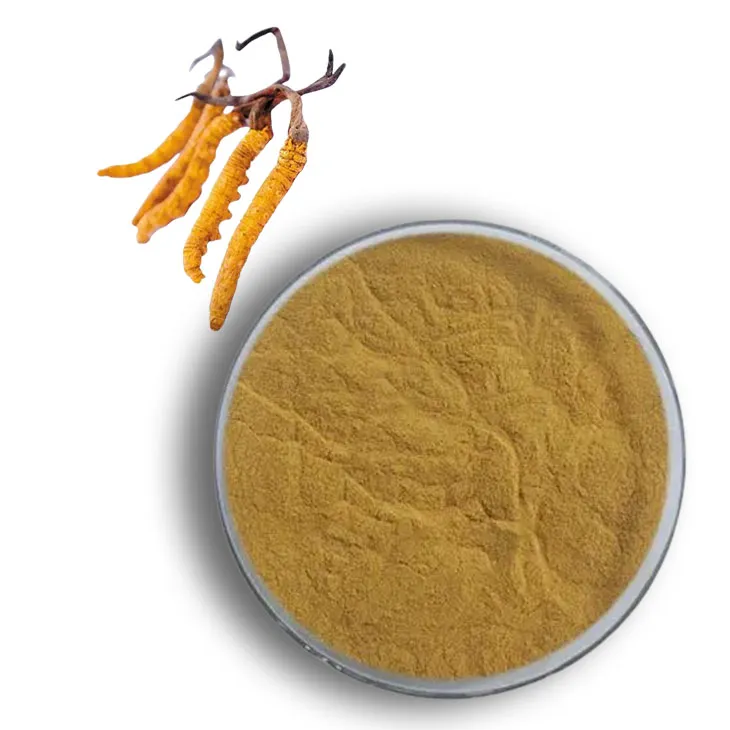
3.1. Raw Material Sources
For raw material providers in the Cordyceps sinensis extract process, the origin of the raw materials is of utmost importance. High - quality Cordyceps sinensis typically comes from specific geographical regions.
- In China, certain areas in Tibet, Qinghai, and Sichuan are known for their rich Cordyceps sinensis resources. Raw materials sourced from these regions are often considered to be of superior quality due to the unique environmental conditions, such as altitude, climate, and soil type.
- However, with the increasing demand for Cordyceps sinensis, it is also necessary to ensure the sustainable collection of raw materials. Some providers are now exploring the cultivation of Cordyceps sinensis to supplement the wild - sourced supply. Cultivated Cordyceps sinensis can also be a reliable source of raw materials, provided that proper cultivation techniques are used to maintain its quality.
3.2. Quality Control
Quality control at the raw material provider level is crucial for the production of high - quality Cordyceps sinensis extract.
- Harvesting standards: Raw material providers should follow strict harvesting standards. For example, Cordyceps sinensis should be harvested at the appropriate time to ensure that it contains the maximum amount of active ingredients. Premature or over - ripe harvesting can lead to a decrease in quality.
- Drying and storage: After harvesting, proper drying and storage methods are essential. Cordyceps sinensis should be dried quickly to prevent the growth of mold and bacteria. It should also be stored in a cool, dry place to maintain its quality over time.
- Authentication: Providers need to be able to authenticate the Cordyceps sinensis they supply. This involves using techniques such as DNA testing to ensure that the raw materials are genuine Cordyceps sinensis and not adulterated with other substances.
3.3. Supply Stability
Supply stability is another important factor for raw material providers. Cordyceps sinensis extract producers rely on a consistent supply of raw materials to maintain their production schedules.
- To ensure supply stability, raw material providers may establish long - term contracts with collectors or cultivators. This helps to secure a stable source of Cordyceps sinensis and also provides some predictability in terms of quantity and price.
- Some providers may also invest in inventory management systems to ensure that they can meet the fluctuating demands of the Cordyceps sinensis extract market. By maintaining an appropriate level of inventory, they can avoid shortages during peak demand periods.
4. Importance of Distinguishing between Partners and Raw Material Suppliers
4.1. Ensuring Product Quality
By clearly distinguishing between cooperation partners and raw material providers, it becomes easier to ensure the quality of Cordyceps sinensis extract.
- Cooperation partners with advanced extraction techniques and quality management systems can produce high - quality extracts from the raw materials provided. If the two are not clearly distinguished, there may be confusion in the production process, leading to potential quality issues.
- Raw material providers, on the other hand, focus on the quality of the raw materials themselves. Their proper quality control and stable supply ensure that the starting materials for the extraction process are of high quality, which is the foundation for producing a high - quality Cordyceps sinensis extract.
4.2. Cost - Effective Resource Allocation
Understanding the differences between partners and raw material suppliers also helps in cost - effective resource allocation.
- For cooperation partners, investment in research and development, quality management, and equipment can be optimized based on their specific roles in the extraction process. This ensures that resources are not wasted on areas that are not their core competencies.
- Raw material providers can focus on improving the efficiency of raw material collection, cultivation, and quality control. By doing so, they can reduce costs associated with raw material production and supply, which in turn can contribute to the overall cost - effectiveness of the Cordyceps sinensis extract production.
4.3. Promoting the Healthy Development of the Industry
Distinguishing between partners and raw material suppliers is vital for the healthy development of the Cordyceps sinensis extract industry.
- It encourages specialization and cooperation within the industry. Cooperation partners can continuously improve their extraction techniques and quality management, while raw material providers can focus on sustainable raw material supply. This division of labor promotes the overall development of the industry.
- It also helps in regulatory compliance. When the roles of different parties are clearly defined, it is easier to enforce regulations related to Cordyceps sinensis extract production, such as quality standards and environmental protection requirements. This ensures the long - term viability and reputation of the industry.
5. Conclusion
In conclusion, the distinction between cooperation partners and raw material providers in the Cordyceps sinensis extract process is of great significance. Both parties play important and distinct roles in ensuring product quality, cost - effective resource allocation, and the healthy development of the industry. By understanding these differences, Cordyceps sinensis extract producers can make more informed decisions when choosing partners and raw material suppliers, ultimately leading to the production of high - quality Cordyceps sinensis extracts and the long - term success of the industry.
FAQ:
Question 1: Why is it important to distinguish between partners and raw material suppliers in the Cordyceps Extract process?
Distinguishing between them is crucial because partners are mainly involved in extraction techniques, quality management systems, and cooperation models. On the other hand, raw material suppliers focus on raw material sources, quality control, and supply stability. Understanding these differences ensures product quality, cost - effective resource allocation, and the healthy development of the Cordyceps Extract industry.
Question 2: What aspects should be considered when choosing a partner in the Cordyceps Extract process?
When choosing a partner, one should consider their extraction techniques to ensure efficient and high - quality extraction. Their quality management systems are also important to maintain consistent product quality. Additionally, a flexible cooperation model can be beneficial for adapting to different situations and requirements.
Question 3: How can the quality of raw materials from suppliers be ensured in the Cordyceps Extract process?
To ensure the quality of raw materials from suppliers, one can start by verifying the source of the Cordyceps. Quality control measures at the supplier's end, such as proper harvesting, storage, and pre - processing, should be examined. Regular inspections and audits of the supplier can also help in maintaining the quality of raw materials.
Question 4: What are the potential risks if the distinction between partners and raw material suppliers is not made in the Cordyceps Extract process?
If the distinction is not made, there could be confusion in responsibilities. For example, issues related to extraction quality might be wrongly attributed to raw material problems or vice versa. This can lead to inefficiencies in production, inconsistent product quality, and potential disruptions in the supply chain, ultimately affecting the overall health of the Cordyceps Extract industry.
Question 5: How does a good partner contribute to the cost - effectiveness in the Cordyceps Extract process?
A good partner can contribute to cost - effectiveness through their efficient extraction techniques, which can reduce waste and increase the yield of the extract. Their quality management systems can prevent costly rework or product recalls. Also, a flexible cooperation model may allow for more optimized resource allocation, reducing overall costs.
Related literature
- Advances in Cordyceps sinensis Extract Research"
- "Quality Control in Cordyceps sinensis Extraction: A Comprehensive Review"
- "The Role of Partners in Cordyceps sinensis Extract Production"


-

Vitamin C
2024-12-07
-

Fenugreek Extract Powder
2024-12-07
-

Antler Extract
2024-12-07
-

Pine bark Extract Powder
2024-12-07
-

Lily extract
2024-12-07
-

Polygonum multiflorum extract
2024-12-07
-

Dragon Fruit Powder
2024-12-07
-

Quercetin
2024-12-07
-

Konjac Powder
2024-12-07
-

Sophora Flavescens Root Extract
2024-12-07