


1. Introduction
In the realm of women's health, Cranberry Extract has emerged as a significant ingredient in products related to the urinary and reproductive systems. This extract is derived from cranberries, which are small, red fruits native to North America. The use of Cranberry Extract in these health products has gained popularity due to its potential to address various health concerns specific to women.
2. Ingredients of Cranberry Extract
Proanthocyanidins: One of the key components in Cranberry Extract is proanthocyanidins. These are a type of flavonoid. Proanthocyanidins are known for their antioxidant properties. They play a crucial role in preventing oxidative stress in the body, which can be a contributing factor to various health issues. In the context of urinary health, proanthocyanidins are believed to interfere with the adhesion of bacteria, such as Escherichia coli (E. coli), to the urinary tract walls. E. coli is a common pathogen responsible for many urinary tract infections (UTIs) in women.
Vitamin C: Cranberries are also a good source of Vitamin C. This vitamin is essential for a healthy immune system. In the urinary and reproductive systems, a strong immune system helps in fighting off infections. Vitamin C also has antioxidant properties, which work in tandem with proanthocyanidins to protect the cells in these systems from damage.
Organic acids: Cranberry Extract contains various organic acids, such as citric acid, malic acid, and quinic acid. These acids contribute to the overall acidity of the urine. An acidic environment in the urinary tract is less favorable for the growth of bacteria, thereby reducing the risk of UTIs. Additionally, these acids may also play a role in maintaining the normal pH balance in the reproductive tract, which is important for the overall health of the reproductive organs.
3. Cost of Cranberry Extract
3.1 Production Costs
The cost of Cranberry Extract begins with the production process. Cranberries are typically grown in bogs, which require specific environmental conditions. The cultivation of cranberries involves costs such as land preparation, irrigation, and pest control. For example, the land needs to be carefully leveled and flooded at appropriate times for cranberry growth.
Harvesting cranberries is also a labor - intensive process. Cranberries are usually harvested when they are ripe, which requires skilled labor to ensure that only the ripe berries are picked. This labor cost contributes significantly to the overall production cost.
Once the cranberries are harvested, the extraction process itself incurs costs. This involves using specialized equipment to extract the active ingredients from the berries. The extraction methods need to be precise to ensure that the beneficial components, such as proanthocyanidins, are obtained in a pure and effective form.

3.2 Processing and Packaging Costs
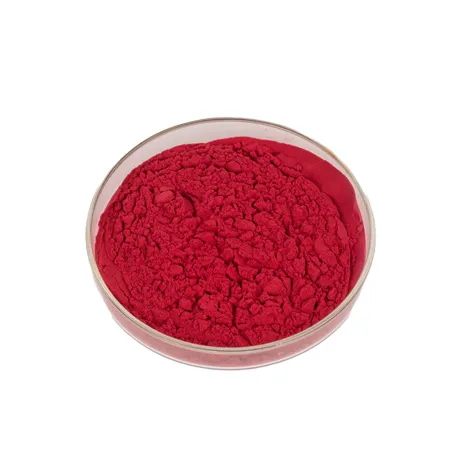
After extraction, the Cranberry Extract needs to be processed further to meet the quality standards required for use in health products. This may include purification steps to remove any impurities or unwanted substances. The cost of these processing steps can be substantial, depending on the level of purity required.
Packaging is another cost factor. Cranberry Extract products need to be packaged in a way that preserves their freshness and potency. This may involve using specialized containers, such as dark - colored bottles to protect the extract from light, and air - tight seals to prevent oxidation. The cost of packaging materials and the packaging process itself add to the overall cost of the Cranberry Extract.
3.3 Market - related Costs
In the market, Cranberry Extract products are subject to various costs. Marketing and advertising play a crucial role in promoting these products. Companies need to invest in advertising campaigns to raise awareness about the benefits of Cranberry Extract in women's urinary and reproductive health. This includes costs for creating marketing materials, such as brochures, and online advertisements.
Distribution costs also come into play. Cranberry Extract products need to be distributed to various retail outlets, including pharmacies, health stores, and online platforms. The cost of transportation, warehousing, and inventory management all contribute to the final cost of the product in the market.
4. Benefits in Female Urinary Health

4.1 Reducing the Risk of UTIs
As mentioned earlier, Cranberry Extract, particularly its proanthocyanidin content, helps in reducing the risk of UTIs. By preventing the adhesion of bacteria to the urinary tract walls, it makes it difficult for bacteria like E. coli to establish an infection. This is especially important for women, as they are more prone to UTIs due to their shorter urethra, which provides a shorter distance for bacteria to travel to the bladder.
A study has shown that women who consume cranberry products regularly have a lower incidence of UTIs compared to those who do not. This preventive effect can save women from the discomfort and potential complications associated with UTIs, such as kidney infections if left untreated.

4.2 Maintaining Urinary Tract Health
The antioxidant properties of Cranberry Extract, courtesy of proanthocyanidins and Vitamin C, help in maintaining the overall health of the urinary tract. They protect the cells in the urinary tract from oxidative damage, which can lead to inflammation and other health problems.
The organic acids in Cranberry Extract contribute to a healthy urinary environment. By maintaining the acidity of the urine, they prevent the overgrowth of harmful bacteria and promote the growth of beneficial bacteria in the urinary tract.
5. Benefits in Female Reproductive Health
5.1 Maintaining a Healthy Reproductive Tract
The acidity - maintaining properties of Cranberry Extract are also beneficial for the reproductive tract. A normal pH balance in the reproductive tract is essential for the proper functioning of the reproductive organs. Cranberry Extract helps in preventing the overgrowth of bacteria and yeast in the reproductive tract, which can cause infections such as vaginitis.
The antioxidant and immune - enhancing properties of Cranberry Extract support the overall health of the reproductive organs. A healthy immune system in the reproductive tract can help in fighting off sexually transmitted infections (STIs) and other infections that can affect fertility.
5.2 Potential Role in Fertility
While more research is needed, there are indications that Cranberry Extract may play a role in fertility. By maintaining a healthy reproductive tract environment, it may create more favorable conditions for conception. For example, a healthy uterine environment is crucial for the implantation of a fertilized egg.
Additionally, Cranberry Extract's antioxidant properties may protect the eggs and sperm from oxidative damage, which can affect their quality and viability. However, it is important to note that Cranberry Extract should not be considered a sole treatment for infertility, but rather a complementary approach.
6. Conclusion
Cranberry Extract is a valuable ingredient in women's urinary and reproductive health products. Its unique combination of ingredients, including proanthocyanidins, Vitamin C, and organic acids, offers multiple benefits. While the cost of Cranberry Extract is influenced by various factors from production to market, the potential health benefits it provides in reducing the risk of UTIs, maintaining urinary and reproductive tract health, and potentially playing a role in fertility make it a worthy investment for women's health. As research in this area continues to grow, we can expect to gain more in - depth understanding of the full potential of Cranberry Extract in promoting women's health.
FAQ:
What are the main ingredients in Cranberry Extract?
Cranberry Extract mainly contains proanthocyanidins, flavonoids, organic acids, and other bioactive compounds. Proanthocyanidins are thought to be one of the key components responsible for many of its health - related properties.
How does Cranberry Extract reduce the risk of UTIs in women?
Cranberry Extract may reduce the risk of urinary tract infections (UTIs) in women by preventing bacteria, especially Escherichia coli, from adhering to the walls of the urinary tract. The proanthocyanidins in Cranberry Extract interfere with the fimbriae of bacteria, which are the structures that bacteria use to attach to surfaces.
What is the role of Cranberry Extract in maintaining a healthy reproductive tract?
Cranberry Extract has antioxidant and anti - inflammatory properties. In the reproductive tract, these properties can help to reduce inflammation, protect cells from oxidative damage, and potentially support the normal function of the reproductive organs. It may also help in maintaining a healthy balance of the vaginal microbiota.
How much does Cranberry Extract cost in the production stage?
The cost of Cranberry Extract in the production stage can vary depending on factors such as the source of cranberries (wild - harvested or cultivated), the extraction method used (e.g., solvent extraction or supercritical fluid extraction), and the quantity produced. Generally, it can range from a few dollars per kilogram for lower - quality extracts to several tens of dollars per kilogram for high - quality, purified extracts.
Why is Cranberry Extract considered a worthy investment for women's health?
Cranberry Extract is considered a worthy investment for women's health because it offers multiple benefits. It can help prevent UTIs, which are common and often recurrent in women, reducing the need for antibiotics and associated side effects. Additionally, its role in maintaining a healthy reproductive tract can contribute to overall well - being. The long - term health benefits it provides may outweigh the relatively small cost associated with products containing Cranberry Extract.
Related literature
- The Role of Cranberry in Urinary Tract Health"
- "Cranberry Extract and Women's Reproductive Health: A Review"
- "Cost - Benefit Analysis of Cranberry - Based Health Products for Women"


-

Curcuma Longa Extract/Turmeric extract
2024-12-12
-

Epimedium extract powder
2024-12-12
-

Agaricus Blazei Extract
2024-12-12
-

Antler Extract
2024-12-12
-

Bamboo Leaf extract
2024-12-12
-

Sophora Flavescens Root Extract
2024-12-12
-

Vitamin K2
2024-12-12
-

Golden Seal Extract
2024-12-12
-

Motherwort Extract
2024-12-12
-

Sea buckthorn oil
2024-12-12