


Introduction
In the world of herbal remedies, there are numerous ingredients that have gained popularity for their potential health benefits. Curcumin is one such ingredient that has been the subject of extensive research in recent years. However, it is important to compare it with other herbal ingredients to determine which one might be more dominant in various aspects. This article will explore Curcumin and other herbal substances from different perspectives, such as their effectiveness in treating diseases, market prevalence, and consumer awareness.
Effectiveness in Treating Diseases
Curcumin
Curcumin is the main active ingredient in turmeric, a spice commonly used in Indian cuisine. It has been shown to possess a wide range of potential health benefits. One of the most studied areas is its anti - inflammatory properties. Inflammation is at the root of many chronic diseases, such as arthritis, heart disease, and certain cancers. Curcumin has been found to inhibit various inflammatory pathways in the body.
- For arthritis, it may help reduce joint pain and swelling. Several studies have reported that Curcumin can be as effective as some non - steroidal anti - inflammatory drugs (NSAIDs) in alleviating arthritis symptoms, with the added advantage of having fewer side effects.
- In the case of cancer, while it is not a substitute for conventional cancer treatments, Curcumin has shown potential in inhibiting the growth and spread of cancer cells. It can interfere with the signaling pathways that promote cancer cell proliferation and angiogenesis (the formation of new blood vessels that supply tumors).
- Regarding heart disease, Curcumin may help improve lipid profiles by reducing levels of LDL (low - density lipoprotein) cholesterol and triglycerides. It also has antioxidant properties that can protect the heart from oxidative stress.

Other Herbal Ingredients
There are many other herbal ingredients with their own unique disease - fighting properties.
- Ginseng is well - known for its adaptogenic properties. It can help the body adapt to stress and improve overall energy levels. Ginseng has also been studied for its potential role in improving cognitive function, enhancing the immune system, and regulating blood sugar levels in diabetes.
- Milk thistle contains a compound called silymarin, which is beneficial for liver health. It can protect the liver from damage caused by toxins, such as alcohol and certain medications. Silymarin has antioxidant and anti - inflammatory effects on the liver cells, and may even help in the regeneration of damaged liver tissue.
- Garlic has long been used for its medicinal properties. It has antimicrobial activity, which can help fight infections. Garlic also has the potential to lower blood pressure, reduce cholesterol levels, and improve blood circulation. It contains sulfur - containing compounds that are responsible for these beneficial effects.
Market Prevalence

Curcumin
Curcumin has seen a significant rise in market prevalence in recent years. This can be attributed to several factors.
- Firstly, the growing body of scientific research on its health benefits has led to increased consumer interest. As more people become aware of Curcumin's potential in treating various diseases, the demand for Curcumin - containing products has grown.
- Secondly, the food and supplement industries have capitalized on this trend. Curcumin is now available in a variety of forms, including capsules, tablets, powders, and even as an ingredient in functional foods and beverages. For example, there are turmeric - latte mixes that contain Curcumin, which have become popular in the health - conscious market.
- Finally, Curcumin's natural origin makes it an attractive option for consumers who prefer natural remedies over synthetic drugs. It is often marketed as a "natural" alternative for conditions such as inflammation and joint pain.

Other Herbal Ingredients
Other herbal ingredients also have a significant presence in the market.
- Ginseng has a long - standing reputation in traditional medicine, especially in Asian cultures. It is widely available in the form of supplements, both in its raw form and as extracts. Ginseng - based products are often marketed for their energy - boosting and stress - relieving properties, and are popular among consumers looking for natural ways to improve their well - being.
- Milk thistle is commonly found in liver - support supplements. It is particularly popular among people who may be at risk of liver damage, such as those who consume alcohol regularly or are taking medications that can affect the liver. The market for milk thistle - based products has been stable, with a growing demand as more people become aware of liver health issues.
- Garlic is not only used in cooking but also in the form of supplements. Garlic supplements are popular for their potential to support heart health and boost the immune system. The fact that garlic is a common household ingredient also contributes to its market prevalence, as consumers are already familiar with its benefits.
Consumer Awareness
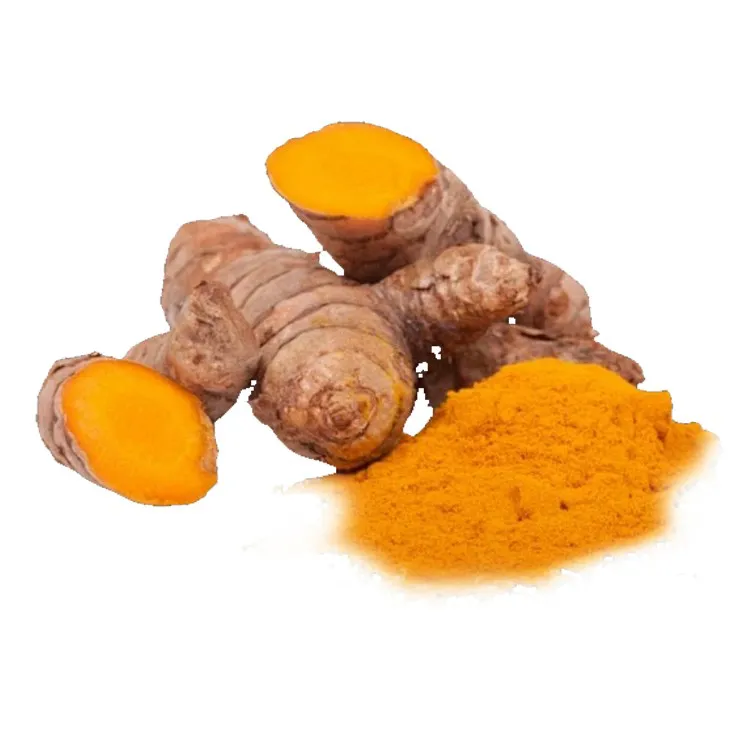
Curcumin
Consumer awareness of Curcumin has increased substantially in recent years.
- The media has played a significant role in this. Articles and reports on the health benefits of Curcumin have been widely published, both in traditional media and on the internet. Social media platforms have also contributed to the spread of information, with many health - related influencers promoting Curcumin - containing products.
- Moreover, the availability of Curcumin - based products in mainstream stores has made it more accessible to consumers. People can now find Curcumin supplements in pharmacies, health food stores, and even some supermarkets. This easy access has led to more people trying Curcumin and becoming aware of its potential benefits.

Other Herbal Ingredients
While Curcumin's awareness has grown, other herbal ingredients also have their own levels of consumer awareness.
- Ginseng is well - known in certain cultures, especially in Asia. However, in Western cultures, its awareness is relatively lower, although it is gradually increasing as more people explore alternative medicine. Ginseng - based products are often associated with energy and vitality, and those who are interested in natural health solutions are more likely to be aware of it.
- Milk thistle has a more targeted consumer base. People who are concerned about their liver health, either due to lifestyle factors or medical conditions, are more likely to be aware of milk thistle. It is often recommended by healthcare professionals for liver - related issues, which also helps in increasing its awareness among the relevant consumer group.
- Garlic is a familiar ingredient to most consumers due to its common use in cooking. However, the awareness of its medicinal properties as a supplement may be lower. Many people may not be aware that garlic supplements can offer additional health benefits beyond what they get from consuming garlic in their food.
Conclusion
In conclusion, determining which herbal ingredient - Curcumin or others - is more dominant is not a straightforward task. Each ingredient has its own unique set of properties, effectiveness in treating diseases, market presence, and level of consumer awareness. Curcumin has gained significant popularity in recent years due to its wide - ranging health benefits, growing market prevalence, and high consumer awareness. However, other herbal ingredients such as ginseng, milk thistle, and garlic also have important roles to play in the field of herbal medicine.
- For those interested in anti - inflammatory and antioxidant properties, Curcumin may be the more dominant choice. But for people with specific concerns such as liver health (milk thistle), stress and energy levels (ginseng), or general immune and heart health (garlic), the other herbal ingredients may be more relevant.
- Future research may further clarify the relative dominance of these herbal ingredients. As more studies are conducted, we may gain a better understanding of their long - term effectiveness, potential interactions with other substances, and how to optimize their use for different health conditions.
FAQ:
1. What are the main diseases that Curcumin is effective in treating?
Curcumin has shown potential in treating various diseases. It has anti - inflammatory properties and may be beneficial in conditions like arthritis. It also has antioxidant effects, which could play a role in preventing or managing certain cancers. Additionally, it may help with digestive issues such as inflammatory bowel disease.
2. How does the market prevalence of Curcumin compare to other herbal ingredients?
The market prevalence of Curcumin can vary depending on factors such as consumer demand, marketing efforts, and research findings. In recent years, Curcumin has gained significant popularity due to its wide - ranging potential health benefits. However, other herbal ingredients like ginseng and echinacea also have a strong market presence in different regions and for different applications. For example, ginseng is well - known for its energy - boosting properties and has a large market share in the supplement industry in some Asian countries. While Curcumin is being increasingly used in dietary supplements, functional foods, and even in some pharmaceutical research, it may not yet dominate the overall herbal ingredient market when compared to all other herbal substances combined.
3. Are consumers more aware of Curcumin or other herbal ingredients?
Consumer awareness of Curcumin and other herbal ingredients depends on various factors. Curcumin has received a lot of media attention in recent years, especially in relation to its potential health benefits. It is often promoted as a superfood ingredient. However, other herbal ingredients like lavender for relaxation or chamomile for sleep have long - standing reputations and are well - known among consumers. In general, consumers who are more health - conscious and follow the latest trends in nutrition are likely to be more aware of Curcumin, but traditional herbal ingredients still hold a significant place in the awareness of the general public.
4. What are the side effects of Curcumin compared to other herbal ingredients?
Curcumin is generally considered safe when consumed in normal amounts, but in high doses, it may cause some side effects such as gastrointestinal issues like nausea and diarrhea. Other herbal ingredients also have their own potential side - effect profiles. For example, St. John's Wort can interact with certain medications, and kava kava has been associated with liver toxicity in some cases. Each herbal ingredient needs to be evaluated on an individual basis, and it's important to note that while Curcumin may have relatively mild side effects compared to some others, it's still necessary to use it with caution, especially in combination with other medications or for people with pre - existing health conditions.
5. How are Curcumin and other herbal ingredients regulated?
The regulation of Curcumin and other herbal ingredients varies from country to country. In some regions, they are classified as dietary supplements and are subject to less strict regulations compared to pharmaceuticals. For example, in the United States, the Food and Drug Administration (FDA) regulates dietary supplements like Curcumin under different rules than prescription drugs. However, in other countries, there may be more stringent regulations, especially for herbal ingredients that are used in medicinal products. Some countries may require extensive safety and efficacy testing before allowing herbal ingredients to be sold on the market. This regulatory disparity can affect the availability, quality control, and consumer perception of Curcumin and other herbal ingredients.
Related literature
TAGS:


-

Hesperidin
2024-12-16
-

Olive leaf extract
2024-12-16
-

Marigold Extract
2024-12-16
-

Banana juice powder
2024-12-16
-

Vitamin B9 powder
2024-12-16
-

Black Garlic Extract
2024-12-16
-

Red Clover Extract
2024-12-16
-

Selenium yeast
2024-12-16
-

Artichoke Leaf Extract
2024-12-16
-

Coconut Water Powder
2024-12-16