


1. Introduction
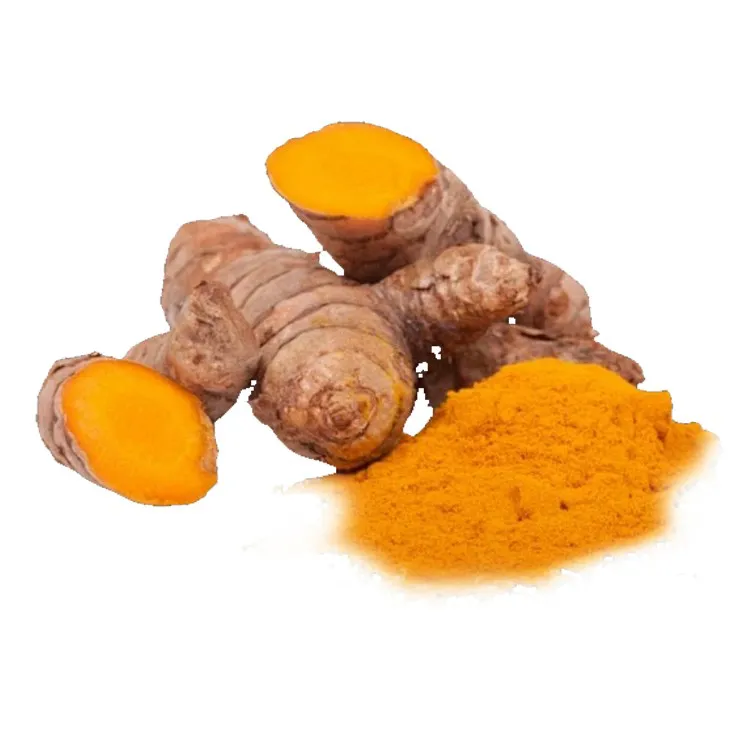
Curcumin has emerged as a highly significant compound in the fields of anti - inflammatory health care and pharmaceuticals. Derived from the turmeric plant (Curcuma longa), Curcumin has a long history of use in traditional medicine, particularly in Asian cultures. In recent years, scientific research has delved deeper into its properties, uncovering a wealth of information about its components, costs, and the numerous benefits it offers.
2. Components of Curcumin
2.1 Chemical Structure
Curcumin is a polyphenol with a unique chemical structure. Its main components include diferuloylmethane, which gives it many of its characteristic properties. This chemical structure is responsible for its antioxidant, anti - inflammatory, and other biological activities. The hydroxyl groups and methoxy groups present in Curcumin play crucial roles in its interactions with biological molecules. For example, they can interact with enzymes and receptors in the body, modulating various physiological processes.

2.2 Isomers
There are three main isomers of Curcumin: Curcumin I, Curcumin II, and Curcumin III. These isomers have slightly different chemical and physical properties. While they all contribute to the overall activity of Curcumin, their relative proportions can vary depending on the source of the Curcumin and the extraction methods used. Understanding these isomers is important for accurately assessing the quality and effectiveness of Curcumin - based products.
3. Costs Associated with Curcumin

3.1 Production Costs
The cost of producing Curcumin can be influenced by several factors. One major factor is the cost of raw materials. Turmeric, from which Curcumin is extracted, needs to be sourced. The quality and availability of turmeric can vary, affecting the cost. Additionally, the extraction process itself can be costly. Different extraction methods, such as solvent extraction or supercritical fluid extraction, have different associated costs. Solvent extraction may be less expensive initially but may require additional purification steps, which can add to the overall cost. Supercritical fluid extraction, on the other hand, is a more advanced and often more expensive method, but it can produce a higher - quality Curcumin product.

3.2 Market Pricing
In the market, Curcumin - based products can range widely in price. Dietary supplements containing Curcumin are generally more affordable compared to pharmaceutical - grade Curcumin products. The price of dietary supplements is often influenced by factors such as brand, formulation (e.g., whether it contains additional ingredients), and packaging. Pharmaceutical - grade Curcumin, which is typically used in more specialized medical applications, can be significantly more expensive due to the higher quality control standards and research and development costs associated with it. For example, Curcumin - based drugs in the development stage may require extensive clinical trials, which drive up the cost and, in turn, the price of the final product.
4. Benefits of Curcumin in Anti - inflammatory Health Care
4.1 Inflammation Modulation
One of the most well - known benefits of Curcumin is its ability to modulate inflammation. Inflammation is a natural response of the body's immune system to injury or infection. However, chronic inflammation can lead to various health problems, such as arthritis, cardiovascular disease, and certain cancers. Curcumin works by inhibiting the production of inflammatory mediators, such as cytokines and prostaglandins. It can also target specific signaling pathways involved in inflammation, such as the NF - κB pathway. By doing so, Curcumin helps to reduce the overall level of inflammation in the body, providing relief for those suffering from inflammatory conditions.

4.2 Antioxidant Activity
Curcumin is a powerful antioxidant. It can scavenge free radicals in the body, which are highly reactive molecules that can cause damage to cells and DNA. Free radicals are produced as a by - product of normal metabolic processes, as well as in response to environmental factors such as pollution and radiation. By neutralizing these free radicals, Curcumin helps to protect cells from oxidative damage. This antioxidant activity is closely related to its anti - inflammatory properties, as oxidative stress can also trigger inflammation.
4.3 Pain Relief
Due to its anti - inflammatory and antioxidant properties, Curcumin can also provide pain relief. In conditions such as osteoarthritis, where inflammation in the joints leads to pain and stiffness, Curcumin has been shown to be effective in reducing pain symptoms. It may work by reducing the swelling and inflammation in the joint tissues, as well as by modulating the pain - sensing neurons. Additionally, Curcumin may have a synergistic effect when used in combination with other pain - relieving medications, potentially allowing for lower doses of those medications to be used.
5. Benefits of Curcumin in Pharmaceuticals
5.1 Potential for Drug Development
Curcumin has significant potential for drug development. Its ability to target multiple biological pathways makes it an attractive candidate for the treatment of complex diseases. For example, in cancer research, Curcumin has shown promise in inhibiting the growth and spread of cancer cells. It can interfere with various processes involved in cancer development, such as cell cycle regulation, angiogenesis (the formation of new blood vessels to supply tumors), and apoptosis (programmed cell death). Scientists are exploring ways to develop Curcumin - based drugs that can be more effective and have better bioavailability compared to Curcumin in its natural form.
5.2 Adjunct Therapy
In addition to its potential as a stand - alone drug, Curcumin can also be used as an adjunct therapy. In patients undergoing chemotherapy or radiation therapy for cancer, Curcumin may help to reduce the side effects of these treatments. It can protect normal cells from the damage caused by chemotherapy drugs and radiation, while at the same time enhancing the anti - cancer effects of these treatments. Similarly, in patients with other diseases such as diabetes or neurodegenerative disorders, Curcumin may be used in combination with existing medications to improve treatment outcomes.
6. Challenges and Limitations
6.1 Bioavailability
One of the major challenges with Curcumin is its relatively low bioavailability. When consumed orally, only a small fraction of Curcumin is actually absorbed into the bloodstream. This is due to factors such as its poor solubility in water and its rapid metabolism in the body. To overcome this limitation, researchers are exploring various strategies, such as formulating Curcumin with other substances to improve its solubility and absorption, or developing nanoparticle - based delivery systems for Curcumin.
6.2 Standardization
There is a lack of standardization in the Curcumin market. Different products may contain varying amounts of Curcumin and its active isomers. This makes it difficult for consumers to accurately assess the quality and effectiveness of Curcumin - based products. Regulatory bodies are starting to address this issue by setting standards for Curcumin content and quality in dietary supplements and pharmaceuticals.
7. Conclusion
Curcumin is a compound with great potential in anti - inflammatory health care and pharmaceuticals. Its unique components give it a range of beneficial properties, including anti - inflammatory, antioxidant, and pain - relieving effects. While there are challenges such as low bioavailability and lack of standardization, ongoing research is aimed at overcoming these limitations. As our understanding of Curcumin continues to grow, it is likely that we will see more effective Curcumin - based products in the market, offering new treatment options for a variety of health conditions.
FAQ:
What are the main components of Curcumin?
Curcumin is a polyphenolic compound. Its main component is diferuloylmethane. It also contains related compounds in the Curcuminoid family, which contribute to its various properties.
How does Curcumin work in anti - inflammatory health care?
Curcumin has multiple mechanisms in anti - inflammatory health care. It can inhibit the activation of certain transcription factors like NF - κB, which is involved in the regulation of many inflammatory genes. It also modulates the activity of enzymes involved in the production of inflammatory mediators, thus reducing inflammation at the molecular level.
What are the benefits of Curcumin in pharmaceutical products?
Curcumin has several benefits in pharmaceutical products. It has antioxidant properties that can protect cells from oxidative damage. In addition to its anti - inflammatory effects, it may also have potential in treating certain chronic diseases such as cancer, neurodegenerative diseases. It can be used as an adjuvant in chemotherapy to enhance the efficacy and reduce side effects.
Is Curcumin cost - effective in health care?
The cost - effectiveness of Curcumin in health care is a complex issue. While Curcumin is relatively inexpensive to produce compared to some synthetic drugs, its bioavailability can be low. However, new formulations are being developed to improve its bioavailability, which may enhance its cost - effectiveness in the long run. Overall, in some cases where it can be used as a natural alternative for mild inflammation - related conditions, it can be a cost - effective option.
What are the challenges in using Curcumin in anti - inflammatory products?
One of the main challenges is its low bioavailability. Curcumin has poor solubility in water, which limits its absorption in the body. Another challenge is its stability; it can degrade under certain conditions. Also, standardizing the quality and potency of Curcumin - containing products can be difficult due to variations in raw materials and manufacturing processes.
Related literature
TAGS:


-

Berberis aristata Extract
2024-12-17
-

Bromelain
2024-12-17
-

Diosmin
2024-12-17
-

N-Acetyl-L-cysteine(NAC)
2024-12-17
-

Citrus bioflavonoids
2024-12-17
-

Senna Leaf Extract
2024-12-17
-

Vitamin D3
2024-12-17
-

Curcuma Longa Extract/Turmeric extract
2024-12-17
-

Vitamin B9 powder
2024-12-17
-

Avocado Extract Powder
2024-12-17