


1. Introduction to Curcumin
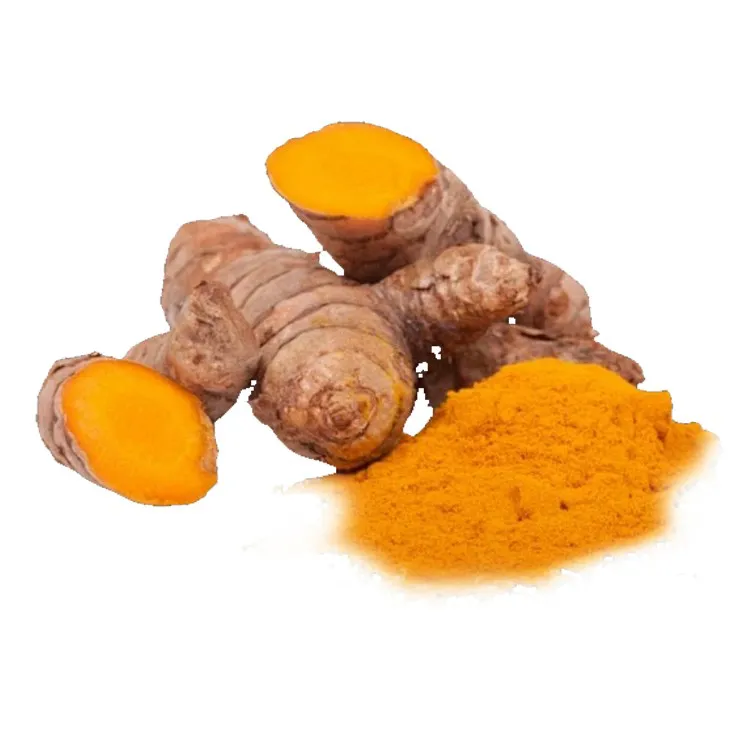
Curcumin is a natural polyphenol that is the principal Curcuminoid in turmeric (Curcuma longa), a member of the ginger family. Turmeric has been used for centuries in traditional medicine, particularly in Asian cultures, for its various medicinal properties. Curcumin is responsible for the characteristic yellow color of turmeric. It has a complex chemical structure, which gives it unique biological activities.
2. Biological Activities of Curcumin
2.1 Modulation of Gene Expression
One of the most fascinating aspects of Curcumin is its ability to modulate gene expression. It can interact with various transcription factors and signaling pathways in the cell. For example, Curcumin has been shown to regulate genes involved in inflammation. It can down - regulate the expression of pro - inflammatory genes such as TNF - α (tumor necrosis factor - alpha) and IL - 6 (interleukin - 6). This anti - inflammatory effect at the gene level is crucial in many diseases where chronic inflammation plays a significant role, such as arthritis and certain types of cancer.

2.2 Heart Protection
Curcumin also offers potential benefits for heart health. It can improve endothelial function, which is essential for maintaining normal blood vessel dilation and preventing the development of atherosclerosis. Studies have shown that Curcumin can reduce levels of LDL (low - density lipoprotein) cholesterol, often referred to as "bad" cholesterol, while increasing levels of HDL (high - density lipoprotein) cholesterol, or "good" cholesterol. Additionally, it has antioxidant properties that protect the heart from oxidative stress, which is associated with heart disease.

2.3 Role in Brain Health
When it comes to brain health, Curcumin has several promising effects. It has the ability to cross the blood - brain barrier, which is a significant advantage for substances aiming to affect the brain. In the brain, Curcumin can reduce amyloid - beta plaques, which are associated with Alzheimer's disease. It also has anti - inflammatory and antioxidant effects in the brain, which may help prevent neurodegenerative diseases and improve cognitive function. Some studies have even suggested that Curcumin may be beneficial in treating depression, as it can affect neurotransmitter levels and signaling pathways in the brain.
3. Latest Research Findings on Curcumin

3.1 Cancer Research
In cancer research, Curcumin has been a subject of intense study. It has shown potential in inhibiting the growth and proliferation of cancer cells in vitro and in some animal models. For various types of cancer, including breast, colon, and prostate cancer, Curcumin has been found to interfere with different stages of the cancer cell cycle. It can induce apoptosis (programmed cell death) in cancer cells, which is a crucial mechanism for preventing tumor growth. However, more research is needed to determine its effectiveness in human cancer patients, as the results from pre - clinical studies do not always translate directly to clinical settings.
3.2 Diabetes Management
Recent research has also explored the role of Curcumin in diabetes management. Curcumin may help regulate blood sugar levels by improving insulin sensitivity. In diabetic animal models, Curcumin supplementation has been shown to reduce fasting blood glucose levels and improve glucose tolerance. It may also have a role in preventing diabetic complications, such as neuropathy and nephropathy, by reducing oxidative stress and inflammation in tissues affected by diabetes.

3.3 Anti - Aging Effects
There is growing evidence suggesting that Curcumin has anti - aging effects. At the cellular level, it can protect cells from senescence (a state of irreversible cell cycle arrest associated with aging) by reducing oxidative damage and inflammation. In some studies, Curcumin - treated animals have shown signs of improved physical function and a reduced incidence of age - related diseases. These findings open up new possibilities for using Curcumin as a potential anti - aging agent, although more research is required to fully understand its mechanisms and long - term effects.
4. Safety Profile of Curcumin
Overall, Curcumin is considered safe when consumed in normal dietary amounts. It has been used in cooking and traditional medicine for centuries without significant reports of adverse effects. However, when used in high - dose supplements, some side effects may occur. These can include gastrointestinal issues such as nausea, diarrhea, and indigestion. In some cases, people with certain medical conditions, such as gallbladder problems or bleeding disorders, may need to be cautious when using Curcumin supplements. Pregnant and breastfeeding women should also consult their healthcare providers before using Curcumin supplements, as there is limited research on its safety during these periods.
5. How to Harness Curcumin for Overall Well - being
5.1 Dietary Sources
The most common way to obtain Curcumin is through the diet. Turmeric is a key ingredient in many Asian cuisines, such as Indian curries. Incorporating turmeric - rich foods into your diet can provide a natural source of Curcumin. However, the bioavailability of Curcumin from dietary sources is relatively low, as it has poor solubility in water and is rapidly metabolized in the body. To enhance the absorption of Curcumin from food, it can be consumed with black pepper, which contains piperine. Piperine has been shown to increase the bioavailability of Curcumin.
5.2 Supplementation
If you are considering using Curcumin supplements for its potential health benefits, it is important to choose a high - quality product. Look for supplements that are standardized to contain a certain percentage of Curcuminoids. When starting supplementation, it is advisable to start with a low dose and gradually increase it to monitor for any potential side effects. As with any supplement, it is always best to consult with a healthcare provider before starting, especially if you have any underlying medical conditions or are taking other medications.
6. Conclusion
Curcumin is a remarkable compound with a wide range of potential health benefits. From its ability to modulate gene expression to its roles in protecting the heart and brain, and its potential applications in various diseases, it has captured the attention of the scientific community. While more research is needed to fully understand its mechanisms and optimize its use, Curcumin holds great promise as a natural agent for promoting overall well - being. By incorporating turmeric - rich foods into our diets or considering appropriate supplementation, we may be able to harness the power of Curcumin for better health.
FAQ:
What is Curcumin?
Curcumin is a key component of turmeric. It has a wide range of biological activities and is currently being studied for various potential health benefits, such as modulating gene expression, protecting the heart, and contributing to brain health.
What are the biological activities of Curcumin?
Curcumin has multiple biological activities. It can modulate gene expression, which may have implications for various physiological processes. It also shows potential in protecting the heart by perhaps influencing factors related to heart health. In addition, it is thought to play a role in brain health, though the exact mechanisms are still under investigation.
Is Curcumin safe?
The safety profile of Curcumin is an important aspect. Current research suggests that in general, Curcumin is relatively safe for consumption. However, like any substance, it may have potential side effects or interactions in certain situations, such as at very high doses or when combined with specific medications. More research is still needed to fully understand its long - term safety.
How can Curcumin be used for overall well - being?
Curcumin can potentially be used for overall well - being in several ways. For example, it can be incorporated into the diet through foods rich in turmeric. There are also Curcumin supplements available. However, it's important to note that while it shows promise in various areas like heart and brain health, it should be used as part of a balanced approach to health, which includes a healthy diet, regular exercise, and proper medical advice.
What are the latest research findings on Curcumin?
The latest research on Curcumin is constantly evolving. Some recent findings include new insights into its role in gene regulation and its potential effects on specific diseases or health conditions. For example, there may be new evidence regarding its anti - inflammatory properties in relation to certain chronic diseases. However, more research is needed to confirm and expand on these findings.
Related literature
TAGS:


-

Pine bark Extract Powder
2025-01-08
-

Panax Ginseng Leaf Extract
2025-01-08
-

Yam Extract
2025-01-08
-

S-Adenosyl L-methionine(SAMe)
2025-01-08
-

Rosemary extract
2025-01-08
-

L-Cysteine
2025-01-08
-

Oyster Mushroom Extract Powder
2025-01-08
-

Cranberry Extract
2025-01-08
-

Banana juice powder
2025-01-08
-

Aguaje Extract
2025-01-08