


1. Introduction
The functional food industry has been experiencing significant growth in recent years, driven by the increasing consumer awareness of the relationship between diet and health. Curcumin, a natural compound derived from the turmeric plant, has emerged as a key ingredient in this sector. With its numerous health - promoting properties, Curcumin offers a wealth of opportunities for B2B innovators. This article aims to analyze the trends and opportunities related to Curcumin in the functional food market for B2B players.
2. Curcumin: A Promising Ingredient
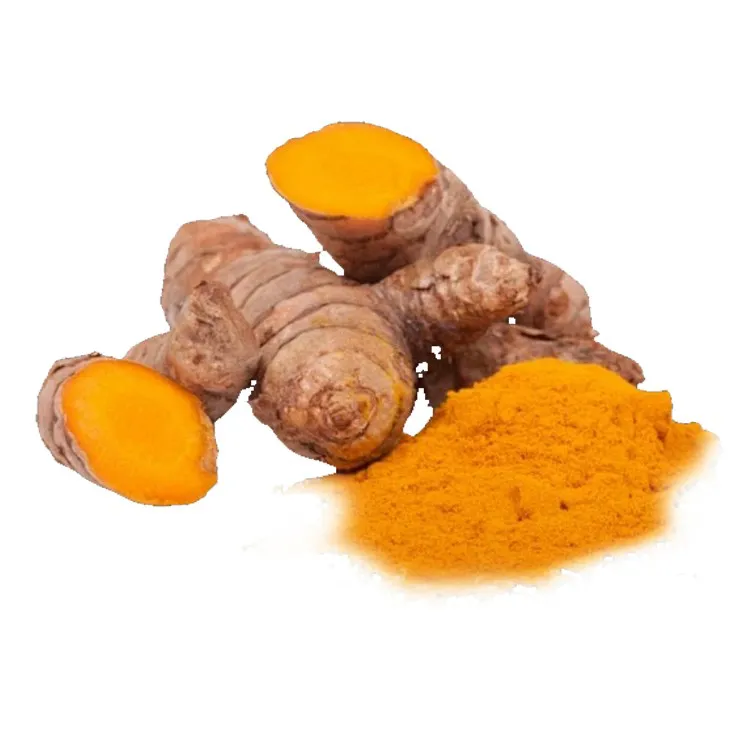
Curcumin is known for its antioxidant, anti - inflammatory, and anti - microbial properties. These properties make it a valuable ingredient in functional foods aimed at preventing and managing various chronic diseases such as heart disease, cancer, and diabetes. For example, its antioxidant activity helps in neutralizing free radicals in the body, which are known to cause cellular damage and contribute to the development of diseases.
Moreover, Curcumin has been studied for its potential role in improving cognitive function. Some research suggests that it may help in reducing the risk of neurodegenerative diseases such as Alzheimer's. This makes it an attractive ingredient for functional foods targeting brain health.
3. Trends in the Functional Food Market Regarding Curcumin
3.1. Demand for Bioavailability Solutions
One of the major trends in the use of Curcumin in functional foods is the need for better bioavailability solutions. Curcumin has poor bioavailability, which means that a large portion of it is not absorbed by the body when consumed in its raw form. This has led to a growing demand for innovative formulations that can enhance the absorption of Curcumin.
B2B innovators are exploring various techniques such as nanoparticle encapsulation, liposomal formulations, and combination with other substances like piperine (found in black pepper) to improve Curcumin bioavailability. For instance, nanoparticle - encapsulated Curcumin has shown increased absorption in pre - clinical and clinical studies.

3.2. Clean - Label and Natural Products
Consumers are increasingly demanding clean - label and natural products. In the context of Curcumin - containing functional foods, this means that there is a preference for products that use natural sources of Curcumin and avoid artificial additives. B2B innovators need to focus on sourcing high - quality, natural Curcumin and developing formulations that meet the clean - label requirements.
For example, some companies are working on developing turmeric - based extracts that are minimally processed and retain the natural integrity of Curcumin while still providing the desired health benefits.

3.3. Personalized Nutrition
The concept of personalized nutrition is gaining momentum in the functional food industry. With the understanding that different individuals may respond differently to Curcumin based on their genetic makeup, lifestyle, and health conditions, there is a trend towards developing personalized Curcumin - based functional foods.
B2B innovators can leverage data analytics and genetic testing technologies to develop products tailored to specific consumer segments. For example, a product could be designed for individuals with a higher risk of inflammation - related diseases, with an optimized Curcumin dosage and formulation.
4. Opportunities for B2B Innovators

4.1. Research and Development (R & D)
There are significant opportunities in R & D for B2B innovators in the Curcumin - enhanced product space. This includes exploring new ways to improve Curcumin bioavailability, as mentioned earlier. Additionally, research can be focused on discovering new health benefits of Curcumin and developing products targeted at specific health conditions.
For example, a B2B company could invest in research to develop a Curcumin - based functional food for athletes. This could involve studying the effects of Curcumin on muscle recovery, endurance, and injury prevention, and formulating a product with the appropriate dosage and combination of other ingredients.
4.2. Collaboration with Suppliers
Collaborating with Curcumin suppliers can open up new opportunities for B2B innovators. By working closely with suppliers, they can ensure a stable and high - quality supply of Curcumin. This can also enable them to have access to unique forms of Curcumin or participate in sustainable sourcing initiatives.
For instance, a B2B innovator could partner with a turmeric farmer or a Curcumin extract manufacturer in a developing country. This collaboration could not only secure a cost - effective supply of Curcumin but also contribute to the local economy and promote sustainable farming practices.

4.3. Marketing and Branding
Effective marketing and branding are crucial for B2B innovators in the Curcumin - related functional food market. With the growing competition, it is important to communicate the unique value proposition of Curcumin - based products to target customers.
B2B innovators can focus on highlighting the scientific evidence behind the health benefits of Curcumin, as well as the quality and innovation in their product formulations. For example, a company could use case studies and testimonials from satisfied customers to build brand credibility and attract new business partners.
5. Strategies for B2B Innovators to Thrive
5.1. Product Differentiation
To succeed in the Curcumin - based functional food market, B2B innovators need to focus on product differentiation. This can be achieved through unique formulations, such as those with enhanced bioavailability or targeted health benefits.
For example, a company could develop a Curcumin - based functional food that is specifically designed for the elderly, with added nutrients and a formulation that is easy to digest. This would set it apart from generic Curcumin products in the market.
5.2. Regulatory Compliance
Complying with regulatory requirements is essential for B2B innovators. Different countries have different regulations regarding the use of Curcumin in functional foods. B2B players need to stay updated on these regulations and ensure that their products meet the necessary standards.
For example, in some regions, there may be limits on the amount of Curcumin that can be used in a food product, or specific labeling requirements for health claims related to Curcumin. B2B innovators should work with regulatory experts to ensure compliance.
5.3. Customer Engagement
Building strong relationships with customers is another key strategy for B2B innovators. This can be done through providing excellent customer service, soliciting feedback, and involving customers in the product development process.
For example, a B2B company could conduct surveys or focus groups with its customers to understand their needs and preferences regarding Curcumin - based products. This feedback can then be used to improve existing products or develop new ones.
6. Conclusion
The Curcumin - based functional food market offers numerous trends and opportunities for B2B innovators. With the increasing demand for health - promoting foods and the unique properties of Curcumin, there is significant potential for growth in this sector. However, B2B players need to be aware of the trends such as the need for better bioavailability solutions and the demand for clean - label products. By seizing the opportunities in R & D, collaboration, and marketing, and implementing strategies such as product differentiation, regulatory compliance, and customer engagement, B2B innovators can thrive in the Curcumin - related functional food market.
FAQ:
What are the main health - promoting features of Curcumin?
Curcumin has several main health - promoting features. It has antioxidant properties, which can help combat oxidative stress in the body. It also has anti - inflammatory effects, potentially reducing inflammation - related diseases. Additionally, Curcumin may play a role in improving cardiovascular health, for example, by helping to regulate cholesterol levels.
Why is better Curcumin bioavailability a trend for B2B innovators?
Better Curcumin bioavailability is a trend for B2B innovators because Curcumin has low bioavailability in its natural form. This means that the body may not be able to absorb and utilize it effectively. By finding solutions to improve bioavailability, B2B innovators can create more effective Curcumin - based functional food products. This can lead to greater health benefits for consumers and also increase the marketability of their products.
What are the potential R & D opportunities in Curcumin - enhanced products?
There are several potential R & D opportunities in Curcumin - enhanced products. One opportunity is to develop new formulations that improve Curcumin's bioavailability, such as through nanoparticle encapsulation or combination with other substances. Another opportunity is to explore different product forms, like functional beverages or snacks. Additionally, R & D can focus on targeting specific health conditions with Curcumin - enhanced products, for example, developing products for joint health or cognitive function improvement.
What strategies can B2B players use to succeed in the Curcumin - related functional food market?
B2B players can use several strategies to succeed in the Curcumin - related functional food market. Firstly, they can invest in R & D to develop innovative Curcumin - based products with improved bioavailability and targeted health benefits. Secondly, they can form strategic partnerships with suppliers of high - quality Curcumin and other ingredients. Thirdly, they can focus on marketing and promoting the health benefits of their Curcumin - enhanced products to consumers. Fourthly, they can stay updated on regulatory requirements to ensure compliance in different markets.
How can B2B innovators ensure the quality of Curcumin in their products?
B2B innovators can ensure the quality of Curcumin in their products in several ways. They can source Curcumin from reliable suppliers who follow good manufacturing practices. They can conduct quality control tests on the Curcumin, such as testing for purity, potency, and absence of contaminants. Additionally, they can ensure proper storage and handling of Curcumin to maintain its quality throughout the product development and manufacturing process.
Related literature
TAGS:


-

Saw Palmetto Extract
2024-12-10
-

Tongkat Ali Extract Powder
2024-12-10
-

Centella Asiatica Extract
2024-12-10
-

Lycopene
2024-12-10
-

Almond Extract Powder
2024-12-10
-

Tinospora cordifolia extract
2024-12-10
-

Angelica sinensis extract
2024-12-10
-

Apple Vinegar Powder
2024-12-10
-

Quercetin
2024-12-10
-

Calendula Extract
2024-12-10