


1. Introduction
Curcumin, a prominent compound found in turmeric, has been the focus of increasing attention in recent years. Turmeric, a plant native to South Asia, has been used for centuries in traditional medicine for its various beneficial properties. Curcumin is responsible for many of these properties, and as such, understanding its manufacturing processes and predicting future demand growth is of great importance.
2. Manufacturing Processes of Curcumin
2.1 Harvesting Turmeric
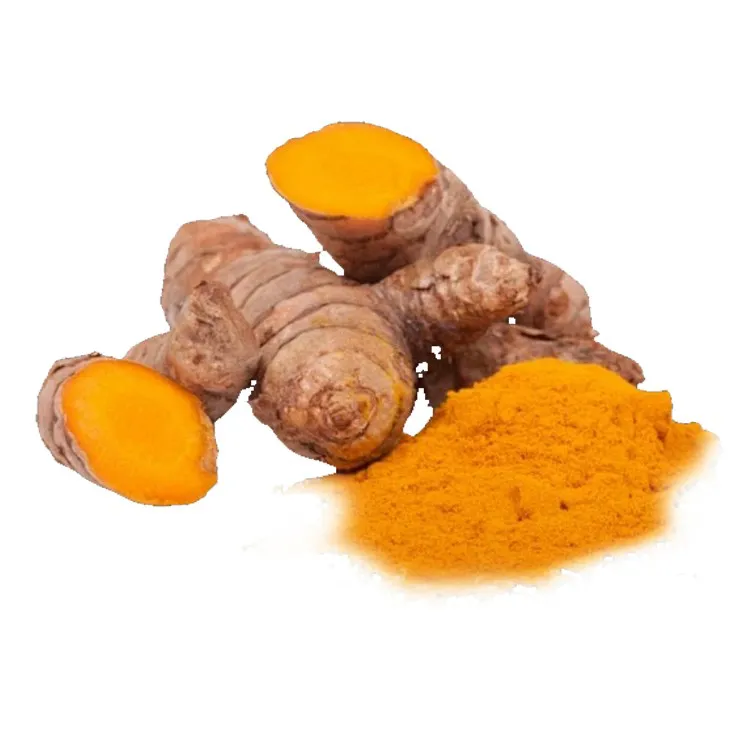
The process of manufacturing Curcumin begins with the harvesting of turmeric. Turmeric plants are typically grown in warm, humid climates. Harvesting usually takes place when the plant reaches maturity, which is typically around 7 - 10 months after planting. The turmeric rhizomes are carefully dug out of the ground to avoid damage. These rhizomes are the main source of Curcumin.

2.2 Extraction
Extraction is a crucial step in obtaining Curcumin from turmeric. There are several methods for extraction:
- Solvent extraction: This is one of the most common methods. Organic solvents such as ethanol, acetone, or hexane are used to dissolve the Curcumin from the turmeric. The advantage of this method is its relatively high yield. However, the use of solvents may leave some residues, which could be a concern for applications in food and pharmaceuticals. For example, in the production of dietary supplements, strict regulations govern the allowable levels of solvent residues.
- Supercritical fluid extraction: This method uses supercritical carbon dioxide as the extraction agent. It has the advantage of being a "green" extraction method as carbon dioxide is non - toxic and easily removable. Moreover, it can produce a purer form of Curcumin compared to solvent extraction. However, the equipment required for supercritical fluid extraction is more expensive, which can increase the overall cost of production.

2.3 Refinement
After extraction, the Curcumin needs to be refined. This involves removing impurities such as other plant compounds and any remaining solvent residues (if solvent extraction was used). Refinement processes can include filtration, chromatography, and crystallization. Filtration helps to remove large particles, while chromatography can separate Curcumin from other closely related compounds based on their different chemical properties. Crystallization is often used to obtain a pure form of Curcumin in a solid state. Each of these refinement methods has its own challenges and requirements in terms of equipment and expertise.
3. Comparison of Manufacturing Methods
When considering the different manufacturing methods of Curcumin, it is important to compare them in terms of yield and quality.

3.1 Yield
Solvent extraction generally offers a relatively high yield, which makes it an attractive option for large - scale production. However, the yield can be affected by factors such as the type of solvent used, the extraction time, and the quality of the turmeric starting material. Supercritical fluid extraction may have a slightly lower yield in some cases, but it can produce a higher - quality product. The yield of the refinement process also depends on the efficiency of the methods used, such as how effectively filtration and chromatography are carried out.
3.2 Quality
The quality of Curcumin produced can vary significantly depending on the manufacturing method. Supercritical fluid extraction tends to produce a purer form of Curcumin with fewer impurities. This is important for applications where high purity is required, such as in pharmaceuticals. Solvent - extracted Curcumin may contain some solvent residues, which could potentially affect its quality and safety. In addition, the refinement process plays a crucial role in improving the quality of Curcumin. A well - executed refinement process can enhance the purity and bioavailability of Curcumin.
4. Future Demand Growth of Curcumin

4.1 Therapeutic Potential
The increasing prevalence of lifestyle - related diseases such as diabetes, heart disease, and cancer has led to a growing interest in Curcumin's potential therapeutic effects. Research has suggested that Curcumin may have anti - inflammatory, antioxidant, and anti - cancer properties. For example, in the case of inflammation, Curcumin has been shown to modulate various inflammatory pathways in the body. In cancer research, it has been studied for its potential to inhibit tumor growth and metastasis. As more evidence accumulates regarding these therapeutic benefits, the demand for Curcumin in the pharmaceutical industry is likely to increase.
4.2 Use in Consumer Products
There is a growing trend towards the use of natural ingredients in consumer products, and Curcumin is well - positioned to benefit from this trend.
- Dietary Supplements: Curcumin - based dietary supplements are becoming increasingly popular. Consumers are turning to these supplements for their potential health benefits. The market for Curcumin - based supplements is expected to grow as more people become aware of the compound's properties. These supplements are available in various forms, such as capsules, tablets, and powders.
- Food: Curcumin is also being used in the food industry. It is used as a natural colorant, giving a yellow - orange hue to foods. In addition to its coloring properties, it can also add a unique flavor. For example, it is used in curries, mustard, and some baked goods. As consumers become more health - conscious and demand for natural food additives increases, the use of Curcumin in food is likely to expand.
- Cosmetics: In the cosmetics industry, Curcumin is being explored for its antioxidant and skin - soothing properties. It can be found in products such as creams, lotions, and serums. The antioxidant properties of Curcumin can help protect the skin from environmental damage, while its skin - soothing effects may be beneficial for conditions such as acne and eczema. With the growing demand for natural and effective skincare products, Curcumin has the potential to gain a larger share in the cosmetics market.
5. Challenges and Opportunities
5.1 Challenges
Despite the promising future for Curcumin, there are several challenges that need to be addressed.
- Bioavailability: Curcumin has relatively low bioavailability, which means that a large portion of it is not absorbed by the body when consumed. This limits its effectiveness in some applications. Research is ongoing to find ways to improve its bioavailability, such as through the use of nanotechnology or combination with other substances.
- Standardization: There is a lack of standardization in the production of Curcumin. Different manufacturers may produce Curcumin with varying levels of purity and quality. This can make it difficult for consumers and industries to ensure that they are getting a consistent product. Establishing international standards for Curcumin production would help to address this issue.
- Cost of Production: The cost of manufacturing Curcumin, especially using more advanced methods such as supercritical fluid extraction, can be relatively high. This can limit its widespread use in some applications. Finding ways to reduce production costs without sacrificing quality will be crucial for the future growth of the Curcumin market.
5.2 Opportunities
- Research and Development: There is ample opportunity for further research and development in the field of Curcumin. New extraction and refinement methods could be developed to improve yield and quality while reducing costs. Additionally, research into enhancing Curcumin's bioavailability could open up new markets for its use in pharmaceuticals and other industries.
- Expansion in Emerging Markets: As awareness of Curcumin's benefits spreads globally, there is an opportunity for expansion in emerging markets. Countries in Asia, Africa, and Latin America, where turmeric is native or widely grown, could potentially become major producers and consumers of Curcumin - based products. This could lead to economic development in these regions while also meeting the growing global demand for Curcumin.
- Collaboration between Industries: Collaboration between the pharmaceutical, food, and cosmetics industries could lead to innovative uses of Curcumin. For example, a joint effort could result in the development of a new type of functional food that combines the health benefits of Curcumin with a pleasant taste and texture. Such collaborations could also help to address some of the challenges such as standardization and cost reduction.
6. Conclusion
Curcumin, with its wide range of potential applications, is an important compound. The manufacturing processes of Curcumin are complex, and each method has its own advantages and disadvantages in terms of yield and quality. Looking ahead, the future demand for Curcumin is likely to increase due to its potential therapeutic effects and the trend towards natural ingredients in consumer products. However, there are also challenges that need to be overcome, such as bioavailability, standardization, and cost of production. By addressing these challenges and seizing the opportunities, the Curcumin industry can look forward to significant growth in the future.
FAQ:
What are the main stages in Curcumin manufacturing?
The main stages in Curcumin manufacturing include harvesting turmeric, extraction, and refinement. First, turmeric is harvested. Then, through extraction methods, Curcumin is separated from the turmeric. Finally, refinement processes are carried out to obtain a more pure form of Curcumin.
What are the advantages and disadvantages of different Curcumin manufacturing methods?
Different Curcumin manufacturing methods vary in terms of yield and quality. Some methods may have a high yield but sacrifice some quality aspects, such as purity or bioavailability. Others might produce a very high - quality Curcumin but with a relatively low yield. For example, traditional extraction methods may be less efficient in terms of yield compared to some modern, high - tech extraction techniques, but they may preserve certain natural properties better.
Why is the future demand for Curcumin likely to increase?
The future demand for Curcumin is likely to increase due to two main reasons. Firstly, lifestyle - related diseases are becoming more prevalent, and Curcumin has potential therapeutic effects which are attracting more attention. Secondly, there is a growing trend towards using natural ingredients in consumer products. Whether it is dietary supplements, food, or cosmetics, the preference for natural components like Curcumin will drive up the demand.
How does the increasing prevalence of lifestyle - related diseases affect Curcumin's demand?
The increasing prevalence of lifestyle - related diseases makes people look for more natural and potentially effective remedies. Curcumin has shown potential in treating or preventing some of these diseases. As a result, more research is being done on its health benefits, and consumers are becoming more aware of it, which in turn is increasing the demand for Curcumin.
What role does the trend towards natural ingredients play in Curcumin's demand growth?
The trend towards natural ingredients is a significant factor in Curcumin's demand growth. In dietary supplements, consumers prefer natural alternatives to synthetic ones, and Curcumin fits this bill. In the food industry, natural additives like Curcumin are sought after for their health - promoting properties and natural color. In cosmetics, the use of natural ingredients is also on the rise, and Curcumin's antioxidant and anti - inflammatory properties make it an attractive option, thus fueling its demand.
Related literature
TAGS:


-

Garcinia Cambogia Extract
2024-12-08
-

Clove Powder
2024-12-08
-

Rose Hip Extract
2024-12-08
-

Hops Extract
2024-12-08
-

Buckthorn bark extract
2024-12-08
-

N-Acetyl-L-cysteine(NAC)
2024-12-08
-

Cactus Extract
2024-12-08
-

Apricot Powder
2024-12-08
-

Astaxanthin
2024-12-08
-

Rutin
2024-12-08