


1. Introduction
Kidney beans, scientifically known as Phaseolus vulgaris, have been a staple in diets around the world for centuries. In recent years, the focus has shifted towards the development and application of Kidney Bean Extract products. These extracts are rich in various bioactive compounds, which offer a wide range of potential benefits.
2. Extraction Methods
2.1 Solvent Extraction
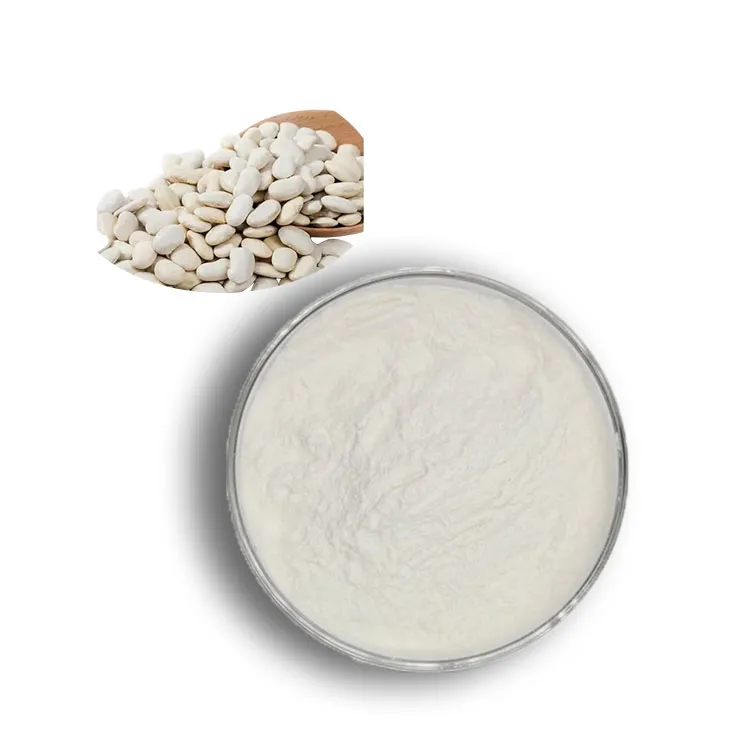
Solvent extraction is one of the most common methods for obtaining Kidney Bean Extract. Organic solvents such as ethanol and methanol are often used. The process involves grinding the kidney beans into a fine powder and then soaking it in the solvent. The solvent helps to dissolve the desired compounds, which can then be separated from the solid residue through filtration and evaporation. For example, ethanol can effectively extract phenolic compounds from kidney beans. However, one of the challenges with solvent extraction is the need to ensure complete removal of the solvent to avoid any potential toxicity in the final product.
2.2 Supercritical Fluid Extraction
Supercritical fluid extraction (SFE) is a more advanced technique. In this method, supercritical carbon dioxide is used as the extraction medium. The advantage of SFE is that it can operate at relatively low temperatures, which helps to preserve the bioactivity of the extracted compounds. Moreover, supercritical carbon dioxide has a high diffusivity and low viscosity, enabling it to penetrate the kidney bean matrix effectively. This method is particularly suitable for extracting thermally labile compounds. However, the equipment required for SFE is relatively expensive, which may limit its widespread application in small - scale production.3. Bioactive Compounds in Kidney Bean Extract
3.1 Phenolic Compounds
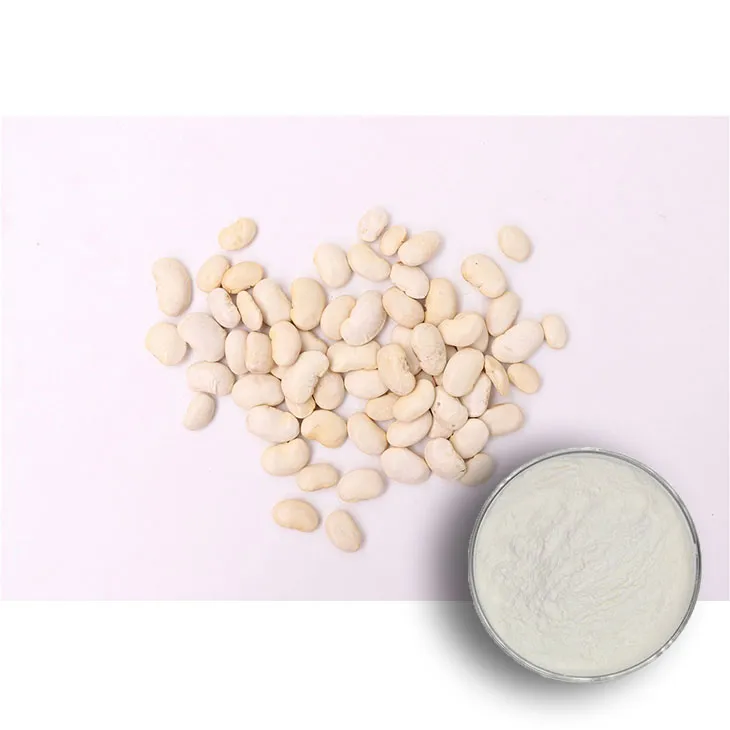
Kidney Bean Extracts are rich in phenolic compounds, which include flavonoids, phenolic acids, and tannins. These phenolic compounds are known for their antioxidant properties. Antioxidants play a crucial role in protecting the body against oxidative stress, which is associated with various diseases such as cancer, cardiovascular diseases, and neurodegenerative disorders. For instance, flavonoids like Quercetin in Kidney Bean Extract can scavenge free radicals and prevent the oxidation of lipids and proteins in the body.
3.2 Protease Inhibitors
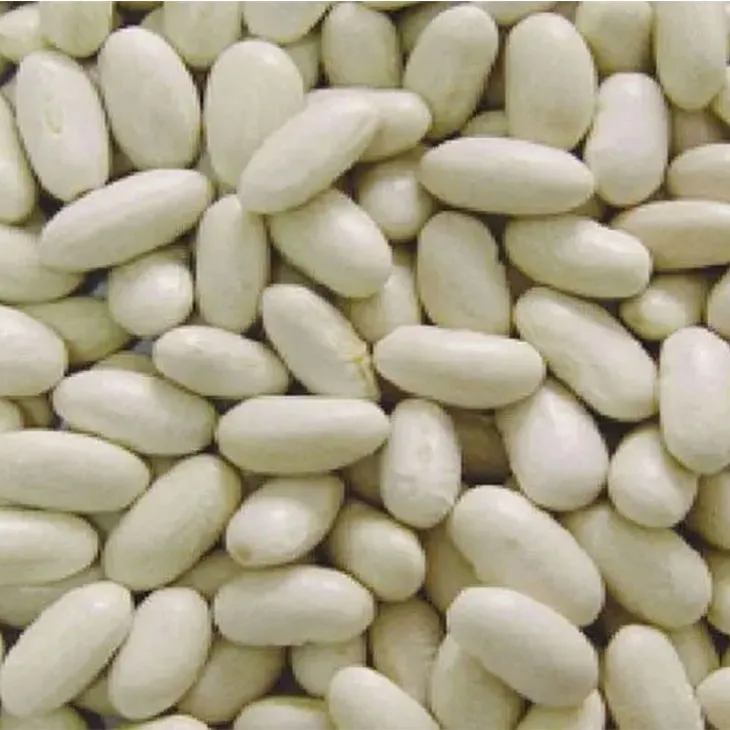
Another important group of compounds in Kidney Bean Extract is protease inhibitors. These inhibitors can regulate the activity of proteases in the body. They have potential applications in disease prevention. For example, some protease inhibitors in Kidney Bean Extract may inhibit the activity of certain enzymes involved in cancer cell metastasis, thus potentially having an anti - cancer effect. However, it should be noted that high levels of protease inhibitors may also have some negative impacts on digestion if not properly processed.
3.3 Lectins
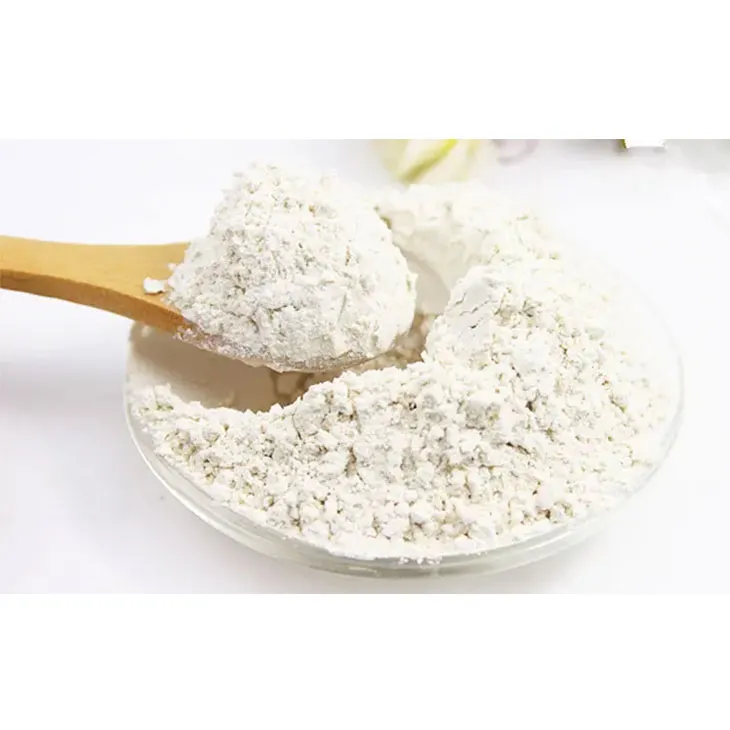
Lectins are carbohydrate - binding proteins present in Kidney Bean Extract. They have been studied for their potential immunomodulatory effects. Some lectins can interact with the immune cells and modulate the immune response. For example, they may enhance the activity of macrophages, which are important immune cells responsible for phagocytosis of foreign pathogens. However, certain lectins can also be toxic if consumed in large amounts, so appropriate purification steps are required during the extraction process.4. Applications in Nutrition
4.1 Dietary Supplements
Kidney Bean Extract can be used as a key ingredient in dietary supplements. Due to its rich content of phenolic compounds and other bioactive substances, it can provide additional health benefits when added to daily diets. For example, it can be formulated into tablets or capsules and taken as a supplement to boost the antioxidant status of the body. This is especially beneficial for people with a diet lacking in fruits and vegetables, as it can help to fill the nutritional gap.
4.2 Functional Foods
In the development of functional foods, Kidney Bean Extract has great potential. It can be incorporated into various food products such as bread, yogurt, and beverages. For instance, adding Kidney Bean Extract to bread can not only enhance its nutritional value but also improve its shelf - life due to the antioxidant properties of the extract. In yogurt, Kidney Bean Extract can act as a natural preservative while also providing health - promoting effects.5. Applications in Disease Prevention
5.1 Cardiovascular Disease Prevention
The phenolic compounds in Kidney Bean Extract, as mentioned earlier, have antioxidant properties. Oxidative stress is a major factor contributing to the development of cardiovascular diseases. By reducing oxidative stress, Kidney Bean Extract can help to lower blood pressure, improve lipid profiles, and prevent the formation of atherosclerotic plaques. For example, some studies have shown that regular consumption of Kidney Bean Extract - containing products can lead to a reduction in LDL - cholesterol levels in the blood.
5.2 Cancer Prevention
The protease inhibitors and some other bioactive compounds in Kidney Bean Extract may play a role in cancer prevention. As mentioned, protease inhibitors can inhibit the activity of enzymes involved in cancer cell metastasis. Additionally, the antioxidant properties of the extract can protect DNA from oxidative damage, which is one of the initial steps in cancer development. However, more in - depth research is still needed to fully understand the mechanisms and to develop effective cancer - prevention strategies using Kidney Bean Extract.
5.3 Diabetes Management
Kidney Bean Extract may also have potential applications in diabetes management. Some studies suggest that certain compounds in the extract can improve insulin sensitivity. Insulin resistance is a key factor in the development of type 2 diabetes. By enhancing insulin sensitivity, Kidney Bean Extract can help to regulate blood glucose levels. For example, in animal models, Kidney Bean Extract has been shown to reduce fasting blood glucose levels.6. Applications in Environmental Protection
6.1 Bioremediation
Kidney Bean Extract can be used in bioremediation processes. The phenolic compounds and other bioactive substances in the extract have the ability to bind with heavy metals. For example, they can form complexes with lead, mercury, and cadmium, which are common environmental pollutants. These complexes can then be removed from the contaminated soil or water, thus helping to clean up the environment.
6.2 Wastewater Treatment
In wastewater treatment, Kidney Bean Extract can act as a natural coagulant. It can help to precipitate suspended solids and some organic pollutants in the wastewater. This is a more environmentally friendly alternative to traditional chemical coagulants. Moreover, the antioxidant properties of the extract can also help to reduce the oxidative stress in the wastewater treatment system, which can improve the efficiency of the treatment process.7. Challenges and Future Directions
7.1 Standardization
One of the major challenges in the development and application of Kidney Bean Extract products is the lack of standardization. Different extraction methods and sources of kidney beans can result in extracts with varying compositions and potencies. There is a need to establish standard extraction protocols and quality control measures to ensure the consistency and safety of Kidney Bean Extract products.
7.2 Safety Concerns
As mentioned earlier, some components in Kidney Bean Extract, such as lectins, can be toxic in high amounts. Therefore, ensuring the safety of Kidney Bean Extract products is crucial. This requires further research on the toxicological profiles of the extract and the development of appropriate purification and processing techniques to remove or reduce the toxic components.
7.3 Research Gaps
Although there has been some research on the development and application of Kidney Bean Extract, there are still many research gaps. For example, more in - depth studies are needed on the long - term effects of Kidney Bean Extract consumption on human health. Additionally, the potential synergistic effects between different bioactive compounds in the extract need to be explored further.In conclusion, Kidney Bean Extract products have great potential in various fields such as nutrition, disease prevention, and environmental protection. However, to fully realize this potential, it is necessary to address the challenges and further explore the research gaps. With continued research and development, Kidney Bean Extract is likely to become an increasingly important substance in the future.
FAQ:
What are the main beneficial components in Kidney Bean Extract?
The main beneficial components in Kidney Bean Extract often include various bioactive substances such as proteins, peptides, and certain phytochemicals. These components can have antioxidant, anti - inflammatory, and other positive effects on the human body.
How is Kidney Bean Extract developed to maximize the extraction of beneficial components?
To maximize the extraction of beneficial components, advanced extraction techniques are usually employed. These may include methods like solvent extraction, supercritical fluid extraction, and enzymatic extraction. Each method has its own advantages and is selected based on the specific properties of the components to be extracted and the requirements of the final product.
In which nutrition - related areas can Kidney Bean Extract be applied?
Kidney Bean Extract can be applied in areas such as dietary supplements. It can provide additional nutrients like proteins and certain vitamins. It may also be used in functional foods to enhance their nutritional value, for example, in products aimed at improving muscle strength or overall health.
How can Kidney Bean Extract contribute to disease prevention?
The bioactive components in Kidney Bean Extract, such as antioxidants, can help prevent diseases. Antioxidants can neutralize free radicals in the body, reducing oxidative stress. This in turn may lower the risk of chronic diseases like heart disease, cancer, and diabetes.
What role can Kidney Bean Extract play in environmental protection?
In environmental protection, Kidney Bean Extract may have potential applications in areas such as biodegradable materials. Some components of the extract may be used to develop new materials that are more environmentally friendly compared to traditional synthetic materials.
Related literature
- The Nutritional and Bioactive Components of Kidney Bean Extracts"
- "Kidney Bean Extract in Disease Prevention: A Review"
- "Applications of Kidney Bean Extract in Environmental - Friendly Technologies"


-

Hawthorn powder
2024-12-10
-

Orange Flavor Powder
2024-12-10
-

Rosemary extract
2024-12-10
-

Angelica sinensis extract
2024-12-10
-

Longan Extract
2024-12-10
-

Beta Carotene
2024-12-10
-

Lemon Extract
2024-12-10
-

Green Tea Extract
2024-12-10
-

Mulberry Extract
2024-12-10
-

Ivy Extract
2024-12-10