


1. Introduction
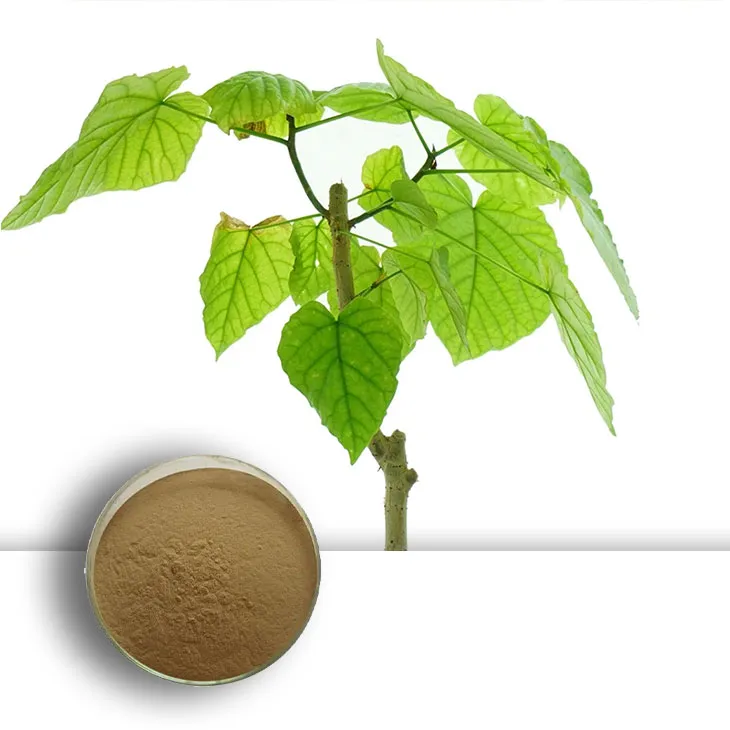
Mulberry leaf, a traditional plant resource in Asia, has been used for centuries in sericulture. However, in recent years, the Mulberry leaf Extract has emerged as a valuable material with a wide range of potential applications. It is rich in various bioactive components such as flavonoids, alkaloids, polysaccharides, and phenolic acids. These components endow the Mulberry leaf Extract with antioxidant, anti - inflammatory, hypoglycemic, and hypolipidemic properties, among others. As a result, it has attracted extensive attention from researchers, industries, and consumers alike.
2. Extraction Techniques of Mulberry leaf Extract
2.1 Solvent Extraction
Solvent extraction is one of the most commonly used methods for obtaining Mulberry leaf Extract. Organic solvents such as ethanol, methanol, and acetone are often employed. The process typically involves the following steps:
- First, the mulberry leaves are dried and ground into a fine powder to increase the surface area for extraction.
- Then, the powdered leaves are soaked in the selected solvent at a specific ratio (e.g., 1:10 - 1:20, w/v) for a certain period, usually several hours to a few days.
- After that, the mixture is filtered to separate the extract from the residue. The filtrate contains the Mulberry leaf Extract, which can be further concentrated under reduced pressure to obtain a more concentrated extract.

2.2 Supercritical Fluid Extraction (SFE)
Supercritical fluid extraction is a relatively advanced extraction technique. Carbon dioxide (CO₂) is the most commonly used supercritical fluid for Mulberry leaf Extraction.
- It operates under specific temperature and pressure conditions above the critical point of CO₂, where CO₂ exhibits properties between a gas and a liquid.
- The advantages of SFE include high selectivity, low solvent residue, and the ability to extract thermally labile components without causing significant degradation. However, the equipment for SFE is relatively expensive, which limits its widespread application in some small - scale production.
3. Quality Control of Mulberry leaf Extract
3.1 Component Analysis
To ensure the quality of Mulberry leaf Extract, component analysis is crucial. High - performance liquid chromatography (HPLC) and gas chromatography - mass spectrometry (GC - MS) are often used for the identification and quantification of bioactive components.
- For flavonoids, HPLC can accurately determine the types and amounts of different flavonoid compounds, such as Rutin and Quercetin, which are important indicators of the quality of the extract.
- GC - MS is more suitable for analyzing volatile components and some small - molecule alkaloids in the Mulberry leaf Extract.
3.2 Purity and Safety
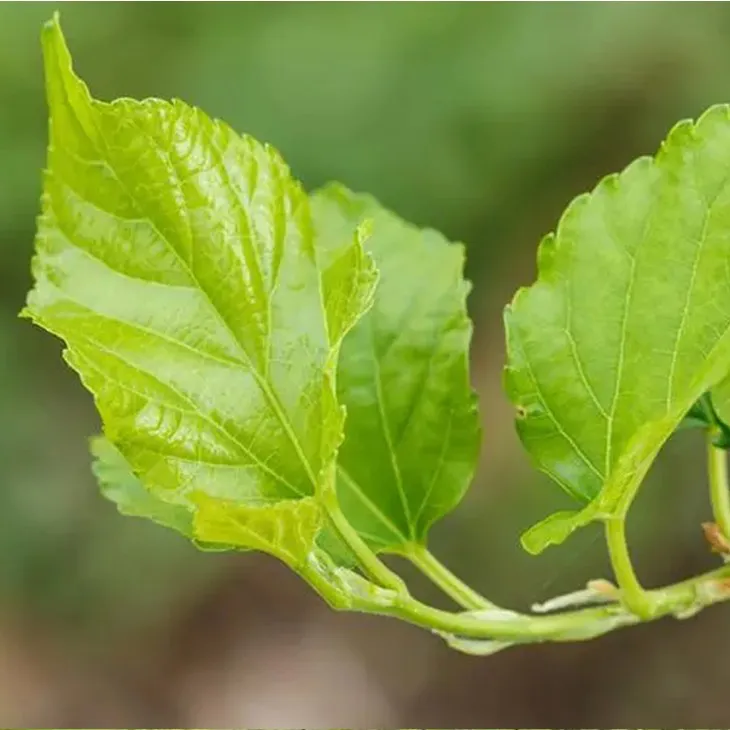
The purity of the extract should be high, with minimal impurities. Heavy metal content and pesticide residues need to be strictly monitored.
- Inductively coupled plasma - mass spectrometry (ICP - MS) can be used to detect heavy metals such as lead, cadmium, and mercury. The content of these heavy metals should be within the safety limits set by relevant regulations.
- For pesticide residues, gas chromatography (GC) or liquid chromatography - tandem mass spectrometry (LC - MS/MS) are effective detection methods. Only when the pesticide residues meet the safety standards can the Mulberry leaf Extract be considered safe for various applications.
4. Applications in the Medicine Field
4.1 Antidiabetic Effects
The Mulberry leaf Extract has shown promising antidiabetic properties. Some of its bioactive components can help regulate blood glucose levels.
- 1 - Deoxynojirimycin (DNJ), an alkaloid in mulberry leaves, can inhibit α - glucosidase activity. This enzyme is responsible for the breakdown of complex carbohydrates into glucose in the small intestine. By inhibiting α - glucosidase, DNJ slows down the absorption of glucose, thereby reducing postprandial blood glucose spikes.
- Flavonoids in the extract also contribute to improving insulin sensitivity. They can enhance the function of pancreatic beta cells, which are responsible for insulin secretion, and promote the uptake and utilization of glucose by cells.
4.2 Anti - inflammatory and Antioxidant Properties
The presence of flavonoids and phenolic acids in the Mulberry leaf Extract endows it with anti - inflammatory and antioxidant capabilities.
- These components can scavenge free radicals, which are highly reactive molecules that can cause oxidative damage to cells and tissues. By neutralizing free radicals, the extract helps protect cells from oxidative stress - related diseases such as cancer, cardiovascular diseases, and neurodegenerative diseases.
- In terms of anti - inflammation, the extract can inhibit the production of inflammatory mediators such as cytokines and prostaglandins. This anti - inflammatory effect can be beneficial in treating various inflammatory conditions, including arthritis and inflammatory bowel disease.
5. Applications in the Cosmetics Field
5.1 Skin Whitening
Mulberry leaf Extract is increasingly being used in cosmetics for its skin - whitening properties.
- Flavonoids in the extract can inhibit the activity of tyrosinase, an enzyme that plays a crucial role in the synthesis of melanin. By reducing tyrosinase activity, the production of melanin is decreased, resulting in a lighter skin tone.
- It also has antioxidant properties that can protect the skin from damage caused by ultraviolet (UV) radiation and environmental pollutants. This helps maintain the health and radiance of the skin.
5.2 Anti - aging Effects
The antioxidant components in the Mulberry leaf Extract contribute to its anti - aging effects.
- Free radicals can cause damage to collagen and elastin fibers in the skin, leading to wrinkles and sagging. The extract's ability to scavenge free radicals helps prevent this damage and maintain the integrity of the skin's structure.
- It can also stimulate the production of collagen, which is essential for maintaining the firmness and elasticity of the skin. This makes the skin look younger and more vibrant.
6. Applications in the Food Industry
6.1 Functional Food Ingredients
As a natural source of bioactive components, Mulberry leaf Extract can be used as a functional food ingredient.
- It can be added to beverages such as tea, juice, and functional drinks. The addition of Mulberry leaf Extract not only imparts a unique flavor but also provides health benefits such as antioxidant and hypoglycemic effects.
- In bakery products like bread and biscuits, the extract can be incorporated to enhance the nutritional value. For example, it can help in reducing the glycemic index of the products, making them more suitable for people with diabetes or those who are health - conscious.
6.2 Natural Food Preservative
The antioxidant and antimicrobial properties of Mulberry leaf Extract make it a potential natural food preservative.
- It can inhibit the growth of spoilage microorganisms such as bacteria, yeasts, and molds. By reducing microbial growth, it helps extend the shelf life of food products.
- Compared to synthetic preservatives, Mulberry leaf Extract is considered a more natural and safe option, which is in line with the increasing consumer demand for natural and clean - label products.
7. Market Value and Future Prospects
The market for Mulberry leaf Extract products has been growing steadily in recent years. The increasing awareness of health and wellness among consumers, along with the demand for natural and functional products, has driven the growth of this market.
- In the medicine market, the potential of Mulberry leaf Extract in the treatment of diabetes and other chronic diseases has attracted the attention of pharmaceutical companies. There is a growing interest in developing new drugs or nutraceuticals based on Mulberry leaf Extract.
- In the cosmetics industry, the natural and effective properties of the extract for skin care have made it a popular ingredient in various beauty products. The demand for mulberry - leaf - extract - based cosmetics is expected to continue to rise.
- In the food industry, the use of Mulberry leaf Extract as a functional ingredient and natural preservative is also on the increase. As consumers become more conscious about the ingredients in their food, the market for Mulberry leaf Extract - enhanced food products is likely to expand.
FAQ:
1. What are the main bioactive components in Mulberry leaf Extract?
The main bioactive components in Mulberry leaf Extract include flavonoids, alkaloids, polysaccharides, etc. Flavonoids have antioxidant properties, alkaloids may have certain physiological regulatory functions, and polysaccharides can also play roles in aspects such as immunity enhancement.
2. What are the common extraction techniques for Mulberry leaf Extract?
Common extraction techniques include solvent extraction, such as using ethanol or water - ethanol mixtures. There is also supercritical fluid extraction which can obtain high - quality extracts with relatively pure components. Additionally, ultrasonic - assisted extraction can enhance the extraction efficiency by using ultrasonic waves to break cell walls and promote the release of components.
3. How is the quality of Mulberry leaf Extract controlled?
Quality control of Mulberry leaf Extract involves several aspects. Firstly, the raw materials need to be carefully selected to ensure the quality of mulberry leaves. Then, during the extraction process, parameters such as extraction time, temperature, and solvent concentration need to be strictly controlled. After extraction, methods like high - performance liquid chromatography (HPLC) can be used to analyze and determine the content of main components to ensure that the product meets the specified quality standards.
4. What are the potential health benefits of Mulberry leaf Extract in the medical field?
In the medical field, Mulberry leaf Extract may have potential benefits for blood sugar regulation. Some studies suggest that its components can help improve insulin sensitivity. It may also have anti - inflammatory properties, which could be beneficial for treating certain inflammatory diseases. Additionally, it may play a role in cardiovascular protection, for example, by reducing blood lipid levels.
5. How is Mulberry leaf Extract used in the cosmetics industry?
In the cosmetics industry, Mulberry leaf Extract is often used for its antioxidant properties. It can help protect the skin from free radical damage, slow down skin aging, and improve skin elasticity. It may also be used in products for skin whitening, as some components in the extract can inhibit the production of melanin.
6. What are the applications of Mulberry leaf Extract in the food industry?
In the food industry, Mulberry leaf Extract can be used as a natural food additive. It can be added to functional foods, such as health - promoting teas or dietary supplements. It can also be used in food preservation due to its antioxidant properties, which can help extend the shelf life of food products.
Related literature
- Development and Utilization of Mulberry Leaf Bioactive Components"
- "Mulberry leaf Extract: Composition, Extraction and Applications in Health"
- "The Potential of Mulberry leaf Extract in Cosmetics and Food"


-

Hericium erinaceus extract powder
2024-12-12
-

Yellow Pine Extract
2024-12-12
-

Green Tea Extract
2024-12-12
-

Almond Extract Powder
2024-12-12
-

Horse Chestnut Extract
2024-12-12
-

Lavender Extract
2024-12-12
-

Sea buckthorn Juice Powder
2024-12-12
-

Oyster Mushroom Extract Powder
2024-12-12
-

Black Pepper Extract
2024-12-12
-

Honeysuckle Pollen
2024-12-12