


1. Introduction
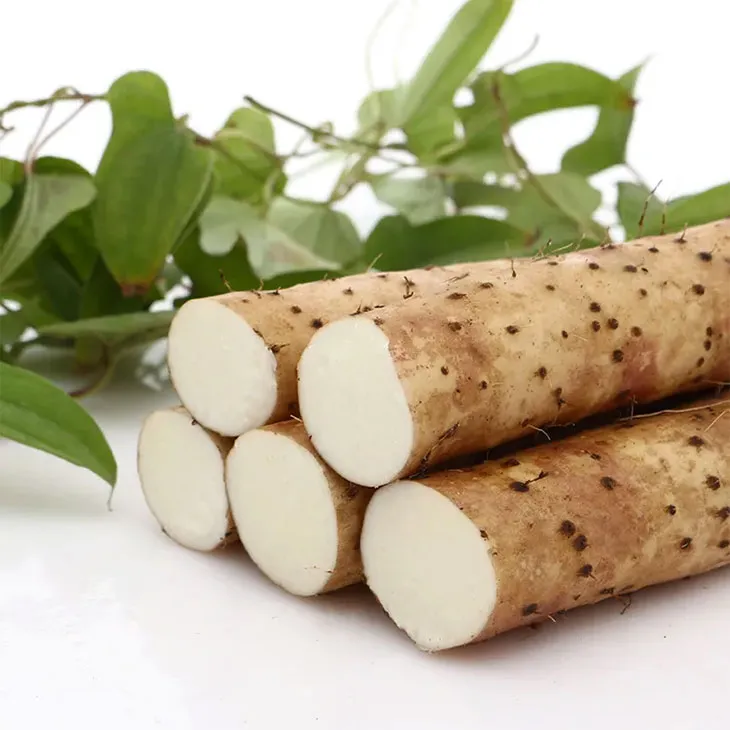
Yams, a type of tuber vegetable, have been consumed for centuries in many parts of the world. In recent years, Yam Extract has emerged as a valuable ingredient with significant potential in various industries. The rich nutritional components and potential health - promoting properties of Yam Extract have made it a subject of increasing interest among researchers, manufacturers, and consumers alike.
2. Extraction Methods of Yam Extract
2.1 Traditional Extraction Methods
2.1.1 Solvent Extraction
- One of the traditional methods for extracting Yam Extract is solvent extraction. In this method, a suitable solvent such as ethanol or water is used. Ethanol is often preferred as it can dissolve a wide range of bioactive compounds present in yams.
- The yam is first crushed or ground into a fine powder. Then, the powder is mixed with the solvent in a specific ratio. For example, a ratio of 1:5 (yam powder to solvent) might be used.
- The mixture is then left to soak for a certain period, usually several hours to a few days. During this time, the bioactive compounds in the yam are dissolved into the solvent.
- After soaking, the mixture is filtered to separate the liquid extract from the solid residue. The filtrate, which contains the Yam Extract, is then concentrated using techniques such as evaporation under reduced pressure to obtain a more concentrated form of the extract.
- Maceration is another traditional extraction method. In this process, the whole or sliced yams are soaked in a solvent (usually water or a diluted alcohol solution) for an extended period.
- The soaking time can range from days to weeks, depending on the desired concentration of the extract and the nature of the bioactive compounds to be extracted. For instance, if the aim is to extract more water - soluble compounds, a longer soaking time in water may be required.
- During maceration, the solvent gradually penetrates the yam tissue, dissolving the bioactive substances. After the maceration period, the liquid is separated from the yam material by filtration or decantation, and the resulting liquid is the Yam Extract.

2.2 Modern Extraction Techniques
2.2.1 Supercritical Fluid Extraction (SFE)
- Supercritical fluid extraction has gained popularity in recent years for Yam Extract production. Supercritical carbon dioxide (CO₂) is often used as the extraction fluid. At supercritical conditions (above its critical temperature and pressure), CO₂ has properties that make it an excellent solvent for extracting bioactive compounds from yams.
- The advantage of SFE is that it can operate at relatively low temperatures, which helps to preserve the heat - sensitive bioactive components in the yam. For example, some antioxidant compounds in yams can be easily degraded at high temperatures, but SFE can avoid this problem.
- Moreover, supercritical CO₂ is non - toxic, non - flammable, and can be easily removed from the extract after extraction, leaving behind a pure Yam Extract without any solvent residues.
- Microwave - assisted extraction is a relatively new and efficient method. In this technique, microwaves are used to heat the yam - solvent mixture rapidly.
- The microwaves cause the molecules in the solvent and yam to vibrate rapidly, which in turn increases the mass transfer rate of the bioactive compounds from the yam to the solvent. This results in a shorter extraction time compared to traditional methods.
- For example, a traditional solvent extraction of Yam Extract might take several hours, while MAE can complete the extraction in a matter of minutes. However, careful control of the microwave power and extraction time is required to avoid over - extraction or degradation of the bioactive compounds.
3. Application of Yam Extract in the Food Industry
Yam Extract has found numerous applications in the food industry, mainly due to its ability to enhance both flavor and nutrition.

3.1 As a Natural Flavor Enhancer
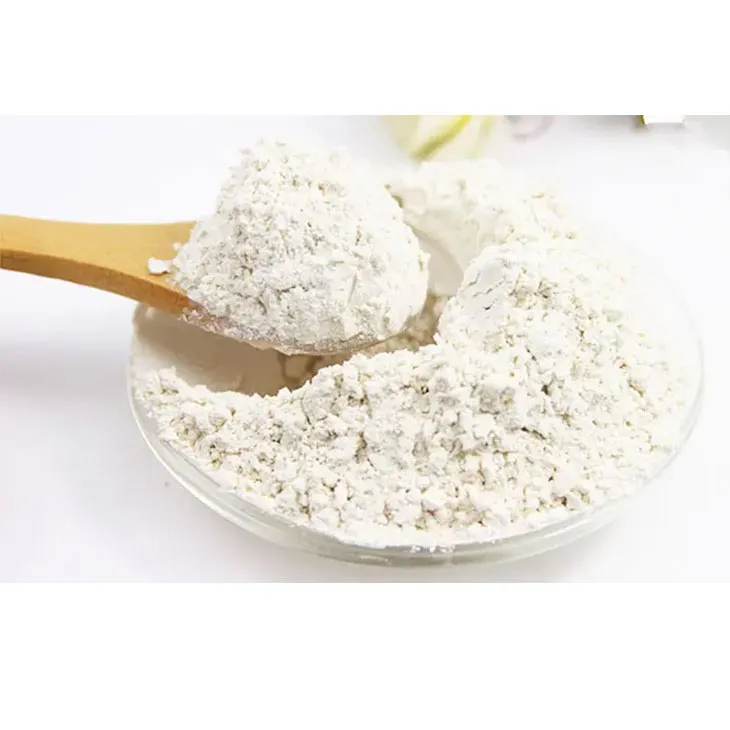
- Yam Extract imparts a unique and pleasant flavor to food products. It has a mild, earthy, and slightly sweet taste that can enhance the overall flavor profile of a wide range of foods.
- For example, in bakery products such as bread and cakes, the addition of Yam Extract can add a subtle depth of flavor. It can also be used in savory dishes like soups and stews, where it can blend well with other ingredients and enhance the umami flavor.
- Compared to artificial flavor enhancers, Yam Extract is a natural alternative, which is more appealing to consumers who are increasingly interested in clean - label and natural products.
3.2 For Nutritional Enhancement
- Yam Extract is rich in nutrients such as dietary fiber, vitamins (e.g., Vitamin C, Vitamin B6), and minerals (e.g., potassium, magnesium). When added to food products, it can increase their nutritional value.
- In breakfast cereals, for instance, the addition of Yam Extract can boost the fiber content, which is beneficial for digestive health. It can also be added to functional foods and dietary supplements to provide a source of essential nutrients.
- Moreover, Yam Extract contains bioactive compounds such as polyphenols and flavonoids, which have antioxidant properties. These antioxidants can help to protect food from oxidative degradation, thereby extending its shelf - life.
4. Application of Yam Extract in the Pharmaceutical Field
The potential medicinal effects of Yam Extract have led to its exploration in the pharmaceutical field.
4.1 Anti - Inflammatory Properties
- Studies have shown that certain compounds in Yam Extract possess anti - inflammatory properties. These compounds can inhibit the production of inflammatory mediators such as cytokines and prostaglandins.
- For example, in vitro and in vivo experiments have demonstrated that Yam Extract can reduce inflammation in animal models of arthritis. This suggests its potential use in the development of anti - inflammatory drugs or as a complementary treatment for inflammatory diseases.
- Furthermore, the anti - inflammatory properties of Yam Extract may also be beneficial for preventing chronic inflammatory conditions in humans, such as cardiovascular diseases and some types of cancer.
4.2 Immune Regulation
- Yam Extract has been found to play a role in immune regulation. It can stimulate the activity of immune cells such as macrophages and lymphocytes.
- In immunocompromised individuals, Yam Extract may help to boost the immune system. For example, in patients undergoing chemotherapy or those with weakened immune systems due to other medical conditions, Yam Extract could potentially be used as an adjuvant therapy to enhance immune function.
- Moreover, the immune - regulatory properties of Yam Extract may also be relevant in the prevention and treatment of infectious diseases, as a well - regulated immune system is crucial for fighting off pathogens.
5. Application of Yam Extract in the Cosmetics Industry
Yam Extract offers several benefits for skin - care in the cosmetics industry.
5.1 Moisturizing Effects
- The high content of polysaccharides in Yam Extract gives it excellent moisturizing properties. These polysaccharides can form a thin, protective film on the skin surface, which helps to prevent water loss from the skin.
- When used in skin - care products such as moisturizers and lotions, Yam Extract can keep the skin hydrated and supple. It is especially beneficial for dry and dehydrated skin types.
- Compared to some synthetic moisturizers, Yam Extract is a natural ingredient, which is more suitable for consumers with sensitive skin who may be prone to irritation from chemical - based products.
5.2 Anti - Aging Benefits
- Yam Extract contains antioxidants such as polyphenols and flavonoids, which can combat free radicals in the skin. Free radicals are unstable molecules that can damage skin cells and contribute to the aging process, including the formation of wrinkles and fine lines.
- By neutralizing free radicals, Yam Extract can help to protect the skin from premature aging. It can also stimulate collagen production in the skin. Collagen is an important protein that provides structural support to the skin, and its production decreases with age.
- Therefore, Yam Extract can be incorporated into anti - aging creams, serums, and masks to improve the overall appearance and health of the skin.
6. Conclusion
In conclusion, Yam Extract has great potential in various industries. The development of efficient extraction methods has enabled the production of high - quality Yam Extracts. In the food industry, it serves as a natural additive for flavor and nutrition enhancement. In the pharmaceutical field, its potential medicinal effects such as anti - inflammation and immune regulation are being explored. And in the cosmetics industry, it offers skin - care benefits like moisturizing and anti - aging. However, further research is still needed to fully understand the mechanisms of action of Yam Extract and to develop more effective products based on it. With continued research and development, Yam Extract is likely to play an even more important role in the future.
FAQ:
1. What are the traditional extraction methods for Yam Extract?
The traditional extraction methods for Yam Extract may include solvent extraction. For example, using ethanol or water as solvents to extract the active components from yams. This involves soaking the yam material in the solvent for a certain period, followed by filtration and concentration to obtain the extract. Another traditional method could be decoction, where the yam is boiled in water for a long time, and then the liquid is collected and further processed.
2. How do modern techniques improve the extraction of Yam Extract?
Modern techniques such as supercritical fluid extraction (SFE) can improve the extraction of Yam Extract. SFE uses supercritical fluids, like carbon dioxide, which have properties between a gas and a liquid. This allows for more selective extraction of the desired components from yams. It can operate at lower temperatures compared to some traditional methods, which helps preserve the heat - sensitive components. Also, ultrasonic - assisted extraction is a modern technique. Ultrasonic waves can enhance the mass transfer process during extraction, leading to a higher extraction yield and better quality of the Yam Extract in a shorter extraction time.
3. What are the specific flavor - enhancing properties of Yam Extract in the food industry?
Yam Extract can add a unique earthy and slightly sweet flavor to food products. It can enhance the overall taste profile, especially in products where a natural and mild flavor enhancement is desired. For example, in some bakery products like bread or cakes, Yam Extract can add a subtle depth of flavor. In soups and stews, it can contribute to a more complex and rich flavor without overpowering the other ingredients.
4. How does Yam Extract contribute to anti - inflammation in the pharmaceutical field?
Yam Extract may contain bioactive compounds such as polysaccharides and phenolic compounds. These components are thought to have anti - inflammatory properties. They can potentially interact with the body's immune cells and signaling pathways. For instance, they may inhibit the production of pro - inflammatory cytokines, which are molecules involved in the inflammatory response. By reducing the levels of these cytokines, Yam Extract can help to modulate the inflammatory process in the body.
5. What are the anti - aging mechanisms of Yam Extract in the cosmetics industry?
Yam Extract in the cosmetics industry may have anti - aging mechanisms. It may contain antioxidants, such as flavonoids. These antioxidants can neutralize free radicals in the skin. Free radicals are unstable molecules that can damage skin cells and contribute to the aging process. By scavenging free radicals, Yam Extract can help protect the skin from oxidative stress. Additionally, Yam Extract may also promote collagen synthesis in the skin. Collagen is a protein that provides structure and elasticity to the skin, and as we age, collagen production decreases. By enhancing collagen synthesis, Yam Extract can help improve skin firmness and reduce the appearance of wrinkles.
Related literature
- Development and Characterization of Yam - Based Functional Foods"
- "The Medicinal Properties of Yam Extract: A Review"
- "Yam Extract in Cosmetics: New Perspectives"


-

Angelica sinensis extract
2024-12-18
-

Peppermint Extract Powder
2024-12-18
-

Nettle Root Extract
2024-12-18
-

Acai Berry Extract
2024-12-18
-

S-Adenosyl L-methionine(SAMe)
2024-12-18
-

Black Rice Extract
2024-12-18
-

Maitake Mushroom Extract
2024-12-18
-

L-Arginine alpha-ketoglutarate
2024-12-18
-

Vitamin C
2024-12-18
-

Rutin
2024-12-18