


I. Introduction
Astaxanthin is a powerful antioxidant that has gained significant attention in both the food and cosmetic industries. It is a carotenoid pigment that occurs naturally in certain marine organisms such as microalgae, salmon, trout, and krill. With its numerous potential health and beauty benefits, Astaxanthin is available in different grades, namely food - grade and cosmetic - grade. These two grades are designed to meet distinct requirements based on their intended applications.
II. Purity and Quality Standards
A. Food - grade Astaxanthin
- Food - grade Astaxanthin must adhere to strict purity standards set by food regulatory agencies. The primary concern is the safety of consumption.
- It is required to be free from contaminants such as heavy metals (e.g., mercury, lead), pesticides, and harmful microorganisms. For example, the maximum allowable levels of heavy metals are tightly regulated to ensure that consumers are not exposed to toxic substances when consuming products containing food - grade Astaxanthin.
- The purity of food - grade Astaxanthin is also measured in terms of its active ingredient content. A high - quality food - grade Astaxanthin product should have a significant percentage of pure Astaxanthin, typically ranging from 3% - 10% in natural sources and can be even higher in synthetic forms.
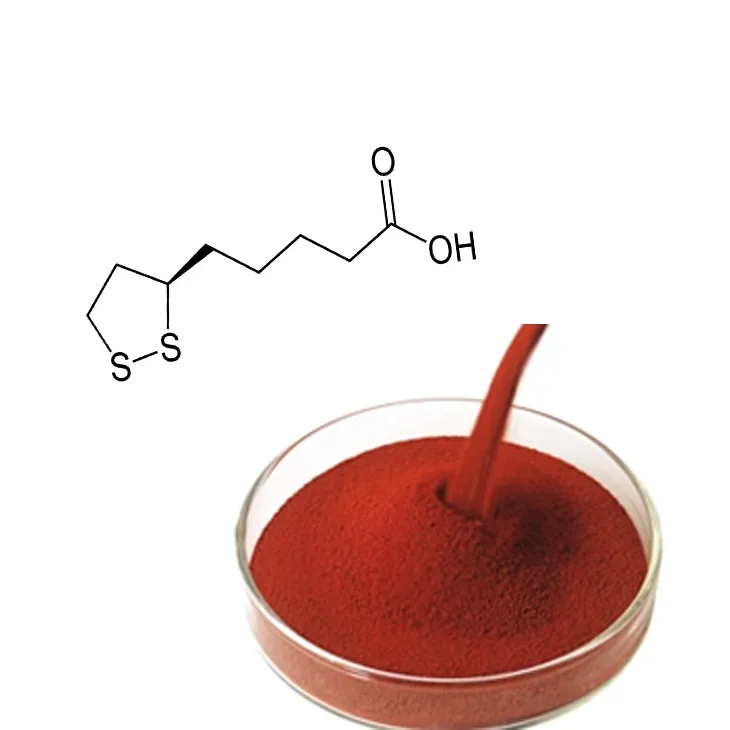
B. Cosmetic - grade Astaxanthin
- While safety is also a consideration for cosmetic - grade Astaxanthin, the purity requirements are more focused on its compatibility with other cosmetic ingredients. It needs to be pure enough not to cause any adverse reactions on the skin.
- Contaminants that could potentially irritate the skin, such as certain impurities from the extraction process, need to be removed. However, the acceptable levels of some substances may be different from those in food - grade Astaxanthin. For instance, the standards for heavy metals in cosmetic - grade Astaxanthin are mainly based on the potential for skin absorption and irritation rather than ingestion.
- The purity of cosmetic - grade Astaxanthin in terms of Astaxanthin content may vary depending on the specific cosmetic application. In some cases, a lower concentration of Astaxanthin may be sufficient if it is combined with other effective ingredients in a skincare product.
III. Production and Extraction Processes

A. Food - grade Astaxanthin
- Food - grade Astaxanthin can be produced through various methods. One common source is from microalgae cultivation. Microalgae such as Haematococcus pluvialis are rich in Astaxanthin. The cultivation process is carefully controlled to optimize Astaxanthin production. Factors such as light intensity, temperature, and nutrient supply are crucial in determining the yield and quality of food - grade Astaxanthin.
- Another source is from the by - products of seafood processing. For example, the shells of crustaceans like shrimp can be a source of Astaxanthin. However, the extraction process from these sources needs to be highly refined to meet food - grade purity standards.
- During the extraction of food - grade Astaxanthin, solvents used must be food - safe. For instance, supercritical carbon dioxide extraction is often preferred as it leaves no harmful residues and can effectively extract Astaxanthin while maintaining its integrity for consumption.

B. Cosmetic - grade Astaxanthin
- Cosmetic - grade Astaxanthin production also utilizes sources like microalgae. However, the extraction process may be adjusted to meet the specific needs of the cosmetic industry. For example, the extraction may be optimized to obtain a form of Astaxanthin that is more easily incorporated into emulsions and creams.
- Some cosmetic - grade Astaxanthin may be further processed to enhance its stability in cosmetic formulations. This could involve techniques such as microencapsulation, which protects Astaxanthin from degradation due to factors like exposure to air, light, and heat. Microencapsulation also allows for better control of the release of Astaxanthin in skincare products, ensuring its effectiveness over time.
- When it comes to solvents, while safety is still a concern, the focus may be more on their ability to produce a form of Astaxanthin that is suitable for cosmetic use. Some solvents may be used that are not typically allowed in food - grade production but are acceptable in the cosmetic field as long as they are removed to an acceptable level during the purification process.
IV. Health and Beauty Benefits
A. Food - grade Astaxanthin
- When consumed orally as a food supplement, food - grade Astaxanthin offers a range of health benefits. It is a powerful antioxidant, which means it can help neutralize free radicals in the body. Free radicals are unstable molecules that can cause damage to cells, DNA, and proteins, leading to various diseases and aging.
- It has been associated with improved cardiovascular health. Studies suggest that Astaxanthin may help reduce oxidative stress in the blood vessels, lower blood pressure, and improve lipid profiles. For example, it may reduce the levels of LDL cholesterol (the "bad" cholesterol) and increase HDL cholesterol (the "good" cholesterol).
- Food - grade Astaxanthin may also have anti - inflammatory properties. It can potentially reduce inflammation in the body, which is linked to many chronic diseases such as arthritis, diabetes, and certain types of cancer.
B. Cosmetic - grade Astaxanthin
- Cosmetic - grade Astaxanthin is mainly used for its skin - related benefits. As an antioxidant, it can protect the skin from oxidative damage caused by environmental factors such as UV radiation, pollution, and cigarette smoke. This protection helps prevent premature aging of the skin, including the formation of wrinkles, fine lines, and age spots.
- It has been shown to improve skin elasticity. By promoting collagen production in the skin, Astaxanthin can make the skin more firm and supple. Collagen is a key protein in the skin that provides structure and elasticity.
- Cosmetic - grade Astaxanthin can also have a brightening effect on the skin. It can help reduce hyperpigmentation, resulting in a more even skin tone. This is beneficial for people with skin discoloration issues such as melasma or post - inflammatory hyperpigmentation.
V. Stability and Shelf - life
A. Food - grade Astaxanthin
- Food - grade Astaxanthin needs to be stable during storage and consumption. In food products, it may be exposed to various environmental factors such as heat, light, and oxygen. To enhance its stability, it may be formulated with other antioxidants or protective agents.
- The shelf - life of food - grade Astaxanthin - containing products is also an important consideration. Depending on the form (e.g., capsules, powders) and storage conditions (e.g., temperature, humidity), the Astaxanthin content should remain effective for a certain period. For example, in a well - sealed, light - protected container stored at room temperature, a food - grade Astaxanthin supplement may have a shelf - life of one to two years.
B. Cosmetic - grade Astaxanthin
- Cosmetic - grade Astaxanthin must be stable within the cosmetic formulation. Since skincare products are often exposed to different environmental conditions during use and storage, the Astaxanthin needs to maintain its integrity. The use of stabilizers and proper formulation techniques are crucial to ensure its long - term effectiveness in cosmetics.
- The shelf - life of cosmetic products containing Astaxanthin can vary depending on the type of product (e.g., creams, serums) and the packaging. For instance, a serum with Astaxanthin in an airtight, dark - colored bottle may have a longer shelf - life compared to a cream in a jar that is more exposed to air and light.
VI. Packaging and Labeling
A. Food - grade Astaxanthin
- Food - grade Astaxanthin products are subject to strict packaging and labeling regulations. The packaging must be food - safe and protect the Astaxanthin from degradation. For example, many food - grade Astaxanthin supplements are packaged in light - resistant bottles or blister packs.
- The label must clearly state the ingredients, including the source of Astaxanthin, the recommended dosage, and any potential allergens. It also needs to provide information about the health benefits in a way that is compliant with food - supplement labeling requirements.
B. Cosmetic - grade Astaxanthin
- Cosmetic - grade Astaxanthin - containing products have their own packaging and labeling requirements. The packaging should be designed to preserve the stability of Astaxanthin and protect the product from contamination. For example, airless pumps are often used for creams and serums containing Astaxanthin to prevent air - induced degradation.
- The label should list the ingredients, including Astaxanthin, in accordance with cosmetic - labeling regulations. It may also include claims about the skin - benefits of Astaxanthin, but these claims need to be substantiated and comply with relevant cosmetic - marketing regulations.
VII. Conclusion
In conclusion, food - grade and cosmetic - grade Astaxanthin have several differences. These differences are rooted in their intended applications, whether for consumption or for use in skincare products. From production processes to quality standards, health benefits, and packaging, each grade is tailored to meet the specific needs of its respective industry.
FAQ:
1. What are the main purity requirements for food - grade Astaxanthin?
For food - grade Astaxanthin, the main purity requirement is to be free of harmful substances. It needs to meet strict food safety standards to ensure that it is safe for human consumption when taken orally. High - quality food - grade Astaxanthin typically has a high level of purity in terms of the active Astaxanthin compound, with minimal impurities from the production process.
2. How is cosmetic - grade Astaxanthin made more stable?
To make cosmetic - grade Astaxanthin more stable, special extraction and purification methods are often used. It may be combined with certain stabilizers or encapsulated in a way that protects it from degradation. Also, the formulation of the cosmetic product itself can be adjusted to create an environment that maintains the stability of Astaxanthin. For example, controlling the pH level and protecting it from light and air can enhance its stability.
3. Can food - grade Astaxanthin be used in cosmetics?
While food - grade Astaxanthin is safe for consumption, it may not be directly suitable for use in cosmetics. Cosmetic - grade Astaxanthin is specifically formulated to be compatible with other cosmetic ingredients and to have the necessary stability for use in skincare products. Food - grade Astaxanthin may lack some of the characteristics required for effective use in cosmetics, such as the ability to blend well with other ingredients and maintain its integrity in the product over time.
4. Are the extraction processes of food - grade and cosmetic - grade Astaxanthin very different?
The extraction processes can be different. Food - grade Astaxanthin extraction focuses on obtaining a pure product for consumption, ensuring safety and maintaining the nutritional value. Cosmetic - grade Astaxanthin extraction may place more emphasis on factors like stability and compatibility with other ingredients. However, there can be some overlap in the basic extraction techniques, but the subsequent processing and quality control steps are often adjusted according to the specific grade requirements.
5. What are the safety considerations for using cosmetic - grade Astaxanthin?
When using cosmetic - grade Astaxanthin, safety considerations include ensuring that it is free from contaminants that could cause skin irritation or allergic reactions. Since it is applied to the skin, it must be formulated in a way that is non - toxic and does not penetrate the skin in a harmful way. Additionally, proper testing should be done to ensure that it is stable in the cosmetic product and does not break down into harmful substances over time.
Related literature
- Astaxanthin in Food and Cosmetics: Properties and Applications"
- "Comparative Analysis of Food - grade and Cosmetic - grade Astaxanthin: Production and Quality"
- "The Role of Astaxanthin in Cosmetic and Food Industries: A Review"


-

L-carnitine
2025-01-10
-

Bromelain
2025-01-10
-

Coconut Water Powder
2025-01-10
-

Beetroot Powder
2025-01-10
-

Ivy Extract
2025-01-10
-

Thunder God Vine Extract
2025-01-10
-

Vitamin B9 powder
2025-01-10
-

Kupilu Extract
2025-01-10
-

Diosmin
2025-01-10
-

Marigold Extract
2025-01-10