


Introduction
Ginkgo biloba, a well - known plant, has been widely used in various industries. Its extracts are divided into food - grade and cosmetic - grade, which have different characteristics and applications. This article will explore the differences between these two types of Ginkgo Biloba Extracts in detail.
Food - grade Ginkgo Biloba Extract
1. Purpose and Usage
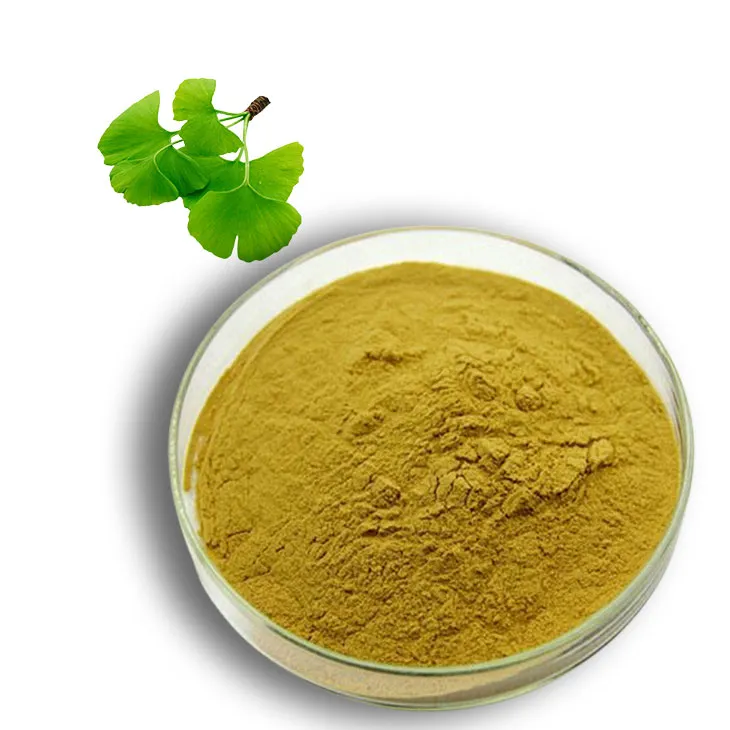
The food - grade Ginkgo Biloba Extract is primarily used as a dietary supplement. People take it orally to potentially gain certain health benefits. It can be found in forms such as capsules, tablets, or added to functional foods like energy bars or health drinks.
2. Safety Standards for Ingestion
- When it comes to food - grade Ginkgo Biloba Extract, strict safety standards regarding ingestion must be met. Heavy metal content is a crucial aspect. For instance, the levels of lead and arsenic are closely regulated. The permissible limits of these heavy metals are set to safeguard the health of consumers who ingest the extract orally.
- Microbial limits also play an important role. There are specific requirements for the absence of harmful bacteria, fungi, and other microorganisms. This is to prevent any potential infections or adverse health effects caused by contaminated extracts.
3. Composition
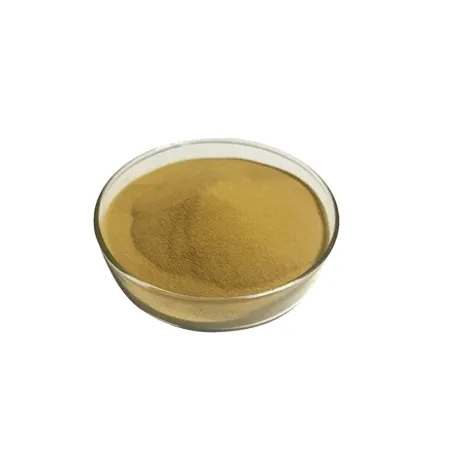
The composition of food - grade Ginkgo Biloba Extract typically features a relatively balanced ratio of flavonoids and terpenoids. Flavonoids are a group of plant metabolites with antioxidant, anti - inflammatory, and other beneficial properties. Terpenoids, on the other hand, are also known for their potential positive impacts on health. Together, they contribute to overall health promotion. For example, they are believed to improve blood circulation, which can be beneficial for cardiovascular health.
Cosmetic - grade Ginkgo Biloba Extract

1. Purpose and Usage
Cosmetic - grade Ginkgo Biloba Extract is designed for topical use. It is an ingredient in various cosmetic products such as creams, lotions, serums, and masks. These products are applied directly to the skin for different purposes, mainly related to skin health and appearance improvement.

2. Purification Processes
- The purification processes for cosmetic - grade Ginkgo Biloba Extract may differ from those of food - grade. Cosmetic - grade extract may be purified in a way that emphasizes certain components more. For example, the purification process may be optimized to enhance the concentration of flavonoids. Flavonoids are highly valued in cosmetics due to their antioxidant properties, which can help combat skin aging by neutralizing free radicals that damage skin cells.
- Another aspect of the purification process might be to remove any components that could potentially cause skin irritation or other adverse reactions when applied topically.
3. Safety Requirements for Skin Application
- Cosmetic - grade Ginkgo Biloba Extract has to undergo skin irritation and sensitization tests. These tests are crucial to ensure that the extract is safe for different skin types when applied to the skin surface. Skin irritation tests evaluate whether the extract causes redness, itching, or other forms of discomfort to the skin. Sensitization tests, on the other hand, check if the extract can cause an allergic reaction over time, even if there is no immediate reaction.
- In addition to these specific tests, the overall quality control of cosmetic - grade Ginkgo Biloba Extract also takes into account factors such as pH balance. The pH of the extract should be within a certain range that is suitable for the skin's natural pH, usually slightly acidic, to avoid disrupting the skin's natural barrier function.
Comparisons between Food - grade and Cosmetic - grade Ginkgo Biloba Extracts
1. Composition Emphasis
- As mentioned before, food - grade Ginkgo Biloba Extract has a relatively balanced composition of flavonoids and terpenoids, aiming at overall health promotion through ingestion. In contrast, cosmetic - grade extract may emphasize more on certain components like flavonoids for their antioxidant properties relevant to skin health.
- The difference in composition emphasis also reflects in the extraction and purification methods. Food - grade extract may focus on maintaining the overall integrity of the natural components in Ginkgo biloba, while cosmetic - grade extract may be more selective in isolating and purifying the components beneficial for skin application.
2. Safety Standards
- Food - grade Ginkgo Biloba Extract has safety standards mainly centered around ingestion, with strict regulations on heavy metal content and microbial limits. Cosmetic - grade extract, on the other hand, has safety requirements related to skin application, such as skin irritation and sensitization tests.
- The safety standards for both types are designed to protect the end - users, either those who ingest the extract for health benefits or those who apply it on their skin for cosmetic purposes. However, the specific safety concerns and test methods are different due to the distinct usage scenarios.
3. Application Areas
- Food - grade Ginkgo Biloba Extract is used in the food and dietary supplement industries. It can be consumed as a part of a daily health regimen, either in the form of a stand - alone supplement or incorporated into other food products. Its application is mainly internal, aiming at improving overall health conditions.
- Cosmetic - grade Ginkgo Biloba Extract is applied in the cosmetic and skincare industries. It is used in products that are directly applied to the skin to address various skin concerns, such as wrinkles, dullness, and lack of elasticity. The application is external, with the focus on enhancing skin appearance and health.
Conclusion
In conclusion, food - grade and cosmetic - grade Ginkgo Biloba Extracts have significant differences in terms of purpose, composition, safety standards, and application areas. Understanding these differences is important for both manufacturers and consumers. Manufacturers need to adhere to the appropriate standards for each type of extract to ensure product quality and safety. Consumers, on the other hand, can make more informed decisions when choosing between products containing Ginkgo Biloba Extract, depending on their specific needs, whether it is for internal health improvement or external skin enhancement.
FAQ:
Q1: What are the main uses of food - grade Ginkgo Biloba Extract?
Food - grade Ginkgo Biloba Extract is mainly used for dietary supplements. It can contribute to overall health promotion, such as improving blood circulation.
Q2: What safety standards does food - grade Ginkgo Biloba Extract need to meet?
Food - grade Ginkgo Biloba Extract needs to meet strict safety standards for ingestion. It focuses on aspects like heavy metal content and microbial limits. For instance, the levels of lead and arsenic are strictly regulated to ensure consumer health when consumed orally.
Q3: How is the composition of food - grade Ginkgo Biloba Extract?
Food - grade Ginkgo Biloba Extract often contains a relatively balanced ratio of flavonoids and terpenoids which are beneficial for health.
Q4: What are the features of cosmetic - grade Ginkgo Biloba Extract?
Cosmetic - grade Ginkgo Biloba Extract is designed for topical use. It may have different purification processes and may emphasize certain components like flavonoids for their antioxidant properties to combat skin aging. It also needs to pass skin irritation and sensitization tests to ensure safety for different skin types when applied to the skin surface.
Q5: What is the difference in safety requirements between food - grade and cosmetic - grade Ginkgo Biloba Extracts?
Food - grade Ginkgo Biloba Extract focuses on safety for ingestion, such as heavy metal and microbial limits. Cosmetic - grade Ginkgo Biloba Extract needs to pass skin irritation and sensitization tests to ensure it is safe for topical use on different skin types.
Related literature
- Analysis of Ginkgo Biloba Extract in Food and Cosmetic Applications"
- "Safety and Efficacy of Ginkgo Biloba Extracts: Food - grade vs Cosmetic - grade"


-

White mustard seed extract
2024-12-19
-

Oyster Peptide
2024-12-19
-

Camu Camu Extract
2024-12-19
-

Mangosteen extract powder
2024-12-19
-

Epimedium extract powder
2024-12-19
-

Kelp Extract Powder
2024-12-19
-

Green coffee bean Extract
2024-12-19
-

Propolis Extract Powder
2024-12-19
-

Elderberry Extract
2024-12-19
-

Acai Berry Extract
2024-12-19