


1. Introduction
Jujube Extracts have gained significant popularity in both the food and cosmetic industries. However, food - grade and cosmetic - grade Jujube Extracts are not the same. They are formulated and produced with different purposes and requirements in mind. Understanding the differences between them is crucial for manufacturers, consumers, and regulatory bodies.
2. Safety and Regulatory Aspects
2.1 Food - grade Jujube Extracts
Food - grade Jujube Extracts are intended for ingestion, so their safety is of utmost importance. Regulatory agencies around the world have strict guidelines regarding food safety. These extracts must meet stringent standards for contaminants such as pesticides, mycotoxins, and heavy metals. For example, in the European Union, the maximum residue limits (MRLs) for pesticides in food products are clearly defined. Jujube Extracts used in food must comply with these limits to ensure that consumers are not exposed to harmful substances.
The production facilities for food - grade Jujube Extracts are also required to follow good manufacturing practices (GMP). This includes proper hygiene, quality control of raw materials, and proper storage and handling of the final product. Additionally, labeling requirements for food - grade Jujube Extracts are specific. They must clearly state the ingredients, nutritional information, and any potential allergens.
2.2 Cosmetic - grade Jujube Extracts
Cosmetic - grade Jujube Extracts also need to be safe for use, but the safety requirements are different from those of food - grade extracts. In the cosmetic industry, safety is mainly evaluated in terms of skin and hair compatibility. Cosmetic products are not ingested, but they come into contact with the skin, mucous membranes, or hair. Therefore, cosmetic - grade Jujube Extracts are tested for potential skin irritation, allergic reactions, and ocular toxicity.
Regulatory bodies for cosmetics, such as the Food and Drug Administration (FDA) in the United States, have their own set of regulations for cosmetic ingredients. Cosmetic - grade Jujube Extracts must comply with these regulations. For example, they need to be free from certain restricted substances in cosmetics, and their manufacturing processes should also follow good manufacturing practices specific to the cosmetic industry.
3. Quality Standards and Specifications

3.1 Food - grade Jujube Extracts
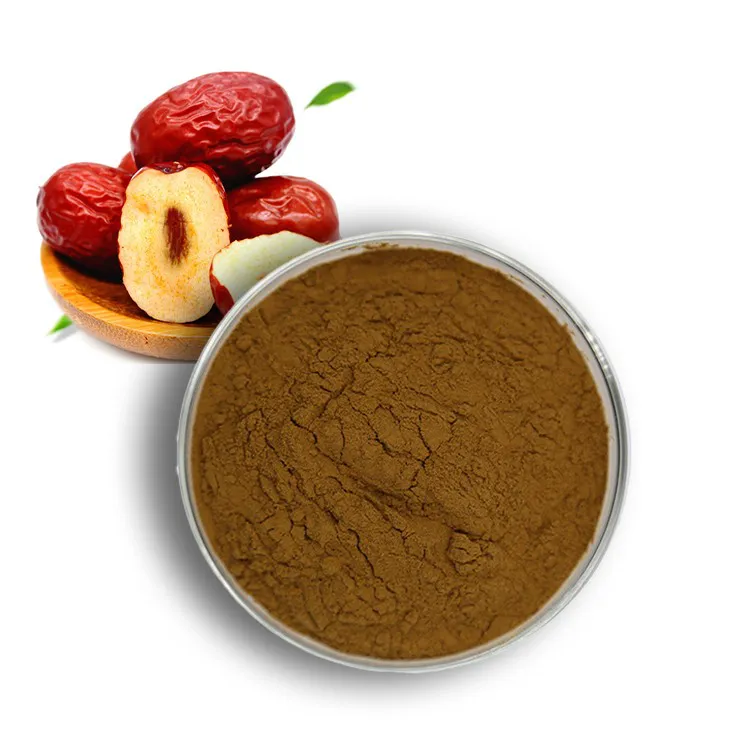
Quality standards for food - grade Jujube Extracts are mainly focused on edibility. The taste, aroma, and color of the extract are important factors. The extract should have a pleasant taste and aroma that is characteristic of jujubes, without any off - flavors or odors. The color should also be consistent with the natural color of jujubes, which is usually a reddish - brown.
Another important aspect of quality control for food - grade Jujube Extracts is the nutritional content. Since these extracts may be used as food ingredients, they should retain their nutritional value. For example, jujubes are a good source of vitamins (such as Vitamin C), minerals (such as potassium), and dietary fiber. The extraction process should be designed in such a way that these nutrients are not significantly lost.

3.2 Cosmetic - grade Jujube Extracts
Cosmetic - grade Jujube Extracts have different quality standards. Their efficacy in improving skin or hair conditions is a key factor. For example, they may be tested for their ability to hydrate the skin, reduce the appearance of fine lines and wrinkles, or improve hair strength and shine.
The stability of cosmetic - grade Jujube Extracts is also important. Cosmetics have a relatively long shelf - life, and the active ingredients in the extracts should remain stable during this period. This requires proper formulation and packaging to protect the extracts from factors such as light, heat, and air.
4. Raw Material Sourcing and Selection
4.1 Food - grade Jujube Extracts
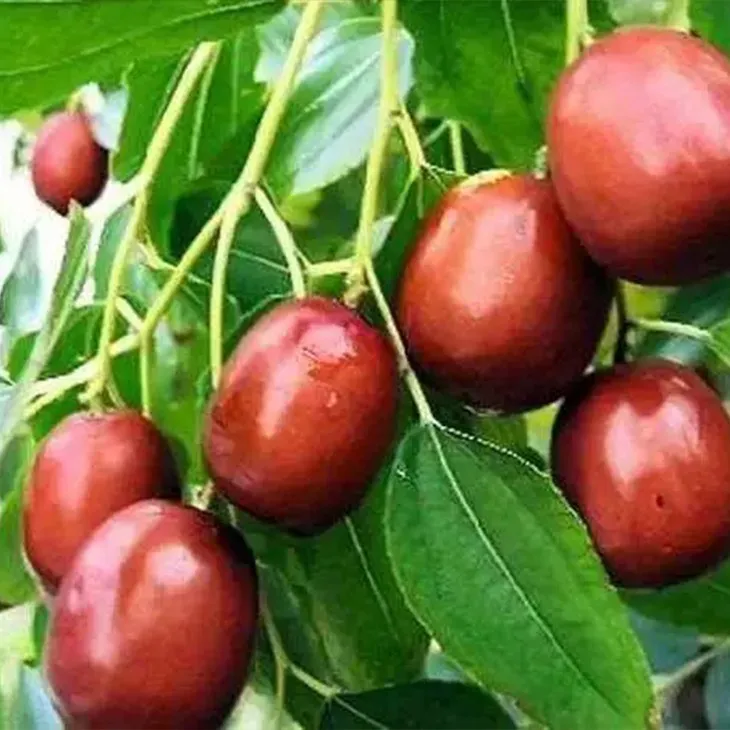
When it comes to food - grade Jujube Extracts, the sourcing of raw materials may be more focused on factors related to taste and purity. Organically - grown jujubes are often preferred for food - grade extracts. Organic jujubes are grown without the use of synthetic pesticides and fertilizers, which can result in a purer taste. Additionally, the variety of jujube may be selected based on its taste characteristics. For example, some jujube varieties are sweeter, while others have a more tart flavor.
The ripeness of the jujubes at the time of harvest also affects the quality of the food - grade extract. Ripe jujubes generally have a more developed flavor and higher sugar content, which can contribute to a better - tasting extract.
4.2 Cosmetic - grade Jujube Extracts
For cosmetic - grade Jujube Extracts, the selection of raw materials is more concerned with the content of active compounds. Different jujube varieties may contain different levels of active ingredients such as flavonoids, saponins, and polysaccharides. These active compounds are believed to have various benefits for the skin and hair. For example, flavonoids are known for their antioxidant properties, which can help protect the skin from free radical damage.
The geographical origin of the jujubes can also play a role in the quality of cosmetic - grade extracts. Jujubes grown in certain regions may have a higher content of specific active compounds due to differences in soil, climate, and cultivation methods.
5. Extraction Processes
5.1 Food - grade Jujube Extracts
The extraction process for food - grade Jujube Extracts is designed to preserve the nutritional and flavor components. Solvent extraction is a commonly used method. Water is often the preferred solvent as it is safe for food applications. The extraction process may involve soaking the jujubes in water at a specific temperature and for a certain period of time to extract the soluble components such as sugars, vitamins, and minerals.
After extraction, the extract may be further processed to remove any impurities or unwanted substances. Filtration and concentration are common steps in the production of food - grade Jujube Extracts. The final product should have a consistent quality in terms of taste, aroma, and nutritional content.
5.2 Cosmetic - grade Jujube Extracts
Cosmetic - grade Jujube Extracts may use different extraction methods depending on the desired active compounds. For example, if the goal is to extract flavonoids, a more targeted extraction method such as supercritical fluid extraction may be used. This method can be more effective in isolating specific active compounds while minimizing the extraction of unwanted substances.
Another factor in the extraction of cosmetic - grade Jujube Extracts is the compatibility with the final cosmetic formulation. The extract should be able to blend well with other ingredients in the cosmetic product, such as oils, emulsifiers, and preservatives.
6. Product Applications
6.1 Food - grade Jujube Extracts
Food - grade Jujube Extracts are used in a variety of food products. They can be added to beverages such as juices, teas, and energy drinks to enhance the flavor and provide some nutritional value. In the baking industry, Jujube Extracts can be used in cakes, cookies, and breads to add a unique flavor. They can also be used in confectionery products like candies and jellies.
Some food - grade Jujube Extracts are also used in traditional medicine - inspired food products. For example, in some Asian cultures, jujube is considered to have certain health - promoting properties, and the extract can be incorporated into health - foods or dietary supplements.
6.2 Cosmetic - grade Jujube Extracts
Cosmetic - grade Jujube Extracts are mainly used in skin care and hair care products. In skin care, they can be found in moisturizers, serums, masks, and anti - aging creams. The antioxidant and hydrating properties of Jujube Extracts are beneficial for maintaining healthy skin. In hair care, Jujube Extracts can be used in shampoos, conditioners, and hair masks to improve hair quality, such as increasing hair strength and shine.
7. Pricing and Market Considerations
7.1 Food - grade Jujube Extracts
The pricing of food - grade Jujube Extracts is influenced by factors such as the cost of raw materials, extraction processes, and market demand. Since food - grade extracts are often used in mass - produced food products, the price needs to be competitive. The cost of organically - grown jujubes, which are preferred for food - grade extracts, can be relatively high. However, large - scale production can help to reduce the cost per unit.
The market for food - grade Jujube Extracts is mainly driven by the food and beverage industry. The demand for natural and healthy food ingredients has been increasing in recent years, which has also contributed to the growth of the market for food - grade Jujube Extracts.
7.2 Cosmetic - grade Jujube Extracts
Cosmetic - grade Jujube Extracts are generally priced higher than food - grade extracts. This is due to the more complex extraction processes and the higher quality requirements for active compounds. The cosmetic industry is willing to pay a premium for ingredients that can offer unique benefits for skin and hair. The market for cosmetic - grade Jujube Extracts is growing as consumers are increasingly interested in natural and botanical ingredients in their beauty products.
8. Conclusion
In conclusion, food - grade and cosmetic - grade Jujube Extracts have significant differences in various aspects. These differences are a result of their different end - uses, safety requirements, quality standards, and market considerations. Understanding these differences is essential for the proper development, production, and use of Jujube Extracts in both the food and cosmetic industries.
FAQ:
1. What are the main safety requirements for food - grade Jujube Extracts?
For food - grade Jujube Extracts, the main safety requirements are centered around edibility. There is strict control over contaminants and heavy metals to meet food safety regulations, ensuring that it is safe for ingestion.
2. How is the skin compatibility of cosmetic - grade Jujube Extracts determined?
The skin compatibility of cosmetic - grade Jujube Extracts is often determined through various tests. These tests may involve applying the extract to the skin in a controlled environment and observing for any adverse reactions such as irritation, redness, or allergic responses.
3. Can food - grade Jujube Extracts be used in cosmetics?
While food - grade Jujube Extracts are generally safe, they are not typically used in cosmetics. Cosmetic - grade extracts are formulated with different considerations such as skin - specific efficacy and are often more suitable for cosmetic applications.
4. Are there different extraction methods for food - grade and cosmetic - grade Jujube Extracts?
Yes, there may be different extraction methods. Food - grade extracts may focus on methods that preserve the purity of taste and meet food - safety requirements. Cosmetic - grade extracts may be more concerned with extracting specific active compounds that are beneficial for skin or hair, which could lead to different extraction procedures.
5. What role does the variety of jujube play in food - grade and cosmetic - grade extracts?
For food - grade extracts, the variety may be chosen for a pure taste, especially if organically - grown. In cosmetic - grade extracts, the variety is considered for the levels of certain active compounds. Different varieties may have different concentrations of compounds that are beneficial for improving skin texture, reducing wrinkles, or enhancing hair quality.
Related literature
- Comparative Analysis of Food - grade and Cosmetic - grade Botanical Extracts"
- "Safety and Efficacy of Jujube Extracts in Different Grades"
- "The Role of Jujube Varieties in Extract Production for Food and Cosmetics"


-

Longan Extract
2024-12-18
-

White Willow Bark Extract
2024-12-18
-

Bilberry Extract
2024-12-18
-

Garcinia Cambogia Extract
2024-12-18
-

Dandelion Root Extract
2024-12-18
-

Shikonin
2024-12-18
-

Red Yeast Rice
2024-12-18
-

Avocado Extract Powder
2024-12-18
-

Artichoke Leaf Extract
2024-12-18
-

Buckthorn bark extract
2024-12-18