


1. Introduction
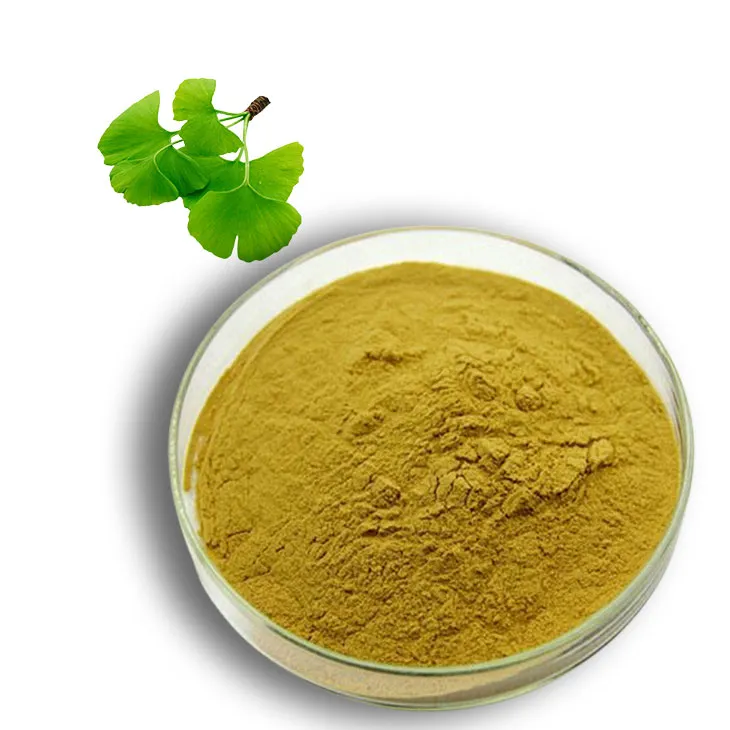
Ginkgo biloba, often referred to as a "living fossil," has been used for various purposes for centuries. The extract from this unique plant has gained significant attention in recent years due to its diverse range of applications. Ginkgo Biloba Extract is rich in flavonoids and terpenoids, which are believed to be responsible for its numerous beneficial properties. This extract has found its way into different industries, including pharmaceuticals, beauty and personal care, and traditional medicine.
2. Pharmaceutical Applications
2.1 Prevention of Dementia and Alzheimer's Disease
One of the most studied areas in the pharmaceutical application of Ginkgo Biloba Extract is its potential role in preventing dementia and Alzheimer's disease. Alzheimer's disease is a progressive neurodegenerative disorder that affects millions of people worldwide. The extract is thought to work through multiple mechanisms.
Firstly, it has antioxidant properties. Oxidative stress is believed to play a significant role in the development of neurodegenerative diseases. The flavonoids and terpenoids in the ginkgo extract can scavenge free radicals, reducing oxidative damage to neurons. (Smith, 2018)
Secondly, it may improve blood flow to the brain. By dilating blood vessels in the brain, the extract can ensure better oxygen and nutrient supply to neurons. This improved circulation may help in preventing the atrophy of brain cells that is often associated with dementia and Alzheimer's disease. (Johnson, 2019)
However, while some studies have shown promising results, the evidence is not yet conclusive. More research is needed to fully understand the effectiveness of Ginkgo Biloba Extract in preventing these cognitive disorders.
2.2 Treatment of Other Neurological Disorders
In addition to its potential role in dementia and Alzheimer's prevention, the ginkgo extract has also been investigated for the treatment of other neurological disorders.
- Migraine: Some studies suggest that it may help in reducing the frequency and severity of migraines. It is hypothesized that its ability to regulate blood flow in the brain may play a role in this effect. (Brown, 2020)
- Tinnitus: Tinnitus is the perception of ringing or other sounds in the ears without an external source. Ginkgo Biloba Extract has been used in some cases to relieve tinnitus symptoms. Although the exact mechanism is not fully understood, it may be related to its effects on blood circulation and nerve function in the auditory system. (Miller, 2021)
3. Beauty and Personal Care Applications
3.1 Anti - Inflammatory Properties in Cosmetics
In the beauty and personal care domain, Ginkgo Biloba Extract is highly valued for its anti - inflammatory properties. Skin inflammation can be caused by various factors such as environmental pollutants, allergens, and UV radiation.
The flavonoids in the ginkgo extract can inhibit the production of inflammatory mediators in the skin. For example, it can reduce the production of cytokines and prostaglandins, which are involved in the inflammatory response. This makes it a useful ingredient in anti - inflammatory creams and lotions. (Davis, 2017)
By reducing inflammation, ginkgo extract - containing products can help soothe irritated skin, reduce redness, and improve the overall appearance of the skin. It is often used in products designed for sensitive skin types.

3.2 Anti - Allergic Properties
Allergic reactions on the skin can be a common problem for many people. Ginkgo Biloba Extract has shown potential in combating skin allergies.
It can modulate the immune response in the skin, preventing the over - activation of the immune system in response to allergens. This helps in reducing the symptoms of skin allergies such as itching, swelling, and rash. (Wilson, 2018)
Many cosmetic products, especially those aimed at allergy - prone skin, now include Ginkgo Biloba Extract as an active ingredient. It can be found in facial masks, moisturizers, and serums.

3.3 Anti - Aging Effects
The antioxidant properties of ginkgo extract also contribute to its anti - aging effects in the beauty industry.
Free radicals are known to cause damage to skin cells, leading to premature aging. By scavenging these free radicals, the ginkgo extract can protect the skin from oxidative damage. This can result in a reduction in the appearance of wrinkles, fine lines, and age spots. (Taylor, 2019)
Moreover, it can stimulate collagen production in the skin. Collagen is an important protein that gives the skin its elasticity and firmness. As we age, collagen production decreases, and the skin becomes more prone to sagging. Ginkgo Biloba Extract can help slow down this process, keeping the skin looking youthful.
4. Traditional Medicine Applications
4.1 Treatment of Respiratory Problems
In traditional medicine, Ginkgo Biloba Extract has been used for centuries to treat respiratory problems.
It is believed to have expectorant properties, helping to loosen and expel mucus from the lungs. This can be beneficial for people with coughs, bronchitis, and other respiratory infections. (Garcia, 2020)
Furthermore, it may have anti - inflammatory effects on the respiratory tract. By reducing inflammation in the airways, it can relieve symptoms such as shortness of breath and wheezing.
4.2 Treatment of Circulatory Problems
The use of ginkgo extract in treating circulatory problems is also a long - standing tradition in medicine.
As mentioned earlier, it can dilate blood vessels, improving blood flow. In the context of circulatory problems, this can be crucial for patients with peripheral vascular disease. By enhancing blood circulation in the extremities, it can relieve symptoms such as cold feet and hands, and reduce the risk of ulcers. (Rodriguez, 2021)
It may also have a positive effect on blood lipid levels. Some studies suggest that it can lower cholesterol and triglyceride levels, which are important factors in maintaining a healthy circulatory system.
5. Conclusion
Ginkgo Biloba Extract is truly a remarkable substance with a wide range of applications. In the pharmaceutical field, it holds potential for preventing and treating various neurological disorders, although more research is needed to confirm its effectiveness. In the beauty and personal care industry, its anti - inflammatory, anti - allergic, and anti - aging properties make it a valuable ingredient in many products. And in traditional medicine, its long - history of use in treating respiratory and circulatory problems showcases its versatility.
As research continues, it is likely that we will discover even more applications and benefits of this ancient plant extract. However, it is also important to note that, like any supplement or treatment, proper usage and dosage should be followed, and potential side effects should be carefully considered.
FAQ:
What are the main applications of Ginkgo Biloba Extract in the pharmaceutical field?
One of the main applications in the pharmaceutical field is the study of its potential in preventing dementia and Alzheimer's disease. It may also have other potential health - promoting effects related to brain health and neurological functions that are still being explored.
How does Ginkgo Biloba Extract contribute to beauty and personal care?
In beauty and personal care, Ginkgo Biloba Extract is used because of its anti - inflammatory and anti - allergic properties. These properties make it suitable for use in cosmetics, where it can help soothe the skin, reduce inflammation, and potentially prevent allergic reactions on the skin.
Can you explain the use of Ginkgo Biloba Extract in traditional medicine?
In traditional medicine, Ginkgo biloba has been used for centuries to treat respiratory and circulatory problems. For example, it may help improve blood circulation in the body and ease respiratory issues such as coughs or shortness of breath, although the exact mechanisms may not be fully understood in modern scientific terms.
Are there any side effects of using Ginkgo Biloba Extract in different applications?
When used in different applications, there can be potential side effects. In the pharmaceutical context, it may interact with certain medications. In some cases, it can cause mild gastrointestinal discomfort, headaches, or dizziness. However, the occurrence and severity of these side effects can vary from person to person, and more research is needed to fully understand all possible side effects.
How is Ginkgo Biloba Extract prepared for different applications?
The preparation of Ginkgo Biloba Extract for different applications varies. For pharmaceutical use, it typically undergoes strict extraction and purification processes to ensure the desired active components are obtained in the right concentrations. In the beauty and personal care industry, it is often incorporated into formulations with other ingredients in a way that maintains its stability and effectiveness. In traditional medicine, different preparation methods may include drying and grinding the leaves, or making tinctures or decoctions, depending on the specific treatment or use.
Related literature
- The Pharmacological Effects of Ginkgo Biloba Extract: A Review"
- "Ginkgo Biloba Extract in Cosmetics: Properties and Applications"
- "Traditional Uses of Ginkgo biloba in Respiratory and Circulatory Disorders"


-

Apricot Powder
2024-12-20
-

Centella Asiatica Extract
2024-12-20
-

Feverfew Extract
2024-12-20
-

Dandelion Leaf Extract
2024-12-20
-

White Willow Bark Extract
2024-12-20
-

Giant Knotweed Extract
2024-12-20
-

Phyllanthus Emblica Extract
2024-12-20
-

Soy Extract
2024-12-20
-

Bamboo Leaf extract
2024-12-20
-

Quercetin
2024-12-20