


1. Introduction
Mulberry leaf Extract has gained significant popularity in various industries, including the food, beverage, pharmaceutical, and cosmetic sectors. It is rich in nutrients such as flavonoids, alkaloids, and polysaccharides, which contribute to its antioxidant, anti - diabetic, and anti - inflammatory properties. However, finding an economic yet reliable source of Mulberry leaf Extract or its suppliers can be a challenging task. This article aims to provide a comprehensive guide on how to identify such products or providers.
2. Understanding Mulberry leaf Extract
2.1 Chemical Composition
The Mulberry leaf Extract contains a variety of bioactive compounds. Flavonoids, for example, are one of the major components. These include Rutin, Quercetin, and kaempferol, which play important roles in antioxidant activities. Alkaloids such as 1 - deoxynojirimycin (DNJ) are also present, and DNJ has been studied for its potential in managing blood sugar levels. Additionally, polysaccharides contribute to the overall health - promoting properties of the extract.

2.2 Applications
In the food and beverage industry, Mulberry leaf Extract can be used as a natural additive. It can enhance the antioxidant content of products and may also contribute to flavor and color. In pharmaceuticals, its anti - diabetic properties make it a potential ingredient in drugs or dietary supplements for diabetes management. In the cosmetic industry, the antioxidant and anti - inflammatory properties of the extract can be utilized in skincare products to protect the skin from oxidative stress and reduce inflammation.
3. Factors Affecting the Cost and Quality of Mulberry leaf Extract
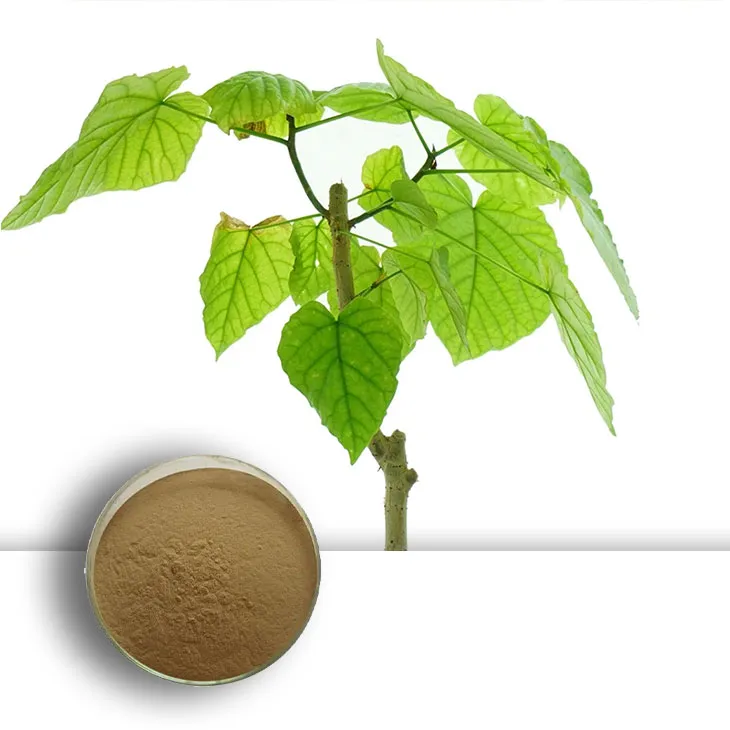
3.1 Extraction Methods
Different extraction methods can have a significant impact on both the cost and quality of Mulberry leaf Extract.
- Solvent extraction: This is a commonly used method. Organic solvents such as ethanol or methanol can be used to extract the bioactive compounds from mulberry leaves. The choice of solvent can affect the cost, as some solvents are more expensive than others. Moreover, the extraction efficiency and selectivity of different solvents vary, which can influence the quality of the extract. For example, ethanol is a relatively safe and cost - effective solvent, but it may not extract all the desired compounds as efficiently as some other solvents.
- Supercritical fluid extraction: This method uses supercritical fluids, such as supercritical carbon dioxide. It has the advantage of being a more environmentally friendly and selective extraction method. However, the equipment required for supercritical fluid extraction is expensive, which can increase the cost of the extract. On the other hand, it can produce a high - quality extract with a high concentration of bioactive compounds.
- Microwave - assisted extraction: This is a relatively new extraction method. It uses microwave energy to accelerate the extraction process. It can be more energy - efficient and faster than traditional extraction methods, which may reduce the cost. However, improper use of microwave energy can lead to the degradation of some bioactive compounds, affecting the quality of the extract.
3.2 Geographical Origin of Mulberry Leaves
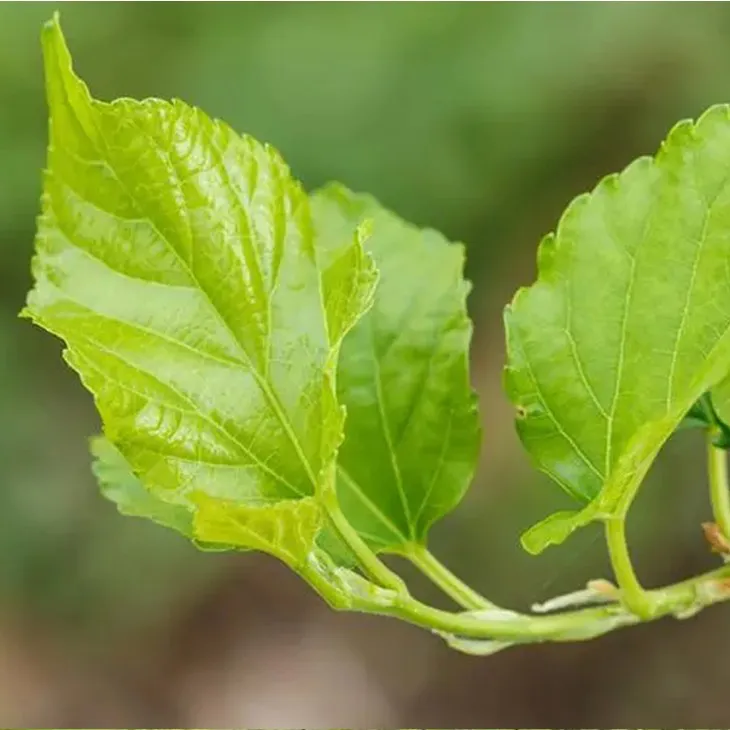
The geographical origin of mulberry leaves can also play a role in determining the price and purity of the extract.
- China: China is one of the largest producers of mulberry leaves. The large - scale production in China can lead to relatively lower prices due to economies of scale. Moreover, different regions in China may produce mulberry leaves with different qualities. For example, in some areas with suitable soil and climate conditions, the mulberry leaves may be rich in bioactive compounds, resulting in a high - quality extract.
- India: India also has a significant production of mulberry leaves. The cost of mulberry leaf production in India may be influenced by factors such as labor costs and agricultural practices. The quality of the leaves can vary depending on the region and cultivation methods.
- Other regions: In addition to China and India, mulberry leaves are also produced in other parts of the world, such as some European countries and the United States. However, the production scale in these regions may be relatively smaller, which can lead to higher prices. On the other hand, strict agricultural and environmental regulations in some of these regions may ensure a high - quality product.
4. Regulatory Compliance of Suppliers
When looking for reliable suppliers of Mulberry leaf Extract, regulatory compliance is a crucial factor.
4.1 Food and Drug Regulations
In the food and beverage industry, suppliers should comply with relevant food safety regulations. For example, in the United States, the Food and Drug Administration (FDA) has regulations regarding the use of food additives, including those from natural sources like Mulberry leaf Extract. Suppliers need to ensure that their products meet these safety and quality standards. In the European Union, the European Food Safety Authority (EFSA) also has strict regulations for food ingredients. Suppliers should be able to provide documentation to prove that their Mulberry leaf Extract is safe for consumption and meets all the necessary quality criteria.
4.2 Pharmaceutical Regulations
For the pharmaceutical use of Mulberry leaf Extract, suppliers must adhere to even more stringent regulations. This includes compliance with Good Manufacturing Practice (GMP) standards. GMP ensures that the production process is controlled and monitored to guarantee the quality, safety, and efficacy of the product. Suppliers should have proper facilities, trained personnel, and quality control systems in place to meet these requirements. In addition, regulatory agencies may require pre - market approval for pharmaceutical products containing Mulberry leaf Extract, depending on the nature and intended use of the product.
4.3 Cosmetic Regulations
In the cosmetic industry, suppliers need to comply with cosmetic regulations. For example, in the EU, the Cosmetics Regulation (EC) No 1223/2009 sets out requirements for the safety assessment, labeling, and notification of cosmetic products. Suppliers of Mulberry leaf Extract for cosmetic use should ensure that their products are safe for use on the skin and meet the relevant labeling requirements. In the United States, the Food and Drug Administration also has regulations regarding cosmetics, although the regulatory approach is different from that in the EU.
5. How to Identify Economical and Reliable Suppliers
5.1 Research and Reputation
Conducting thorough research on potential suppliers is essential. Look for suppliers with a good reputation in the industry. This can be determined by checking online reviews, industry forums, and testimonials from other customers. A supplier with a long - standing presence in the market and positive feedback from customers is more likely to be reliable. Additionally, research the supplier's history, including any past issues or recalls related to their products.
5.2 Quality Certifications
Suppliers should have relevant quality certifications. For example, ISO certifications such as ISO 9001 for quality management systems and ISO 22000 for food safety management systems can indicate that the supplier follows international standards for quality and safety. In the pharmaceutical industry, suppliers may have additional certifications such as GMP compliance certificates. These certifications provide assurance that the supplier is committed to producing high - quality Mulberry leaf Extract.
5.3 Pricing and Cost - Effectiveness
Compare the prices of different suppliers, but do not solely base your decision on price. Consider the cost - effectiveness, which takes into account the quality of the extract as well. A supplier offering a very low price may be cutting corners in terms of quality or regulatory compliance. Look for suppliers who can offer a balance between a reasonable price and high - quality products. Request samples from potential suppliers to evaluate the quality of their Mulberry leaf Extract before making a large - scale purchase.
5.4 Customer Service
Good customer service is also an important indicator of a reliable supplier. Suppliers should be responsive to inquiries, provide accurate information about their products, and be able to offer technical support if needed. A supplier who is difficult to reach or provides inconsistent information may not be a trustworthy partner.
6. Conclusion
Finding an economical and reliable source of Mulberry leaf Extract or its suppliers requires a comprehensive approach. Consideration should be given to factors such as extraction methods, geographical origin of mulberry leaves, and regulatory compliance of suppliers. By thoroughly researching potential suppliers, evaluating their reputation, quality certifications, pricing, and customer service, it is possible to identify suppliers who can provide high - quality Mulberry leaf Extract at a reasonable cost. This will not only ensure the best value for money but also contribute to the success of products in which the Mulberry leaf Extract is used, whether in the food, beverage, pharmaceutical, or cosmetic industries.
FAQ:
What are the common extraction methods of Mulberry leaf Extract?
Common extraction methods of Mulberry leaf Extract include solvent extraction, such as using ethanol or water as solvents. Supercritical fluid extraction is also used in some cases. Solvent extraction is relatively more traditional and cost - effective in some small - scale production. Supercritical fluid extraction can often achieve higher purity but may be more costly in terms of equipment and operation.
How does the geographical origin of mulberry leaves affect the quality and price of the extract?
The geographical origin of mulberry leaves can have a significant impact. In regions with suitable climates and soil conditions, such as some areas in Asia known for their long - standing mulberry cultivation traditions, the leaves may have a higher content of active ingredients. Leaves from such regions may produce higher - quality extracts. Regarding price, if the origin has higher production costs due to factors like labor or land, the price of the extract may also be higher. However, in some cases, large - scale production in certain regions can also lead to economies of scale and relatively lower prices.
What regulatory compliance should Mulberry leaf Extract suppliers meet?
Suppliers should meet food safety and quality regulations. This includes compliance with standards for heavy metal content, pesticide residues, and microbial limits. In many countries, they need to have proper manufacturing licenses and follow Good Manufacturing Practice (GMP) guidelines. Additionally, for export - oriented suppliers, they may need to meet the import regulations of the destination countries, which may include specific labeling requirements and quality certifications.
How can one verify the quality of Mulberry leaf Extract?
One can verify the quality through several methods. Firstly, look at the product's certificates, such as quality certifications from recognized laboratories. Secondly, check the physical characteristics of the extract, like its color, odor, and solubility. Thirdly, chemical analysis can be carried out to determine the content of active ingredients, such as flavonoids and alkaloids. Comparing the results with established standards can help in assessing the quality.
Are there any industry - recognized standards for Mulberry leaf Extract?
Yes, there are some industry - recognized standards. For example, there are standards regarding the content of specific active ingredients, such as the minimum and maximum levels of flavonoids. There are also standards related to the purity of the extract, which limit the amount of impurities like foreign substances, heavy metals, and pesticide residues. These standards are often used as references by manufacturers and buyers to ensure the quality of the product.
Related literature
- Mulberry leaf Extract: Properties, Applications and Health Benefits"
- "The Impact of Extraction Methods on the Quality of Mulberry leaf Extract"
- "Geographical Variation in Mulberry Leaf Composition and its Effect on Extract Quality"
- "Regulatory Requirements for Mulberry leaf Extract Suppliers in the Global Market"


-

Kidney Bean Extract
2024-12-12
-

Grape Leaf Extract
2024-12-12
-

Hawthorn Extract
2024-12-12
-

Antler Extract
2024-12-12
-

Feverfew Extract
2024-12-12
-

Chaste Berry Extract
2024-12-12
-

Propolis Extract Powder
2024-12-12
-

Hericium erinaceus extract powder
2024-12-12
-

Pueraria Lobata Extract
2024-12-12
-

Medicinal Marshmallow Extract
2024-12-12