


Introduction to Astaxanthin
Astaxanthin is a powerful antioxidant that has been gaining significant attention in recent years. It is a carotenoid pigment that occurs naturally in certain marine organisms such as microalgae, salmon, trout, and shrimp. Astaxanthin has a unique chemical structure that gives it remarkable antioxidant properties, which are much stronger than other well - known antioxidants like Vitamin C and vitamin E.
In the market, the demand for Astaxanthin has been on the rise. This is due to the increasing consumer awareness of the health benefits associated with it. Consumers are becoming more health - conscious and are actively seeking products that contain natural and effective ingredients. Astaxanthin offers a wide range of potential health benefits, including antioxidant protection, anti - inflammation, and skin health improvement.
Astaxanthin in the Food and Beverage Industry
Product Innovation
In the food and beverage industry, Astaxanthin can be a key ingredient for product innovation. For example, it can be added to juices, smoothies, and functional drinks. Its vibrant red color can also enhance the visual appeal of food products. A company could create a new line of antioxidant - rich juices with Astaxanthin as a selling point. This would attract health - conscious consumers who are looking for both a delicious and nutritious beverage.
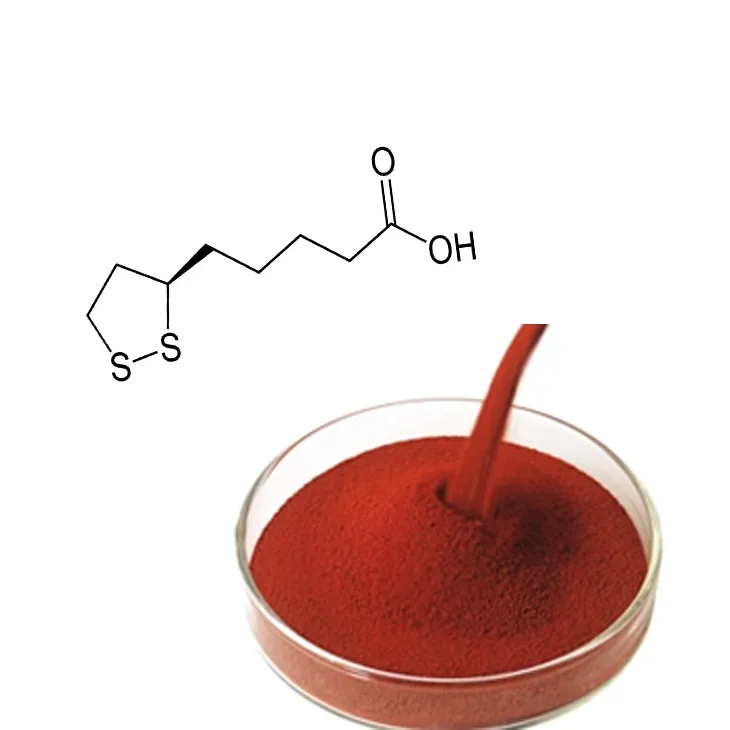
Targeting Health - Conscious Consumers
With the growing trend of healthy eating, Astaxanthin - containing food and beverage products can target specific consumer segments. Health - conscious consumers are often willing to pay a premium for products that offer additional health benefits. By incorporating Astaxanthin into products such as yogurts or energy bars, brands can position themselves as providers of high - quality, health - enhancing products. This can help improve brand loyalty among these consumers.

Meeting the Demand for Natural Ingredients
Consumers are increasingly demanding natural ingredients in their food and beverages. Astaxanthin, being a natural compound, fits well into this trend. Brands that use Astaxanthin in their products can market them as "clean label" products. This can give them an edge over competitors who use synthetic additives. For instance, a brand of natural ice cream could add Astaxanthin for both its health benefits and natural color, appealing to consumers who prefer natural and minimally processed foods.Astaxanthin in the Nutraceutical Sector

Enhanced Product Efficacy
In the nutraceutical sector, Astaxanthin can significantly enhance the efficacy of products. It can be used in dietary supplements aimed at promoting joint health, reducing oxidative stress, or improving cardiovascular health. For example, a supplement company could develop a product specifically formulated with Astaxanthin for people with joint problems. The antioxidant and anti - inflammatory properties of Astaxanthin would make it an ideal ingredient for such a product, potentially providing relief to consumers and enhancing the brand's reputation for effective products.
Differentiating from Competitors
The use of Astaxanthin can also help nutraceutical brands differentiate themselves from competitors. With so many dietary supplement brands in the market, having a unique ingredient like Astaxanthin can make a product stand out. A brand could market its Astaxanthin - based supplement as a cutting - edge solution for various health issues. This can attract consumers who are looking for something different and more effective than the common supplements available.
Building Trust with Consumers
As more research is being conducted on Astaxanthin and its health benefits, using it in nutraceutical products can build trust with consumers. Brands that can back up their product claims with scientific evidence related to Astaxanthin are more likely to be trusted by consumers. For example, a brand could cite clinical studies on Astaxanthin's effectiveness in improving skin elasticity when marketing a skin - health supplement containing Astaxanthin. This would make consumers more confident in the product and the brand.Leveraging Astaxanthin for Brand Building
Improving Product Features
One of the main ways to enhance a brand using Astaxanthin is by improving product features. As mentioned earlier, in the food and beverage industry, it can enhance the color and nutritional value of products. In nutraceuticals, it can improve the effectiveness of supplements. By focusing on these enhanced product features, brands can attract more customers. For example, a brand of skin - care products could add Astaxanthin to its creams and lotions, highlighting the antioxidant properties that can protect the skin from damage and premature aging. This would make the product more appealing to consumers who are concerned about skin health.
Enhancing Consumer Appeal
Astaxanthin also has the potential to enhance consumer appeal. Its association with health and beauty makes it an attractive ingredient for consumers. Brands can use this to their advantage by creating marketing campaigns that emphasize the benefits of Astaxanthin. For instance, a beauty brand could run a campaign promoting its Astaxanthin - containing products as a natural way to achieve a youthful and radiant complexion. This would appeal to consumers who are interested in natural beauty solutions.
Targeting Specific Consumer Segments
Different consumer segments have different needs and preferences. Astaxanthin can be used to target specific segments. For example, athletes may be interested in products containing Astaxanthin for its potential to reduce muscle fatigue and improve recovery. Brands can develop sports - nutrition products with Astaxanthin and target the athletic community. Similarly, older consumers may be interested in Astaxanthin - based products for joint health and anti - aging benefits. By understanding these consumer segments and using Astaxanthin to meet their specific needs, brands can expand their customer base.Conclusion
In conclusion, Astaxanthin offers great potential for brand enhancement in various industries. Whether in the food and beverage or nutraceutical sectors, it can play a crucial role in product innovation, targeting specific consumer segments, improving product features, and enhancing consumer appeal. Brands that recognize the value of Astaxanthin and effectively incorporate it into their products can gain a competitive edge in the market, ultimately achieving higher brand value. As the market for natural and health - enhancing products continues to grow, Astaxanthin is likely to become an even more important ingredient for brand building.
FAQ:
What is Astaxanthin?
Astaxanthin is a powerful antioxidant. It is a carotenoid pigment that occurs naturally in certain algae and other organisms. It has various beneficial properties which are becoming increasingly recognized in the market.
Why is Astaxanthin important in the market?
The importance of Astaxanthin in the market is growing due to its numerous health - promoting properties. It can offer antioxidant, anti - inflammatory, and other beneficial effects. This makes it attractive for use in products in different industries.
How can Astaxanthin help in the food and beverage industry for brand building?
In the food and beverage industry, Astaxanthin can be used to enhance the nutritional profile of products. It can also add a unique color to food items. These features can attract health - conscious consumers and help in differentiating a brand's products from competitors, thereby contributing to brand building.
What role does Astaxanthin play in the nutraceutical sector for brand enhancement?
In the nutraceutical sector, Astaxanthin is a valuable ingredient. Given its health - related benefits, it can be a key selling point for nutraceutical products. Brands can use it to target consumers who are looking for supplements with antioxidant and anti - inflammatory properties, thus enhancing the brand's reputation and value.
How can brands target specific consumer segments using Astaxanthin?
Brands can target specific consumer segments using Astaxanthin by highlighting its particular benefits relevant to those segments. For example, for fitness - oriented consumers, they can emphasize Astaxanthin's role in reducing muscle fatigue. For beauty - conscious consumers, they can promote its skin - health benefits. This way, they can appeal to different groups of consumers.
Related literature
- The Role of Astaxanthin in Health and Disease Prevention"
- "Astaxanthin: A Promising Ingredient for Functional Foods"
- "Astaxanthin in Brand - Driven Nutraceutical Product Development"


-
Astaxanthin
2025-01-10
-

Centella Asiatica Extract
2025-01-10
-

Cat Claw Extract
2025-01-10
-

Ginseng Root Extract
2025-01-10
-

Maitake Mushroom Extract
2025-01-10
-

Oat Straw Extract Powder
2025-01-10
-

Bitter Melon Extract
2025-01-10
-

Cranberry Extract
2025-01-10
-

Honeysuckle Pollen
2025-01-10
-

Red Date Extract
2025-01-10