


Introduction
As we look towards the future, experts in the field of natural compounds are making an exciting prediction: that 11 Curcuminoids will dominate in 2025. Curcuminoids, which are the active components in turmeric, have been the subject of extensive research in recent years. Their potential applications span across various industries, from healthcare to cosmetics and food. This article will explore the various aspects of these 11 Curcuminoids, including their applications, health benefits, and the market trends that are leading to this prediction of their dominance in 2025.
What are Curcuminoids?
Curcuminoids are a group of natural phenolic compounds. The most well - known Curcuminoid is Curcumin itself, which gives turmeric its characteristic yellow color. There are a total of 11 Curcuminoids that are currently under the spotlight for their potential. These compounds are chemically related and share some common properties.
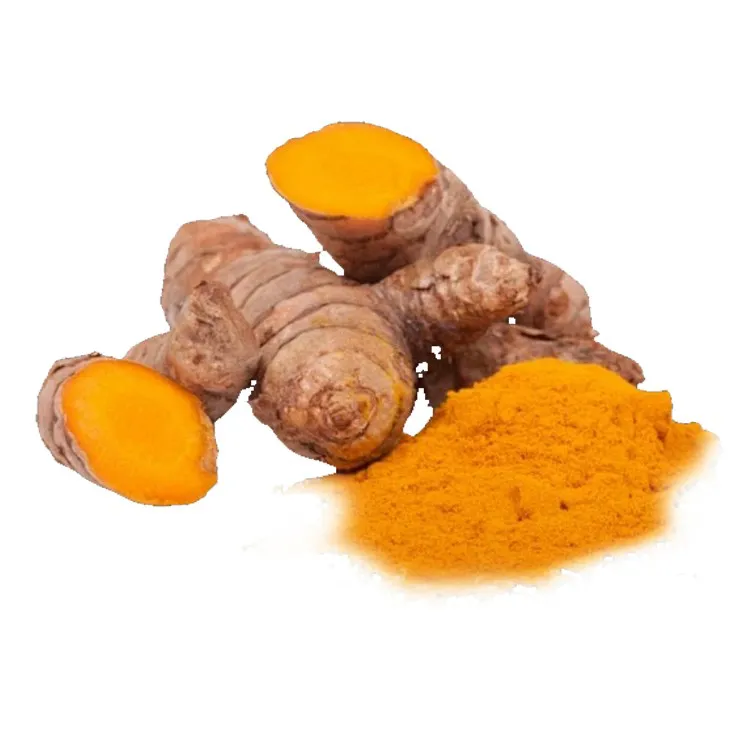
They are extracted from the rhizomes of the turmeric plant (Curcuma longa). Turmeric has been used in traditional medicine for centuries, particularly in Ayurvedic and Chinese medicine. The traditional uses of turmeric, such as for anti - inflammatory and digestive purposes, are now being explored scientifically, and much of the credit goes to the Curcuminoids present in it.
Health Benefits of Curcuminoids
1. Anti - Inflammatory Properties
One of the most significant health benefits of Curcuminoids is their anti - inflammatory effect. Inflammation is at the root of many chronic diseases, such as arthritis, heart disease, and certain cancers. Curcuminoids can inhibit the production of inflammatory mediators in the body, such as cytokines and prostaglandins. This helps to reduce inflammation at the cellular level, potentially providing relief for those suffering from inflammatory conditions.
Several studies have shown that Curcumin, in particular, can be as effective as some non - steroidal anti - inflammatory drugs (NSAIDs) in reducing inflammation, but with fewer side effects. For example, in patients with rheumatoid arthritis, Curcumin supplementation has been shown to improve joint pain and swelling.

2. Antioxidant Activity
Curcuminoids also possess strong antioxidant properties. Antioxidants are important for neutralizing free radicals in the body, which are unstable molecules that can cause damage to cells and DNA. By scavenging free radicals, Curcuminoids can help protect the body from oxidative stress, which is associated with aging, neurodegenerative diseases, and cancer.
Research has demonstrated that Curcuminoids can increase the activity of antioxidant enzymes in the body, such as superoxide dismutase (SOD) and glutathione peroxidase. This enhanced antioxidant defense system can contribute to overall health and well - being.

3. Potential Anti - Cancer Effects
There is growing evidence suggesting that Curcuminoids may have anti - cancer properties. They can interfere with various stages of cancer development, including cell proliferation, angiogenesis (the formation of new blood vessels that supply tumors), and metastasis (the spread of cancer cells to other parts of the body).
For instance, in vitro and in vivo studies have shown that Curcuminoids can induce apoptosis (programmed cell death) in cancer cells, while leaving normal cells unharmed. They can also inhibit the growth of cancer cells by blocking specific signaling pathways that are involved in cancer progression. However, more research is needed to fully understand the potential of Curcuminoids as cancer - fighting agents and to develop effective cancer therapies based on these compounds.

4. Digestive Health Benefits
Curcuminoids have been traditionally used to support digestive health. They can stimulate the production of bile, which is important for the digestion and absorption of fats. Additionally, Curcuminoids have antimicrobial properties that can help protect the gut from harmful bacteria and parasites.
Studies have also shown that Curcuminoids can improve gut barrier function, which is crucial for preventing the leakage of toxins and bacteria from the gut into the bloodstream. This can have a positive impact on overall health, as a healthy gut is associated with a strong immune system and reduced risk of various diseases.
Applications of Curcuminoids
1. Healthcare and Nutraceuticals
Given their numerous health benefits, Curcuminoids are increasingly being used in the healthcare and nutraceutical industries. They are available in various forms, such as capsules, tablets, and powders, as dietary supplements. These supplements are often promoted for their anti - inflammatory, antioxidant, and digestive health benefits.
In addition to supplements, Curcuminoids are also being studied for their potential use in the treatment of various diseases. For example, clinical trials are underway to investigate the use of Curcuminoids in the treatment of Alzheimer's disease, diabetes, and inflammatory bowel disease. If successful, these compounds could become important components of future medical therapies.

2. Cosmetics
Curcuminoids are finding their way into the cosmetics industry as well. Their antioxidant properties make them ideal ingredients for anti - aging products. They can help reduce the appearance of wrinkles and fine lines by protecting the skin from free radical damage.
Moreover, Curcuminoids have anti - inflammatory properties that can soothe irritated skin and reduce redness. They are being incorporated into creams, lotions, and serums for various skin types, including sensitive skin.
3. Food and Beverage
In the food and beverage industry, Curcuminoids are used as natural colorants. They provide the characteristic yellow color to products such as mustard, curry powders, and some cheeses. In addition to their coloring properties, Curcuminoids can also add a unique flavor to foods.
There is also a growing trend towards using Curcuminoids in functional foods and beverages. These are products that are fortified with additional health - promoting ingredients, such as Curcuminoids, to provide specific health benefits. For example, some juices and smoothies are now being marketed with added Curcuminoids for their antioxidant and anti - inflammatory properties.
Market Trends for Curcuminoids
1. Increasing Consumer Awareness
Consumers are becoming more aware of the health benefits of natural products, and Curcuminoids are no exception. With the growing popularity of alternative medicine and the demand for natural remedies, more people are turning to Curcuminoid - based products. This increased consumer awareness is driving the growth of the Curcuminoid market.
Online platforms and social media have also played a significant role in spreading information about Curcuminoids. Health blogs, influencers, and consumer reviews have made it easier for people to learn about the potential benefits of these compounds and make informed purchasing decisions.
2. Research and Development
The scientific community's continued research on Curcuminoids is another factor contributing to their predicted dominance in 2025. As more studies are conducted, new applications and health benefits of Curcuminoids are being discovered. This, in turn, is attracting more investment in research and development from both academic institutions and the private sector.
Companies are investing in developing new and improved formulations of Curcuminoid - based products to enhance their bioavailability and effectiveness. For example, some companies are using nanotechnology to create nanoparticles of Curcuminoids, which can be more easily absorbed by the body.
3. Regulatory Support
In many countries, regulatory agencies are recognizing the potential of Curcuminoids as safe and effective natural products. This regulatory support is facilitating the growth of the Curcuminoid market by providing a framework for product development and marketing.
For example, in the United States, Curcuminoids are generally recognized as safe (GRAS) for use in food products. In Europe, they are also considered safe for human consumption, subject to certain regulations. This regulatory environment is encouraging more companies to enter the Curcuminoid market and develop innovative products.
Challenges and Limitations
1. Bioavailability
One of the main challenges associated with Curcuminoids is their low bioavailability. Bioavailability refers to the proportion of a drug or compound that is absorbed into the bloodstream and is able to reach its target site in the body. Curcuminoids have poor solubility in water and are rapidly metabolized in the body, which limits their effectiveness.
Researchers are working on ways to improve the bioavailability of Curcuminoids, such as through the use of nanotechnology, as mentioned earlier, or by combining them with other substances that can enhance absorption. However, more research is needed to develop practical and cost - effective solutions.
2. Standardization
There is a lack of standardization in the Curcuminoid market. Different products may contain varying amounts and types of Curcuminoids, which can make it difficult for consumers to compare products and ensure they are getting the desired dose of active compounds.
To address this issue, regulatory bodies and industry associations are working towards developing standardization guidelines for Curcuminoid - based products. This will help to ensure product quality and consistency, and protect consumer interests.
Conclusion
The prediction that 11 Curcuminoids will dominate in 2025 is based on their numerous health benefits, diverse applications, and positive market trends. However, challenges such as low bioavailability and lack of standardization need to be addressed to fully realize their potential. As research continues and new solutions are developed, Curcuminoids are likely to play an increasingly important role in various industries, from healthcare to cosmetics and food. The future looks bright for these natural compounds, and it will be interesting to see how they develop and impact our lives in the coming years.
FAQ:
What are Curcuminoids?
Curcuminoids are a group of natural compounds found in turmeric. They are responsible for the yellow color of turmeric and have been studied for their various potential health benefits, such as anti - inflammatory, antioxidant, and anticancer properties.
Why are these 11 Curcuminoids predicted to dominate in 2025?
There could be several reasons. Their increasing recognition for health benefits, growing research on their applications in different fields like medicine, food, and cosmetics, and potential market trends such as increasing consumer demand for natural products with health - promoting properties might contribute to their predicted dominance in 2025.
What are the main health benefits of these Curcuminoids?
As mentioned, they have anti - inflammatory properties which can help in reducing inflammation - related diseases. They are antioxidants, which means they can protect cells from damage by free radicals. There are also indications that they may have anticancer effects, although more research is needed. Additionally, they may support heart health, brain health, and digestive health.
How are Curcuminoids used in different applications?
In the food industry, they can be used as natural food colorants and flavor enhancers. In the medical field, they are being studied for use in drug development, for example, in the treatment of chronic diseases. In cosmetics, they can be added to skincare products for their antioxidant and anti - inflammatory properties, potentially helping with skin aging and skin diseases.
What are the market trends related to Curcuminoids?
The market trends include a growing demand for natural and plant - based products. Consumers are becoming more aware of the potential health benefits of Curcuminoids, leading to an increase in the sales of turmeric - based supplements and products. Also, there is a trend towards research - based products, so more companies are investing in research on Curcuminoids to develop new products with proven efficacy.
Related literature
TAGS:


-

Black Pepper Extract
2025-01-04
-

Europen Bilberry Extract
2025-01-04
-

Mango flavored powder
2025-01-04
-

Chia Seed Powder
2025-01-04
-

Phellodendron Extract
2025-01-04
-

Yam Extract
2025-01-04
-

Bladder horn extract powder
2025-01-04
-

Tormentil Extract
2025-01-04
-
Curcumin
2025-01-04
-

Oat Straw Extract Powder
2025-01-04