


1. Introduction
The global market for natural ingredients has been expanding steadily in recent years. Consumers are becoming more health - conscious and are increasingly seeking products made from natural sources. In this context, Indonesian Lemon Extract has emerged as a potential player with significant market potential. Indonesia, with its favorable climate and rich agricultural resources, has the capacity to produce high - quality Lemon Extracts that can meet the diverse needs of the global market.
2. Production Capabilities in Indonesia
2.1 Climate and Agricultural Conditions
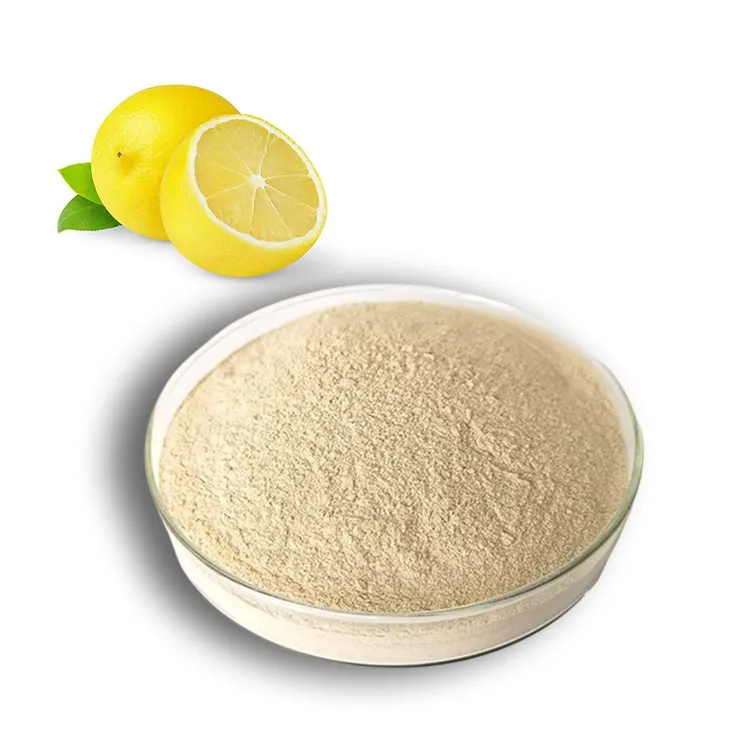
Indonesia's tropical climate provides an ideal environment for lemon cultivation. The warm and humid conditions, along with abundant sunlight, are conducive to the growth of lemon trees. This results in a high yield of lemons, which serves as the raw material for Lemon Extract production. The country also has vast areas of arable land suitable for lemon farming, allowing for large - scale production.
2.2 Farming Practices
Traditional and modern farming practices co - exist in Indonesia. Many farmers follow traditional methods that have been passed down through generations, which often emphasize the use of natural fertilizers and minimal chemical pesticides. At the same time, modern agricultural techniques are also being adopted to improve productivity and quality control. For example, drip irrigation systems are being used to ensure efficient water use, and advanced pest management strategies are being implemented to protect the lemon crops.

2.3 Processing Facilities
There has been a growth in the number of processing facilities in Indonesia dedicated to Lemon Extract production. These facilities are equipped with state - of - the - art machinery for extraction, purification, and packaging. They adhere to international quality standards, ensuring that the final product is of high quality. Some of these facilities also engage in research and development activities to explore new extraction methods and improve the quality and functionality of the Lemon Extract.
3. Chemical Components and Their Value

3.1 Citric Acid
Citric acid is one of the major components of Indonesian Lemon Extract. It is widely used in the food and beverage industry as an acidulant, providing a sour taste to products such as soft drinks, jams, and candies. In addition to its flavor - enhancing properties, citric acid also has preservative qualities, helping to extend the shelf life of food products. Citric acid is also used in the pharmaceutical industry for its antioxidant properties and its role in buffering solutions.

3.2 Flavonoids
Flavonoids present in Indonesian Lemon Extract have numerous health benefits. They are known for their antioxidant, anti - inflammatory, and anti - microbial properties. In the cosmetics industry, flavonoids are used in skincare products for their ability to protect the skin from oxidative stress and promote skin health. In the food industry, they can be used as natural additives to enhance the nutritional value of products.
3.3 Essential Oils
The essential oils in Lemon Extract are highly valued for their aromatic properties. They are used in the perfume and aromatherapy industries. The fresh, citrusy scent of lemon essential oil is popular in perfumes, body sprays, and scented candles. In aromatherapy, lemon essential oil is believed to have mood - enhancing and stress - relieving effects, making it a sought - after ingredient in relaxation products.
4. Meeting the Needs of International Markets
4.1 Food and Beverage Industry
The global food and beverage industry is constantly looking for new and natural flavors. Indonesian Lemon Extract can provide a unique, tropical flavor profile to a wide range of products. For example, it can be used in the production of tropical - themed cocktails, lemon - flavored yogurts, and fruit - based sauces. As consumers are increasingly interested in healthy and natural products, Lemon Extract can also be marketed as a natural flavoring alternative to artificial additives.
4.2 Cosmetics and Skincare Industry
The demand for natural ingredients in the cosmetics and skincare industry is on the rise. Indonesian Lemon Extract, with its rich content of flavonoids and essential oils, can be incorporated into various products such as face creams, body lotions, and lip balms. Its antioxidant and anti - microbial properties make it suitable for products that claim to protect the skin from environmental damage and maintain skin health. Additionally, the pleasant scent of Lemon Extract can enhance the sensory experience of using cosmetics products.
4.3 Pharmaceutical Industry
In the pharmaceutical industry, the potential of Indonesian Lemon Extract lies in its chemical components such as citric acid and flavonoids. Citric acid can be used in the formulation of medications as a buffering agent, while flavonoids may have potential therapeutic applications due to their antioxidant and anti - inflammatory properties. Research is being conducted to explore the use of Lemon Extract in the development of new drugs or as a complementary therapy in the treatment of certain diseases.
5. The Impact of Globalization and Trade Policies
5.1 Globalization
Globalization has had a significant impact on the market potential of Indonesian Lemon Extract. It has increased the connectivity between Indonesia and the rest of the world, making it easier to export Lemon Extract to international markets. Through globalization, Indonesian producers have access to a wider range of customers and can learn about the latest market trends and consumer preferences. Additionally, globalization has facilitated the transfer of technology and knowledge, enabling Indonesian producers to improve their production processes and product quality.
5.2 Trade Policies
Trade policies play a crucial role in determining the success of Indonesian Lemon Extract in the global market. Favorable trade policies, such as free trade agreements, can reduce trade barriers and lower the cost of exporting Lemon Extract. For example, if Indonesia has a free trade agreement with a major importing country, it can enjoy reduced tariffs on its Lemon Extract exports. On the other hand, restrictive trade policies, such as import quotas or high tariffs imposed by other countries, can hinder the entry and growth of Indonesian Lemon Extract in the global market.
6. Challenges and Opportunities
6.1 Challenges
- Competition: The global market for natural extracts is highly competitive, with many countries producing similar Lemon Extracts. Indonesian producers need to differentiate their products through quality, innovation, and branding.
- Quality Control: Maintaining consistent quality of Lemon Extract can be a challenge, especially when dealing with large - scale production. Strict quality control measures need to be implemented at every stage of production.
- Regulatory Compliance: Different countries have different regulatory requirements for food, cosmetics, and pharmaceutical products containing Lemon Extract. Indonesian producers need to ensure that their products meet all relevant regulations.
6.2 Opportunities
- Growing Demand for Natural Products: As mentioned earlier, the increasing demand for natural products in various industries provides a great opportunity for Indonesian Lemon Extract to gain market share.
- Sustainable Production: With the growing emphasis on sustainable development, Indonesian producers can capitalize on their traditional and modern sustainable farming practices to market their Lemon Extract as a sustainable product.
- Research and Development: There is still much room for research and development in the area of Lemon Extract. New applications and improved extraction methods can be explored, which can open up new market opportunities.
7. Conclusion
Indonesian Lemon Extract has significant global market potential. With its favorable production capabilities, valuable chemical components, and the ability to meet the needs of various international markets, it is well - positioned to make an impact in the global market. However, it also faces challenges such as competition, quality control, and regulatory compliance. By leveraging the opportunities presented by globalization, favorable trade policies, and the growing demand for natural products, Indonesian producers can overcome these challenges and unlock the full market potential of their Lemon Extract.
FAQ:
What are the main production areas of Indonesian lemon in Indonesia?
Indonesia has several regions suitable for lemon cultivation. Some of the main production areas may include Java and Sumatra. These regions typically have favorable climatic conditions such as appropriate temperature, sunlight, and rainfall, which are conducive to the growth of lemon trees. The fertile soil in these areas also provides necessary nutrients for the lemons, ensuring a relatively stable supply for the production of Lemon Extracts.
What are the key chemical components in Indonesian Lemon Extract?
Indonesian Lemon Extract contains various important chemical components. Citric acid is one of the main components, which gives the lemon its characteristic sour taste and also has certain antioxidant properties. Additionally, it contains flavonoids, which are known for their antioxidant and anti - inflammatory effects. There are also essential oils in the extract, which contribute to its unique aroma and may have antibacterial properties.
How can Indonesian Lemon Extract meet the needs of the international market?
The international market has an increasing demand for natural and healthy products. Indonesian Lemon Extract, being natural, can be used in the food and beverage industry to add flavor and provide natural preservative effects. In the cosmetic industry, its antioxidant and antibacterial properties can be utilized in skin care products. In the pharmaceutical industry, it may potentially be used in the development of drugs related to anti - inflammation or antioxidant functions, thus meeting the diverse needs of the international market.
What are the impacts of globalization on the export of Indonesian Lemon Extract?
Globalization has both positive and negative impacts on the export of Indonesian Lemon Extract. On the positive side, it has increased the market access opportunities. Through globalization, Indonesian Lemon Extract can reach a wider range of international markets, and international trade channels have become more accessible. However, it also brings intense competition. Producers in Indonesia need to meet international quality and safety standards, which can be a challenge. At the same time, fluctuations in global exchange rates can affect the price competitiveness of Indonesian Lemon Extract in the international market.
How do trade policies affect the growth of Indonesian Lemon Extract in the world market?
Trade policies play a crucial role. Favorable trade policies such as free - trade agreements can reduce trade barriers like tariffs and quotas, facilitating the entry and growth of Indonesian Lemon Extract in the world market. For example, if Indonesia has a free - trade agreement with a major importing country, it can make the product more price - competitive. However, some countries may have strict regulations regarding food safety, environmental protection, and quality standards. If Indonesian producers cannot meet these requirements, it will hinder the growth of Lemon Extract in the international market.
Related literature
- The Potential of Tropical Fruit Extracts in the Global Market"
- "Analysis of Indonesian Agricultural Exports: The Case of Lemon Extract"
- "Chemical Composition and Market Value of Citrus Extracts"


-

Cat Claw Extract
2024-12-06
-

Bilberry Extract
2024-12-06
-

Acerola Juice Powder
2024-12-06
-

Orange Flavor Powder
2024-12-06
-

D-Mannose
2024-12-06
-

Diosmin
2024-12-06
-

Selenium yeast
2024-12-06
-

Centella Asiatica Extract
2024-12-06
-

Black Garlic Extract
2024-12-06
-

L-Tyrosine
2024-12-06