


1. Introduction
In the realm of natural products, Indonesian White mustard seed extract stands as a hidden gem, brimming with global market potential yet to be fully explored. As the world increasingly gravitates towards natural and sustainable ingredients, this extract has the potential to carve out a significant niche in various industries. This article embarks on a comprehensive exploration of this untapped potential, delving into multiple aspects that make it an appealing prospect in the international market.
2. Geographical Advantage of Indonesia in White Mustard Seed Production
2.1. Ideal Climate Conditions
Indonesia's geographical location endows it with a climate that is highly conducive to white mustard seed production. The country experiences a tropical climate, characterized by high humidity and abundant rainfall in many regions. These conditions are optimal for the growth of white mustard plants. The warm temperatures throughout the year ensure a relatively long growing season, allowing the plants to develop fully and produce seeds with high quality characteristics. For instance, the consistent warmth promotes better photosynthesis, which in turn leads to the production of more nutritious seeds rich in essential compounds.
2.2. Rich Soil QualityThe soil in Indonesia is another significant factor contributing to the high - quality white mustard seed production. Many areas in the country possess fertile soil, rich in nutrients such as nitrogen, phosphorus, and potassium. These nutrients are vital for the healthy growth of white mustard plants. The soil's natural fertility reduces the need for excessive artificial fertilization, which not only cuts down on production costs but also results in more environmentally - friendly farming practices. Additionally, the soil's texture and composition in Indonesia are well - suited for white mustard plants, providing good drainage while retaining enough moisture to support root development.
2.3. Traditional Farming KnowledgeIndonesian farmers have a long - standing tradition of farming, which includes the cultivation of white mustard seeds. This traditional farming knowledge has been passed down through generations. Farmers are well - versed in the best practices for sowing, irrigating, and harvesting white mustard seeds. They know the appropriate times to plant based on local weather patterns and have developed techniques to protect the crops from pests and diseases without relying solely on chemical pesticides. This traditional wisdom, combined with modern agricultural techniques, ensures a stable and high - quality supply of white mustard seeds for extraction.
3. Increasing Demand for Natural and Sustainable Ingredients in International Markets
3.1. Consumer Awareness and Preferences
In recent years, consumers around the world have become more conscious about the products they consume. There is a growing awareness of the potential health risks associated with synthetic ingredients and a preference for natural alternatives. Consumers are increasingly reading product labels and seeking out products that contain natural and sustainable ingredients. This shift in consumer behavior has been driven by various factors, including increased access to information through the internet and a general trend towards a more health - conscious lifestyle. For example, in developed countries like the United States and those in Western Europe, consumers are willing to pay a premium for products labeled as "natural" or "organic," and this preference extends to ingredients such as White mustard seed extract.
3.2. Regulatory Support for Natural IngredientsRegulatory bodies in many countries are also showing support for the use of natural and sustainable ingredients. There are stricter regulations on the use of synthetic additives and a push towards promoting natural alternatives. For instance, in the European Union, regulations regarding food additives and supplements are constantly evolving to ensure the safety and quality of products. This regulatory environment encourages manufacturers to explore natural ingredients like Indonesian white mustard seed extract, as it can help them meet the regulatory requirements more easily while also appealing to consumers' preferences for natural products.
3.3. Industry Trends in Nutraceuticals, Herbal Remedies, and Functional Foods
3.3.1. Nutraceuticals
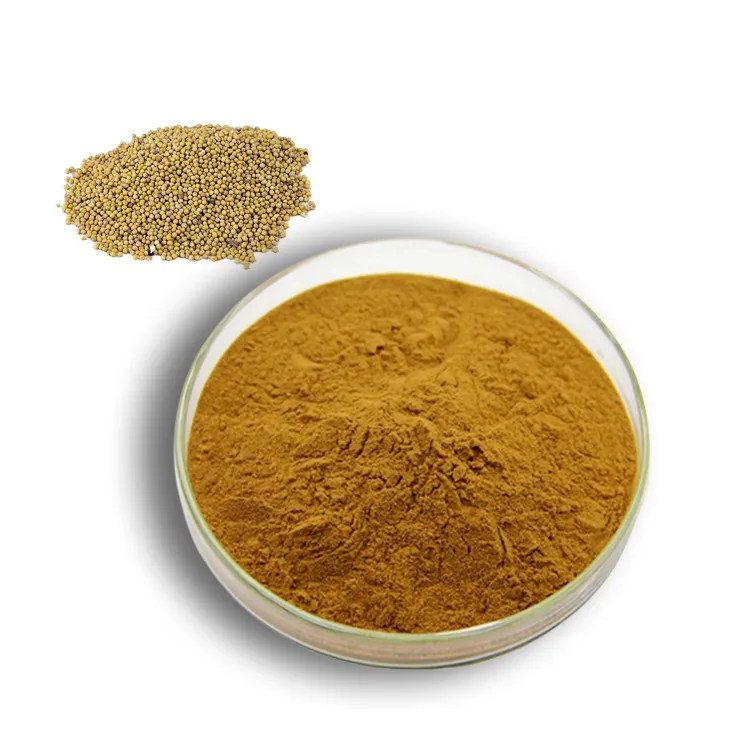
The nutraceutical industry is experiencing rapid growth as consumers look for products that offer health benefits beyond basic nutrition. White mustard seed extract contains various bioactive compounds such as glucosinolates, which have been associated with potential anti - inflammatory, antioxidant, and anti - cancer properties. These properties make it an attractive ingredient for nutraceutical products. Manufacturers are constantly on the lookout for such natural ingredients to develop new supplements that can target specific health concerns, such as joint health or immune system support.
3.3.2. Herbal Remedies
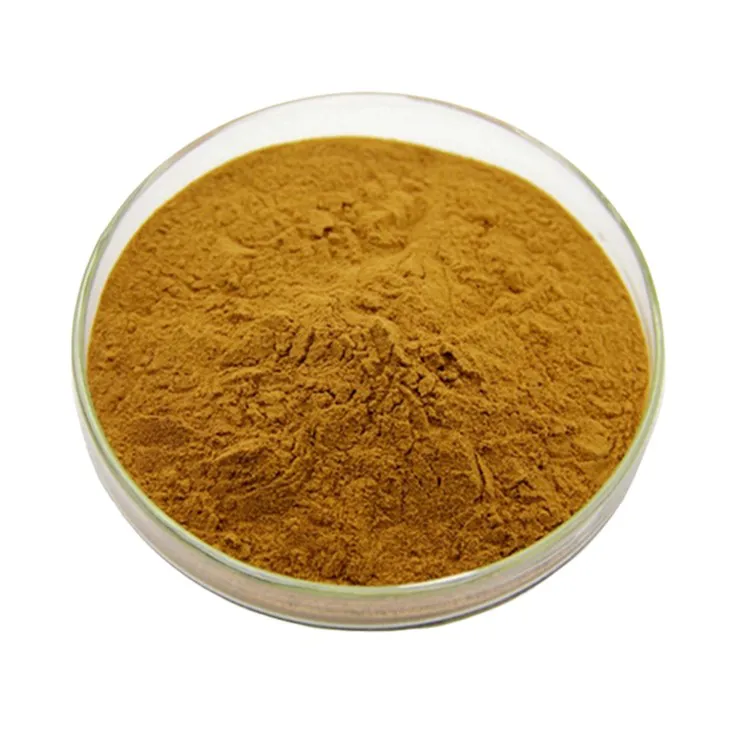
In the field of herbal remedies, White mustard seed extract has a long history of traditional use in some cultures. It has been used for its expectorant properties, helping to relieve coughs and congestion. As the interest in traditional medicine and herbal remedies resurges globally, there is an opportunity for Indonesian White mustard seed extract to be incorporated into modern herbal formulations. Its natural origin and potential therapeutic effects make it a viable alternative to some synthetic drugs in the treatment of certain minor ailments.
3.3.3. Functional Foods
Functional foods are another area where the demand for natural ingredients is on the rise. These are foods that not only provide basic nutrition but also offer additional health benefits. White mustard seed extract can be added to various food products, such as salad dressings, bread, or yogurt, to enhance their nutritional profile. For example, its antioxidant properties can help prevent the oxidation of fats in food, thereby increasing the shelf - life of the product while also providing a health - promoting element for consumers.
4. How Indonesian White mustard seed extract Can Meet Market Demands
4.1. Nutritional Profile
The nutritional profile of Indonesian White mustard seed extract is one of its key selling points. As mentioned earlier, it contains glucosinolates, which are sulfur - containing compounds with potential health - promoting effects. Additionally, it is a source of vitamins, such as Vitamin C, and minerals like potassium and magnesium. These nutrients are essential for maintaining good health and can contribute to the overall nutritional value of products in which the extract is incorporated. For example, in functional foods, the presence of these nutrients can help consumers meet their daily recommended intakes more easily.
4.2. Functional Properties
4.2.1. Anti - inflammatory Properties
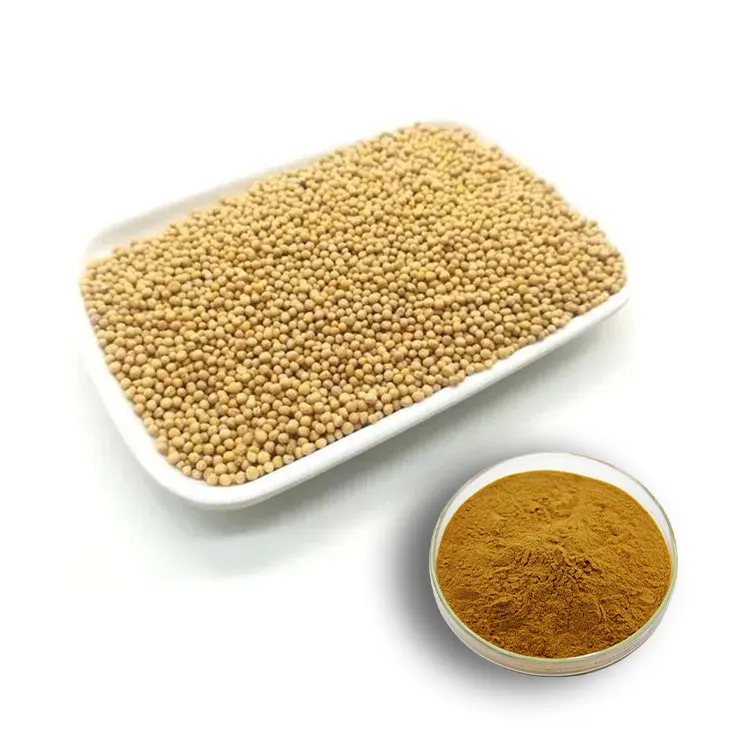
The anti - inflammatory properties of White mustard seed extract are of particular interest in the current market. Chronic inflammation is associated with various diseases, such as heart disease, diabetes, and arthritis. The bioactive compounds in the extract have been shown to modulate the body's inflammatory response. This makes it a valuable ingredient in products aimed at reducing inflammation, whether in the form of nutraceutical supplements or functional foods.

4.2.2. Antioxidant Properties
The antioxidant properties of the extract are also significant. Antioxidants help to neutralize free radicals in the body, which are unstable molecules that can cause oxidative stress and damage cells. By incorporating White mustard seed extract into products, manufacturers can offer consumers a natural way to boost their antioxidant defenses. This is especially appealing in the context of a market where consumers are increasingly concerned about the long - term effects of oxidative stress on their health.
4.2.3. Expectorant Properties
In the realm of herbal remedies, the expectorant properties of White mustard seed extract are well - known. It can help to loosen mucus in the respiratory tract, making it easier to cough up. This property makes it a useful ingredient in products designed to relieve coughs and colds, such as syrups or lozenges.
4.3. Sustainability AspectsIndonesian white mustard seed production can be carried out in a sustainable manner. The traditional farming methods often rely on natural resources in a more sustainable way compared to intensive modern farming. For example, the use of natural pest control methods and the reliance on the soil's natural fertility help to reduce the environmental impact. Additionally, the extraction process can be optimized to minimize waste and energy consumption. This sustainability aspect is highly appealing to consumers and manufacturers alike, as it aligns with the growing global trend towards more sustainable production and consumption.
5. Challenges and Opportunities in the Global Market
5.1. Challenges
5.1.1. Competition from Other Ingredients
In the global market, Indonesian White mustard seed extract faces stiff competition from other natural and synthetic ingredients. There are numerous other plant extracts and synthetic compounds that claim similar health benefits. For example, turmeric extract is also known for its anti - inflammatory properties, and it has a well - established presence in the market. To stand out, Indonesian white mustard seed extract needs to clearly communicate its unique properties and advantages to manufacturers and consumers.
5.1.2. Quality Control and Standardization
Ensuring consistent quality of the extract is a significant challenge. There need to be strict quality control measures in place throughout the production process, from seed cultivation to extraction. Standardization of the extract's composition is also crucial for its acceptance in the international market. Different batches of the extract should have similar levels of bioactive compounds to ensure reliable product performance. However, achieving this in a cost - effective manner can be difficult, especially for small - scale producers in Indonesia.
5.1.3. Market Awareness and Brand Building
Currently, the global market has relatively low awareness of Indonesian White mustard seed extract. Building brand awareness and promoting the product in international markets requires significant investment in marketing and advertising. Without proper brand building, it will be difficult to gain market share and compete with well - known ingredients. Moreover, creating a positive brand image that emphasizes the quality, safety, and sustainability of the extract is essential for long - term success in the global market.
5.2. Opportunities
5.2.1. Growing Health - Conscious Market
The growing health - conscious market presents a significant opportunity for Indonesian white mustard seed extract. As consumers become more interested in maintaining their health through natural products, the demand for ingredients with proven health benefits is on the rise. By positioning itself as a natural, sustainable, and health - promoting ingredient, the extract can tap into this expanding market.
5.2.2. Expansion in Emerging Markets
Emerging markets, such as those in Asia, Africa, and Latin America, offer untapped potential for the extract. These markets are experiencing economic growth and an increasing middle - class population with more disposable income. There is also a growing interest in natural products in these regions. By targeting these emerging markets, Indonesian White mustard seed extract can find new customers and expand its market share.
5.2.3. Collaboration with International Research Institutions
Collaborating with international research institutions can open up new opportunities for the extract. These institutions can conduct further research on the properties of the extract, which can help to validate its health benefits and improve its product development. For example, research could focus on finding new applications for the extract in areas such as cosmetics or veterinary medicine. This scientific validation can enhance the credibility of the extract in the global market and attract more manufacturers to use it in their products.
6. Conclusion
Indonesian White mustard seed extract has significant global market potential, driven by Indonesia's geographical advantage in production and the increasing demand for natural and sustainable ingredients in international markets. While there are challenges to overcome, such as competition, quality control, and market awareness, there are also numerous opportunities, including the growing health - conscious market, expansion in emerging markets, and collaboration with international research institutions. By capitalizing on its unique properties, nutritional profile, and sustainability aspects, and by addressing the challenges effectively, Indonesian White mustard seed extract can emerge as a prominent ingredient in the global market for nutraceuticals, herbal remedies, and functional foods.
FAQ:
What makes Indonesia have a geographical advantage in producing white mustard seeds?
Indonesia has a suitable climate, with appropriate temperature, sunlight and rainfall conditions. Its fertile soil also provides good growth conditions for white mustard seeds, enabling them to absorb sufficient nutrients and grow healthily. These factors together give Indonesia a geographical advantage in producing high - quality white mustard seeds.
How can Indonesian White mustard seed extract meet the demand for natural and sustainable ingredients in the nutraceuticals sector?
Indonesian White mustard seed extract contains various beneficial compounds. In the nutraceuticals sector, it can be used as a source of natural nutrients. For example, it may contain antioxidants that are in line with the trend of natural and sustainable ingredients. It can be processed into supplements or added to nutraceutical products, providing consumers with natural health - promoting options.
What role can Indonesian White mustard seed extract play in herbal remedies?
Indonesian White mustard seed extract may have certain medicinal properties. It could potentially be used in herbal remedies for treating or alleviating some health conditions. For instance, it might have anti - inflammatory or antibacterial effects, which are valuable in traditional and alternative medicine systems.
How is the Indonesian White mustard seed extract used in functional foods?
The extract can be added to functional foods as an ingredient. It may enhance the nutritional value of the food, such as by adding fiber or other beneficial substances. It can also contribute to the unique taste or texture of the food, making it more appealing to consumers while also providing additional health benefits.
What are the challenges in exploring the global market potential of Indonesian White mustard seed extract?
Some challenges include competition from other similar natural extracts in the global market. There may also be regulatory differences in different countries regarding its use in various products. Additionally, issues related to quality control and standardization during extraction and production need to be addressed to ensure consistent product quality for the global market.
Related literature
- The Potential of Indonesian Natural Extracts in the Global Market"
- "White Mustard Seed: Properties and Applications in the Modern Industry"
- "Sustainable Ingredients from Indonesia: Market Opportunities"


-

Vitamin B9
2024-12-07
-

Baicalin
2024-12-07
-

Giant Knotweed Extract
2024-12-07
-

Melatonin
2024-12-07
-

Elderberry Extract
2024-12-07
-

Andrographis Paniculata Extract Powder
2024-12-07
-

Yellow Pine Extract
2024-12-07
-

Tormentil Extract
2024-12-07
-

Vitamin B6
2024-12-07
-

Agaricus Blazei Extract
2024-12-07