


1. Introduction to Curcumin
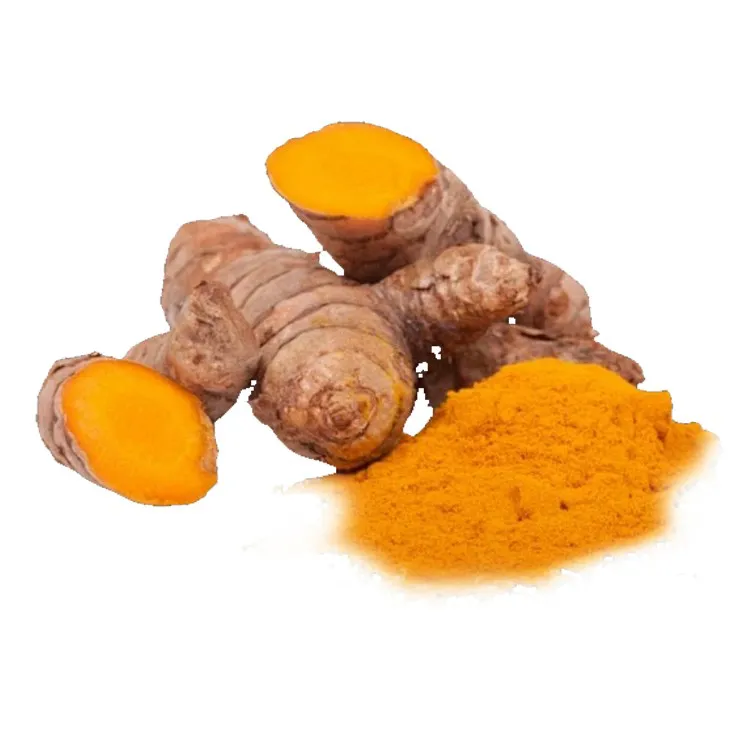
Curcumin is a natural compound that is derived from the rhizome of the turmeric plant (Curcuma longa). It has a long history of use in traditional medicine, particularly in Ayurvedic and Chinese medicine. Curcumin is known for its bright yellow color and has been used for centuries not only for its medicinal properties but also as a food coloring agent. In recent years, it has attracted significant attention in the international market due to its various potential health benefits.
2. Factors Affecting Curcumin Export
2.1 Cultivation Methods in Source Countries
The way turmeric, the source of Curcumin, is cultivated plays a crucial role in its export. Countries that produce turmeric need to ensure optimal growing conditions. For example, turmeric thrives in warm and humid climates with well - drained soil. Good agricultural practices such as proper irrigation, use of organic fertilizers, and pest control are essential. If the cultivation is not carried out properly, it can lead to lower yields and inferior quality of turmeric, which in turn affects the availability and quality of Curcumin for export. Some countries may have traditional cultivation methods that have been passed down through generations, while others are adopting more modern and scientific approaches to increase productivity and quality.

2.2 Extraction Technologies
- The extraction of Curcumin from turmeric is a complex process. Different extraction technologies can result in varying levels of purity and quality of Curcumin.
- Traditional extraction methods, such as solvent extraction using ethanol or acetone, are still widely used. However, these methods may have limitations in terms of efficiency and environmental impact.
- Modern extraction technologies, like supercritical fluid extraction (SFE), are emerging as more efficient and environmentally friendly options. SFE can produce Curcumin with a higher purity level, which is more desirable in the international market. However, the adoption of these advanced technologies requires significant investment in equipment and expertise, which may be a challenge for some producers in developing countries.

2.3 Meeting International Quality Standards
- International markets have strict quality standards for Curcumin. These standards cover aspects such as purity, absence of contaminants, and consistency in composition.
- Producers need to ensure that their Curcumin products meet the requirements of regulatory bodies in different countries. For example, in the European Union, Curcumin used in food and dietary supplements must comply with specific safety and quality regulations. In the United States, the Food and Drug Administration (FDA) also has guidelines for the use and quality of Curcumin - containing products.
- To meet these standards, producers may need to invest in quality control laboratories, implement good manufacturing practices (GMP), and conduct regular testing of their products. Failure to meet international quality standards can lead to rejection of exports or damage to the reputation of the producer.
3. Market Trends in Curcumin Export

3.1 Emerging Markets
- Emerging markets are showing great interest in Curcumin - rich products. Countries in Asia, such as India and Indonesia, are not only major producers but also growing consumers of Curcumin - based products. In India, the traditional use of turmeric in food and medicine has led to an increasing awareness of the benefits of Curcumin, and there is a growing domestic market for Curcumin - enhanced products.
- In South America, countries like Brazil are also exploring the potential of Curcumin in various industries. The growing health - consciousness among consumers in these emerging markets is driving the demand for Curcumin as a natural and potentially health - promoting ingredient.
- Africa is another region with emerging potential for Curcumin export. Some African countries have suitable climates for turmeric cultivation, and as the global demand for natural products rises, there is an opportunity for African producers to enter the international Curcumin market.
3.2 Changing Consumer Preferences
- Changing consumer preferences towards natural and plant - based ingredients are a significant driver of Curcumin's export growth. Consumers in developed countries, such as the United States and European countries, are increasingly looking for alternatives to synthetic ingredients in their food, cosmetics, and dietary supplements.
- Curcumin, with its natural origin and potential health benefits, fits well into this trend. It is being used in a wide range of products, from anti - inflammatory dietary supplements to skin - care products that claim to have anti - aging properties. The demand for "clean label" products, which contain natural and recognizable ingredients, is on the rise, and Curcumin is becoming a popular choice among manufacturers to meet this demand.
- Moreover, the growing interest in alternative medicine and holistic health approaches has also contributed to the increased popularity of Curcumin. Consumers are more willing to try products that contain Curcumin as part of their overall health and well - being regimen.
4. Main Exporting and Importing Countries

4.1 Exporting Countries
- India is one of the leading exporters of Curcumin. India has a long - standing tradition of turmeric cultivation and is home to a large number of turmeric farmers. The country has a significant advantage in terms of cost - effective production due to its large - scale cultivation and relatively low labor costs. Indian Curcumin is exported to various parts of the world, including the United States, Europe, and Asia.
- China is also an important exporter of Curcumin. China has been increasing its turmeric production in recent years, and with its advanced extraction and processing technologies, it is able to produce high - quality Curcumin products. Chinese Curcumin is exported mainly to Asian and European markets.
- Indonesia is another major exporter in the Curcumin market. The country has favorable climatic conditions for turmeric cultivation, and its Curcumin products are known for their quality. Indonesia exports Curcumin to neighboring Asian countries as well as to international markets in Europe and the Middle East.
4.2 Importing Countries
- The United States is a major importer of Curcumin. The growing demand for natural dietary supplements and functional foods in the US market has led to an increasing import of Curcumin. American consumers are interested in Curcumin - based products for their potential health benefits, such as anti - inflammation and antioxidant properties.
- European countries, such as Germany, France, and the United Kingdom, are also significant importers of Curcumin. In Europe, there is a high demand for natural ingredients in the food, pharmaceutical, and cosmetic industries. Curcumin is used in a variety of products, from herbal teas to anti - aging creams, and the import volume has been steadily increasing.
- Japan is another important importer of Curcumin. In Japan, the traditional diet and medicine have a long - standing relationship with natural ingredients. Curcumin is used in Japanese food products, dietary supplements, and some traditional medicine formulations, and the demand for imported Curcumin remains strong.
5. Challenges and Opportunities in Curcumin Export
5.1 Challenges
- One of the major challenges in Curcumin export is the competition from synthetic alternatives. In some applications, synthetic compounds may be cheaper and more readily available. For example, in the pharmaceutical industry, some synthetic anti - inflammatory drugs may compete with Curcumin - based products. Manufacturers need to find ways to highlight the unique advantages of Curcumin, such as its natural origin and potential fewer side effects, to overcome this competition.
- Another challenge is the instability of Curcumin. Curcumin is sensitive to light, heat, and oxygen, which can cause it to degrade. This makes it difficult to store and transport Curcumin - based products without proper packaging and storage conditions. Producers need to invest in appropriate packaging materials and storage facilities to ensure the stability of Curcumin during export.
- Intellectual property issues can also pose a challenge. There is ongoing research on Curcumin, and companies may face difficulties in protecting their research findings and product formulations. In some cases, there may be disputes over patent rights and intellectual property ownership, which can affect the export and commercialization of Curcumin - based products.
5.2 Opportunities
- The increasing research on Curcumin's health benefits presents a great opportunity for export growth. As more scientific studies reveal the potential of Curcumin in treating various diseases, such as cancer, diabetes, and neurodegenerative disorders, the demand for Curcumin - based products is likely to increase. This can open up new markets and applications for Curcumin exporters.
- The trend towards natural and sustainable products also provides an opportunity. Consumers are more willing to pay a premium for products that are sourced sustainably and are environmentally friendly. Producers who can demonstrate sustainable cultivation and production methods of Curcumin may gain a competitive edge in the international market.
- Collaboration between different countries in research, production, and marketing of Curcumin can also create opportunities. For example, joint research projects can lead to new extraction technologies or product formulations. International marketing collaborations can help to expand the reach of Curcumin - based products in different regions of the world.
6. Conclusion
The export of Curcumin worldwide is influenced by multiple factors, including cultivation methods, extraction technologies, and international quality standards. The market trends, such as the growing interest in emerging markets and changing consumer preferences, are driving the export growth of Curcumin. While there are challenges, such as competition from synthetic alternatives and stability issues, there are also significant opportunities for exporters. By addressing the challenges and capitalizing on the opportunities, countries involved in Curcumin export can further develop this promising market segment.
FAQ:
What are the main source countries for Curcumin export?
India is one of the major source countries for Curcumin export. It has a long - standing tradition of turmeric cultivation, which is the main source of Curcumin. Other countries in Southeast Asia also contribute to the global Curcumin supply as they have suitable climates for turmeric growth.
How do extraction technologies affect Curcumin export?
Advanced extraction technologies can improve the purity and yield of Curcumin. Higher - quality Curcumin obtained through efficient extraction methods is more likely to meet international quality standards and thus has a competitive edge in the export market. Out - dated or inefficient extraction technologies may lead to lower - quality Curcumin products, which can be restricted in international trade.
What international quality standards must Curcumin meet for export?
Curcumin for export usually needs to meet standards regarding purity, heavy - metal content, and microbial limits. For example, in the European Union, strict regulations are in place to ensure the safety of food - grade Curcumin products. In the United States, the Food and Drug Administration (FDA) also has certain requirements for the quality of Curcumin in dietary supplements.
How are changing consumer preferences influencing Curcumin export?
As consumers are increasingly inclined towards natural and plant - based ingredients, the demand for Curcumin - rich products has risen. This has led to an increase in the export of Curcumin. Consumers are more likely to choose Curcumin - based products such as dietary supplements, functional foods, and natural cosmetics, which in turn drives exporters to supply more Curcumin to meet the market demand.
What challenges do Curcumin exporters face?
One challenge is the competition from synthetic alternatives in some markets. Although Curcumin is natural, synthetic compounds with similar properties may be cheaper to produce. Another challenge is maintaining consistent quality throughout the supply chain. Fluctuations in raw material quality due to factors like climate change and differences in agricultural practices can pose difficulties. Also, meeting the diverse regulatory requirements of different importing countries can be complex and costly.
Related literature
TAGS:


-

Apricot Powder
2024-12-06
-

Lemon Extract
2024-12-06
-

Panax Ginseng Leaf Extract
2024-12-06
-

Green coffee bean Extract
2024-12-06
-

Black Garlic Extract
2024-12-06
-

Rose Hip Extract
2024-12-06
-

Hawthorn powder
2024-12-06
-

Alfalfa Meal
2024-12-06
-

Purple Sweet Potato Extract
2024-12-06
-

Soy Extract
2024-12-06