


1. Key Exporters and Their Market Shares
Rose Hip Extract has gained significant popularity in the global market due to its numerous health benefits. Several countries play a crucial role as exporters in this market.
1.1 Chile
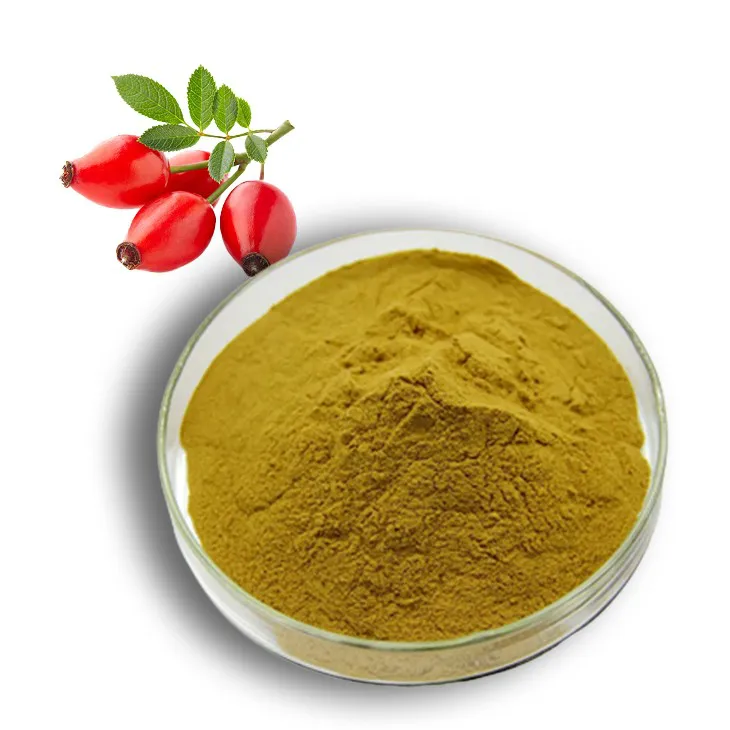
Chile is one of the leading exporters of Rose Hip Extract. The country has a favorable climate for the growth of rose hips, which gives it a natural advantage. Chilean Rose Hip Extract is known for its high quality. It has a large share in the international market, especially in the European and North American markets. The well - developed agricultural infrastructure in Chile supports the large - scale cultivation of rose hips. Additionally, the country has made significant investments in research and development related to extraction processes, which has further enhanced the quality of its exports.
1.2 South Africa
South Africa is also an important exporter of Rose Hip Extract. The diverse climate in South Africa allows for the cultivation of different varieties of rose hips. The South African Rose Hip Extract has found a niche in the global market. It is often preferred for its unique composition. South Africa's export market for Rose Hip Extract includes regions like Asia and Europe. The country has been working on improving its extraction techniques to increase the yield and quality of the extract, thereby expanding its market share.

1.3 China
In recent years, China has emerged as a significant exporter of Rose Hip Extract. China has vast areas suitable for rose hip cultivation. With the development of modern agricultural techniques, the production of rose hips has increased steadily. Chinese Rose Hip Extract is competitive in terms of price. It has been making inroads into international markets, especially in emerging economies. Chinese exporters are also focusing on meeting international quality standards to further boost their exports.
2. Technological Advancements in Extraction Processes
Technological advancements in the extraction of Rose Hip Extract have had a profound impact on the export quality and quantity.
2.1 Solvent Extraction
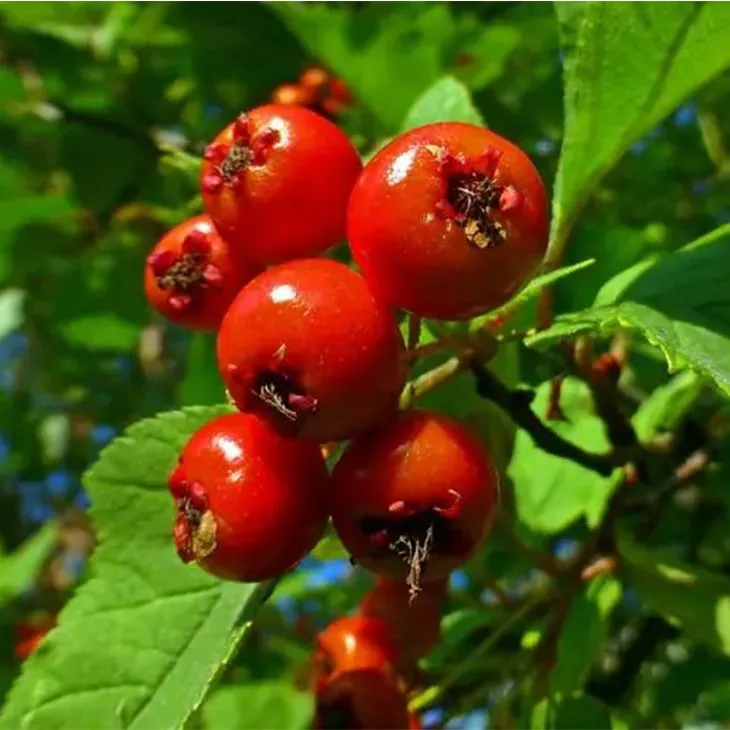
Solvent extraction is one of the commonly used methods. This method involves the use of solvents such as ethanol or hexane to extract the active compounds from rose hips. Advances in solvent extraction technology have led to more efficient extraction, reducing the amount of solvent required and minimizing the risk of solvent residues in the final product. This has improved the quality of the extract, making it more acceptable in international markets. Moreover, new solvents with better selectivity are being explored, which can target specific beneficial compounds in rose hips, enhancing the nutritional and medicinal value of the extract.
2.2 Supercritical Fluid Extraction
Supercritical fluid extraction (SFE), particularly using carbon dioxide as the supercritical fluid, has revolutionized the extraction of Rose Hip Extract. SFE offers several advantages. It is a clean and green extraction method as carbon dioxide is non - toxic and easily removable from the extract. It can operate at relatively low temperatures, which helps to preserve the thermo - labile compounds in rose hips. This method results in a purer extract with a higher concentration of active ingredients. The development of SFE technology has increased the export value of Rose Hip Extract as it meets the high - quality requirements of many developed countries.
2.3 Microwave - Assisted Extraction
Microwave - assisted extraction (MAE) is another emerging technology. MAE uses microwave energy to heat the rose hip matrix, facilitating the release of active compounds. This method is much faster compared to traditional extraction methods. It also reduces the extraction time and energy consumption. By shortening the extraction process, MAE can help to maintain the quality of the extract. The application of MAE in the production of Rose Hip Extract is gradually increasing, and it is expected to contribute to the growth of the export market in the future.
3. Role of Consumer Awareness in Different Countries
Consumer awareness regarding the health benefits of Rose Hip Extract varies from country to country and has a significant impact on export patterns.
3.1 Developed Countries
In developed countries such as the United States, Canada, and those in Western Europe, consumers are generally more aware of the health benefits of Rose Hip Extract. These benefits include its antioxidant properties, anti - inflammatory effects, and potential in improving skin health. High consumer awareness in these regions has led to a strong demand for Rose Hip Extract - based products, such as dietary supplements, cosmetics, and functional foods. As a result, exporters target these markets with high - quality products, often with added value through advanced formulations.
3.2 Emerging Economies
In emerging economies like Brazil, India, and some countries in Southeast Asia, consumer awareness about Rose Hip Extract is on the rise. However, it is still at a relatively early stage compared to developed countries. The growing middle - class population in these countries, along with increasing access to information about health and wellness, is driving the demand for Rose Hip Extract. Exporters are gradually entering these markets, focusing on providing affordable products while also educating consumers about the benefits of the extract.
3.3 Cultural and Traditional Influences
In some countries, cultural and traditional beliefs also play a role in consumer acceptance of Rose Hip Extract. For example, in certain European countries, herbal remedies have a long - standing tradition, and Rose Hip Extract is seen as a natural and beneficial ingredient. In contrast, in some Asian countries, traditional medicine systems may need to be more fully integrated with the use of Rose Hip Extract. Understanding these cultural and traditional factors is crucial for exporters to effectively target different markets.
4. International Trade Regulations and Their Impact
International trade regulations have both facilitating and hindering effects on the growth of the Rose Hip Extract export market.
4.1 Quality Standards and Certification
Many countries have established quality standards and certification requirements for food and dietary supplements, which also apply to Rose Hip Extract. For example, in the European Union, products need to comply with strict regulations regarding safety, purity, and labeling. Meeting these standards can be a challenge for exporters, but it also serves as an opportunity. Exporters who can meet these high - quality requirements are more likely to gain access to the lucrative European market. Certification such as Good Manufacturing Practice (GMP) is also becoming increasingly important in international trade. It gives consumers confidence in the product and helps exporters to distinguish their products in the global market.
4.2 Tariffs and Trade Barriers
Tariffs and trade barriers can significantly impact the export of Rose Hip Extract. Some countries may impose high tariffs on imported Rose Hip Extract products, which can increase the cost for exporters and reduce their competitiveness in the target market. Additionally, non - tariff barriers such as complex import procedures, quarantine requirements, and restrictions on certain ingredients can also pose challenges. For example, some countries may have strict regulations on the use of solvents in the extraction process, which can affect exporters who use certain traditional extraction methods.
4.3 Free Trade Agreements
Free trade agreements (FTAs) can have a positive impact on the export of Rose Hip Extract. FTAs between countries often reduce or eliminate tariffs on traded goods. For instance, if a Rose Hip Extract - exporting country has an FTA with a major importing country, it can significantly increase its exports. These agreements also promote cooperation in areas such as quality control and regulatory harmonization, which can facilitate the growth of the export market.
5. Future Prospects of Rose Hip Extract Exports
Looking ahead, the export of Rose Hip Extract is likely to experience both challenges and opportunities.
5.1 Market Expansion
With the increasing global awareness of the health benefits of Rose Hip Extract, there is potential for market expansion. New markets in Africa, Asia, and Latin America are emerging, where the demand for natural health products is growing. Exporters need to adapt their marketing strategies to target these new markets, taking into account the different consumer preferences and regulatory environments.
5.2 Research and Development
Continued research and development in the field of Rose Hip Extract is expected. Scientists are likely to discover new beneficial compounds in rose hips, which could further enhance the value of the extract. Additionally, research on more sustainable and efficient extraction methods will continue, which can improve the cost - effectiveness and environmental friendliness of production.
5.3 Regulatory Changes
Regulatory changes at the international level are also possible. As the understanding of Rose Hip Extract and its safety and efficacy improves, regulatory requirements may be adjusted. Exporters need to stay updated with these changes to ensure compliance and maintain their market access.
FAQ:
What are the main countries that export Rose Hip Extract?
Some of the main exporters of Rose Hip Extract include countries where the rose hip plant is abundantly grown. For example, Chile is known to be a significant exporter. This is due to its favorable climate for rose hip cultivation. Also, some European countries like Bulgaria and Serbia have a long - standing tradition of rose hip production and export. Their geographical location and agricultural expertise contribute to their status as exporters. The market share of these countries can vary depending on factors such as production volume, quality of the extract, and international market demand.
How have technological advancements in extraction processes improved the export of Rose Hip Extract?
Technological advancements in extraction processes have had a substantial impact on the export of Rose Hip Extract. New extraction methods are more efficient, which means that a larger quantity of high - quality extract can be produced. For instance, modern solvent - free extraction techniques not only increase the yield but also ensure a purer product. This is highly appealing to international buyers who demand high - quality Rose Hip Extract. Advanced technologies also enable better preservation of the active compounds in the extract during the extraction and subsequent packaging processes, which is crucial for maintaining its health - promoting properties. As a result, exporters are able to offer a more competitive product in the global market.
What role does consumer awareness of the health benefits play in the export of Rose Hip Extract?
Consumer awareness of the health benefits of Rose Hip Extract significantly influences its export. In countries where consumers are more health - conscious and informed about the antioxidant, anti - inflammatory, and vitamin - rich properties of Rose Hip Extract, the demand is higher. This increased demand drives imports, which in turn affects the export patterns. For example, in developed countries like the United States and those in Western Europe, the growing popularity of natural and health - promoting products has led to a surge in the import of Rose Hip Extract. Exporters are then more likely to target these markets and adjust their production and export strategies accordingly.
How do international trade regulations impact the export of Rose Hip Extract?
International trade regulations can both facilitate and hinder the export of Rose Hip Extract. On the positive side, regulations that ensure fair trade, such as quality standards and proper labeling requirements, can enhance the reputation of exporters. This gives consumers confidence in the product, leading to increased exports. For example, if a country has strict regulations on the purity and safety of food extracts, meeting these standards can make an exporter more competitive. However, trade barriers such as high tariffs or complex import procedures in some countries can limit the export market. These barriers may increase the cost of the product for the importer, reducing the demand and ultimately affecting the export volume of Rose Hip Extract.
What are the future prospects for the global export of Rose Hip Extract?
The future prospects for the global export of Rose Hip Extract are quite promising. As consumer interest in natural and health - promoting products continues to grow worldwide, the demand for Rose Hip Extract is likely to increase. Additionally, ongoing research into new applications of Rose Hip Extract, such as in the pharmaceutical and cosmetic industries, may open up new export markets. However, exporters will need to stay updated with technological advancements and international trade regulations to remain competitive. They will also need to focus on sustainable cultivation and extraction methods to meet the increasing environmental concerns of consumers and regulatory bodies.
Related literature
- Rose Hip Extract: Production, Properties and Applications"
- "The Global Market for Rose Hip - Based Products: Trends and Forecasts"
- "Advances in Rose Hip Extraction Technology and Their Impact on the International Market"


-

Shikone Extract
2024-12-07
-

Vitamin C
2024-12-07
-

L-Citrullin-DL-malate
2024-12-07
-

Grape Seed Extract Powder
2024-12-07
-

Saw Palmetto Extract
2024-12-07
-

Calendula Extract
2024-12-07
-

Ginger Extract
2024-12-07
-

Apricot Powder
2024-12-07
-

Europen Bilberry Extract
2024-12-07
-
Rose Hip Extract
2024-12-07