


1. Introduction
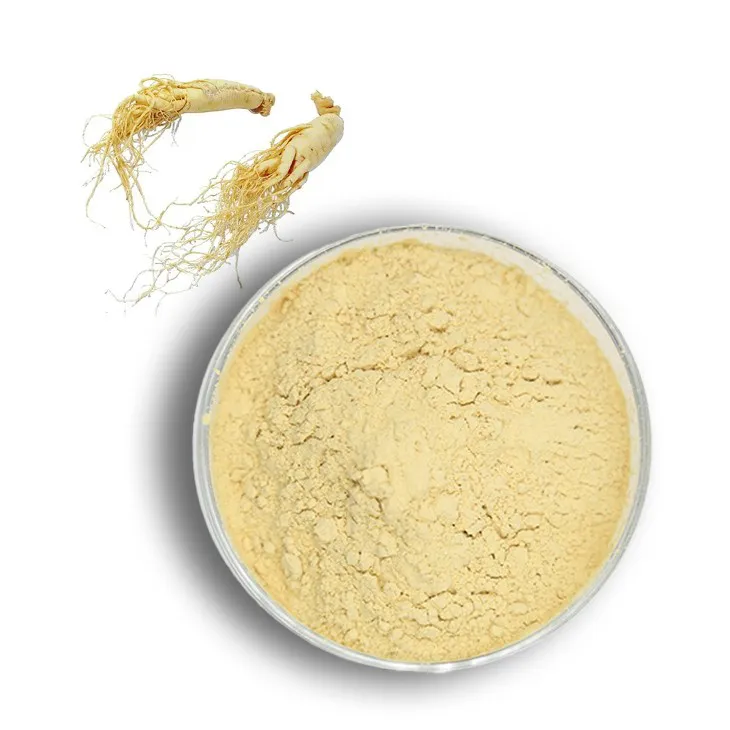
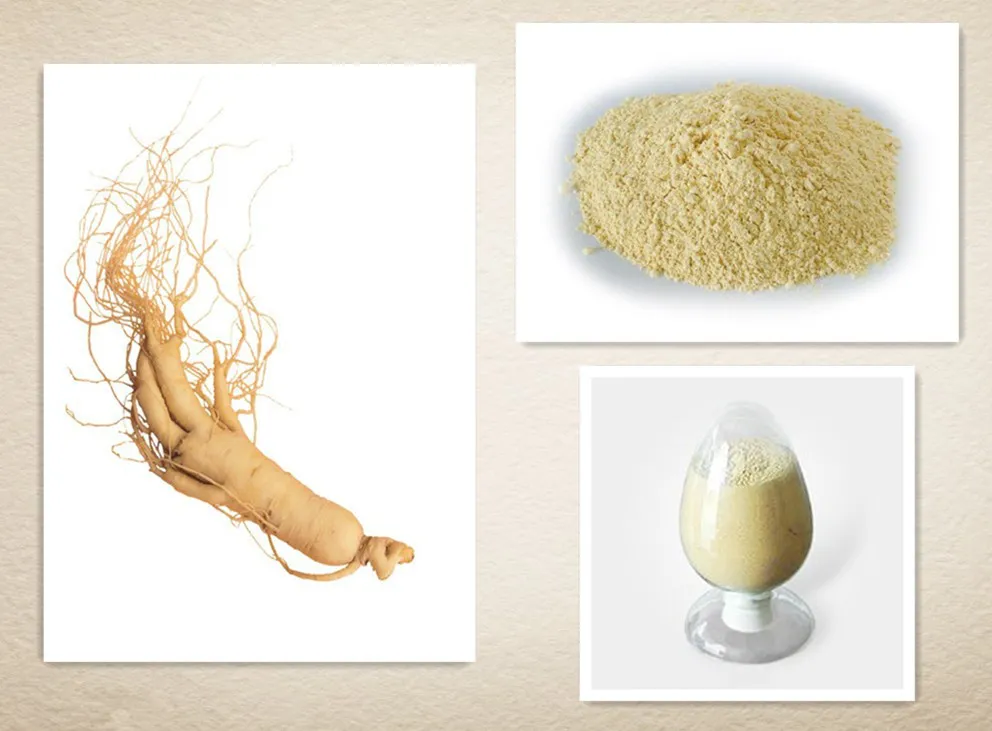
Ginseng Root Extract has emerged as a significant player in the international herbal product trade. Ginseng is renowned for its rich array of health - enhancing properties, which has led to a steadily growing global market demand. This extract is used in various industries, including the wellness and pharmaceutical sectors. Understanding the export situation of Ginseng Root Extract is crucial as it involves multiple factors that interact in a complex manner.
2. Production regions and their impact on export
2.1 South Korea
South Korea is one of the major producers of ginseng. It has a long - standing tradition of ginseng cultivation and extraction. The country's advanced extraction technologies ensure high - quality Ginseng Root Extracts. South Korean producers often focus on maintaining strict quality control measures. For example, they monitor the growth conditions of ginseng very closely, including soil quality, climate, and water supply. This attention to detail results in Ginseng Root Extracts that are highly sought - after in the international market. South Korean Ginseng Root Extracts are known for their purity and consistent quality, which gives them a competitive edge in exports.
2.2 China
China is another significant producer of ginseng. With vast areas suitable for ginseng cultivation, China has a large - scale production capacity. Chinese producers have been continuously improving their extraction techniques. They also have a rich heritage of using ginseng in traditional medicine, which provides a solid foundation for modern extraction and export. However, China also faces challenges in terms of standardizing production across different regions. Despite this, Chinese Ginseng Root Extracts are exported in large quantities, especially to Asian and some European markets. The cost - effectiveness of Chinese - produced extracts is an attractive factor for many importers.
3. International regulations and their influence

3.1 Safety standards
International safety standards play a vital role in shaping the export of Ginseng Root Extracts. Different countries have their own regulatory requirements regarding the safety of herbal extracts. For instance, in the United States, the Food and Drug Administration (FDA) has strict guidelines for the import of herbal products. Ginseng Root Extracts must meet certain purity levels and be free from contaminants such as heavy metals and pesticides. In the European Union, similar regulations exist under the European Medicines Agency (EMA). These safety standards ensure that consumers are protected from potential health risks associated with Ginseng Root Extracts. Producers who wish to export their products need to comply with these regulations, which often involve costly testing and certification processes.

3.2 Labeling requirements
Labeling requirements are another important aspect of international regulations. Accurate and clear labeling is essential for Ginseng Root Extracts. Labels must include information such as the botanical name of ginseng, the extraction method, the concentration of active ingredients, and any potential allergens. In some countries, labels may also need to include warnings about possible side effects or interactions with other medications. Failure to meet these labeling requirements can lead to rejection of exports or even legal consequences. For example, if a Ginseng Root Extract is mislabeled as having a higher concentration of active ingredients than it actually does, it can mislead consumers and violate trade regulations.
4. Market trends in the demand for Ginseng Root Extract

4.1 Wellness industry
The wellness industry has witnessed a significant increase in the demand for Ginseng Root Extract. People are increasingly interested in natural products to enhance their well - being. Ginseng Root Extract is often included in dietary supplements, energy - boosting products, and anti - stress formulations. In the wellness market, products containing Ginseng Root Extract are marketed as promoting vitality, improving cognitive function, and enhancing the immune system. For example, many fitness enthusiasts use ginseng - based supplements to improve their physical performance and endurance. The trend towards a more health - conscious lifestyle has driven the growth of the Ginseng Root Extract market in the wellness industry.
4.2 Pharmaceutical industry
In the pharmaceutical industry, Ginseng Root Extract is also gaining attention. Research has shown that ginseng contains bioactive compounds with potential medicinal properties. These compounds may be used in the development of drugs for treating various conditions, such as diabetes, cardiovascular diseases, and cognitive disorders. Pharmaceutical companies are investing in research to further explore the therapeutic potential of Ginseng Root Extract. As a result, the demand for high - quality Ginseng Root Extracts for pharmaceutical research and development is on the rise. For instance, some studies are investigating the use of Ginseng Root Extract in combination with other drugs to improve treatment outcomes.
5. Geographical market analysis
5.1 North America
North America, especially the United States, is a major market for Ginseng Root Extract. The growing awareness of alternative medicine and natural health products has contributed to the increasing demand. Consumers in North America are more likely to purchase Ginseng Root Extract - based products for various reasons, such as improving energy levels and reducing stress. The market in North America also offers a high price point for high - quality Ginseng Root Extracts, which attracts exporters. However, competition is fierce in this market, with both domestic and international producers vying for a share.
5.2 Europe
Europe is another important market for Ginseng Root Extract. European consumers have a long - standing interest in herbal medicine. The demand for Ginseng Root Extract in Europe is driven by its perceived health benefits. European countries with a high standard of living, such as Germany, France, and the United Kingdom, are significant importers. However, the European market is also highly regulated, which means that exporters need to meet strict quality and safety requirements. Additionally, cultural differences within Europe can affect the marketing and acceptance of Ginseng Root Extract - based products.
6. Challenges in the export of Ginseng Root Extract
6.1 Competition from synthetic alternatives
One of the major challenges faced by Ginseng Root Extract exporters is competition from synthetic alternatives. Synthetic compounds can often be produced more cheaply and in larger quantities compared to Ginseng Root Extract. For example, some synthetic stimulants can mimic the energy - boosting effects of Ginseng Root Extract. These synthetic alternatives may be more appealing to cost - conscious consumers or those who are not particular about using natural products. In addition, the development of new synthetic drugs with similar or even better - targeted effects than Ginseng Root Extract poses a threat to its market share.
6.2 Fluctuations in raw material prices
Fluctuations in raw material prices also impact the export of Ginseng Root Extract. Ginseng cultivation is a time - consuming process, and factors such as weather conditions, disease outbreaks, and changes in land use can affect the supply of ginseng roots. A decrease in the supply of ginseng roots can lead to an increase in their prices, which in turn raises the cost of production for Ginseng Root Extract. This can make the final product more expensive for exporters and less competitive in the international market. For example, if there is a drought in a major ginseng - producing region, the yield of ginseng roots may be significantly reduced, causing price hikes.
7. Conclusion
The export situation of Ginseng Root Extract in the world is complex and influenced by multiple factors. Production regions, international regulations, market trends, and challenges all play important roles. Producers and exporters need to be aware of these factors and adapt their strategies accordingly. As the global demand for natural health products continues to grow, there are opportunities for the Ginseng Root Extract market to expand. However, addressing the challenges such as competition from synthetic alternatives and raw material price fluctuations will be crucial for the sustainable development of the Ginseng Root Extract export industry.
FAQ:
Q1: Which countries are the major exporters of Ginseng Root Extracts?
South Korea and China are among the major producers of ginseng, and they are likely to be significant exporters as well due to their large - scale production. However, other countries may also be involved in the export depending on their production capabilities and market access.
Q2: What are the main factors influencing the export of Ginseng Root Extracts?
The main factors include the production regions. For example, the extraction technologies and quality control in major producing countries like South Korea and China can affect export quality. Also, international regulations such as safety standards and labeling requirements play a role. Market trends, demand in different industries like wellness and pharmaceuticals, and competition from synthetic alternatives as well as raw material price fluctuations also influence the export situation.
Q3: Why is the demand for Ginseng Root Extract increasing in North America and Europe?
The increasing demand in North America and Europe can be attributed to the growing interest in natural products for health and wellness. Ginseng is known for its health - enhancing properties, which makes it attractive for use in the wellness and pharmaceutical industries in these regions.
Q4: How do international regulations affect the export of Ginseng Root Extracts?
International regulations such as safety standards ensure that the Ginseng Root Extracts meet certain quality and safety levels for consumption. Labeling requirements help in providing accurate information to the consumers. If exporters fail to meet these regulations, it can lead to restrictions on exports or rejection of products in the international market.
Q5: What are the challenges faced in the export of Ginseng Root Extracts?
The challenges include competition from synthetic alternatives which may be cheaper or more easily produced in large quantities. Fluctuations in raw material prices can also impact the cost of production and thus the competitiveness of Ginseng Root Extract exports. Additionally, meeting the complex and ever - changing international regulations can be a hurdle.
Related literature
- The Global Ginseng Market: Trends and Opportunities"
- "Ginseng Root Extract: Production, Quality Control and International Trade"
- "Regulatory Aspects of Herbal Extract Exports: Focus on Ginseng"


-

Sophora Japonica Flower Extract
2024-12-07
-

Polygonum multiflorum extract
2024-12-07
-

Taurine
2024-12-07
-

Bilberry Extract
2024-12-07
-

Olive leaf extract
2024-12-07
-

Garcinia Cambogia Extract
2024-12-07
-

Bromelain
2024-12-07
-

Grape Seed Extract Powder
2024-12-07
-

Grapefruit Seed Extract Powder
2024-12-07
-

Bladder horn extract powder
2024-12-07