


1. Introduction
Kidney beans are not only a common food ingredient but also a source of various beneficial components. The extraction and distillation of Kidney Bean Extracts play a vital role in harnessing these valuable substances for different applications, such as in the pharmaceutical, cosmetic, and food industries. This article will comprehensively discuss the relevant methods.
2. Initial Preparation of Kidney Beans for Extraction
2.1 Selection of Kidney Beans
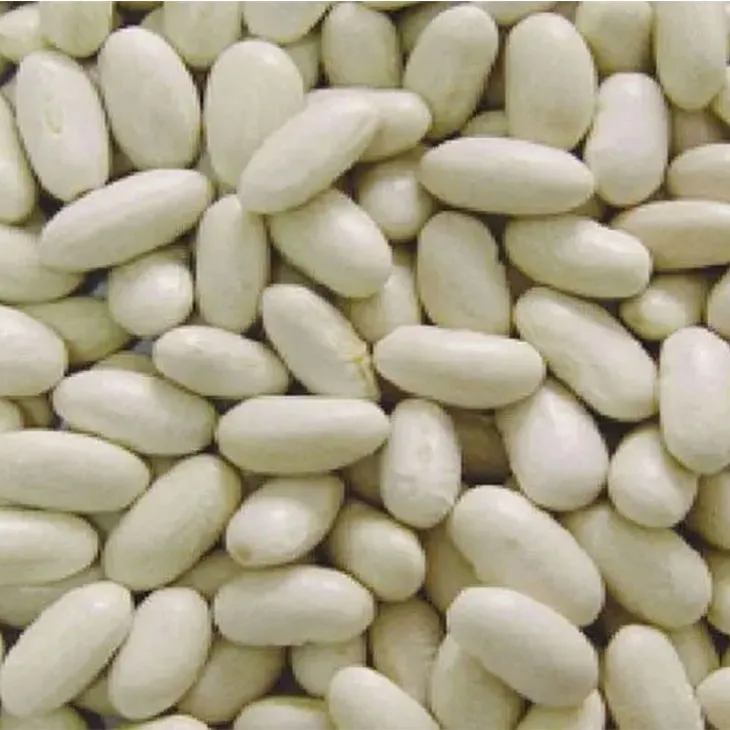
The first step in the extraction process is to carefully select high - quality kidney beans. High - quality kidney beans should be free from physical damage, mold, and pests. Different varieties of kidney beans may also have different compositions, so the choice of variety depends on the specific target components to be extracted. For example, some varieties may be richer in certain bioactive peptides or antioxidants.
2.2 Cleaning and Drying
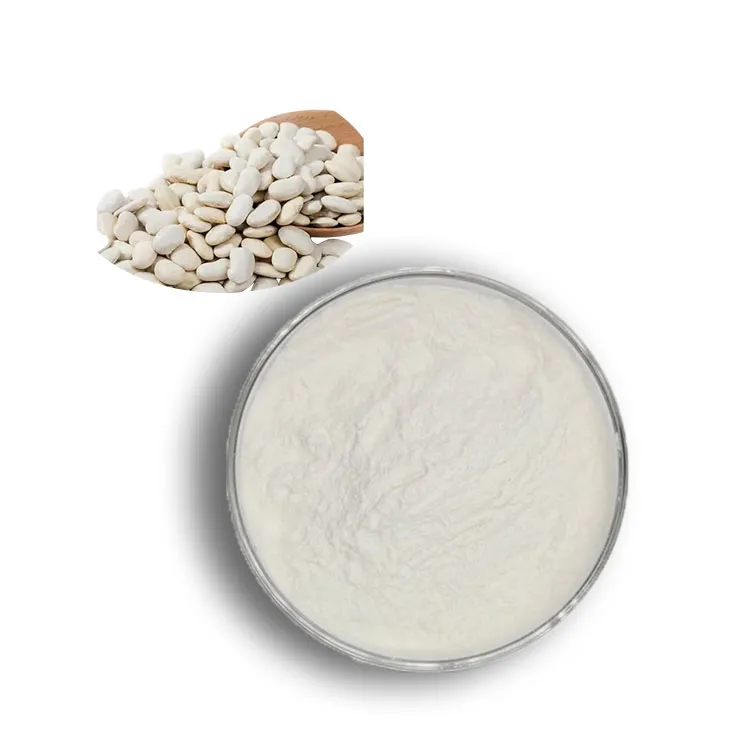
After selection, the kidney beans need to be thoroughly cleaned. This can be done by washing them several times with clean water to remove dirt, debris, and any surface contaminants. Once cleaned, the beans should be dried. Drying can be achieved through natural drying in a well - ventilated area or by using drying equipment such as a dehydrator. The moisture content of the dried kidney beans should be reduced to an appropriate level, usually around 10 - 12% to prevent spoilage during storage and extraction.
2.3 Grinding
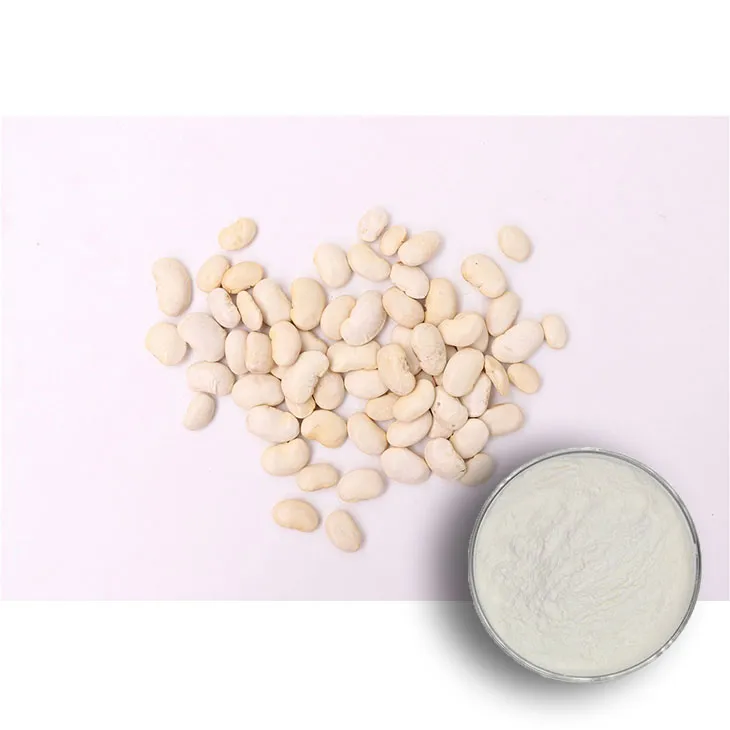
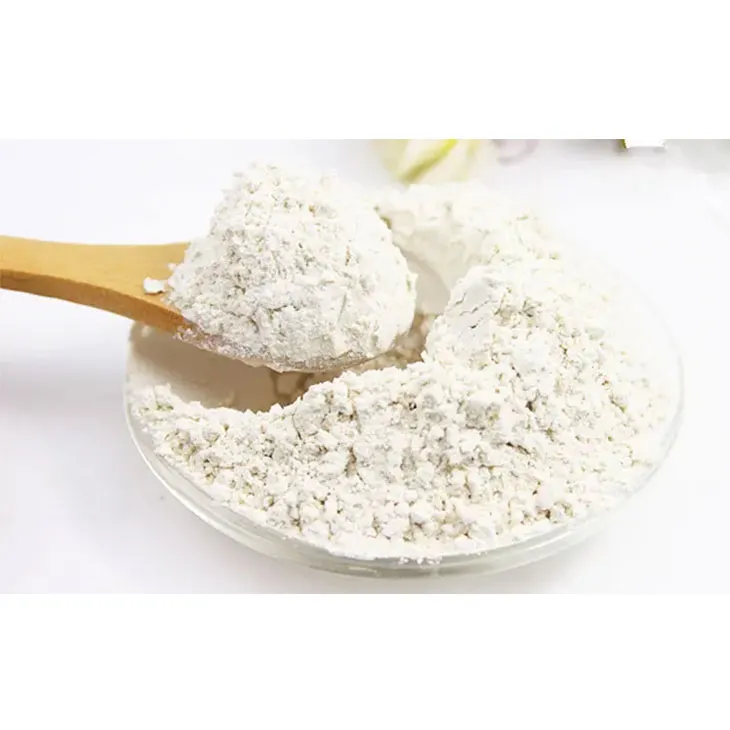
The dried kidney beans are then ground into a fine powder. Grinding can be carried out using a grinder or a mill. The finer the powder, the larger the surface area available for extraction, which can improve the extraction efficiency. However, it is important to note that over - grinding may lead to the destruction of some heat - sensitive components.3. Solvent Extraction Methods
3.1 Selection of Solvents
Solvent extraction is a commonly used method for obtaining Kidney Bean Extracts. Different solvents can be used depending on the solubility of the target components. Common solvents include water, ethanol, methanol, and their mixtures. Water is a relatively safe and environmentally friendly solvent, suitable for extracting water - soluble components such as polysaccharides. Ethanol and methanol are often used for extracting lipophilic or semi - lipophilic components like certain flavonoids and phenolic compounds. Mixtures of solvents can sometimes provide better extraction results by combining the advantages of different solvents.
3.2 Extraction Process
- The ground kidney bean powder is placed in a suitable extraction vessel.
- The selected solvent is added to the powder in a certain ratio. For example, for water extraction, a ratio of 1:10 (kidney bean powder:solvent) may be used.
- The mixture is then stirred continuously at a certain temperature and for a certain period of time. The temperature and time depend on the nature of the solvent and the target components. For example, for water extraction of polysaccharides, a temperature of around 60 - 80°C and a time of 2 - 4 hours may be suitable.
- After extraction, the mixture is filtered to separate the extract from the residue. Filtration can be carried out using filter paper, a Buchner funnel, or other filtration devices.
4. Supercritical Fluid Extraction
4.1 Principle of Supercritical Fluid Extraction
Supercritical fluid extraction (SFE) is a more advanced extraction method. A supercritical fluid is a substance that is above its critical temperature and critical pressure. Carbon dioxide is a commonly used supercritical fluid in the extraction of Kidney Bean Extracts. In the supercritical state, carbon dioxide has the properties of both a gas and a liquid, with high diffusivity and low viscosity, which can penetrate into the matrix of kidney bean powder effectively and selectively extract the target components.
4.2 Extraction Procedure
- The dried and ground kidney bean powder is placed in the extraction chamber of the SFE equipment.
- Carbon dioxide is pressurized and heated to reach its supercritical state. The typical pressure range is 10 - 50 MPa, and the temperature range is 30 - 70°C.
- The supercritical carbon dioxide is passed through the kidney bean powder in the extraction chamber for a certain period of time, usually 1 - 3 hours.
- The extract - loaded supercritical carbon dioxide is then passed through a separator, where the pressure and temperature are adjusted to cause the extract to precipitate out of the supercritical fluid.
5. Distillation Methods for Kidney Bean Extracts
5.1 Simple Distillation
Simple distillation can be used when the Kidney Bean Extract contains volatile components and a relatively large amount of non - volatile components.- The Kidney Bean Extract is placed in a distillation flask.
- The flask is heated slowly. As the temperature rises, the volatile components start to vaporize.
- The vapor is then passed through a condenser, where it is cooled and condensed back into a liquid, which is collected separately from the non - volatile components remaining in the distillation flask.
5.2 Fractional Distillation
Fractional distillation is more suitable when the Kidney Bean Extract contains multiple volatile components with different boiling points.- The extract is placed in a fractionating column equipped with a distillation flask.
- As the extract is heated, the components with lower boiling points start to vaporize first and rise up the fractionating column.
- As the vapor rises, it undergoes repeated condensation and vaporization in the fractionating column, which helps to separate the components based on their boiling points.
- The different fractions are then collected at different heights of the fractionating column or at the condenser outlet.
6. Potential Applications of Kidney Bean Extracts
6.1 Pharmaceutical Applications
Kidney Bean Extracts may contain bioactive compounds with potential pharmaceutical properties. For example, certain peptides may have antihypertensive or antioxidant effects. These extracts can be used as raw materials for the development of new drugs or as dietary supplements for promoting health.
6.2 Cosmetic Applications
The antioxidants present in Kidney Bean Extracts can be used in cosmetic products to prevent skin aging, protect against UV damage, and improve skin elasticity. Extracts can be incorporated into creams, lotions, and serums.
6.3 Food Applications
Kidney Bean Extracts can be used as natural flavorings, colorings, or preservatives in the food industry. For example, some extracts may add a unique flavor or color to food products, and at the same time, their antioxidant properties can help extend the shelf life of food.7. Conclusion
The extraction and distillation methods of Kidney Bean Extracts are diverse, and each method has its own advantages and limitations. The choice of method depends on the specific target components, the intended application, and cost - effectiveness considerations. With the increasing demand for natural and bioactive substances, the study and improvement of Kidney Bean Extract extraction and distillation methods will continue to be an important area of research.
FAQ:
1. What are the initial preparation steps for kidney beans before extraction?
Before extraction, kidney beans usually need to be sorted to remove damaged or diseased beans. Then, they are thoroughly washed to get rid of dirt and impurities. Drying may also be required to a certain moisture level, which is suitable for the subsequent extraction process.
2. What are the common extraction methods for Kidney Bean Extracts?
One common method is solvent extraction. In this process, solvents such as ethanol or methanol are used to dissolve the active components from the kidney beans. Another method could be supercritical fluid extraction, which often uses supercritical carbon dioxide. This method has the advantage of being more environmentally friendly and can produce a relatively pure extract.
3. How does the distillation process work in obtaining Kidney Bean Extracts?
During distillation, the extract obtained from the extraction process is heated. The components with different boiling points will vaporize at different temperatures. By carefully controlling the temperature and pressure, the desired components can be separated and collected. For example, in the case of a solvent - based extract, the solvent can be removed through distillation to obtain a more concentrated Kidney Bean Extract.
4. What are the potential applications of Kidney Bean Extracts?
Kidney Bean Extracts may have various applications. In the field of food, they can be used as natural additives for their potential antioxidant or antimicrobial properties. In the pharmaceutical industry, certain components in the extract may have medicinal value, such as being used in the development of drugs for treating certain diseases related to metabolism. Additionally, in the cosmetic industry, the extracts may be used in skin - care products for their potential benefits to the skin.
5. Are there any safety considerations during the extraction and distillation of Kidney Bean Extracts?
Yes, there are. When using solvents in extraction, proper ventilation is crucial to prevent the accumulation of solvent vapors which may be harmful. Also, during distillation, accurate control of temperature and pressure is necessary to avoid overheating or explosion risks. Moreover, strict quality control should be carried out to ensure that the final extract is free from harmful substances.
Related literature
- Studies on the Extraction of Active Components from Kidney Beans"
- "Optimization of Distillation Processes for Kidney Bean Extract Production"
- "The Potential Applications of Kidney Bean Extracts in Modern Industries"


-

Tamarind extract powder
2024-12-12
-

Rose Hip Extract
2024-12-12
-

Vitamin K2
2024-12-12
-

Acai Berry Extract
2024-12-12
-

Gynostemma pentaphyllum extract
2024-12-12
-

Elderberry Extract
2024-12-12
-

Bromelain
2024-12-12
-

Bilberry Extract
2024-12-12
-

Withania Somnifera Extract
2024-12-12
-

Peppermint Oil
2024-12-12